Caribbean Culture & Coast
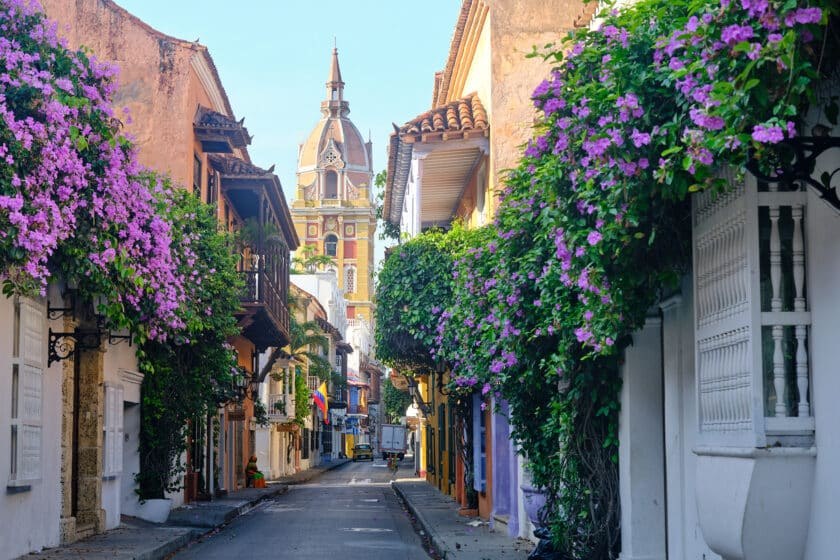
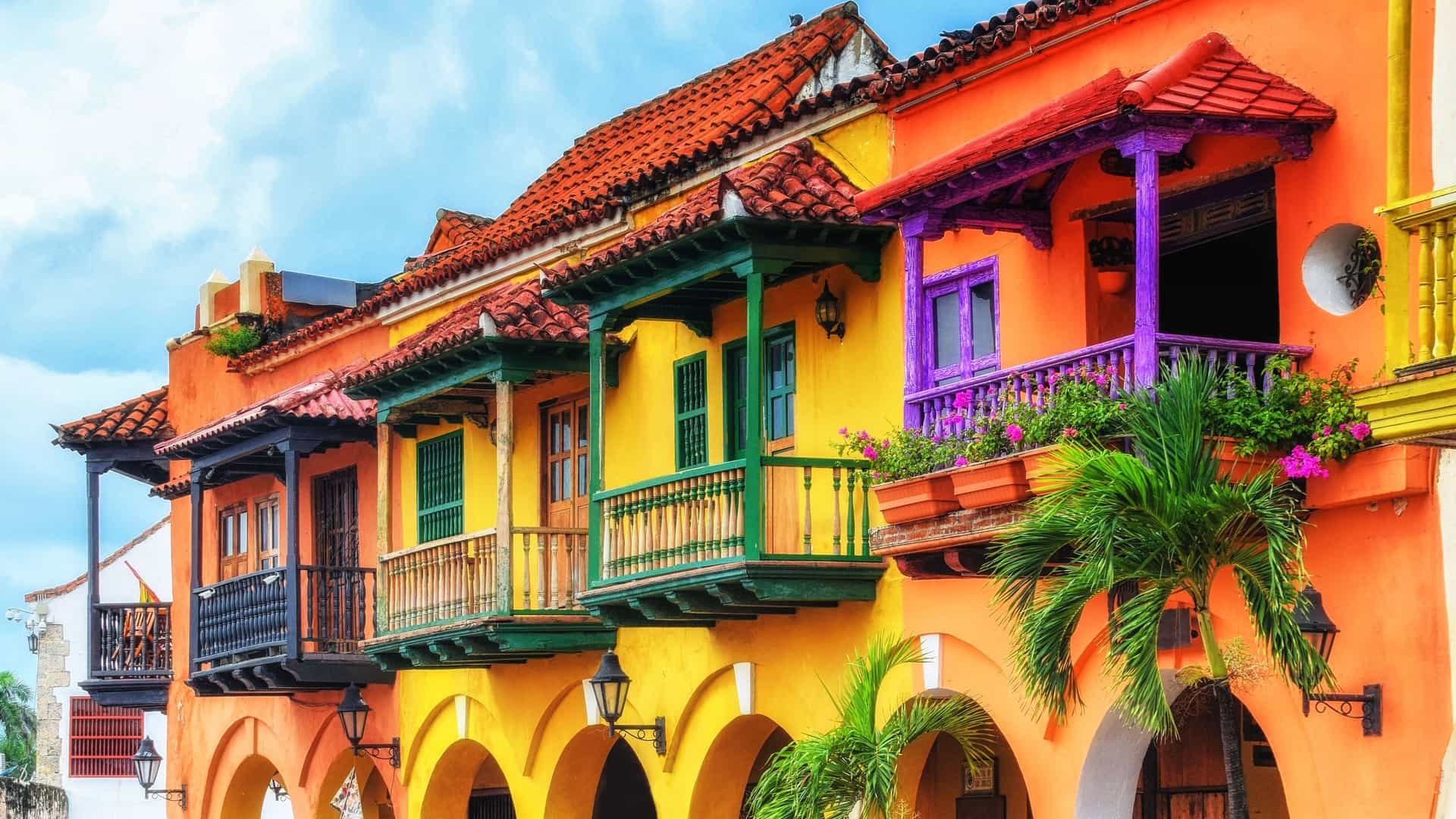
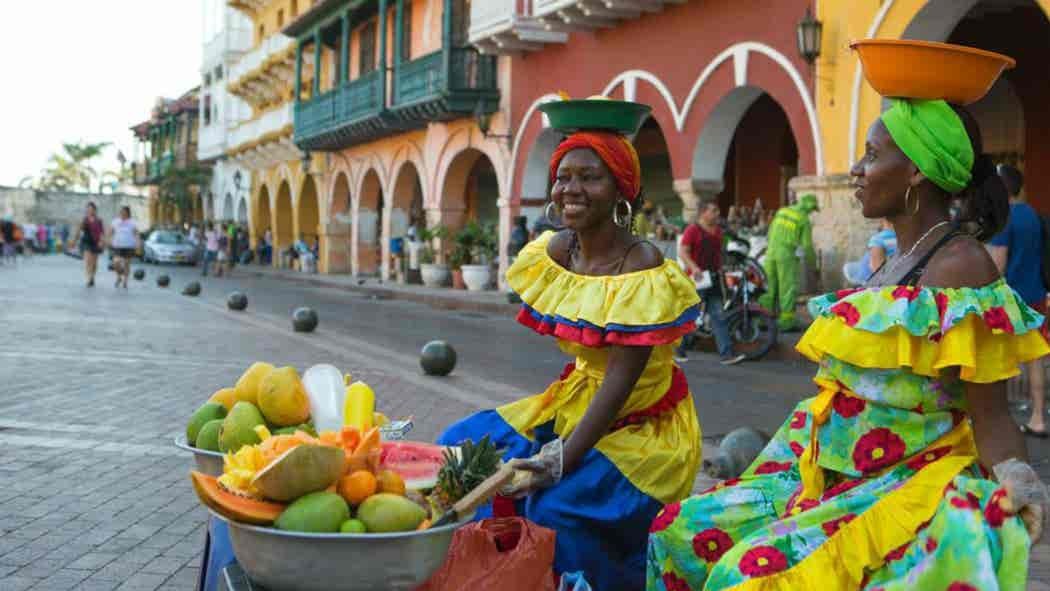
Cartagena doesn't ease you in. It hits you with humidity, bougainvillea, cumbia bass from a passing speaker, and the smell of fried plantains before you've cleared the taxi queue. This is a city that layers 500 years of colonial architecture over Afro-Caribbean soul, then wraps it all in equatorial heat and drops it on the edge of a turquoise sea. Four days here is enough to feel the depth — the market economics, the ancestral villages, the volcanic earth itself — without rushing. Here's exactly how to do it.
You're flying into Rafael Núñez International Airport (CTG), which receives nonstops from Miami, Fort Lauderdale, New York-JFK, and several hubs via Bogotá. Book premium economy — the flight from Miami is under three hours, but premium economy on LATAM or Avianca gives you the legroom, priority boarding, and checked bags that set the right tone. You land rested, composed, and ready for a city that rewards arriving well rather than arriving cheap.
Premium economy from $591 roundtrip from our cheapest gateway — check fares from your home airport →
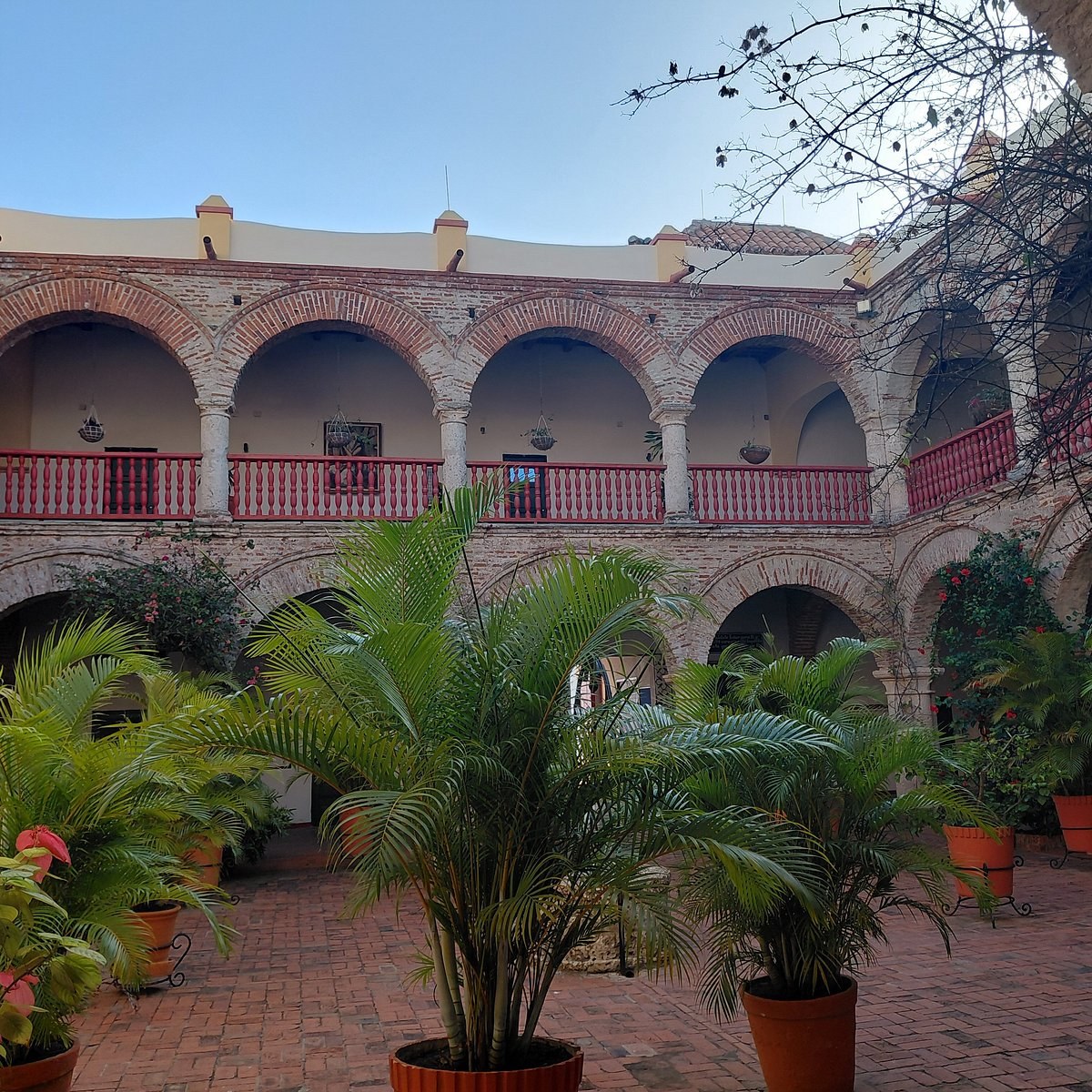
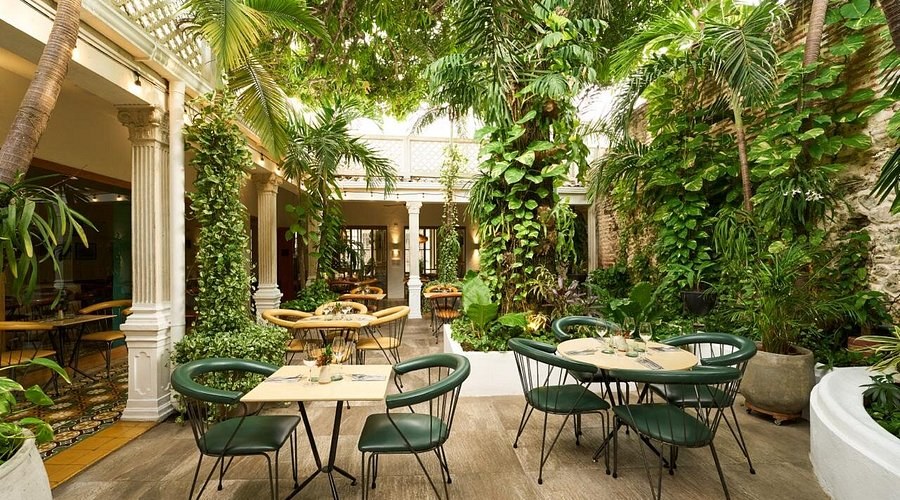
Start at the summit. A morning taxi to Convento de La Popa — the 17th-century convent perched 150 meters above the city on Mount La Popa — gives you the panoramic orientation every first day needs. The church, cloisters, and courtyard gardens are worth an hour; the 360-degree view of the walled city, harbor, and coastline is worth the rest (~$5–$10 entrance, verify when booking). Descend into the old city for the Cartagena Culinary Tour with Local Food Historian, a private walking tour through the walled center's culinary geography — arepas de huevo from street vendors, coconut rice at a family-run spot, tropical fruit you've never heard of — all narrated by someone who understands the African, Indigenous, and Spanish roots on every plate (~$80–$150 per person, verify when booking). That evening, settle into the main event: a Gastronomic Private Tasting at Carmen, where a chef-curated multi-course menu in an intimate walled garden translates local seafood and Caribbean produce into something genuinely elevated. Expect six to eight courses with wine pairings (~$120–$200 per person, verify when booking).
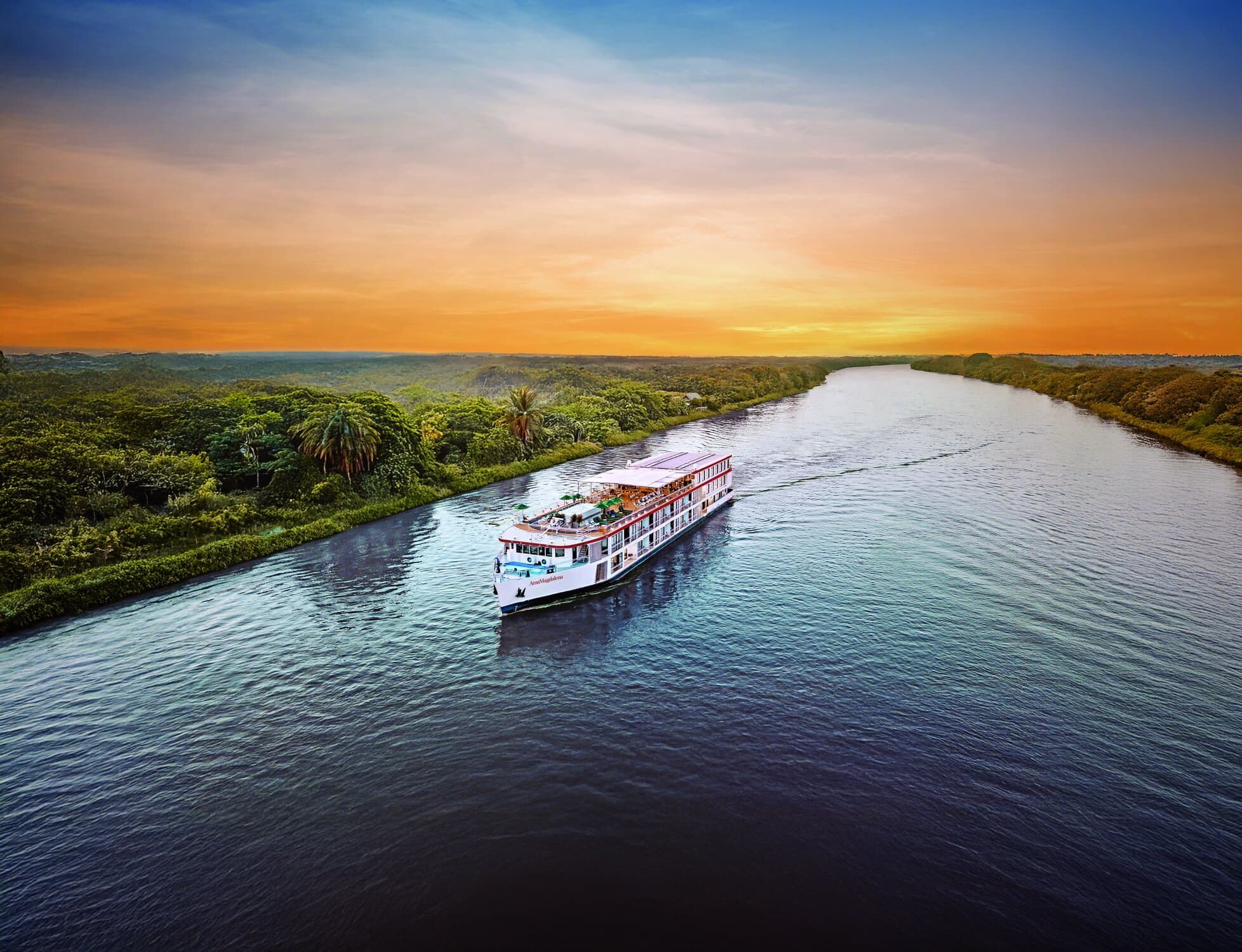
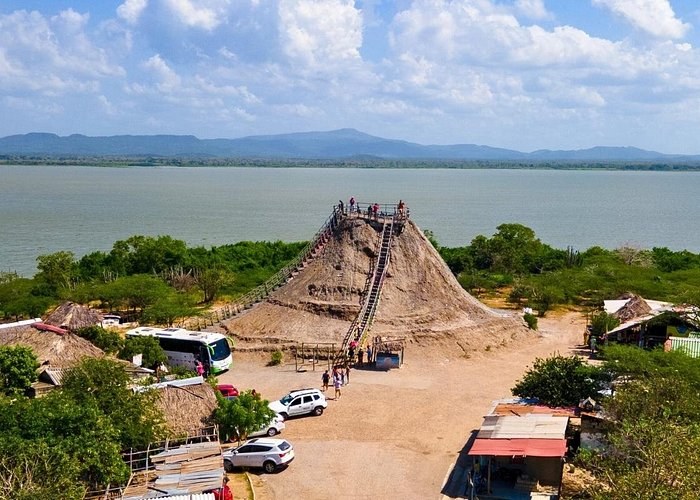
Rise early. The Magdalena River Boat Tour at Dawn — operated by AmaWaterways, the first company to run luxury overnight passenger sailings on Colombia's great river — starts in low golden light. Even a day excursion segment lets you see the riparian landscape, riverside villages, and birdlife that most visitors never encounter (~$150–$300 per person depending on itinerary length, verify when booking). Back on land by midday, drive to Volcán de Lodo El Totumo, the surreal mud volcano about 45 minutes northeast of the city. You climb a short wooden staircase, lower yourself into a warm volcanic crater filled with mineral-rich mud, and float — genuinely weightless — while the geothermal landscape steams around you. It's odd, unforgettable, and therapeutic (~$15–$30 including entry and rinse-off, verify when booking). End the day with a cold beer on your hotel terrace. You've earned the stillness.
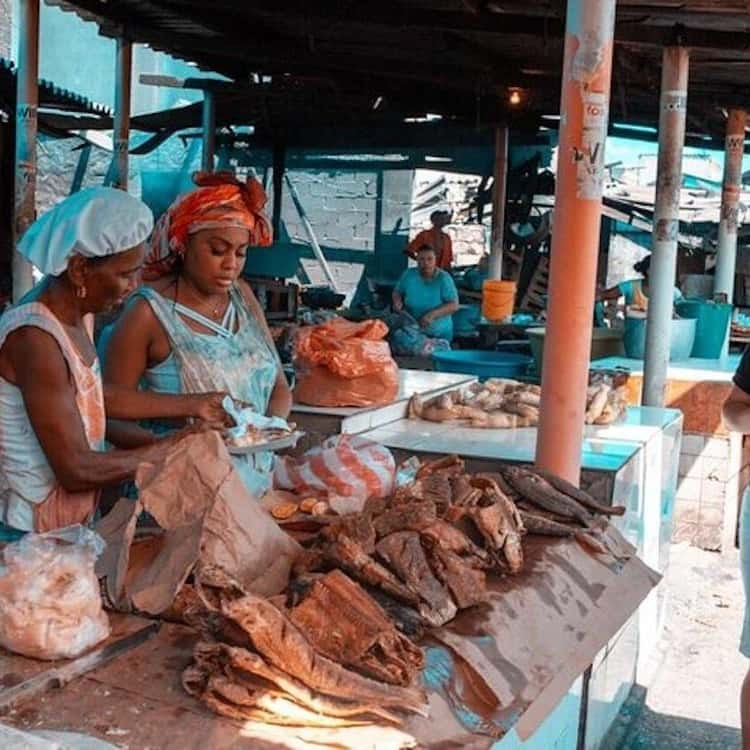
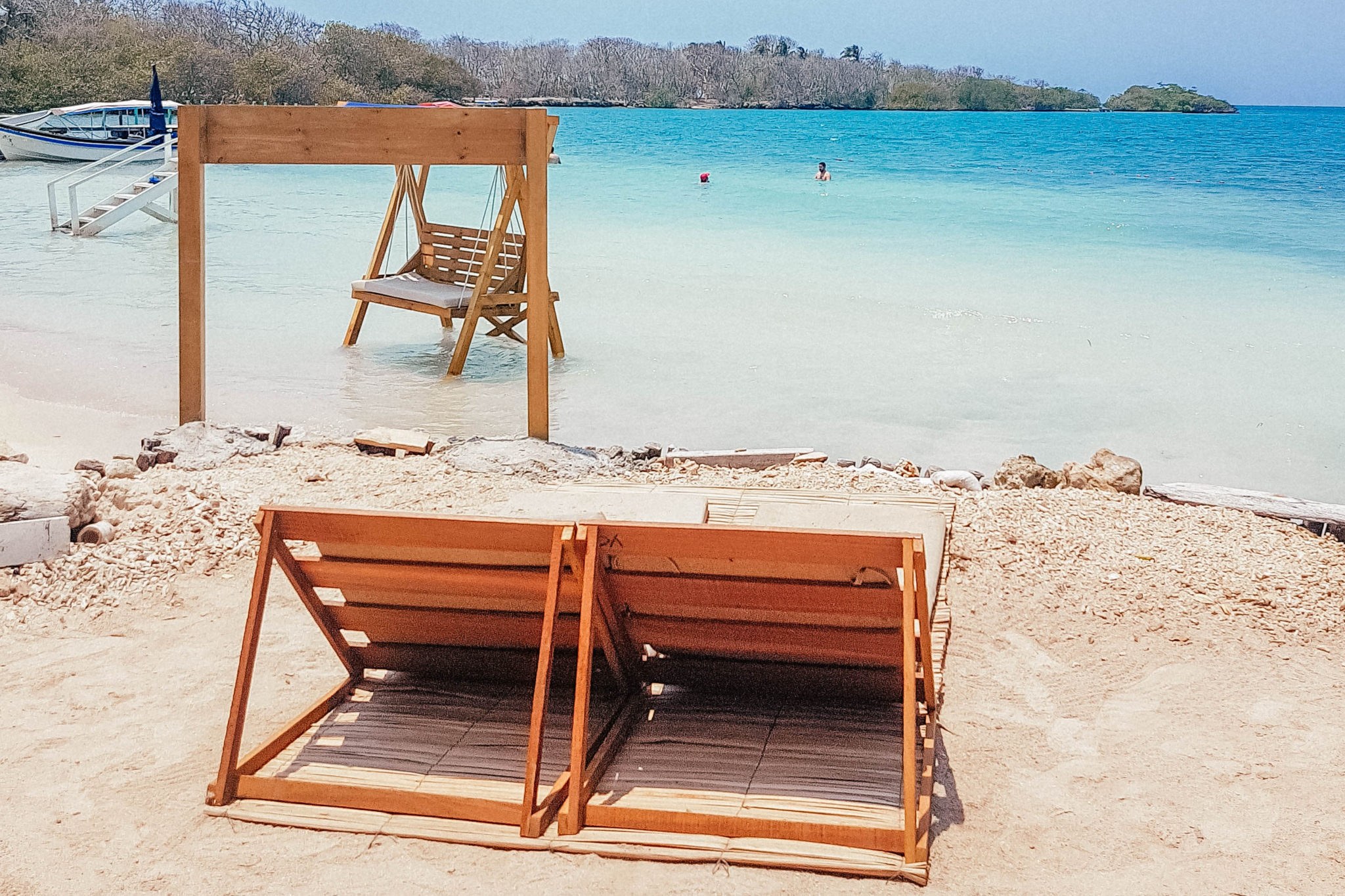
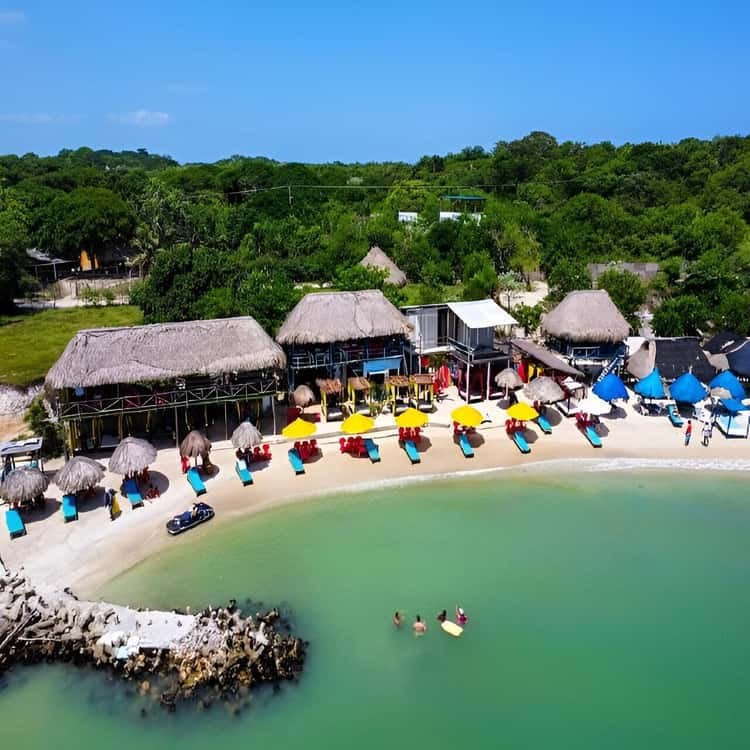
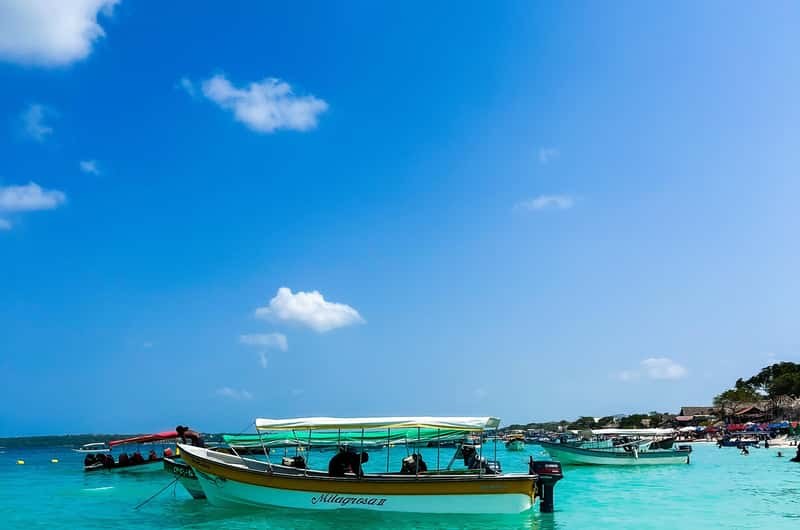
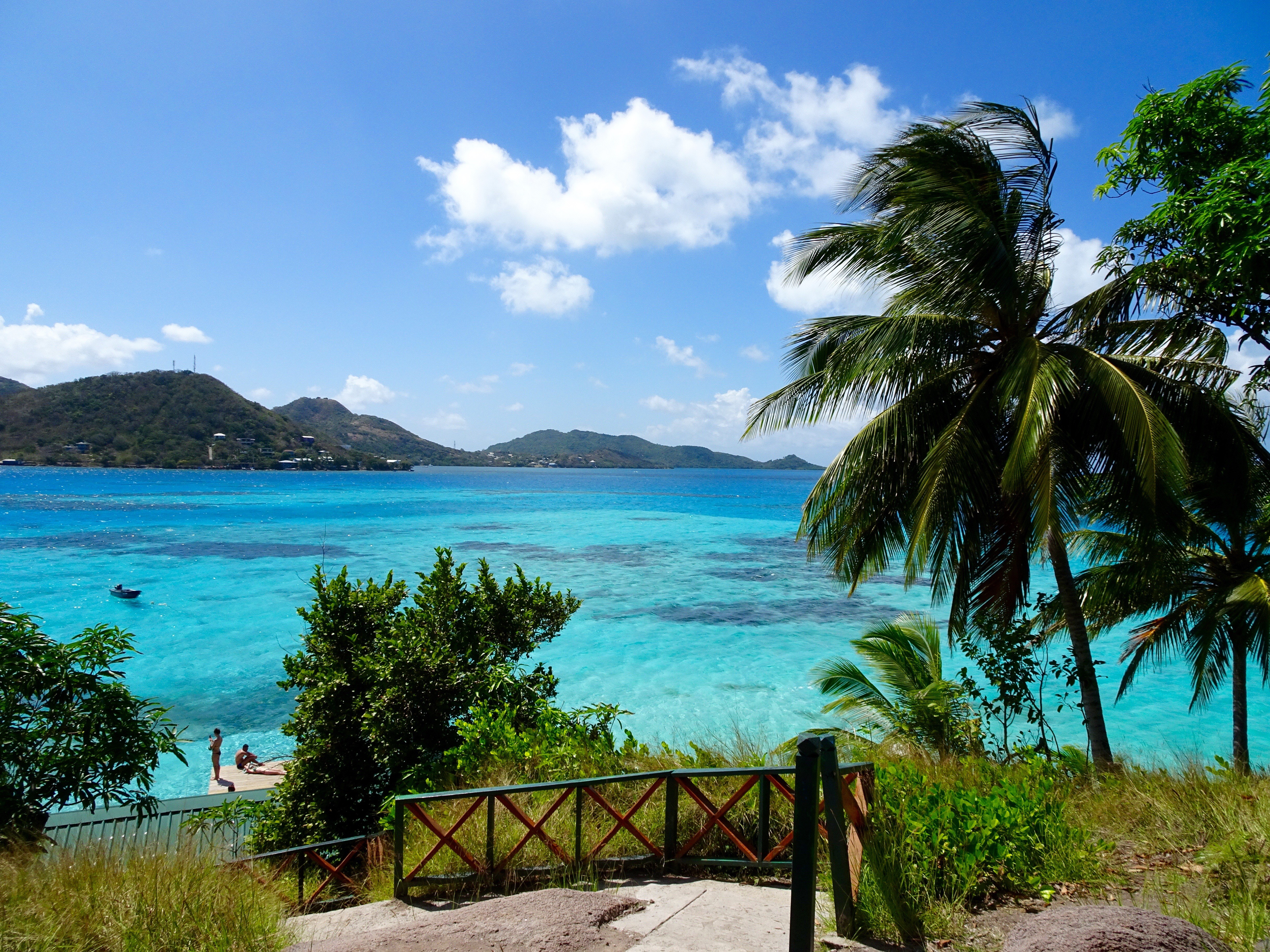
This is the morning for the Bazurto Market Walking Tour with Social Impact Guide — Cartagena's largest, loudest, most authentic market, navigated with a local guide who contextualizes the social economics, introduces you to vendors by name, and makes sense of the sensory overload. It's not polished. That's the point (~$40–$80 per person, verify when booking). After lunch, hire a private boat to Playa Blanca, the Caribbean's most absurdly photogenic white-sand beach. The speedboat ride takes roughly 45 minutes; once there, you swim in crystalline shallows, snorkel in protected reef areas, and eat ceviche from beach vendors (~$100–$200 for private boat round-trip for a small group, verify when booking). For a more immersive water experience, consider swapping this for the Rosario Islands Overnight Camping Experience — turquoise Caribbean waters, remote archipelago, minimal light pollution (~$80–$250 depending on operator and amenities, verify when booking).
Drive an hour inland to San Basilio de Palenque, the first free African town in the Americas, founded by escaped enslaved people in the 17th century. This is a living community, not a museum — you'll hear Palenquero (a Spanish-African creole language), watch traditional drumming, and eat dishes that trace directly to West Africa. Go with a community-endorsed guide who ensures your visit contributes economically (~$60–$120 for guided day trip, verify when booking). If time allows on the return, a 20-minute boat hop to Tierra Bomba Island and Fort Jefferson rounds out the cultural arc — colonial fortifications, white-sand beaches, and a fishing community that offers a counterpoint to the polished old city (~$30–$60 for boat and basic guide, verify when booking).
Three properties dominate the walled city's luxury tier, and all three deliver. Casa San Agustín is a converted colonial residence with an interior pool, thick stone walls, and the quietest courtyard in the centro histórico (~$350–$600/night, verify when booking). Sofitel Santa Clara, a former 17th-century convent, plays the grand dame — soaring ceilings, a full-service spa, and the kind of lobby that makes you want to order a gin and tonic at 2 p.m. (~$300–$550/night, verify when booking). Charleston Santa Teresa balances heritage architecture with a rooftop pool and more contemporary energy (~$250–$500/night, verify when booking). All three put you steps from the major plazas.
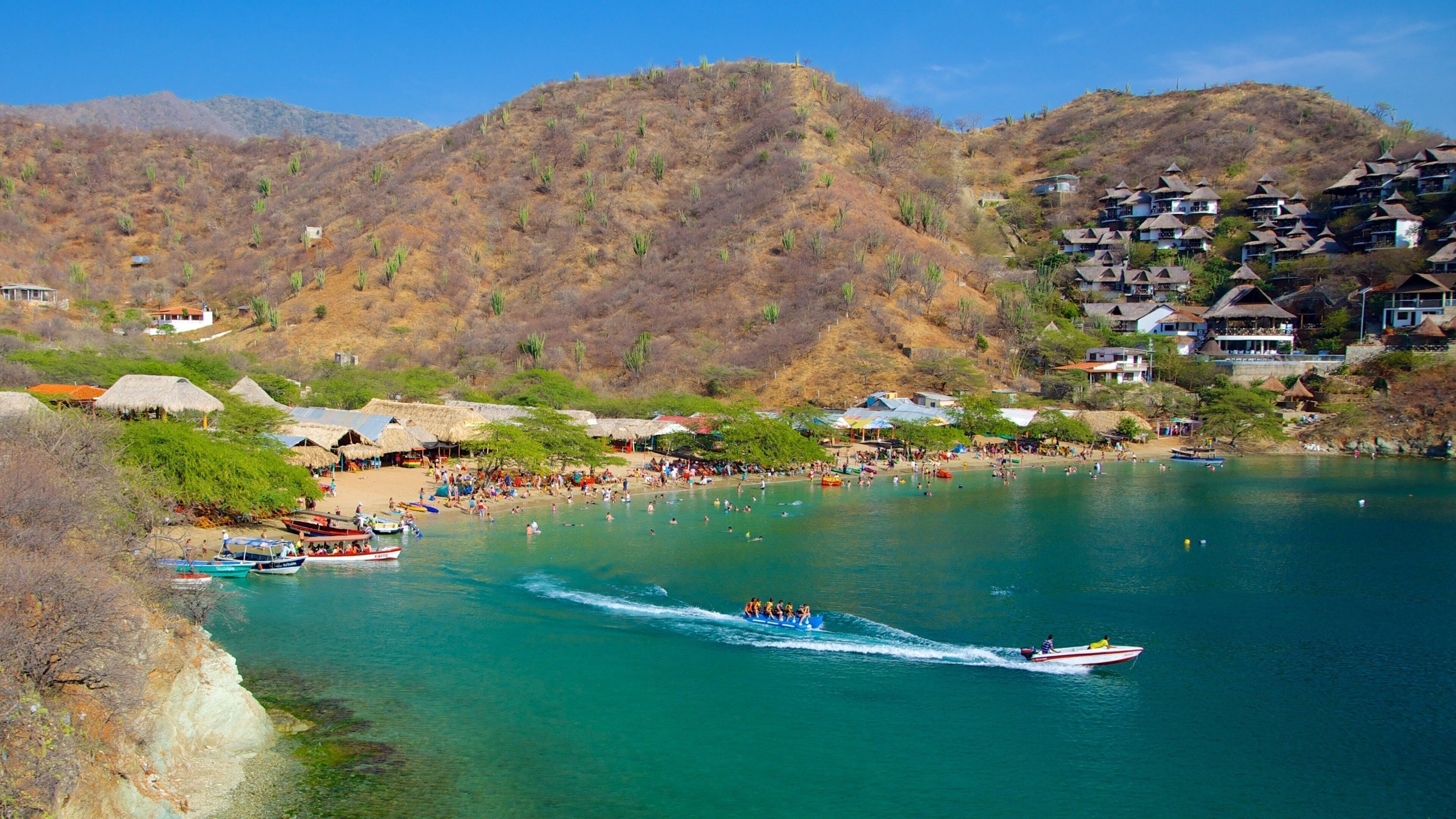
Pick up a rental car at CTG airport. You'll want it for the drives to El Totumo, Palenque, and Taganga if you add that fishing-village-and-snorkeling detour (~45 minutes north, worth it for reef time). Inside the walled city, you'll walk — the streets are narrow, the distances short, and parking is a headache. For island trips, boats depart from the city's marinas and piers; your hotel concierge can arrange private charters.
Skip Providencia Island as a day trip — it's 90 kilometers from San Andrés, which is itself a flight from Cartagena. It deserves its own three-day trip, not a rushed connection. Taganga is worth visiting if you have a fifth day, but don't squeeze it in at the expense of Palenque. Best months: December through March for dry weather and lower humidity, or June through July for a brief dry window with thinner crowds. Avoid October and November — peak rain, and some boat excursions get cancelled. Temperatures hover around 30°C year-round; linen is your friend.
| Flights | 2 × $591 Prem. Econ. | $1,182 live |
| Hotels | 4 nights × $296 luxury | ~$1,184 |
| Rental car | 4 days × $80 | ~$320 |
| Excursions | this itinerary, entry → guided | $1,228–$2,580 |
| Food | 4 days, fine dining | ~$1,200 |
| Trip total | $5,114–$6,466 |
We may earn a commission when you book through these links, at no extra cost to you. Prices and availability are set by each partner.
Cruises that call within reach of Cartagena — each one opens as a full plan of its own: where to fly in, every port, and what the week runs.
Some links are affiliate links — we may earn a commission at no extra cost to you. See our Terms.