Southern Culinary Coast
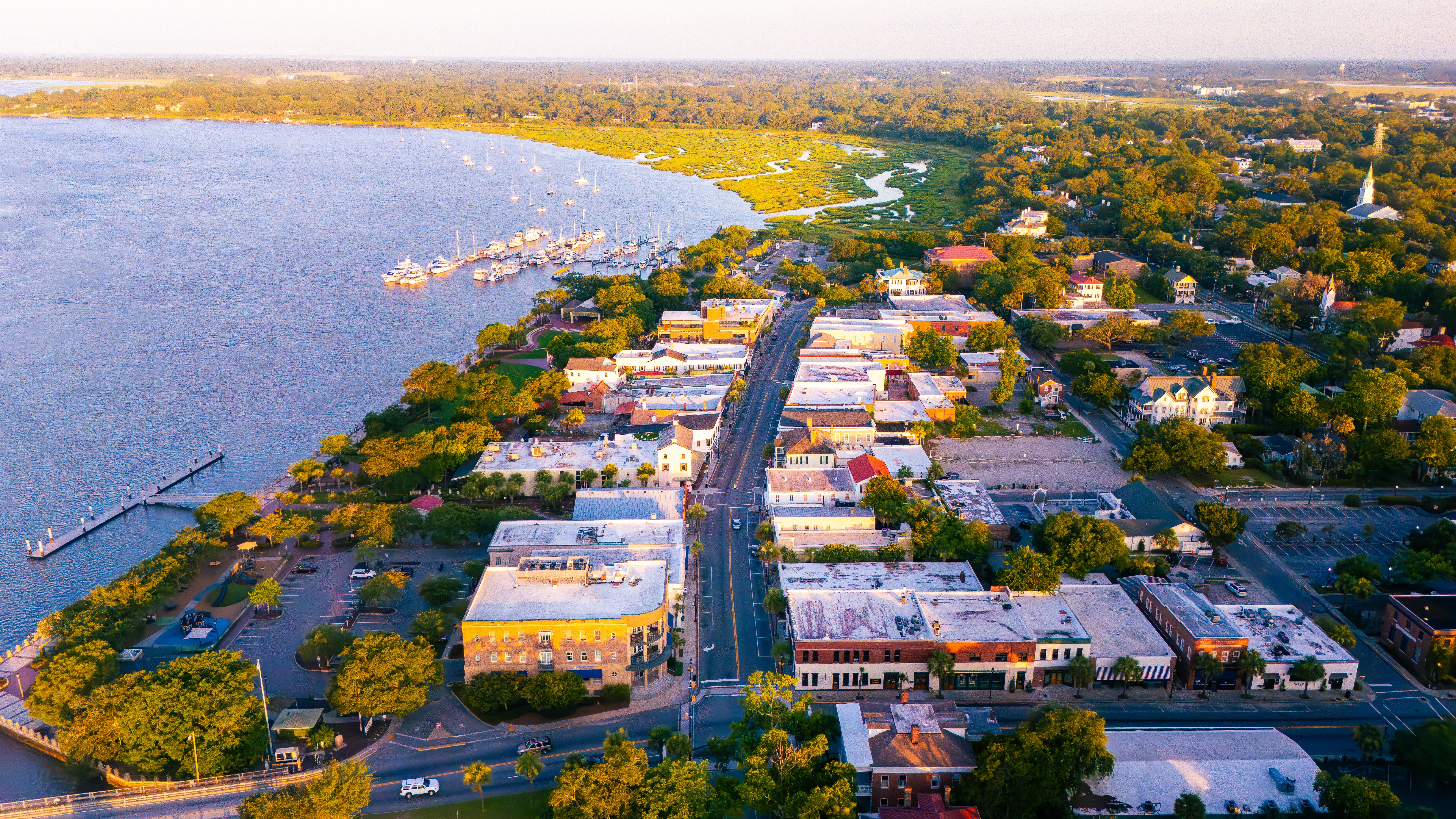
Charleston doesn't try to impress you. It just does. The city smells like pluff mud and jasmine, its light turns pink an hour before sunset, and its restaurant scene — built on heritage grains, just-pulled shrimp, and a stubborn reverence for what grows here — operates at a level that most American cities only aspire to. This is the trip where you eat seriously, move slowly, and come home with salt in your hair and a standing reservation you'll want to keep.
Fly into Charleston International Airport (CHS), a compact, easy-to-navigate terminal that puts you twenty minutes from the Historic District. In business class, the flight is a genuine pleasure — a proper seat, a real glass, and enough room to spread out a map of King Street before you land. CHS receives nonstop service from most major East Coast and Southern hubs, so connections are painless. You'll arrive relaxed, which is exactly the state Charleston rewards.
Business from $407 roundtrip from our cheapest gateway — check fares from your home airport →
Arrive, orient, eat. Pick up your rental car at CHS and drive straight to your hotel. If you land by midday, head to Callie's Hot Little Biscuit on King Street for a late-arriving breakfast that doubles as a declaration of intent: a buttermilk biscuit stuffed with pimento cheese, still warm (~$5–$12, verify when booking). It's fast, unfussy, and immediately tells you what this city cares about.
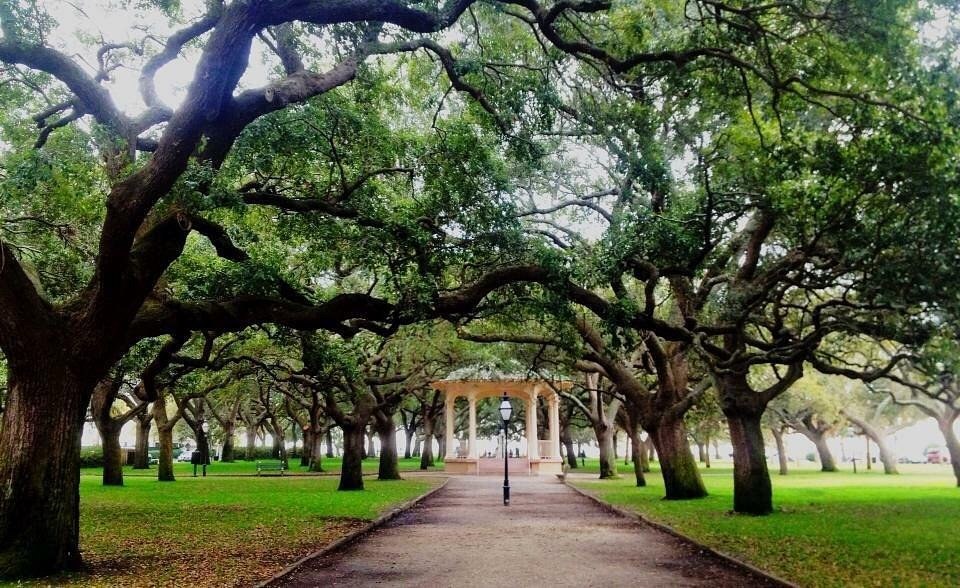
Spend the afternoon walking The Battery and White Point Garden, Charleston's historic waterfront promenade at the southern tip of the peninsula. Centuries-old live oaks, harbor breezes, antebellum mansions lining the seawall — it's free, it's gorgeous, and it sets the geographic stage for everything that follows.
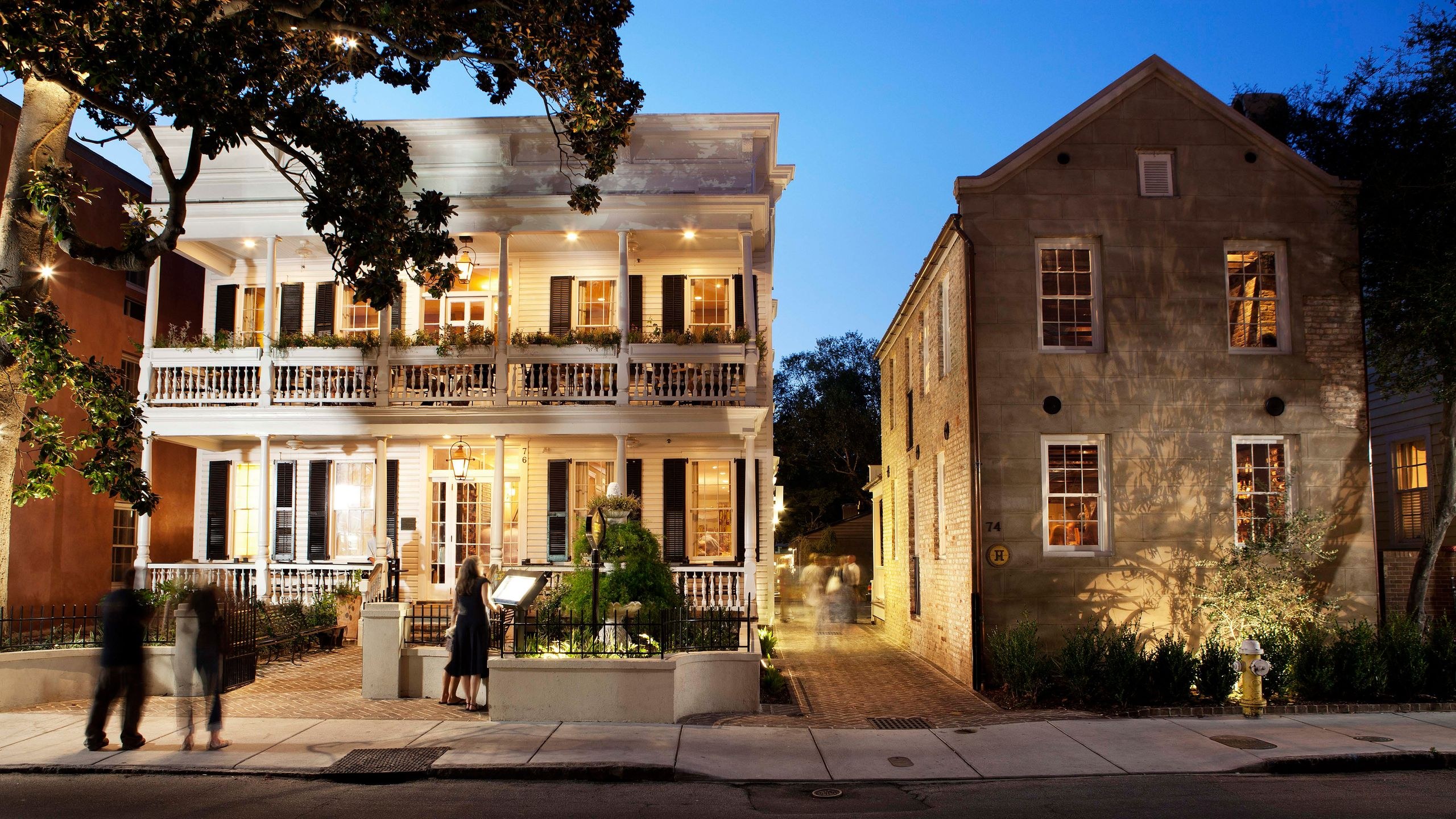
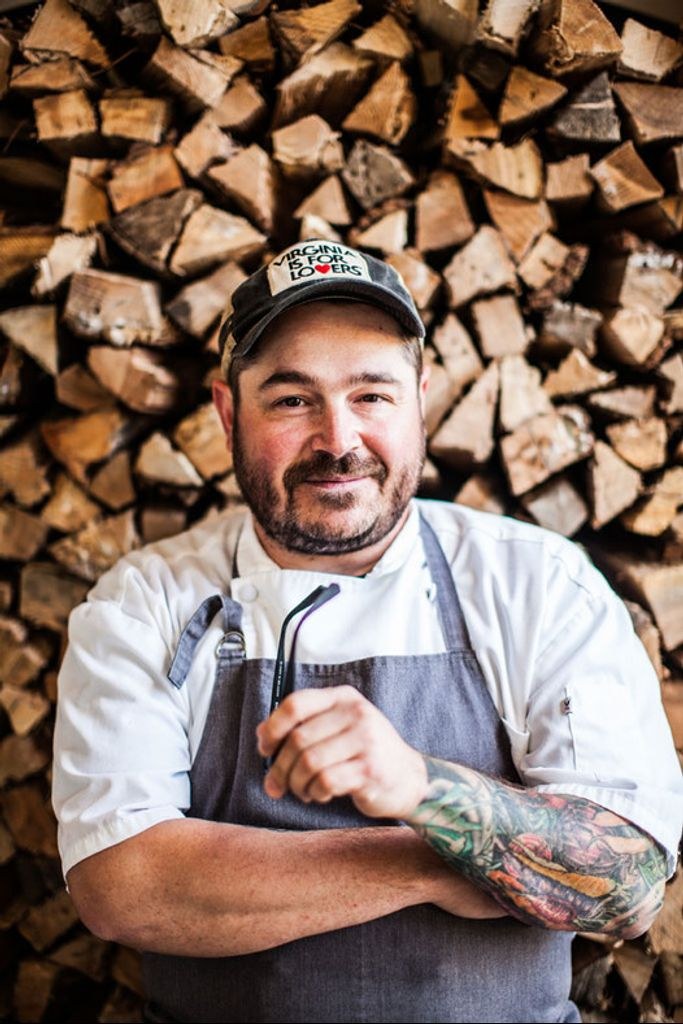
Dinner belongs to Husk Restaurant at 76 Queen Street. Chef Sean Brock's flagship celebrates the Southern pantry with a menu that changes daily based on what's available from local farms and waters. Expect dishes built around Carolina Gold rice, heritage pork, and sea island vegetables. Reservations are essential; entrées run ~$28–$45, verify when booking. After dinner, take your bourbon upstairs to the Rooftop Bar — one of the most civilized nightcaps in the Lowcountry.
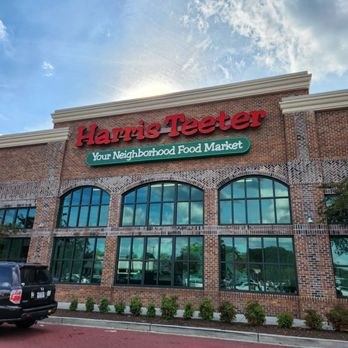
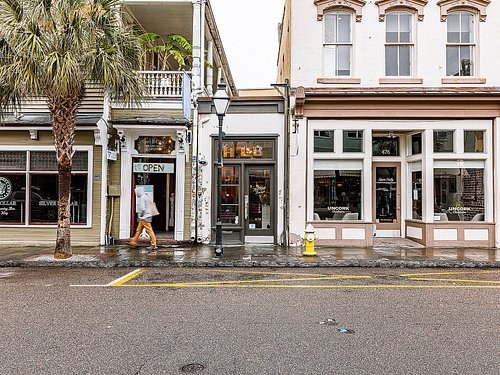
Market morning, water afternoon, seafood night. If you're here on a Saturday, do not miss the Charleston Farmers Market at Marion Square. But any day of the week, swing by the Harris Teeter Farm Stand Experience inside Charleston City Market on Meeting Street. The stalls here showcase hyperlocal Lowcountry producers — stone-ground grits, single-origin honey, smoked salt — and it's the best place to buy edible souvenirs (~$0–$30 depending on your self-control).
Lunch at Cru Cafe on Gadsden Street, where Sean Brock's heritage grain project comes to life in an intimate, lunch-only setting. Breads and pastas milled in-house from ancient and heirloom grains make this one of the most intellectually exciting meals in the South (~$18–$32, verify when booking).
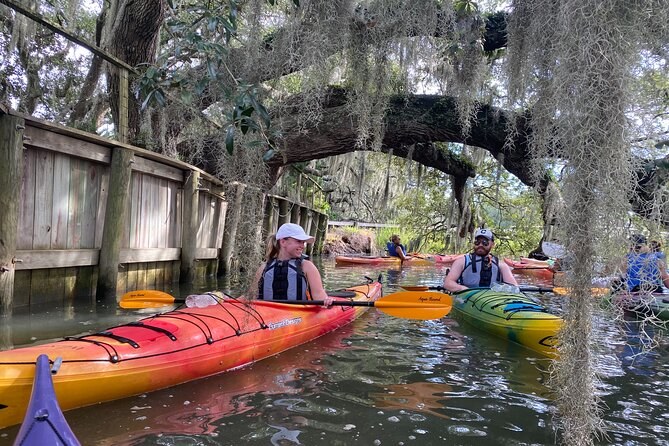
Afternoon: drive fifteen minutes to Mount Pleasant for Shem Creek Kayaking. Paddle through tidal waterways alongside working shrimping boats, egrets, and bottlenose dolphins. Guided tours run roughly 90 minutes (~$40–$65 per person, verify when booking). Alternatively, book a Shrimping Boat Tour from the same launch point for a narrated cruise that explains the Lowcountry's commercial fishing heritage.
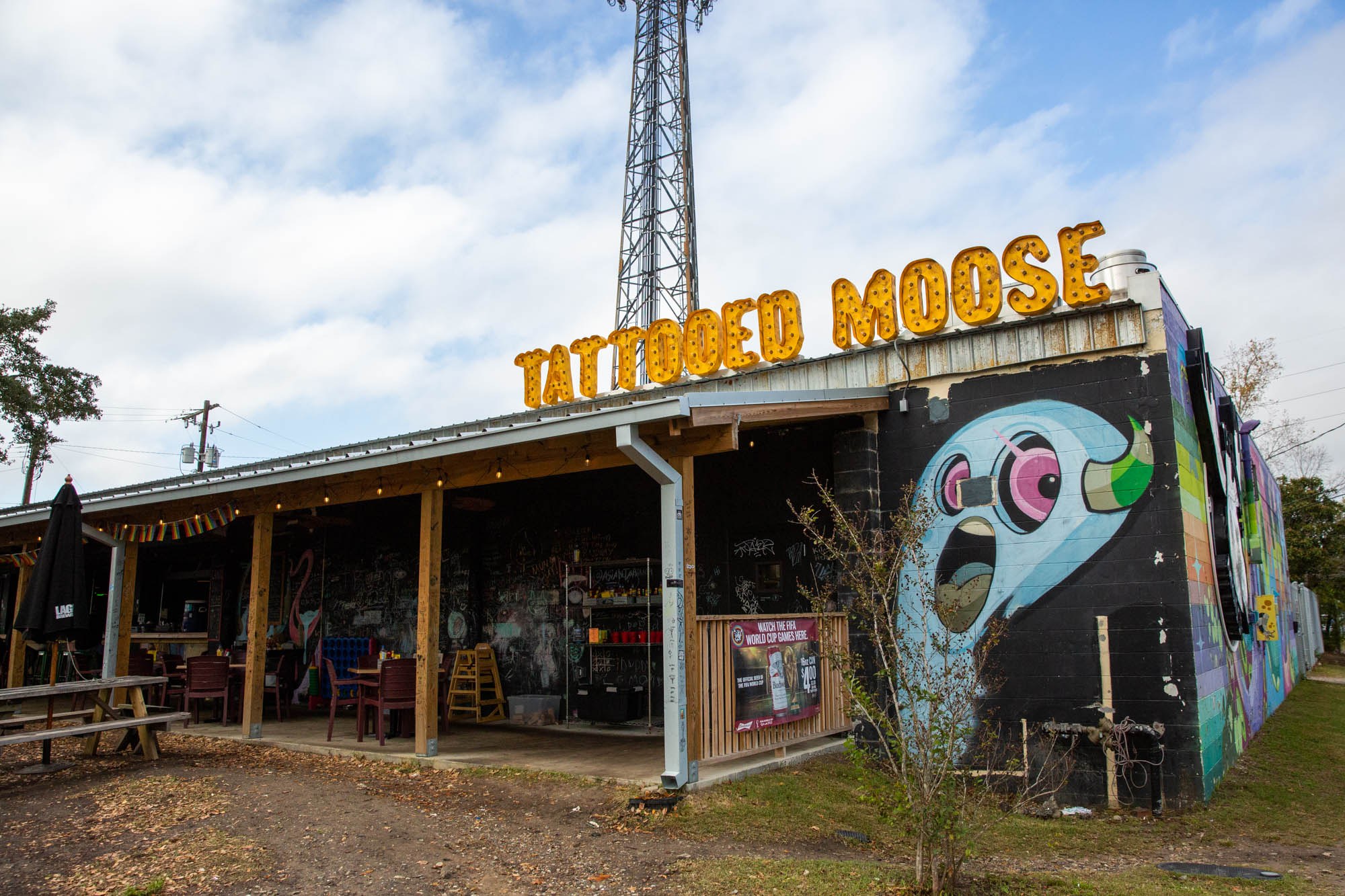
Return downtown for a casual dinner at The Tattooed Moose on Morrison Drive. Order Mike's Famous Duck Club sandwich — crispy duck confit stacked high — and a cold local beer. It's the kind of place where the food vastly outperforms the décor (~$14–$22, verify when booking).
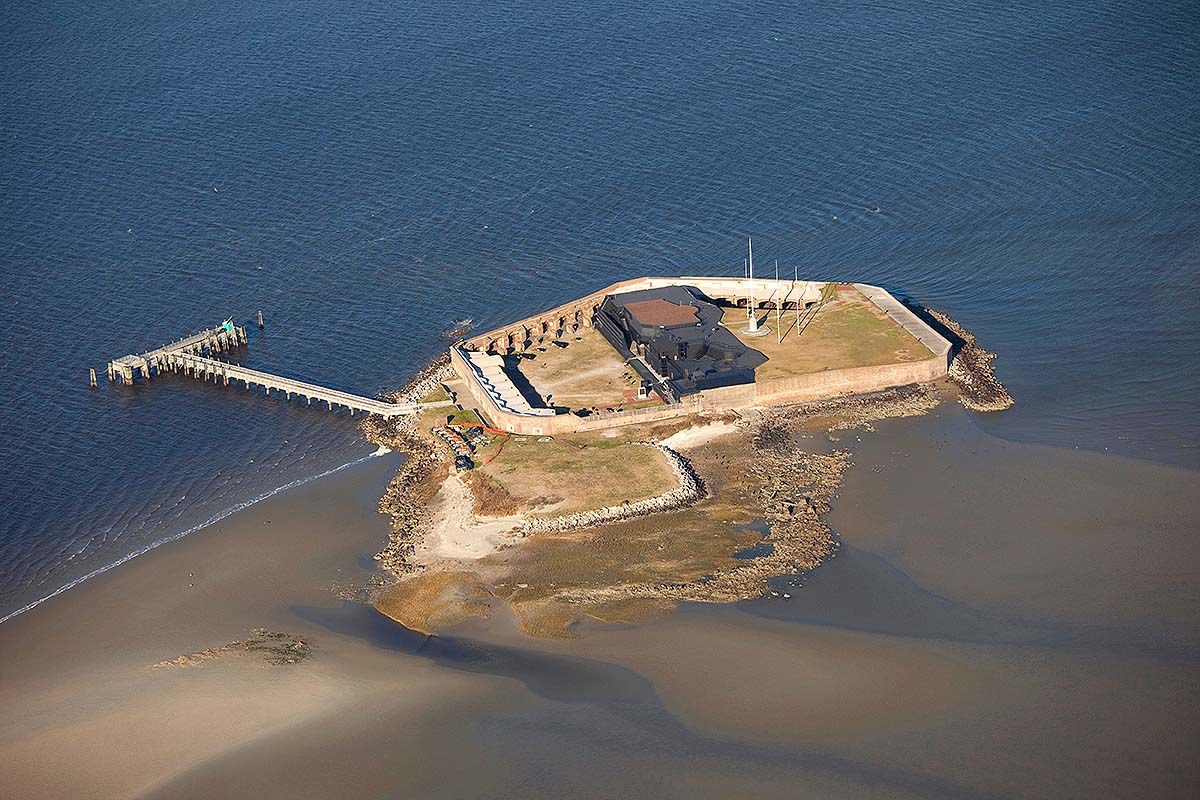
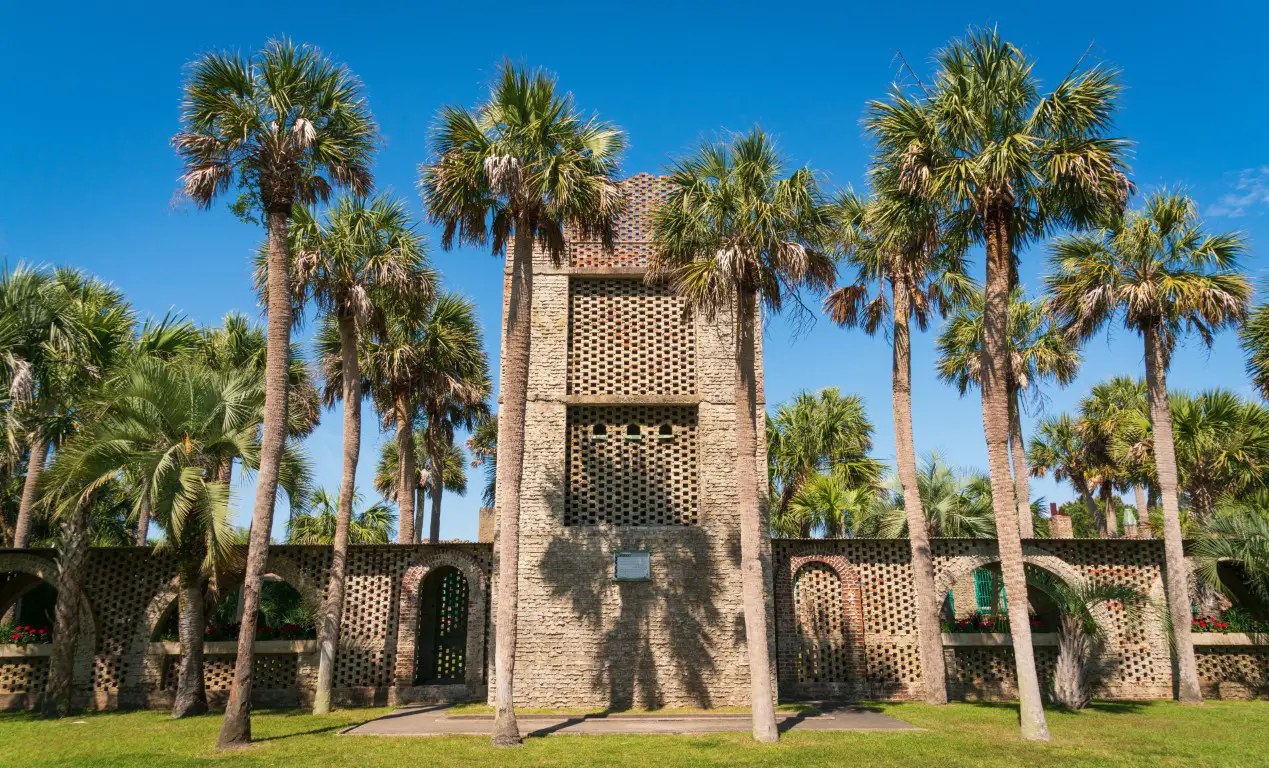
Castle, coast, farewell feast. Drive an hour south to Huntington Beach State Park in Murrells Inlet and explore Atalaya Castle, a crumbling Spanish-colonial-revival compound built in 1930 on an isolated barrier island. The structure is haunting and photogenic, surrounded by pristine maritime forest and an empty beach. Park entry is ~$5–$8 per adult, verify when booking.
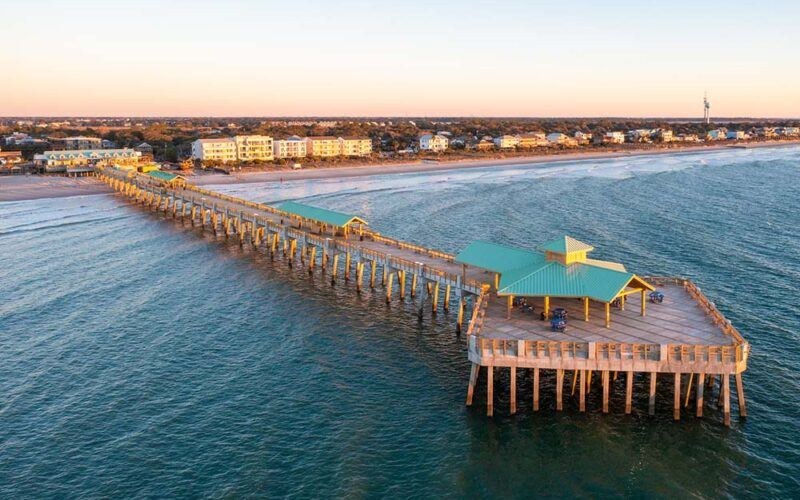
On your way back, detour to Folly Beach Pier — a 1,045-foot pier stretching into the Atlantic with breezy views and a surfer-town vibe. Grab a drink, watch the pelicans, and let the salt air settle into your skin (~free to walk the pier or ~$2–$5 for fishing access).
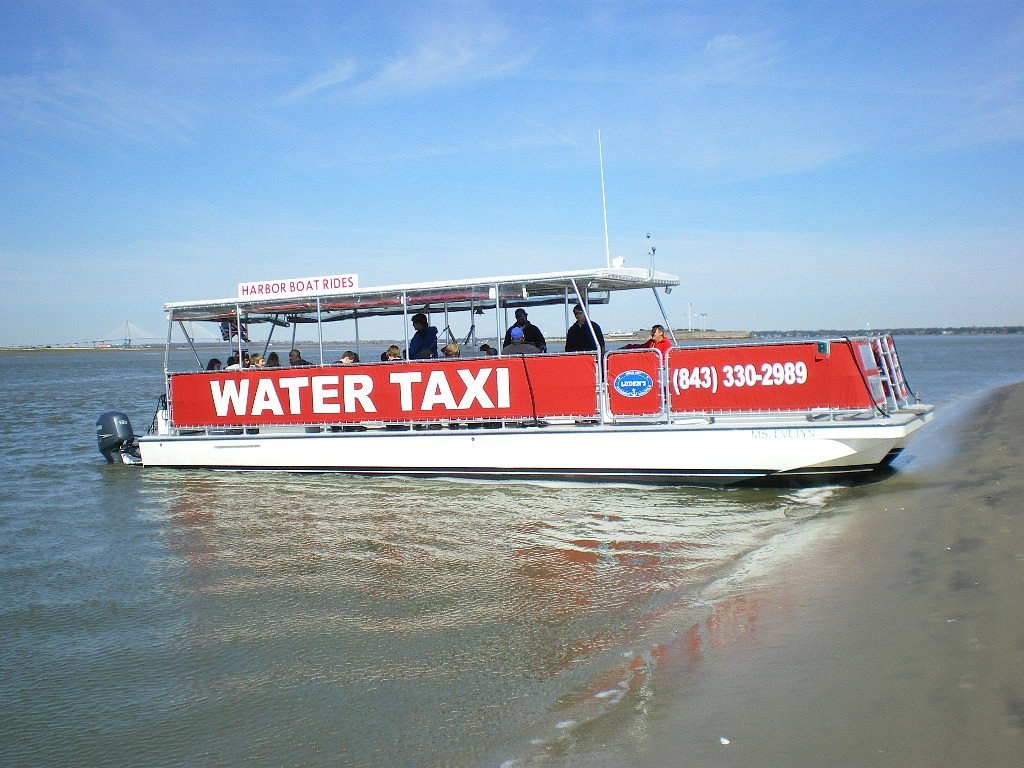
Late afternoon, take the Porgy Hopper Water Taxi & Architectural Tour departing from Vendue Range. This narrated harbor cruise frames Charleston's skyline from the water and provides context you can't get from the sidewalk (~$12–$16, verify when booking).
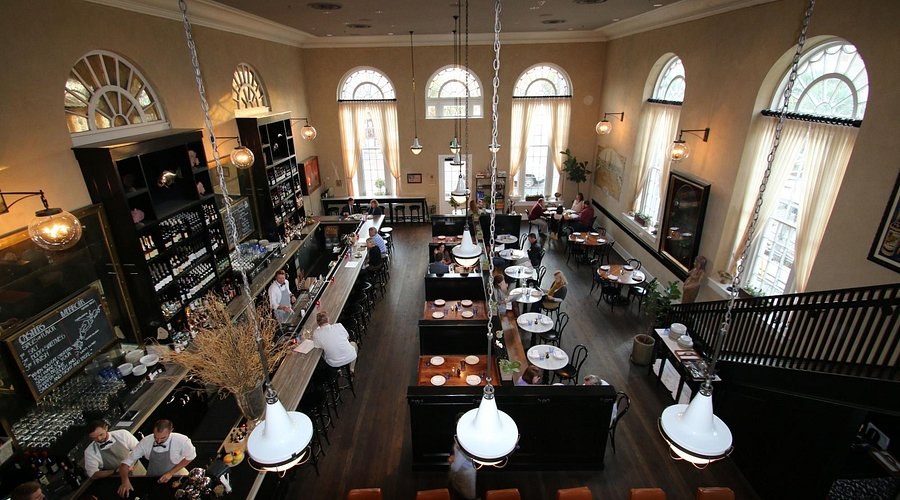
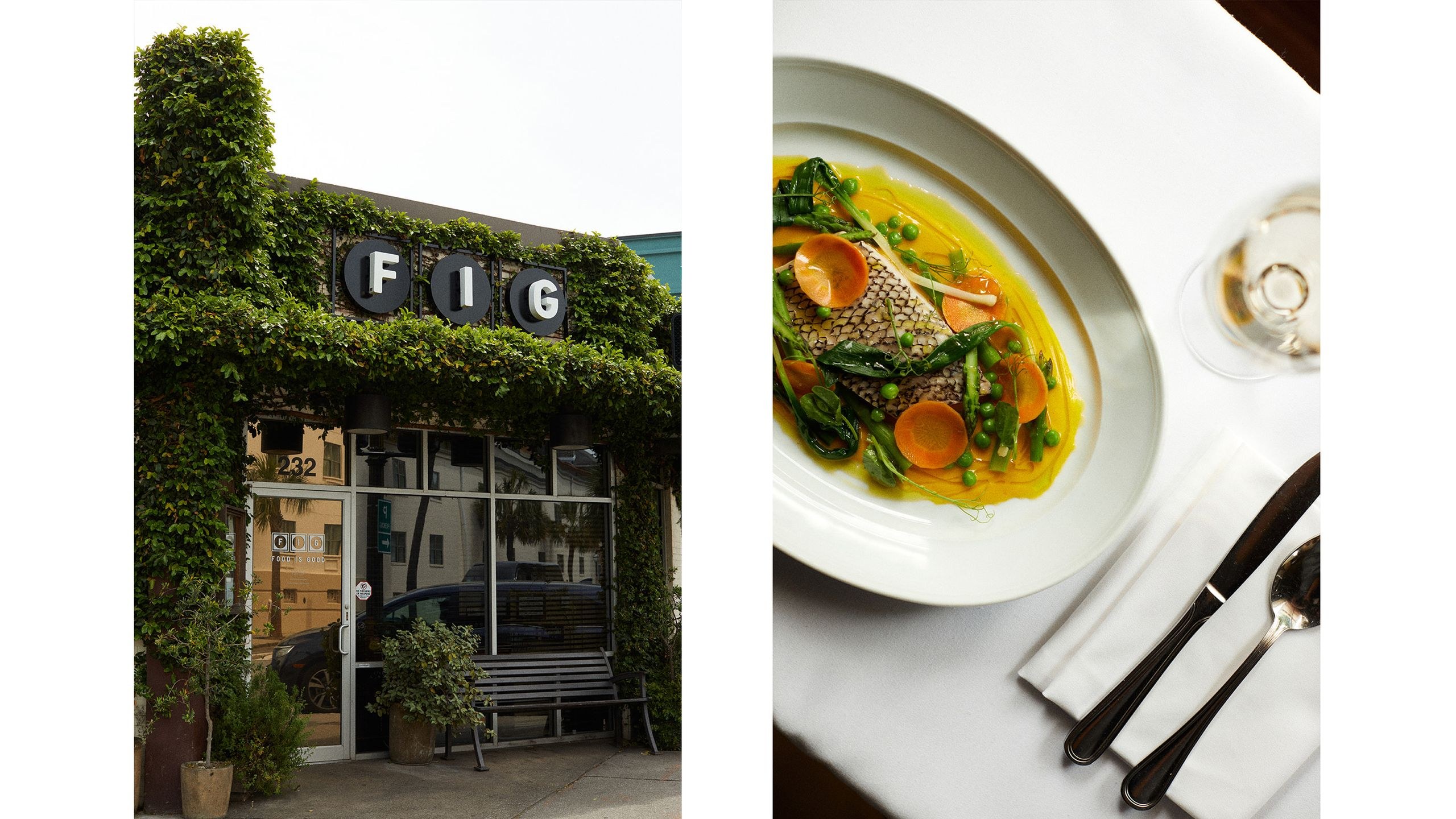
Your final dinner is a toss-up between two landmarks. The Ordinary on King Street is a seafood hall specializing in oysters and refined coastal plates (~$30–$55, verify when booking). FIG on Meeting Street, helmed by James Beard Award winners Mike Lata and Jason Stanhope, offers a seasonal menu rooted in French technique and Carolina ingredients (~$32–$52, verify when booking). You won't regret either. If you can only choose one, FIG edges it for a final night — its warm room and precise cooking feel like a love letter to the city.
Hotel Bennett anchors Marion Square with grand architecture and a rooftop pool — the most classically luxurious option (~$350–$600/night, verify when booking). Zero George is a boutique property in a cluster of restored 19th-century buildings with a celebrated kitchen of its own (~$300–$550/night, verify when booking). The Cooper is a newer design-forward hotel on Wentworth Street with a slightly more modern sensibility (~$250–$450/night, verify when booking). All three put you within walking distance of King Street, the market, and most restaurants on this itinerary.
Rent a car at CHS. You'll need it for Huntington Beach State Park, Folly Beach, and the Shem Creek excursion. Downtown Charleston is walkable for meals and evening strolls, but the car earns its keep for day trips. Expect ~$45–$80/day for a midsize sedan, verify when booking. Parking at downtown hotels typically runs ~$25–$40/night.
Skip the horse-drawn carriage tours — they're slow, crowded, and you'll see the same streets on foot with more freedom. Late March through May is the sweet spot: azaleas in bloom, humidity still tolerable, restaurant patios wide open. September and October also work beautifully after the summer heat breaks, though keep an eye on hurricane season forecasts. Avoid July and August unless you genuinely enjoy sweating through linen.
| Flights | 2 × $407 Business | $814 live |
| Hotels | 3 nights × $280 luxury | ~$840 |
| Rental car | 3 days × $120 | ~$360 |
| Excursions | this itinerary, entry → guided | $100–$250 |
| Food | 3 days, fine dining | ~$750 |
| Trip total | $2,864–$3,014 |
We may earn a commission when you book through these links, at no extra cost to you. Prices and availability are set by each partner.
Some links are affiliate links — we may earn a commission at no extra cost to you. See our Terms.