Andean Culture & Wild Water
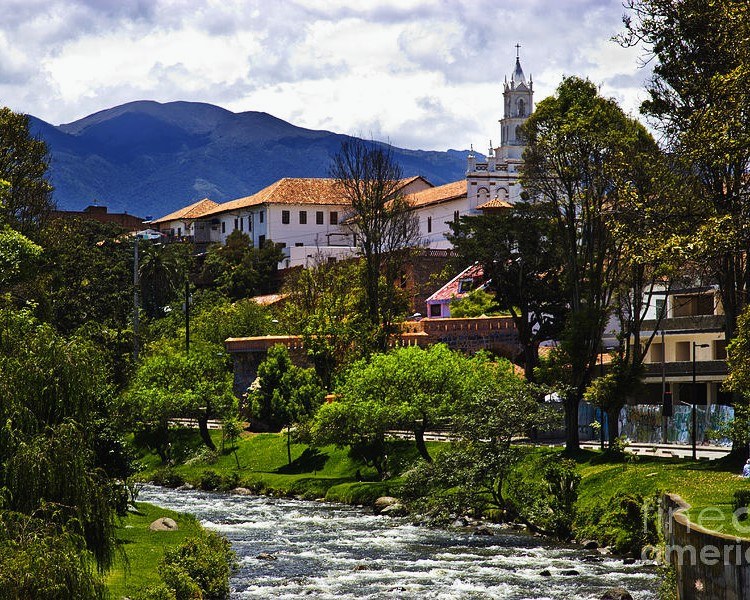
Cuenca doesn't shout. It sits at 2,500 meters in the southern Ecuadorian highlands, a UNESCO World Heritage city where cobblestone lanes open onto baroque façades, the Tomebamba River cuts through town like a liquid spine, and the surrounding páramo climbs into cloud forest and volcanic hot springs. It's the kind of place where you wake up to church bells, eat cuy for lunch with a local historian, and fall asleep sore from paddling whitewater you didn't know existed. This is the guide to doing all of it — well, comfortably, and without overpaying.
Fly into Mariscal Lamar Airport (CUE), right on the edge of the city center — one of the most convenient airport-to-hotel transitions in South America. Most connections route through Quito (UIO) or Guayaquil (GYE) on LATAM or Avianca. Book premium economy for the inbound leg: on the domestic hop you'll appreciate the extra room after any international connection, and on the longer segments from North America or Europe it's the difference between arriving drained and arriving ready. The flight is the trip's single biggest variable cost, so lock it early.
Premium economy from $779 roundtrip from our cheapest gateway — check fares from your home airport →
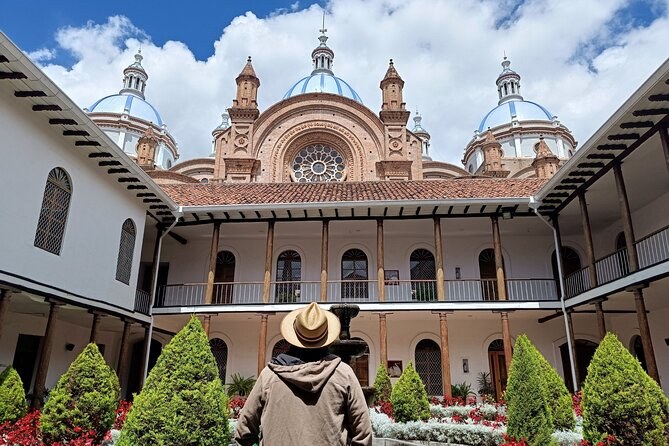
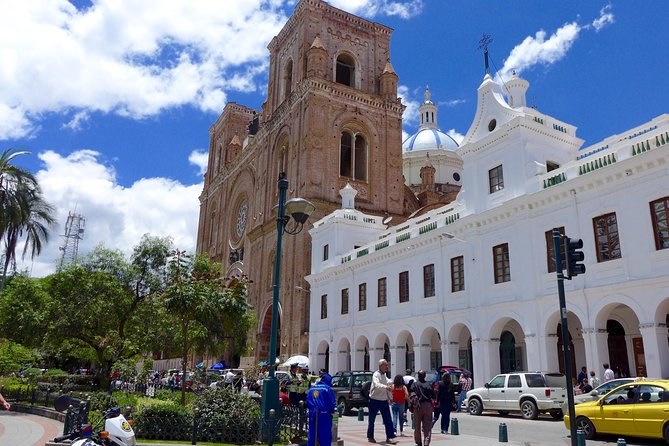
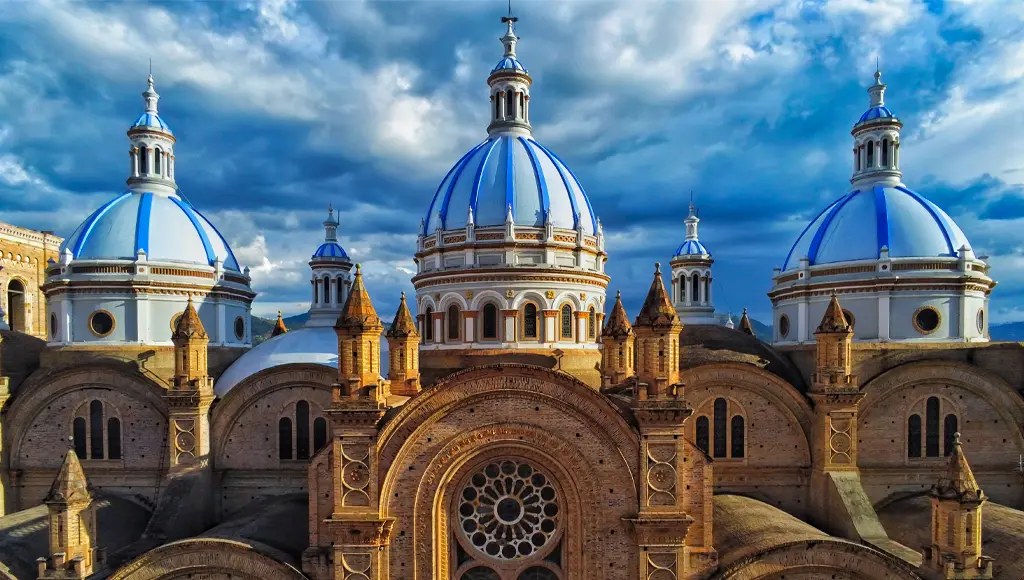
Start with the Centro Histórico Walking Tour (Private Historian Guide) (~$45–$80 per person, verify when booking). This isn't a flag-following shuffle — your guide is a published historian who threads colonial-era politics, indigenous Cañari heritage, and architectural detail into a half-day walk through plazas most visitors walk past without a second glance. The route naturally passes the Cathedral Basilica of Cuenca (Catedral Metropolitana), whose blue-tiled domes are the city's visual signature; step inside for the Italian marble floors and stained glass imported from Belgium in the 1880s. No entry fee, but a small donation is customary.
After lunch, head to the Homero Ortega Hat Factory Tour (~$5–$15, verify when booking). This is the real story of the Panama hat — which was always Ecuadorian — told through a working showroom and museum where master weavers shape toquilla straw into hats that take months to finish. Budget time to browse; a fine-weave hat runs ~$80–$400 depending on grade.
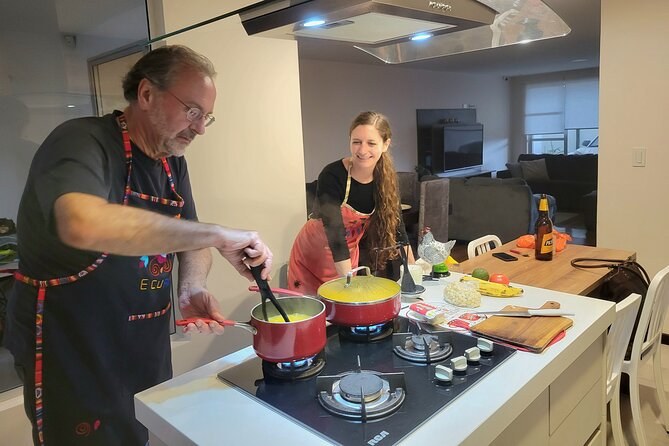
Close the afternoon with the Cuenca Culinary Class with Market Tour (~$55–$90 per person, verify when booking). You'll source ingredients at the Central Market — tropical fruit you've never seen, fresh cheese, herbs — then cook a multi-course meal hands-on. It's the single best crash course in highland Ecuadorian food.
Morning belongs to the Río Tomebamba Kayaking Expedition (~$110–$180 per person for a day segment, verify when booking). The full expedition is multi-day with riverside camping, but most outfitters offer single-day sections perfect for experienced paddlers or guided beginners. Expect Class II–III rapids, canyon walls, and guides who double as river ecologists pointing out Andean water birds and riparian plant life. Bring a dry bag for your phone.
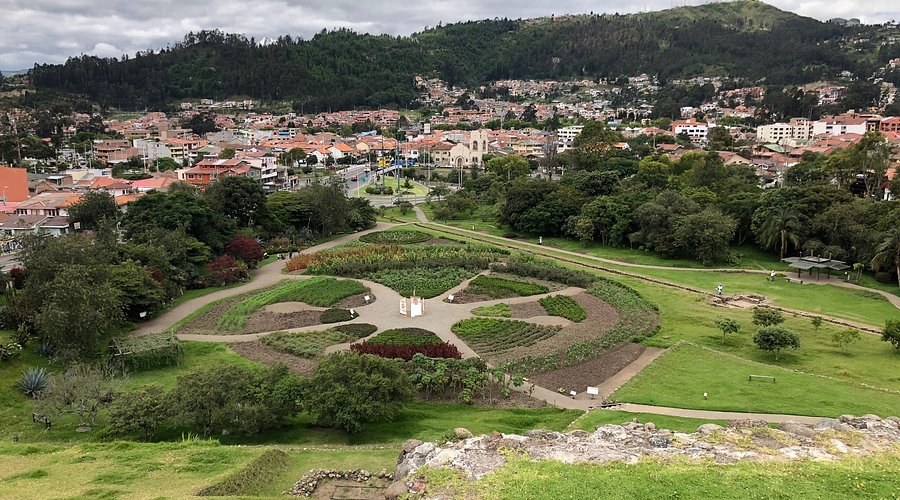
Dry off and spend the early afternoon at Museo Pumapungo (Archaeological & Botanical) (~$3–$5 entry, verify when booking). The archaeological collection spans pre-Columbian Cañari and Inca cultures, but the living botanical garden out back — planted with species once used in traditional medicine and ritual — is what lingers. Give it 90 minutes minimum.
Evening: the Private Wine Tasting - Ecuadorian Highlands Wines (~$50–$90 per person, verify when booking). Ecuador is not on anyone's wine map yet, which is exactly the point. A sommelier walks you through small-batch bottles from high-altitude vineyards — think volcanic soil, intense UV, cool nights — and the results are surprisingly serious. This is a once-in-a-career tasting for anyone who thinks they've tried everything.
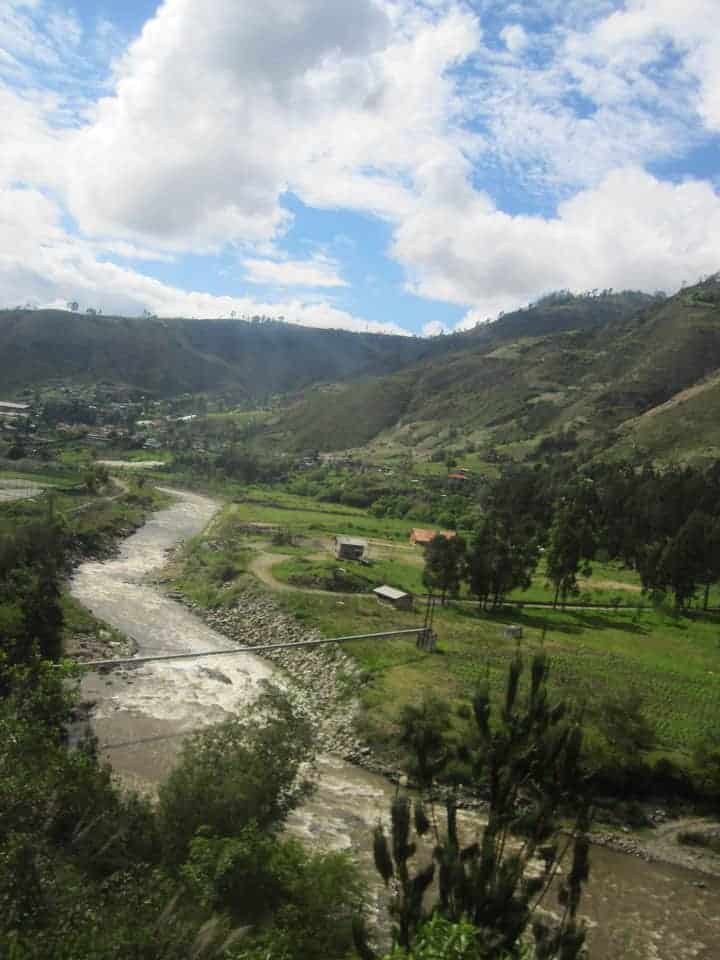
Drive east toward Paute Valley. First stop: the Artisan Distillery Tour - Aguardiente Cuenca (~$15–$30 per person, verify when booking) in Paute. This family-run operation has been distilling aguardiente from their own sugar cane fields for over 30 years. You'll walk the cane rows, watch the wood-fired distillation, and taste varieties you cannot buy outside the province.
Continue to the Paute Dam & Reservoir Scenic Tour (~$25–$50 per person, verify when booking). South America's highest arch dam holds back an alpine reservoir ringed by canyon walls; boat excursions take you through the gorge, and the engineering alone is worth the stop.
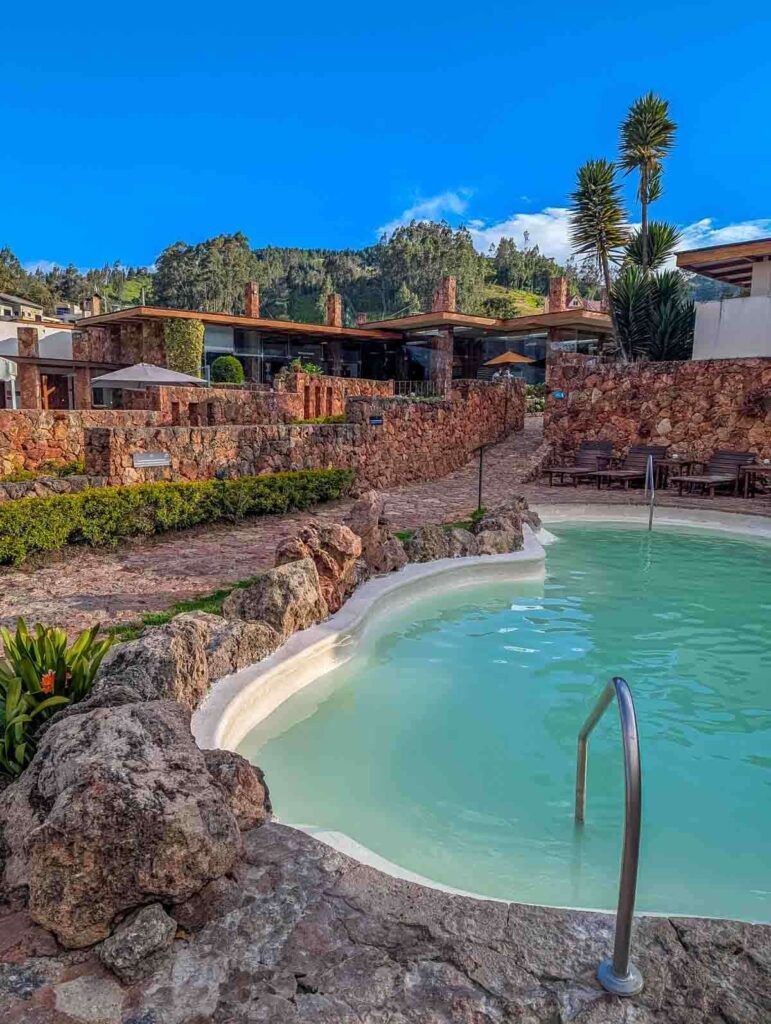
Return via the Caldas Hot Springs & Spa (Balneario Caldas) (~$10–$25 entry, verify when booking). Volcanic-fed mineral pools set against mountain scenery — the perfect counterweight to two days of walking and paddling. Some pools are basic, others offer spa treatments; either way, you'll leave looser than you arrived.
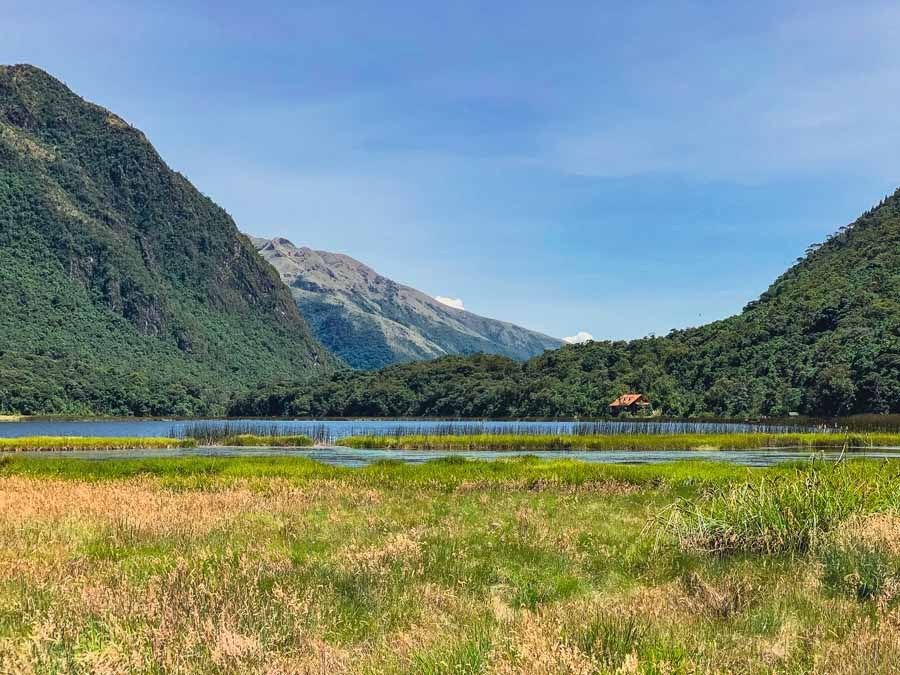
Start early for Laguna de Llaviucu Wildlife Reserve (~$5–$15 entry, verify when booking), a high-altitude wetland inside Cajas National Park. Guided hikes here reveal endemic Andean birds, mountain tapir habitat, and polylepis forest draped in moss. The air is thin and cold; layer up.
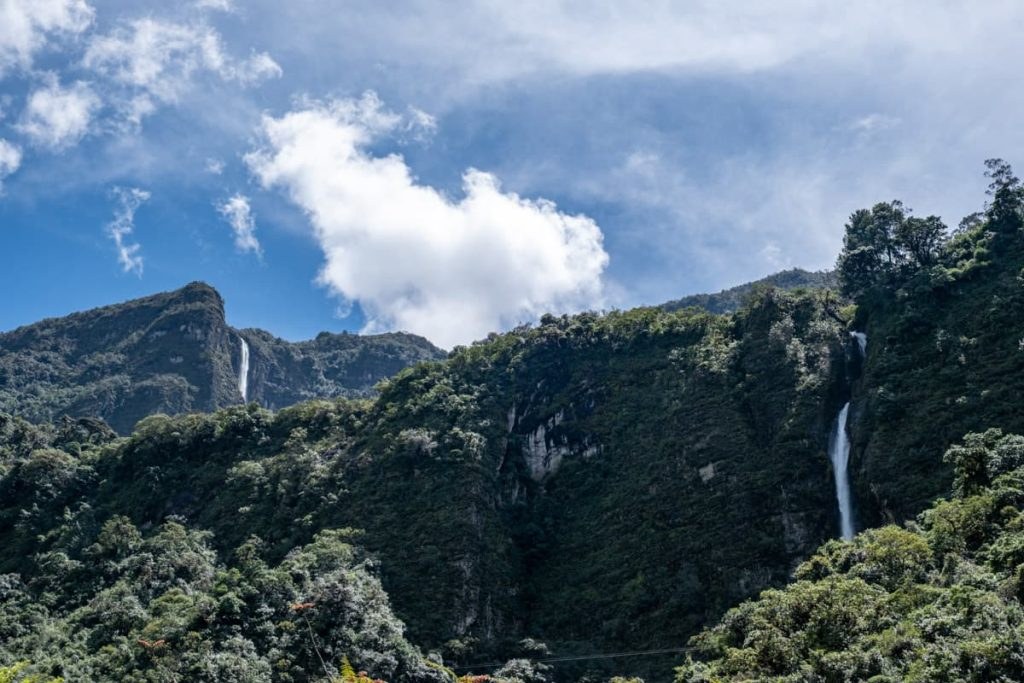
Afternoon: the Santo Domingo de Sisal (Cloud Forest Hike) (~$30–$60 with guide, verify when booking). Trails between 1,400 and 2,000 meters cut through dense cloud forest alive with orchids, hummingbirds, and the sound of water falling through canopy. It's a proper half-day trek — muddy, beautiful, and a world away from the colonial grid you started in.
Mansion Alcazar Boutique Hotel is the prestige pick — a restored colonial mansion with period furniture, garden courtyards, and service that feels personal (~$150–$250/night, verify when booking). ITZA Hotel Boutique Internacional offers a more contemporary design sensibility with equally central location (~$120–$180/night, verify when booking). Hotel Santa Lucia splits the difference — classic style, reliable comfort, excellent value (~$90–$140/night, verify when booking). All three put you within walking distance of the historic center.
Rent a car at CUE. The city center is walkable, but Days 3 and 4 require reaching Paute Valley, Cajas National Park, and cloud forest trailheads — none well-served by public transit. A compact SUV runs ~$40–$65/day (verify when booking). Roads are paved and well-signed; mountain sections are curvy but manageable. Fuel is cheap by international standards.
Skip the overpriced taxi tours hawked outside the New Cathedral — your rental car and private guides outperform them in every way. The dry season (June–September) offers the clearest skies for highland hikes and the most reliable river levels for kayaking. October–November brings rain but also wildflowers and fewer visitors. Avoid Carnival week (February) unless you enjoy being pelted with water balloons by strangers — charming once, exhausting twice.
| Flights | 2 × $779 Economy | $1,558 live |
| Hotels | 4 nights × $107 luxury | ~$428 |
| Rental car | 4 days × $100 | ~$400 |
| Excursions | this itinerary, entry → guided | $712–$2,610 |
| Food | 4 days, fine dining | ~$560 |
| Trip total | $3,658–$5,556 |
We may earn a commission when you book through these links, at no extra cost to you. Prices and availability are set by each partner.
Cruises that call within reach of Cuenca — each one opens as a full plan of its own: where to fly in, every port, and what the week runs.

Some links are affiliate links — we may earn a commission at no extra cost to you. See our Terms.