Tuscan Wine & Culture Road Trip
There's a version of Tuscany that exists beyond the Uffizi queue and the Ponte Vecchio selfie — one where you're standing inside a Benedictine monastery watching morning light move across Luca Signorelli's frescoes, or pulling into a hilltop town where the main piazza is a Roman thermal pool. This is a four-day itinerary that takes Florence seriously, then leaves it behind for the wine country and eroded ridgelines of the south. You'll need a car, a loose appetite, and the good sense to fly in rested.
Fly into Florence Airport (FLR), the compact gateway that puts you twenty minutes from the city center. FLR handles nonstop and one-stop connections from most major hubs, and a business-class seat on the transatlantic leg makes a real difference — you land mid-morning, alert enough to actually enjoy the first afternoon instead of losing it to jet lag. The terminal is small and civilized; you'll clear customs and reach your rental car desk in under thirty minutes.
Business from $2,870 roundtrip from our cheapest gateway — check fares from your home airport →
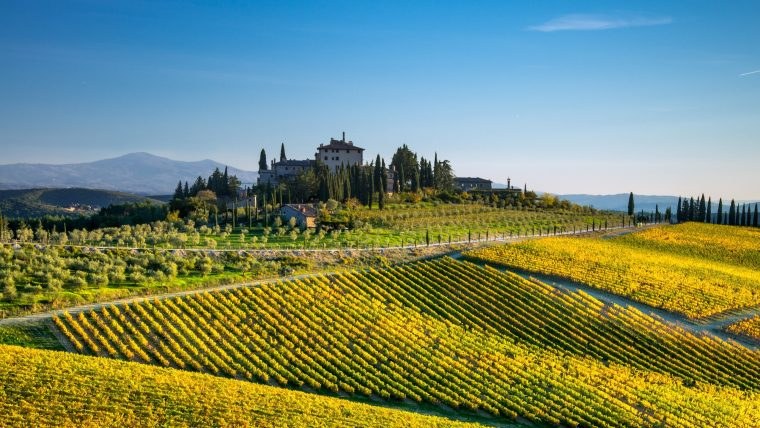
Morning & Afternoon: Chianti Classico — Fontodi Winery Tour & Cellar Tasting. Pick up your rental car at FLR and drive south into Chianti Classico, the storied subregion between Florence and Siena. Book a private tour at Fontodi, where the Manetti family farms organically in the Conca d'Oro amphitheater of vines. You'll walk the cellars, taste current and library vintages, and learn why Sangiovese grown in these specific soils carries a mineral backbone most imitators can't replicate (~$80–$150 per person for a private tasting experience, verify when booking).
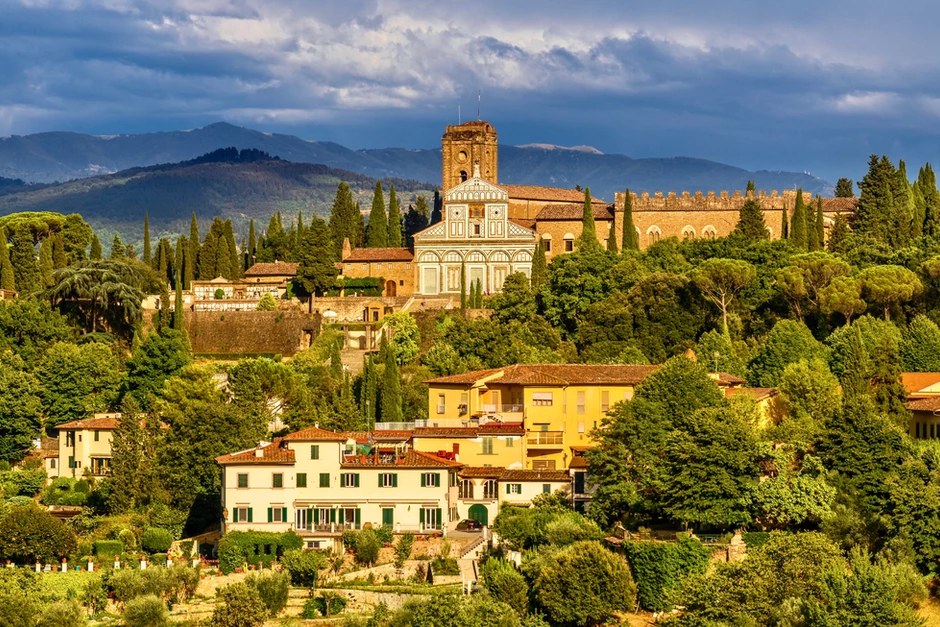
Late Afternoon: San Miniato al Monte — Sunset at Florence's Oldest Church. Drive back into Florence in time to climb the hill south of the Arno to this 11th-century basilica, its white-and-green marble façade glowing in the low light. The terrace offers the definitive panorama — Duomo, Palazzo Vecchio, the river — without the crowds of Piazzale Michelangelo just below. Free entry; arrive by 7 p.m. in summer.
Evening: Secret Rooftop Aperitivo — Palazzo Vecchio. Arrange in advance a private sunset aperitivo on Palazzo Vecchio's restricted rooftop terraces. This requires coordination with the municipality, but the result is an unobstructed view of Brunelleschi's dome at golden hour, Negroni in hand, with no one else around (~$100–$250 per person depending on group size and catering, verify when booking).
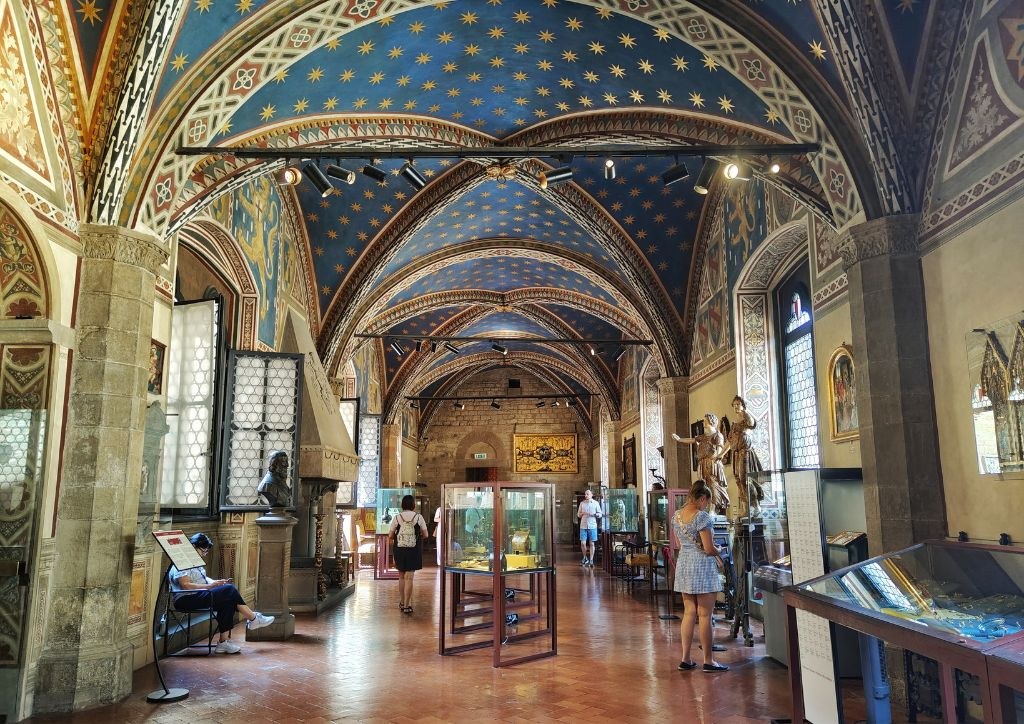
Morning: Bargello Museum — Sculpture Intensive. Before the tour buses arrive, walk to Via del Proconsolo, 4 and enter the Museo Nazionale del Bargello. This 13th-century fortress holds Donatello's bronze David, Ghiberti's and Brunelleschi's competing Baptistery panels, and Michelangelo's early Bacchus — the Renaissance breakthrough in three dimensions. Budget an unhurried ninety minutes (~$12–$15 entry, verify when booking).
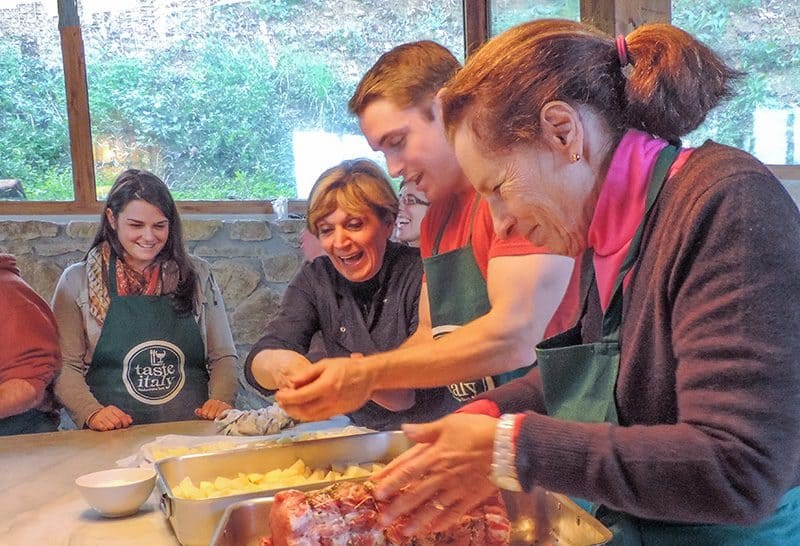
Late Morning: Trattoria da Tito — Multi-Generational Family Cooking Class. Cross town for a hands-on session with the family behind Trattoria da Tito. You'll roll fresh pappardelle, learn the theology of bistecca alla fiorentina (high heat, no marinade, good salt), and sit down to eat everything you've made with a carafe of house red (~$100–$180 per person, verify when booking).
Afternoon: Drive to Val d'Orcia. Head south on the SS2 or the Autostrada toward Montalcino. The drive takes roughly two hours, and the landscape shifts dramatically — cypress-lined ridges, clay hillsides, golden wheat fields. Check in near Pienza or Bagno Vignoni for two nights.
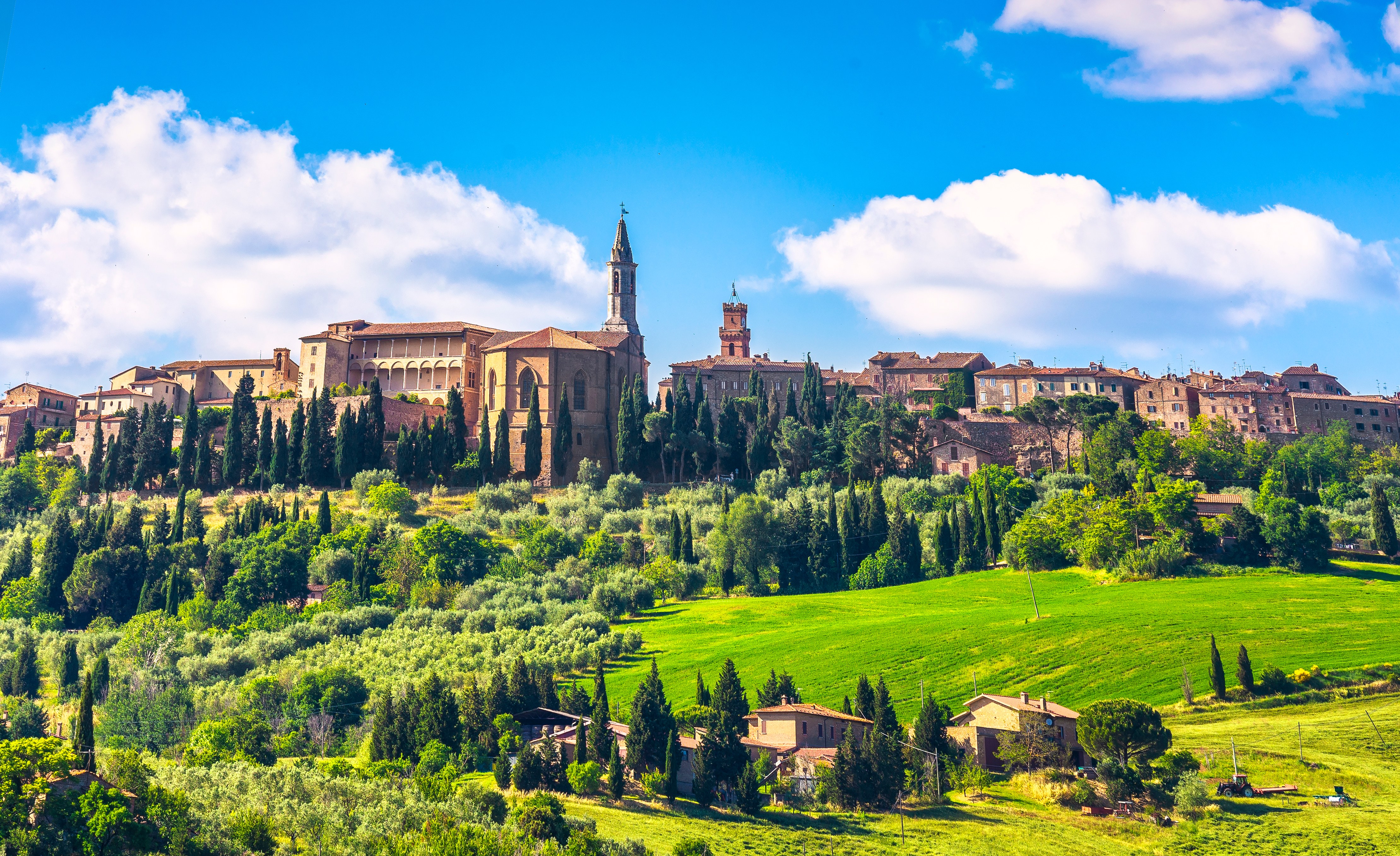
Morning: Pienza — Renaissance Ideal City Walking Exploration. Start in Pienza, the UNESCO World Heritage town that Pope Pius II commissioned as a humanist urban experiment. Walk the Corso, visit the Duomo and the Palazzo Piccolomini, and buy aged pecorino from one of the shops lining the main street. The town is small — two hours is plenty (~free to walk; Palazzo Piccolomini entry ~$5–$8, verify when booking).
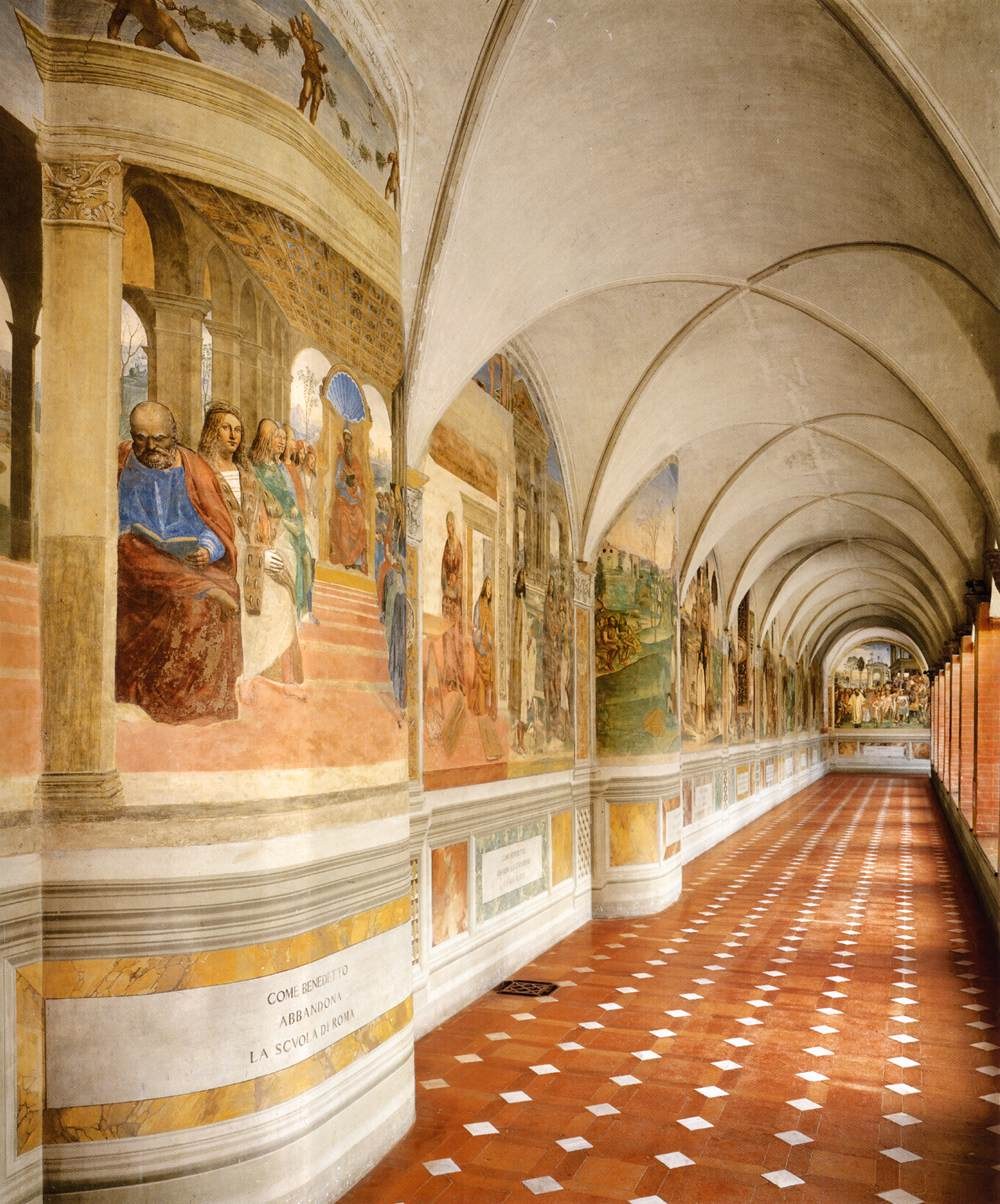
Mid-Morning: Abbazia di Monte Oliveto Maggiore — Luca Signorelli Frescoes & Monastic Silence. Drive twenty minutes north to this Benedictine abbey set among cypress forests. The Great Cloister holds a stunning fresco cycle by Signorelli and Sodoma depicting the life of St. Benedict. The silence here is deliberate and complete (~$3–$5 suggested donation, verify when booking).
Lunch stop: Montalcino — Brunello di Montalcino in Context of Medieval Fortress. Continue to Montalcino's 14th-century fortress, where you can taste Brunello — a wine that must age five years before release — inside the ramparts. Pair it with local salumi and the long view over the Crete Senesi (~$15–$30 for a tasting flight at the fortress enoteca, verify when booking).
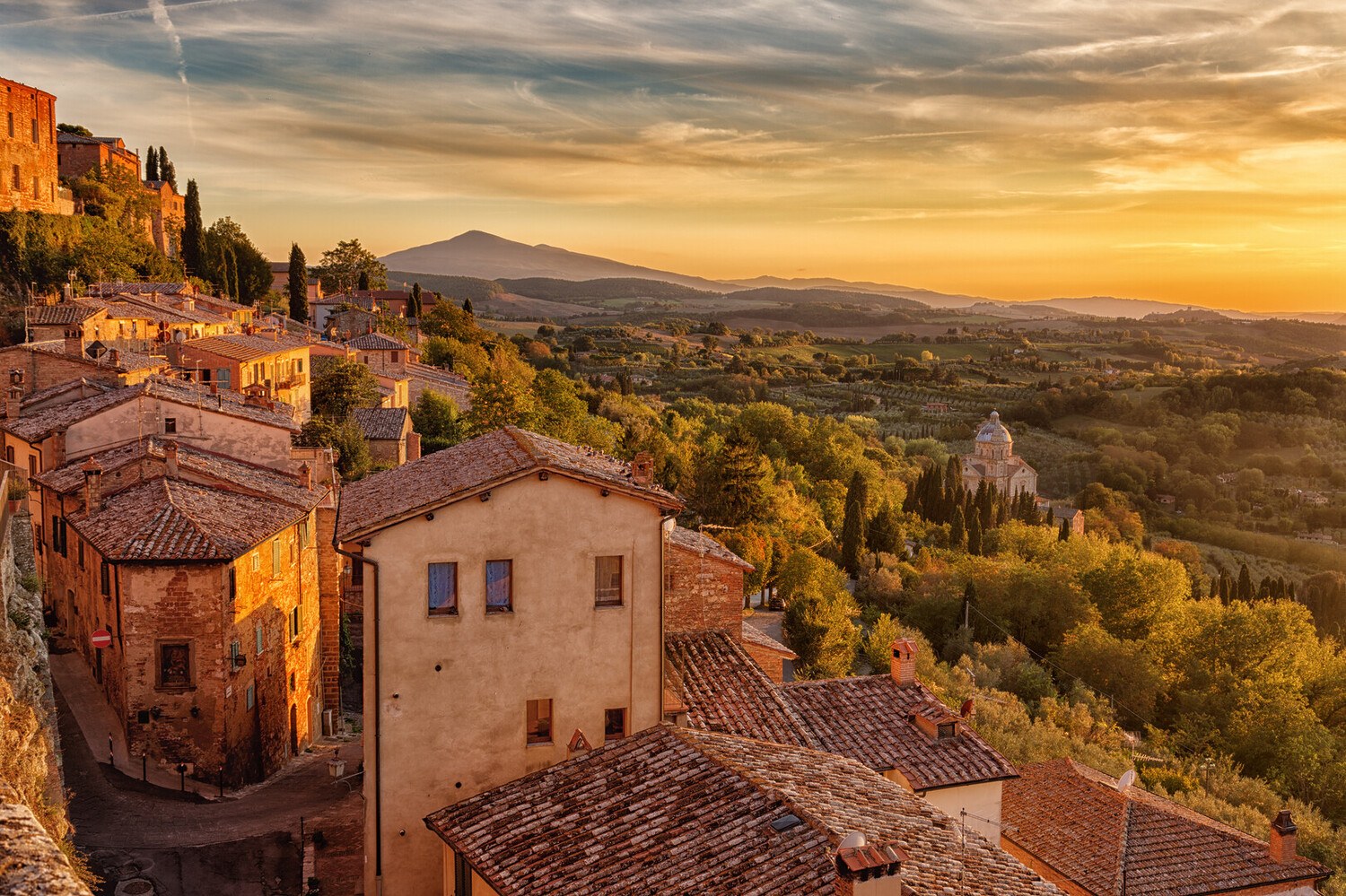
Afternoon: Montepulciano — Vino Nobile Cellars & Alto Etruscan History. Drive east to Montepulciano, where Renaissance-era cellars carved from travertine descend beneath the town's palazzi. Taste Vino Nobile underground, then walk up to Piazza Grande for an espresso (~$15–$25 for cellar tasting, verify when booking).
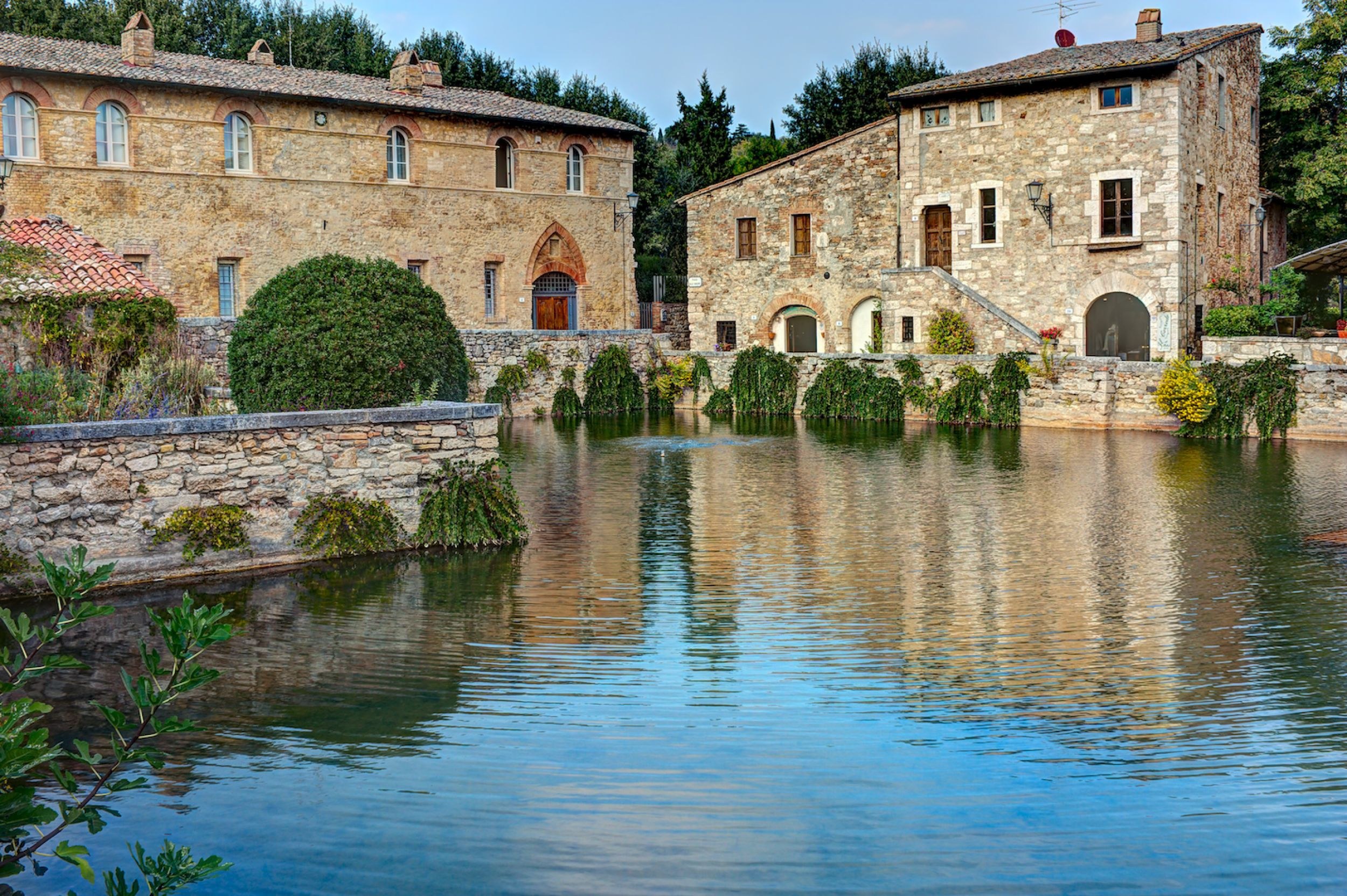
Evening: Bagni Vignoni — Natural Hot Springs & Medieval Piazza Spa. Return to Bagno Vignoni and soak in the ancient thermal waters. The village's main piazza is a rectangular pool fed by volcanic springs — you can't swim in the piazza pool itself, but several nearby establishments channel the same water into open-air pools (~$25–$50 for thermal bath access, verify when booking).
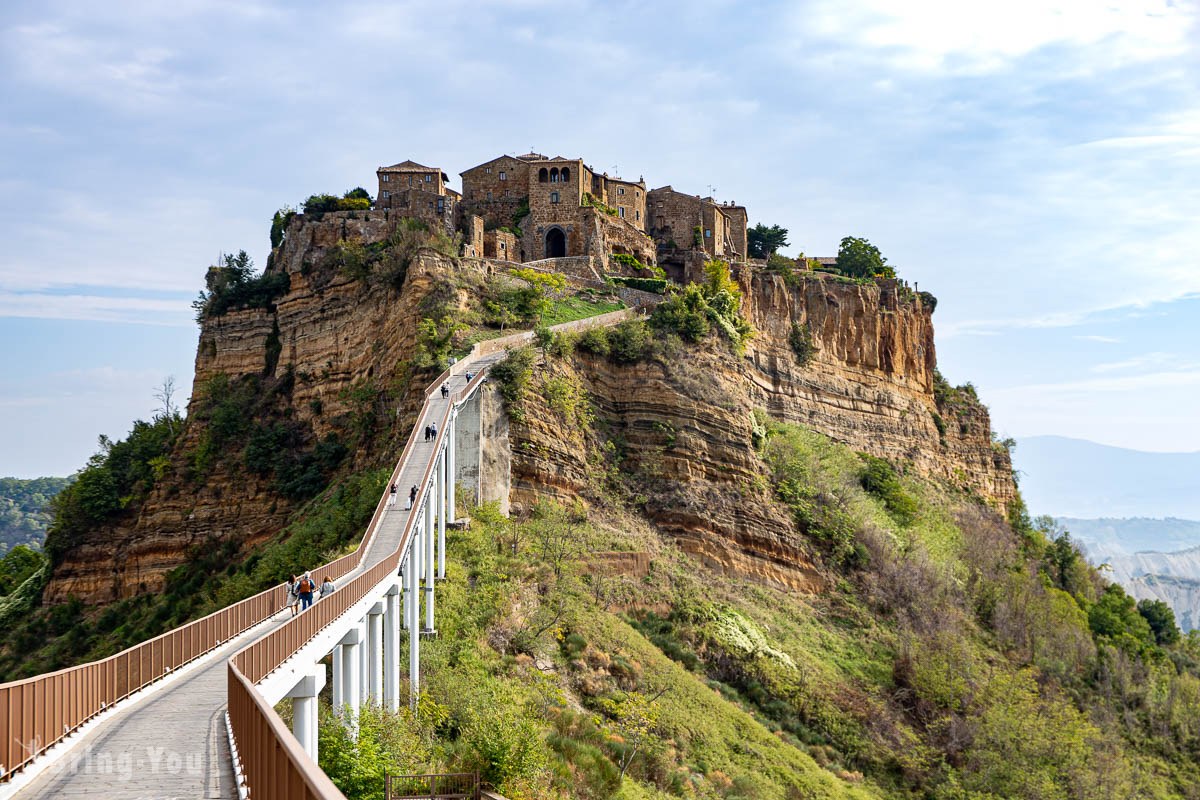
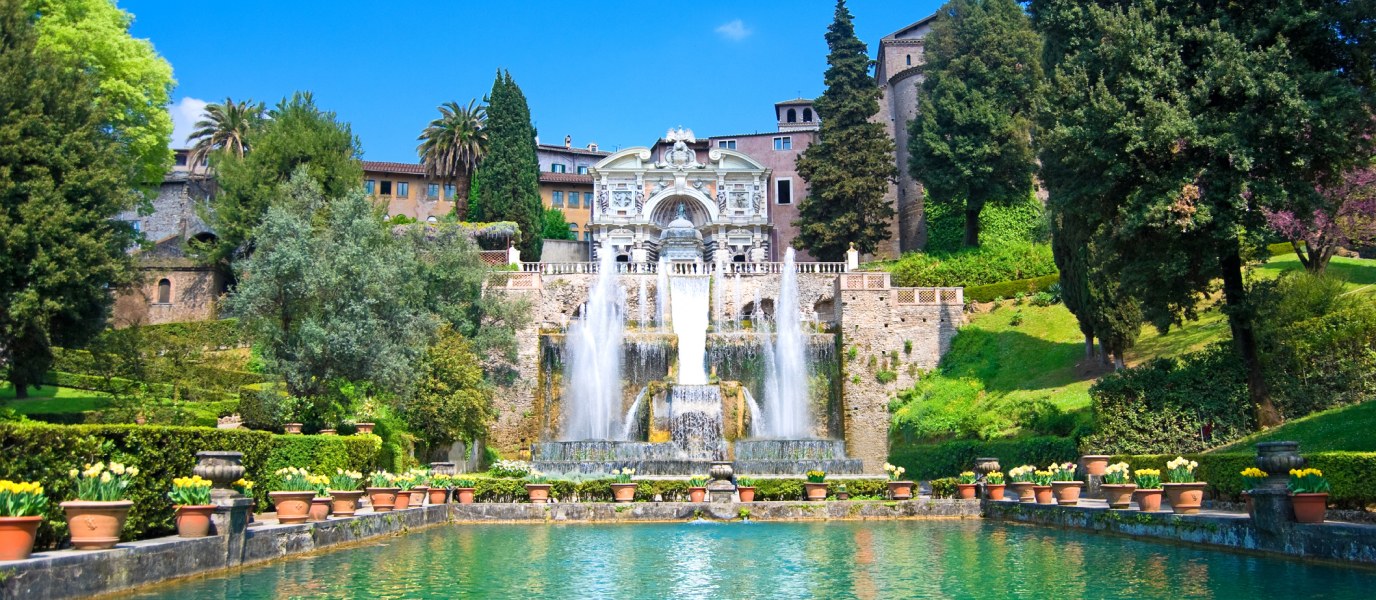
Day Trip: Civita di Bagnoregio — Eroded Hilltop Erosion Labyrinth / Villa d'Este, Tivoli. You have a choice. Drive south to Civita di Bagnoregio, the dying village perched on a crumbling tufa plateau, reachable only by a narrow pedestrian bridge (~$5 entry, verify when booking). Or push further to Tivoli, east of Rome, for Villa d'Este's extraordinary Mannerist water gardens at Piazza Trento, 5 (~$13–$16 entry, verify when booking). Both are roughly two to two-and-a-half hours from Val d'Orcia. Civita is the more dramatic half-day; Villa d'Este rewards a full afternoon. Return to Florence for a final dinner.
Hotel Spadai — a design-forward boutique in the historic center, steps from the Duomo (~$250–$400/night, verify when booking). Brunelleschi Hotel — built into a Byzantine tower and a medieval church, with a Michelin-starred restaurant on-site (~$350–$600/night, verify when booking). Four Seasons Hotel Firenze — the benchmark, set within an 11-acre Renaissance garden with a serious spa (~$900–$2,500/night, verify when booking). For Val d'Orcia nights, consider agriturismo properties near Pienza; your hotel concierge can arrange suitable options.
Rent a car at FLR. You'll want it from Day 1 onward — Chianti and the Val d'Orcia are poorly served by public transit, and the driving is half the pleasure. Book a compact SUV or a solid sedan; Tuscan back roads are well-paved but narrow. Be aware that Florence's ZTL (limited traffic zone) means you cannot drive into the historic center without a permit — park at your hotel's garage or the Fortezza da Basso lot and walk. Budget ~$60–$120/day for the rental including insurance, verify when booking.
Skip July and August unless you enjoy 95°F heat and maximum crowds in every hill town. The sweet spot is mid-April through mid-June or September through mid-October — mild weather, manageable tourism, and harvest energy in the vineyards. Skip the Uffizi on this trip; it deserves its own dedicated Florence stay. And don't bother with the Leaning Tower day trip — Pisa is fine, but your time is better spent in the Val d'Orcia.
We may earn a commission when you book through these links, at no extra cost to you. Prices and availability are set by each partner.
Cruises that call within reach of Florence — each one opens as a full plan of its own: where to fly in, every port, and what the week runs.
Some links are affiliate links — we may earn a commission at no extra cost to you. See our Terms.