Cultural Immersion & Night Adventures
There's a version of Kyoto most visitors never see — the one that reveals itself after the tour buses leave, when thousand-gate shrines glow under lantern light and mountain bonfires mark the passage of souls. This is a trip built around those hours: the pre-dawn hike, the midnight picnic, the quiet studio where a potter's wheel hums in the afternoon heat. Four days is enough to feel the city shift between its ancient rituals and its living, breathing craft traditions — and to eat extraordinarily well while you do it.
Fly into Kansai International Airport (KIX), which sits on its engineered island in Osaka Bay about 75 minutes from central Kyoto. Book premium economy for the inbound leg — on a 10-plus-hour transpacific crossing, the extra seat width, legroom, and actual meal service isn't a luxury, it's a strategy. You'll land rested enough to drive, which matters because you're picking up a car at KIX and heading straight into the hills. Most major carriers serve KIX nonstop or one-stop from North American and European hubs.
Premium economy from $1,884 roundtrip from our cheapest gateway — check fares from your home airport →
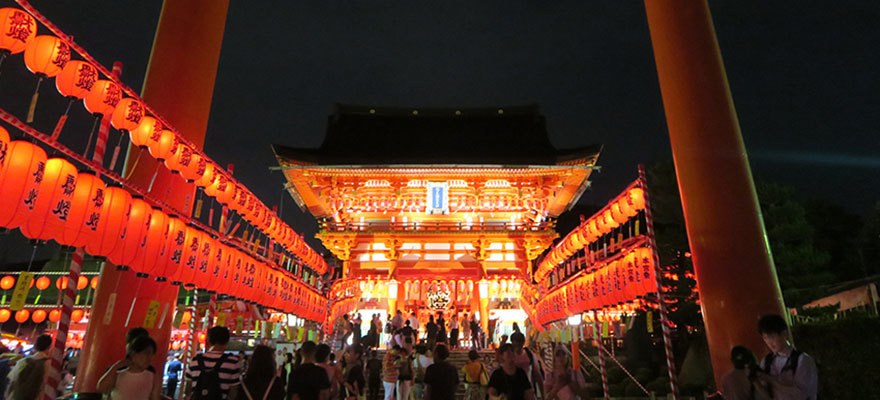
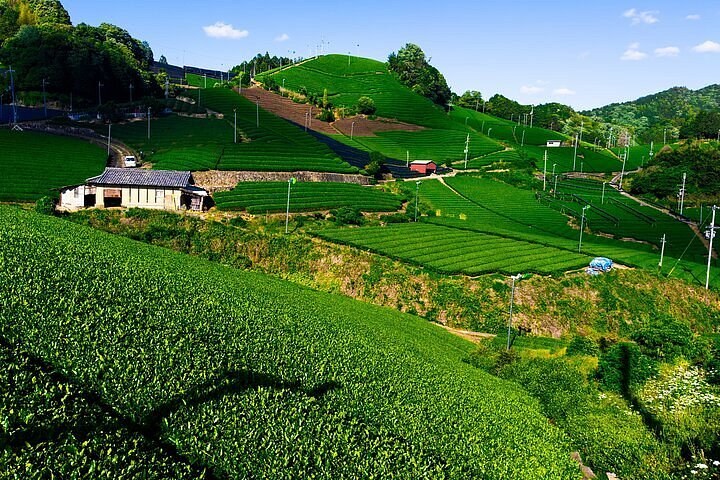
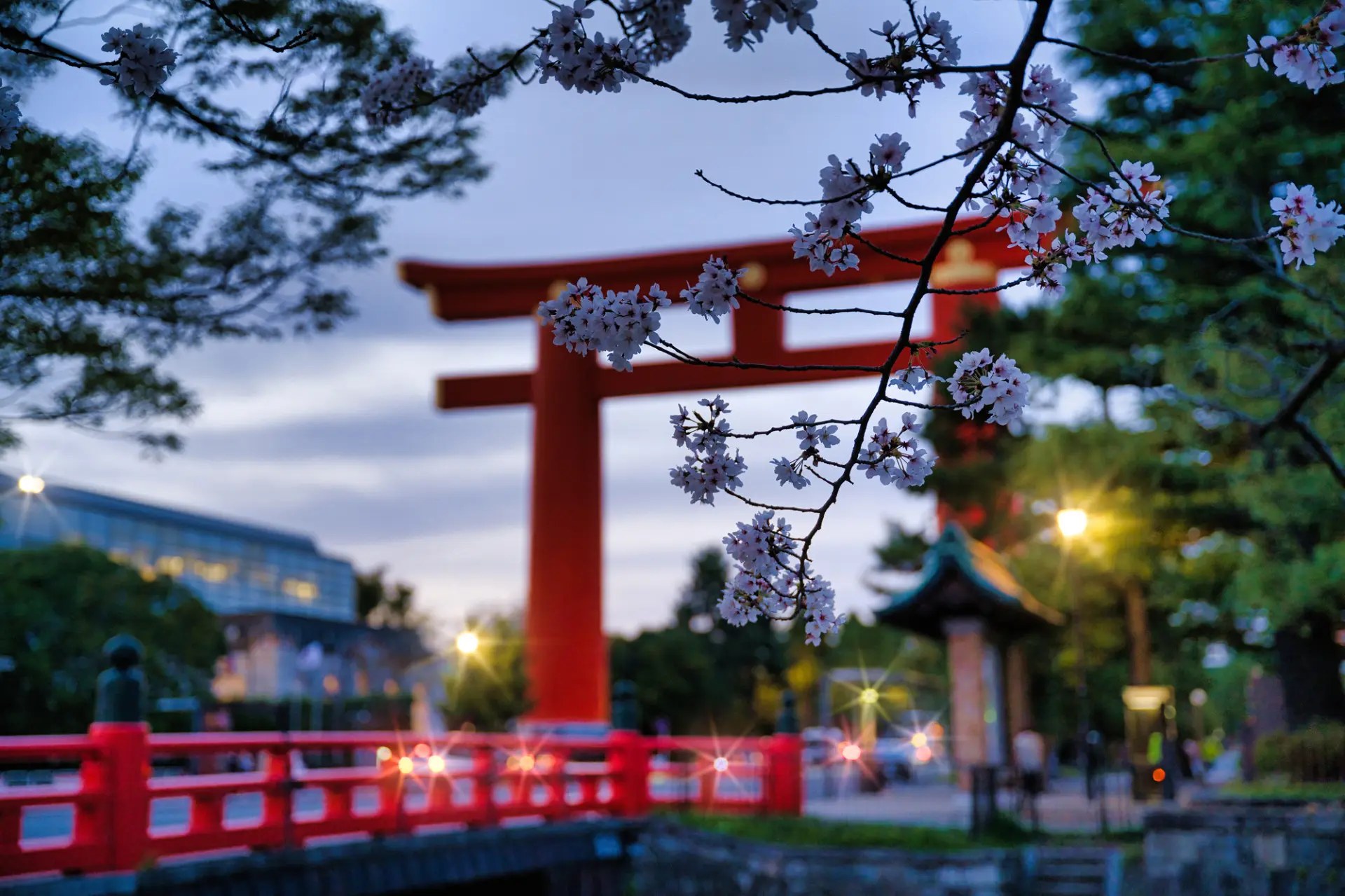
Collect your rental car at KIX and drive directly to Uji, 40 minutes south of central Kyoto. The Uji Tea Plantation Field Walk & Master Blending Class is the perfect jet-lag antidote: you'll walk shade-grown gyokuro fields with a farmer, learn leaf classification, and blend your own tea to take home (~$80–$120 per person, verify when booking). The caffeine doesn't hurt either. After the session, drive into the city and check in. Spend the late afternoon at the Heian Shrine Seasonal Festival Experience — time your trip for cherry blossom season (late March–mid April) or autumn leaf season (mid-November) to catch traditional Shinto rituals, costumed processions, and shrine garden access that feels genuinely sacred (~$15–$25 entry, verify when booking). That evening, drive or taxi to Fushimi Inari Taisha for the Fushimi Inari at Night: Lantern-Lit Hike. The shrine's ten thousand vermillion torii gates take on an entirely different character after dark — fewer crowds, warm lantern glow, the sound of your own footsteps on stone. The shrine grounds are free to enter; a guided night hike runs ~$50–$80 per person, verify when booking.
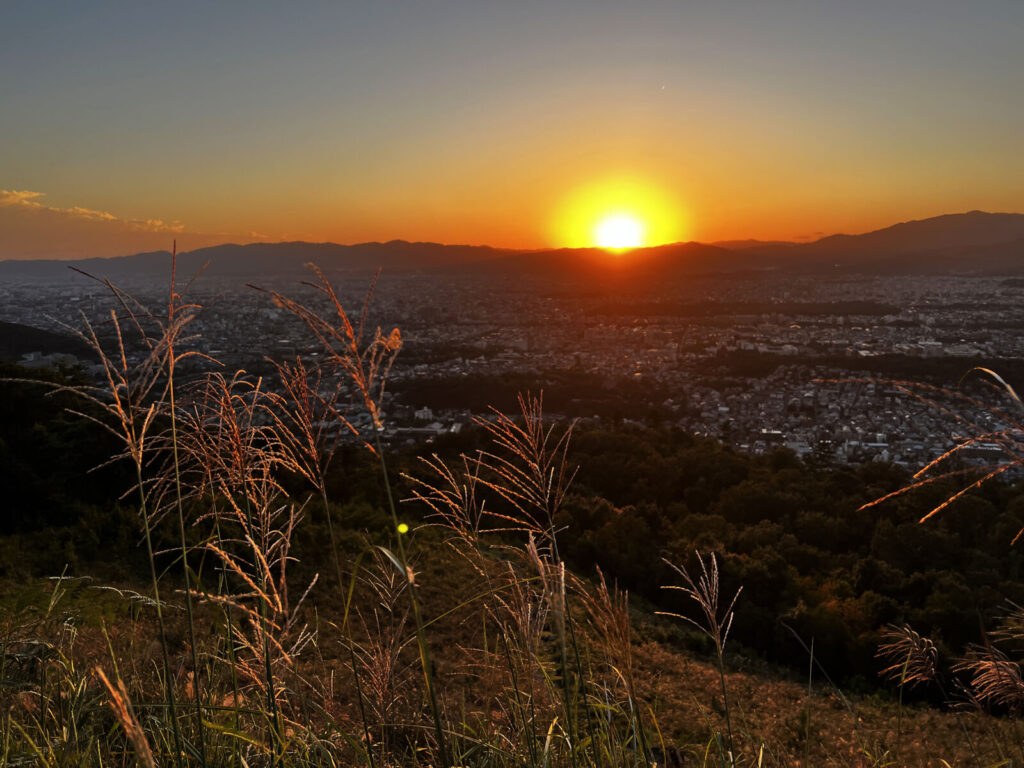
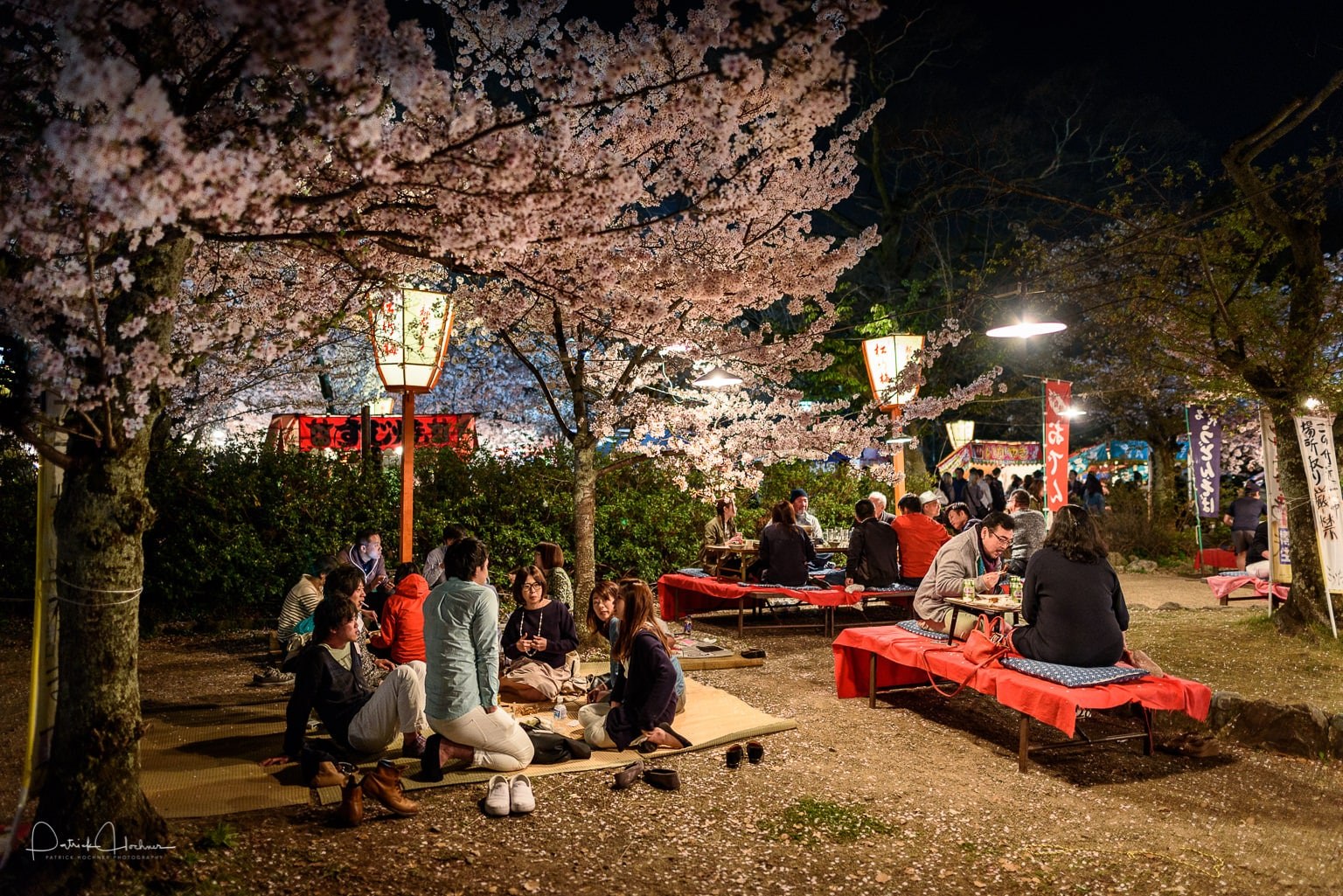
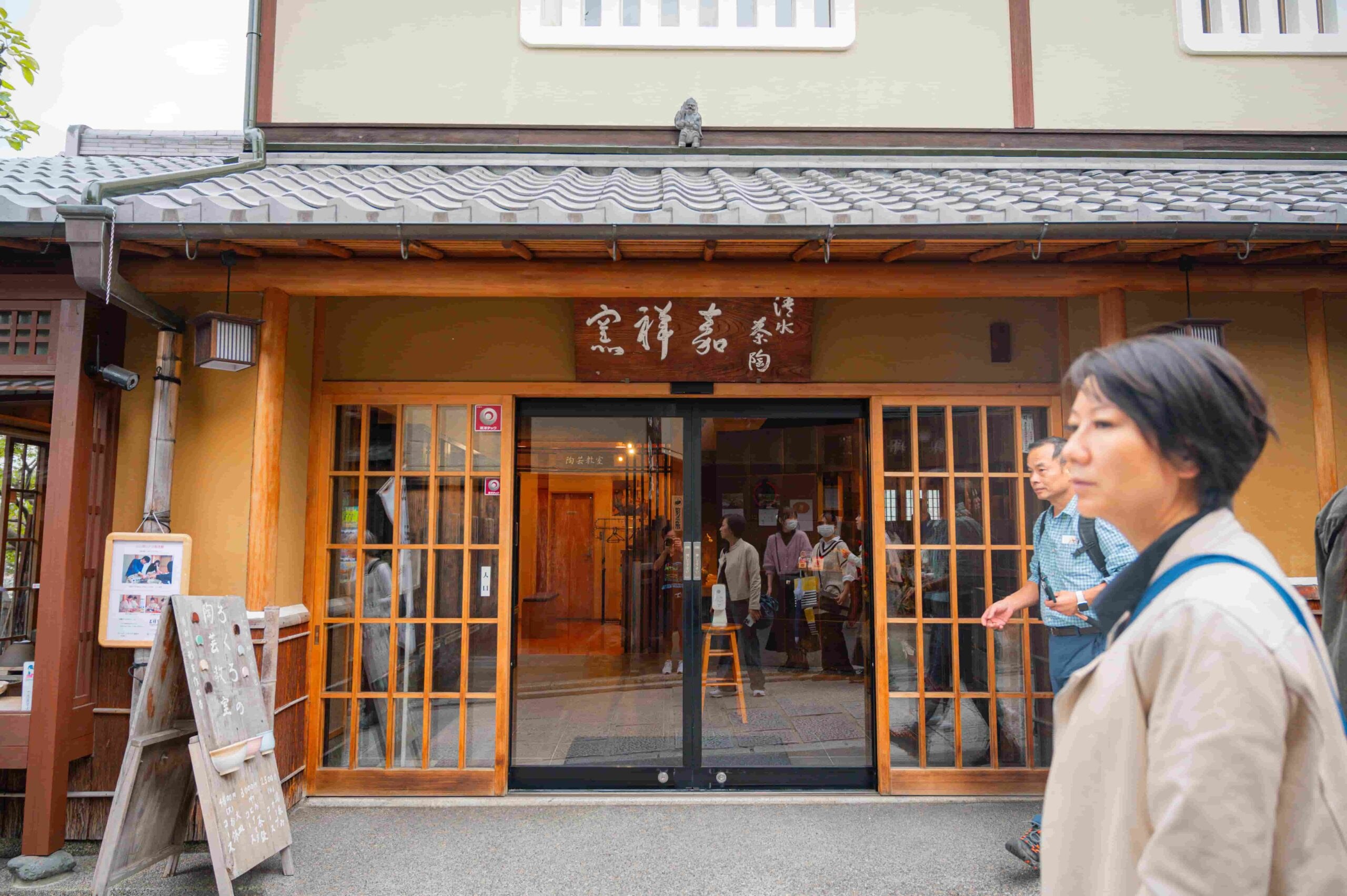
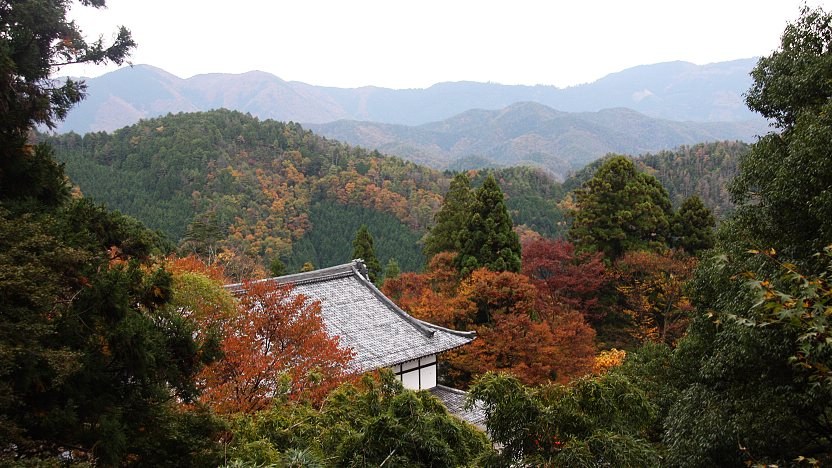
Set your alarm brutally early for the Mount Daimonji Sunrise Hike & Fire Festival Preparation. The trail up Daimonji is a 45-minute climb to one of the most iconic viewpoints in Japan — the hillside where the great 大 character is burned during the Gozan Okuribi on August 16th. Outside festival season, you'll have the summit nearly to yourself at dawn. During August, you may witness preparation for the fires themselves (~free to hike; guided experiences ~$40–$70, verify when booking). Descend and refuel with the Hyaku Sai Kaiseki Dinner & Tea Ceremony Experience — served as a long lunch in a private room overlooking a garden, with a post-meal tea ceremony performed by the head chef (~$150–$250 per person, verify when booking). In the afternoon, head to Gojo-zaka for the Omotesando Pottery Studio Apprenticeship, a half-day wheel-throwing and glazing session with a master ceramicist in one of Kyoto's most storied pottery districts (~$100–$160, verify when booking). Your pieces ship home after firing. End the day at Maruyama Park Night Picnic & Star Gazing — bring bento and sake, settle under the famous weeping cherry tree (illuminated in season), and let the city quiet down around you (free entry; provisions ~$30–$50).
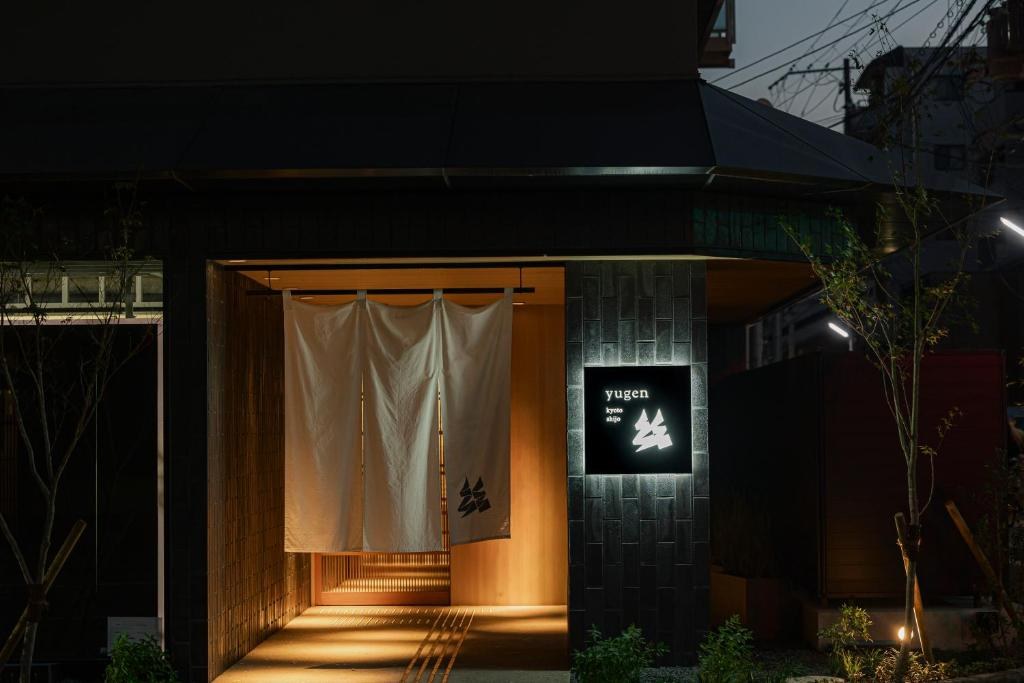
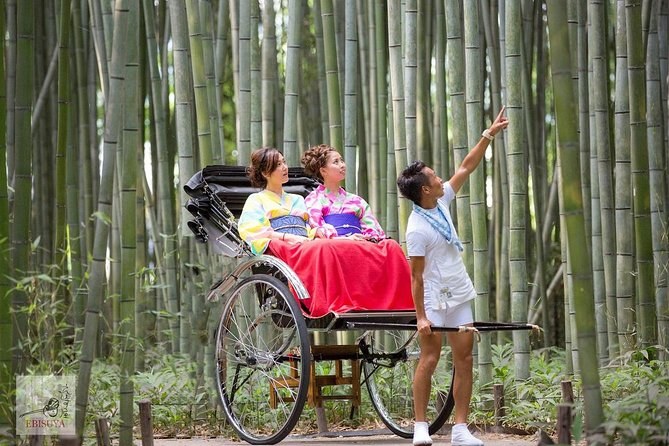
Drive north to Kurama for the Kurama Village Mountain Hike & Hidden Onsen: a forest trail through ancient cedar and cypress ending at a natural hot spring with mountain views, followed by a kaiseki lunch (~$80–$130 per person, verify when booking). Return to the city for the Arashiyama Sagano Rickshaw Ride Through Forest Paths, a traditional rickshaw journey through bamboo groves and temple grounds with storytelling pullers who know every turning (~$60–$100 for a 30–60 minute ride, verify when booking). That evening is the crown: Yugen Kaiseki & Sake Pairing at Historic Sumiya Brothel, a tour and dinner at the 250-year-old Uosaburo restaurant in Kyoto's Fushimi district — a Michelin two-star establishment housed in a registered historic landmark. Expect eight to twelve courses paired with local sake in rooms that haven't changed in centuries (~$250–$400 per person, verify when booking). This is a meal you'll reference for years.
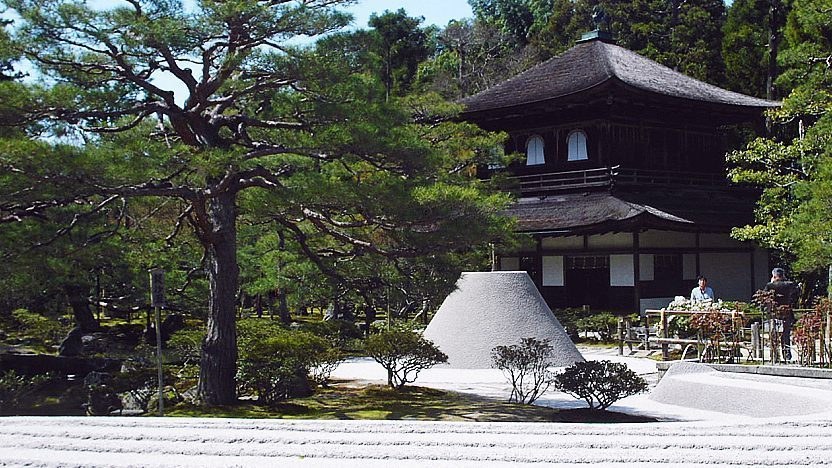
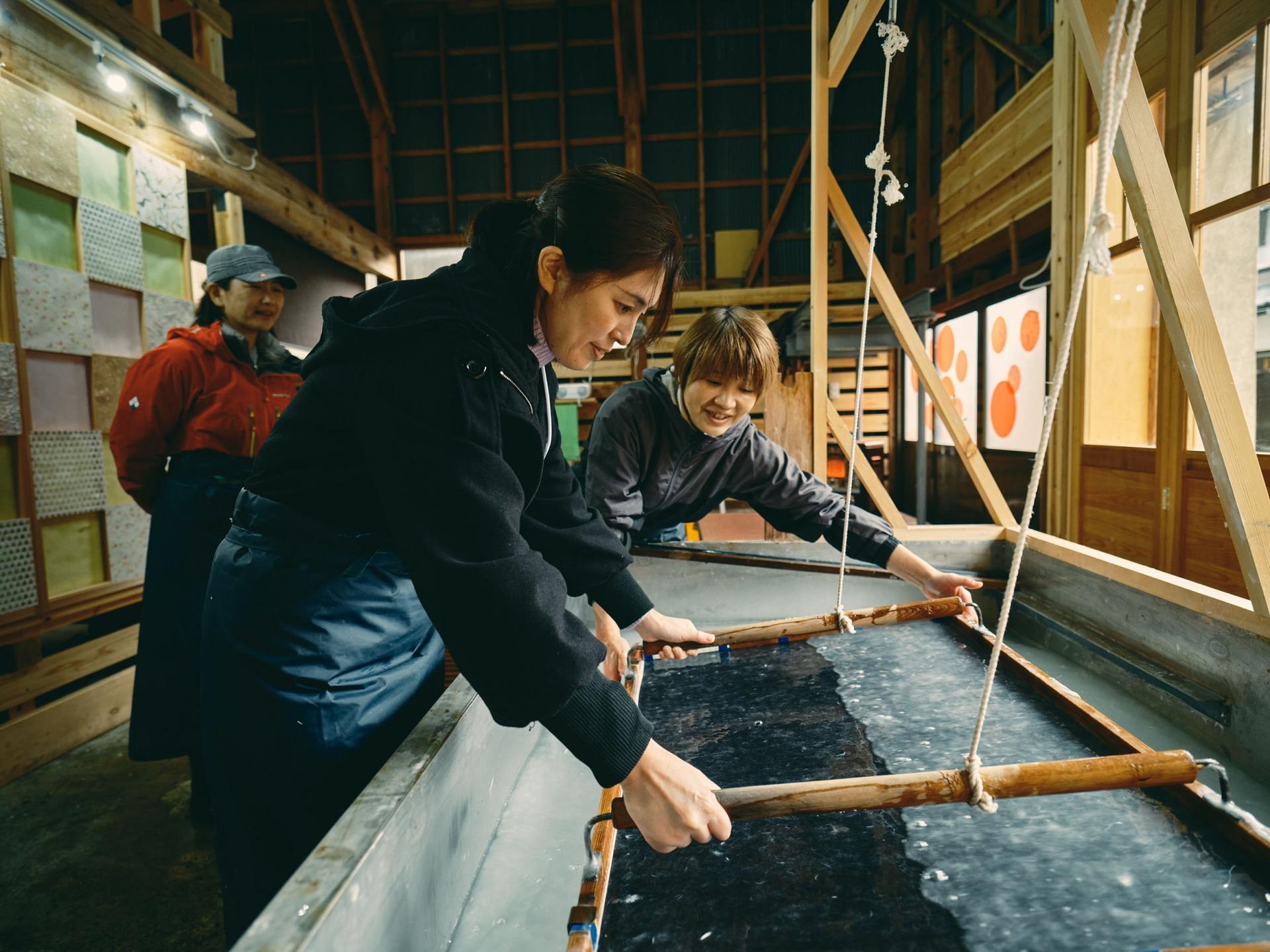
A gentler final morning. Visit Ginkaku-ji Temple Moon Viewing Ceremony — the Silver Pavilion, built in 1482 as a shogun's retirement villa, is one of Kyoto's most contemplative Zen spaces. Formal moon-viewing ceremonies are held seasonally; even a standard morning visit to the sand garden and moss paths is transcendent (~$10–$20 entry, verify when booking). Follow it with the Private Washi Paper-Making Workshop in the Kurotani area — hands-on creation of traditional washi using mountain water and mulberry fibers, guided by artisans practicing centuries-old techniques (~$70–$120, verify when booking). Drive back to KIX for your evening departure.
Three excellent options across different price points. Good Nature Kyoto is a design-conscious, sustainability-minded hotel on Shijo-dori with outstanding food halls below (~$200–$300/night, verify when booking). Mitsui Garden Hotel Kyoto Kawaramachi Jokyoji is built within a restored temple compound — genuinely striking architecture and a central location (~$180–$280/night, verify when booking). Dusit Thani Kyoto brings five-star Thai-Japanese hospitality near Kyoto Station with a rooftop bar and spa (~$350–$550/night, verify when booking).
Rent a car at KIX. You'll want it for the Uji and Kurama legs especially — public transport reaches both, but a car lets you control the timing on early-morning hikes and late-night returns. Expect ~$50–$80/day for a compact vehicle; parking in central Kyoto runs ~$15–$25/day at hotel or municipal lots (verify when booking). An international driving permit is required for most foreign licenses in Japan.
Skip the daytime Fushimi Inari crowds — you're going at night, which is the right call. Skip the Kyoto bus system during peak season; it's gridlocked. Drive or walk. Best timing: late March to mid-April for cherry blossoms at Maruyama Park and Heian Shrine, or mid-August to catch the Gozan Okuribi fire festival on Daimonji. November's autumn color season is stunning but extremely crowded — book hotels three months out. Summer is hot and humid; bring water for every hike.
| Flights | 2 × $1,884 Prem. Econ. | $3,768 live |
| Hotels | 4 nights × $408 luxury | ~$1,632 |
| Rental car | 4 days × $123 | ~$492 |
| Excursions | this itinerary, entry → guided | $662–$1,718 |
| Food | 4 days, fine dining | ~$800 |
| Trip total | $7,354–$8,410 |
We may earn a commission when you book through these links, at no extra cost to you. Prices and availability are set by each partner.
Cruises that call within reach of Kyoto — each one opens as a full plan of its own: where to fly in, every port, and what the week runs.
 Chase 65% Marriott Transfer Bonus Expires Tomorrow: The Category 8 Sweet Spots That Beat Direct Bonvoy Bookings by $800 Per Nighttravel
 Hyatt Award Chart Expands to 5 Tiers in May: The Category 8 Properties Getting 40% Price Cuts While Peak Season Rates Tripletravel
Some links are affiliate links — we may earn a commission at no extra cost to you. See our Terms.