Civic Pride & National Heritage
This is a trip for people who want to actually understand a capital city — its architecture of power, its collected memory, and the everyday systems that keep it moving. New Delhi was purpose-built to project authority, and that ambition is still legible everywhere you look. Over two full days, you move between the ceremonial and the curatorial, the sacred and the surprisingly nerdy, ending up with a genuinely rounded picture of how India chose to present itself to the world and to its own citizens.
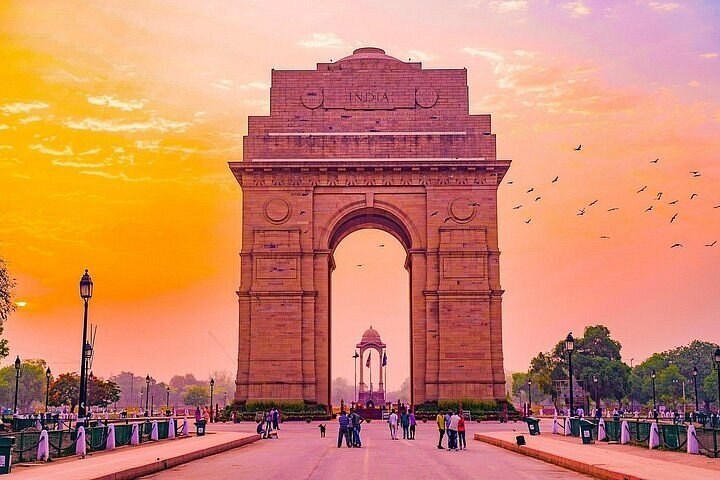
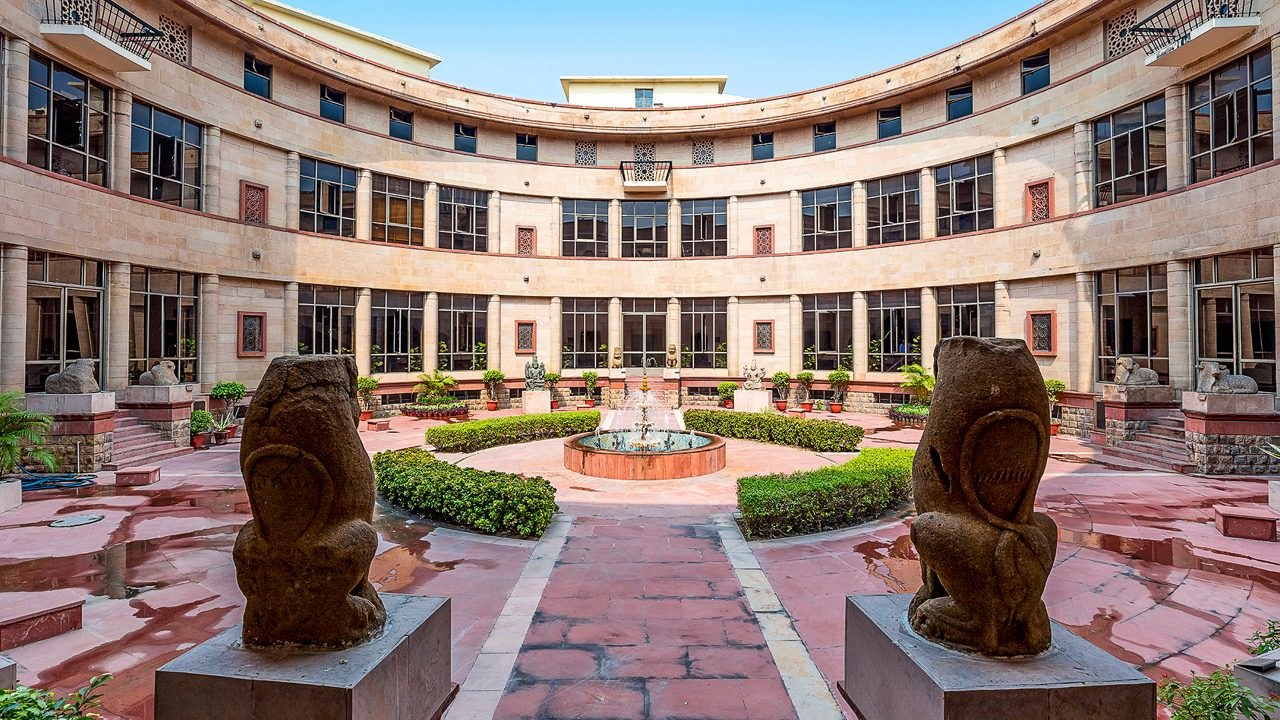
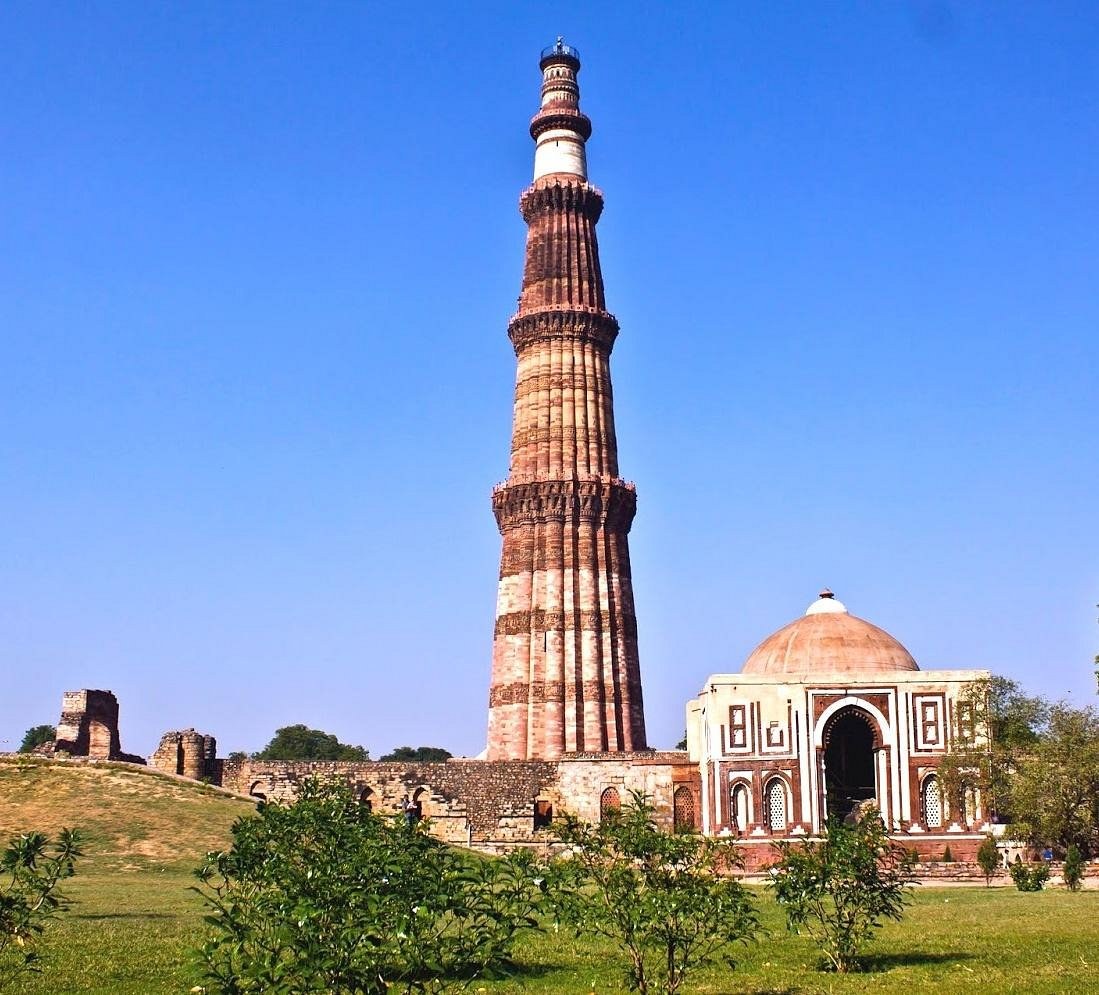
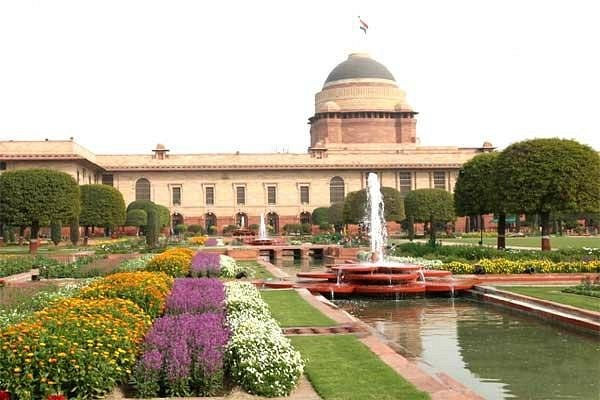
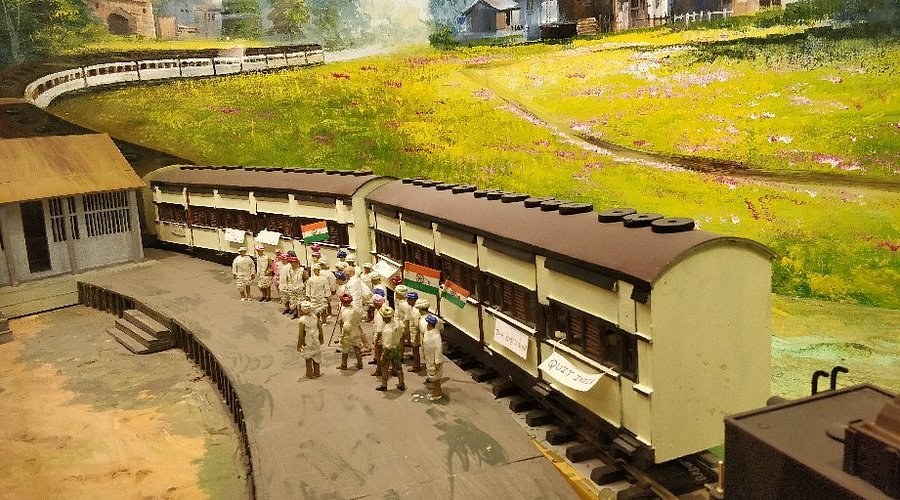
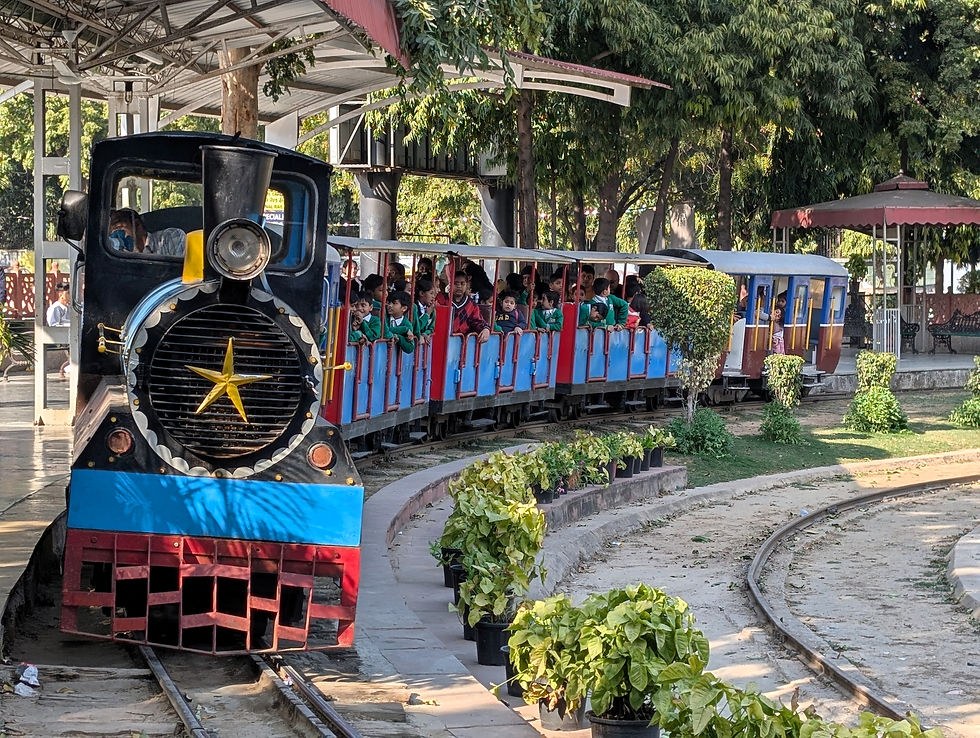
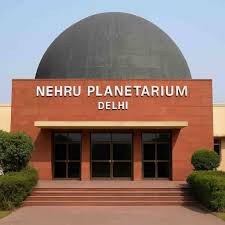
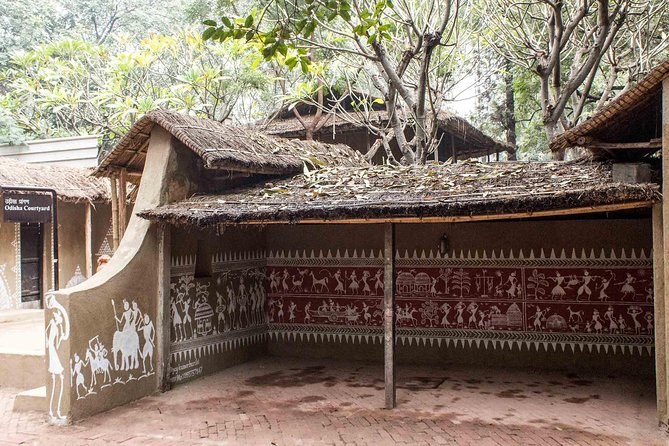
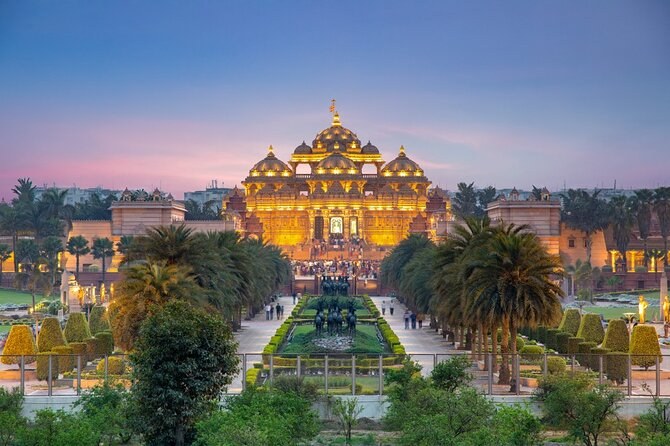
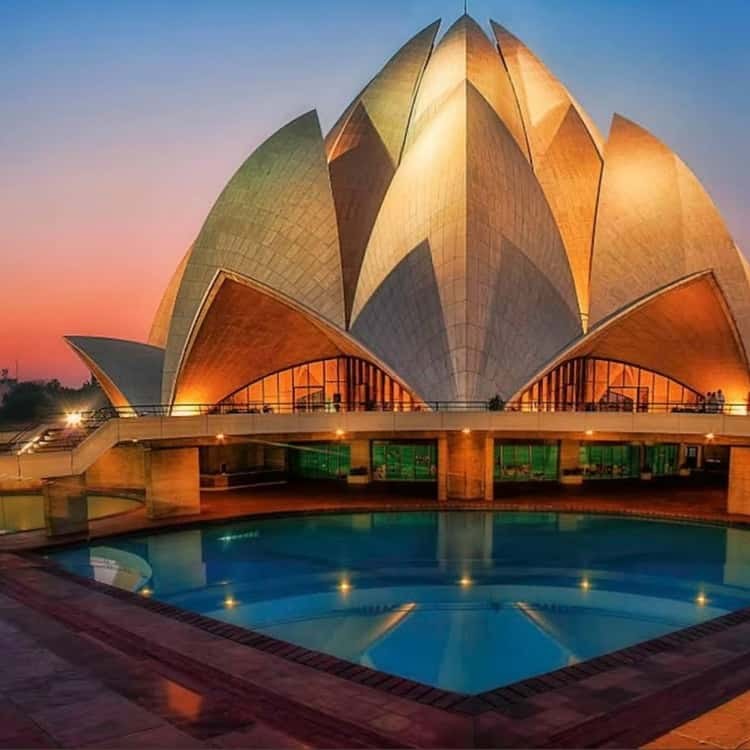
Start at India Gate and walk the Rajpath axis toward Rashtrapati Bhavan, booking the official tour in advance — the state rooms are worth it. The National Museum on Janpath deserves a solid half-day; don't rush the Indus Valley galleries. On day two, head south to Qutub Minar in the cooler morning hours before the site fills up, then double back for the National Rail Museum and the Delhi Transport Museum, which together make an unexpectedly compelling pair — one tracks colonial-era locomotives, the other bus tickets and tram maps. Late afternoon belongs to the National Handicrafts and Handlooms Museum, where the craft demonstrations are the real draw, not just the objects in cases. Close the trip at Akshardham or the Lotus Temple depending on your appetite for scale versus serenity, and squeeze in the Nehru Planetarium if you have children or a fondness for mid-century scientific optimism in architectural form.
We may earn a commission when you book through these links, at no extra cost to you. Prices and availability are set by each partner.
Some links are affiliate links — we may earn a commission at no extra cost to you. See our Terms.