Osaka's Sacred & Historic Core
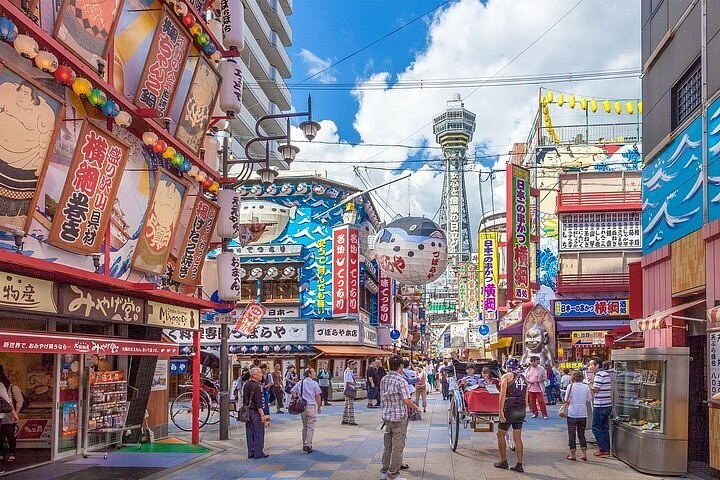
Osaka has a reputation as a city you visit purely to eat, and yes, the food is extraordinary — but the place also carries 1,400 years of political and religious weight that most visitors walk straight past. This itinerary is for the curious traveller who wants both: the temples and the takoyaki, the castle and the kitchen-supply street, the panoramic view and the quiet shrine courtyard. You don't need to choose between history and pleasure in this city, because here they've always coexisted on the same block.
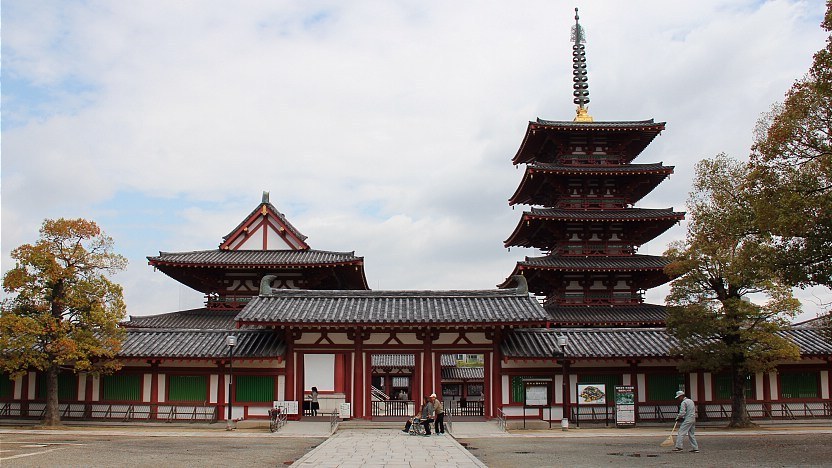
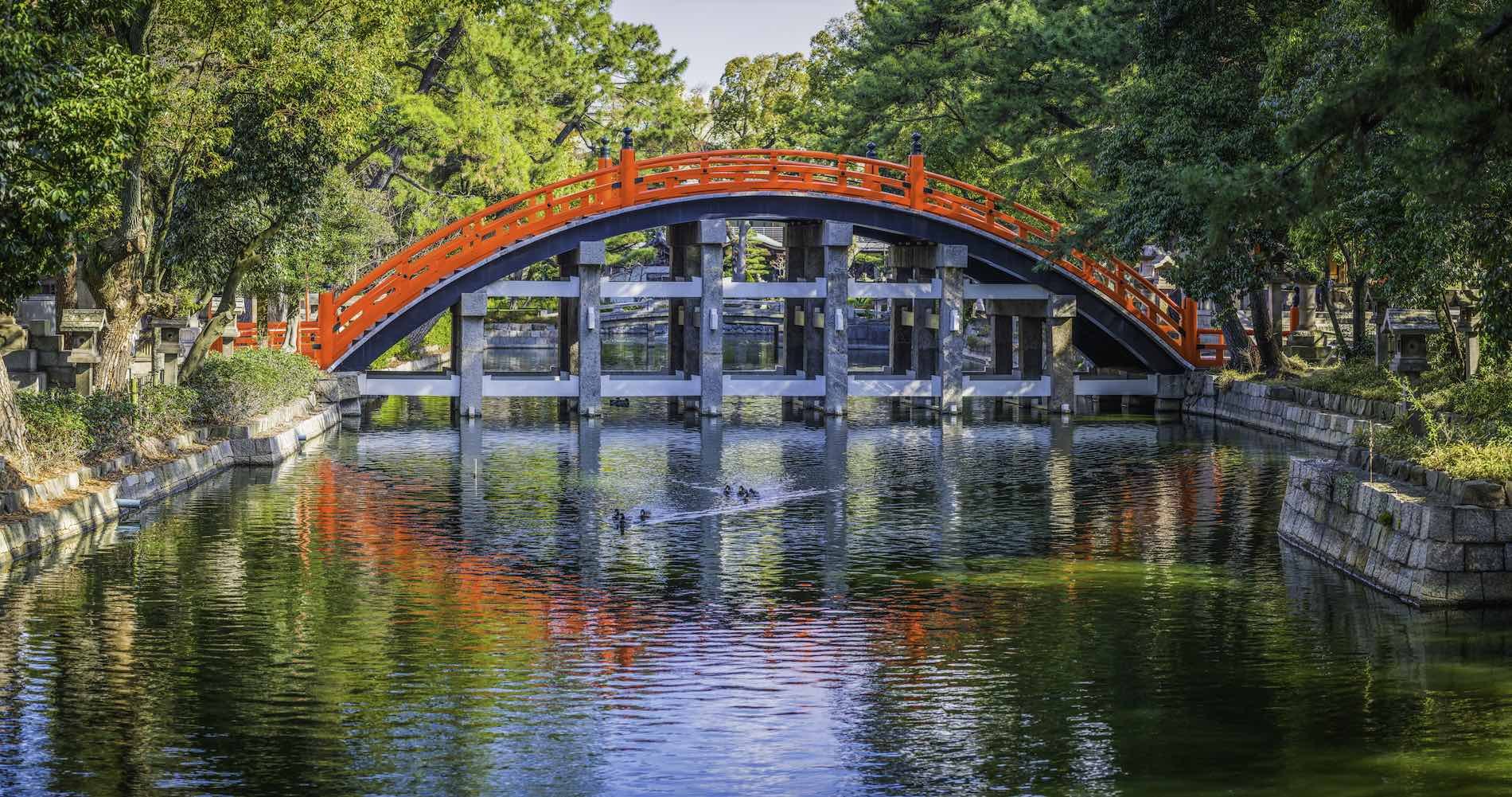
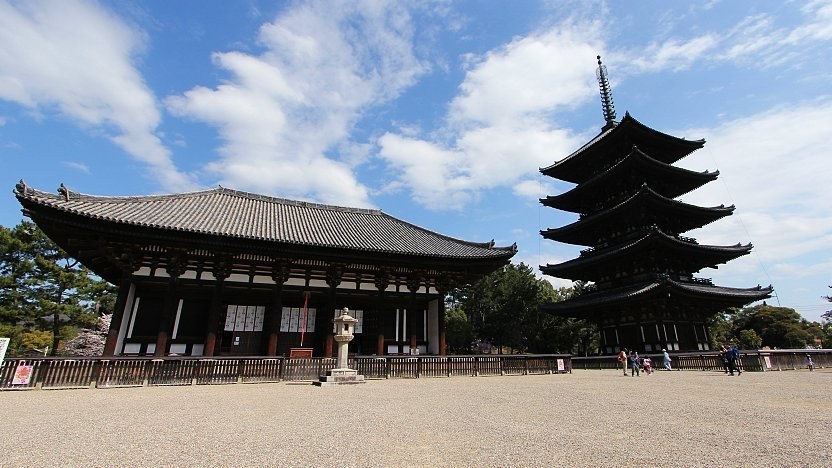
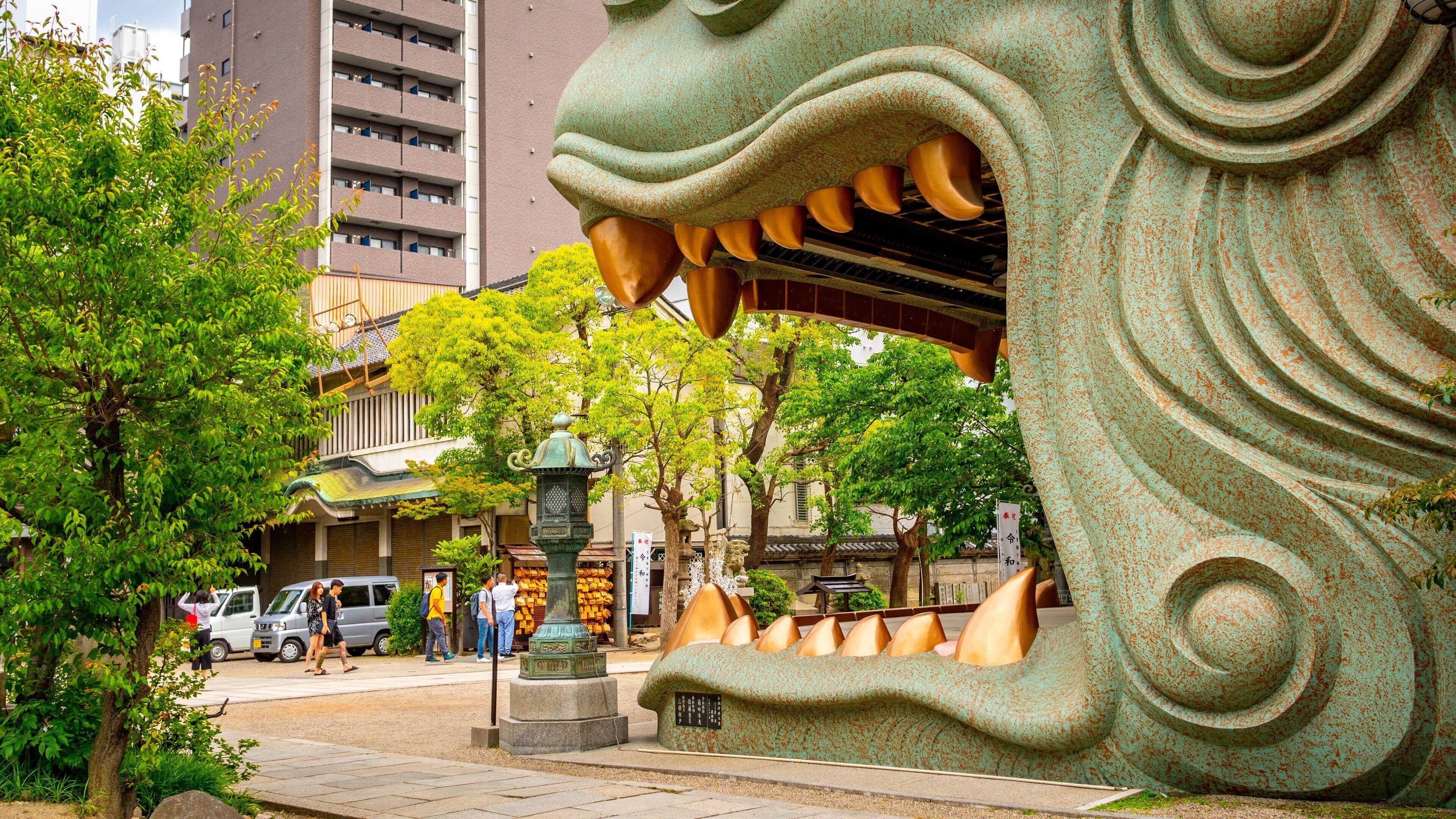
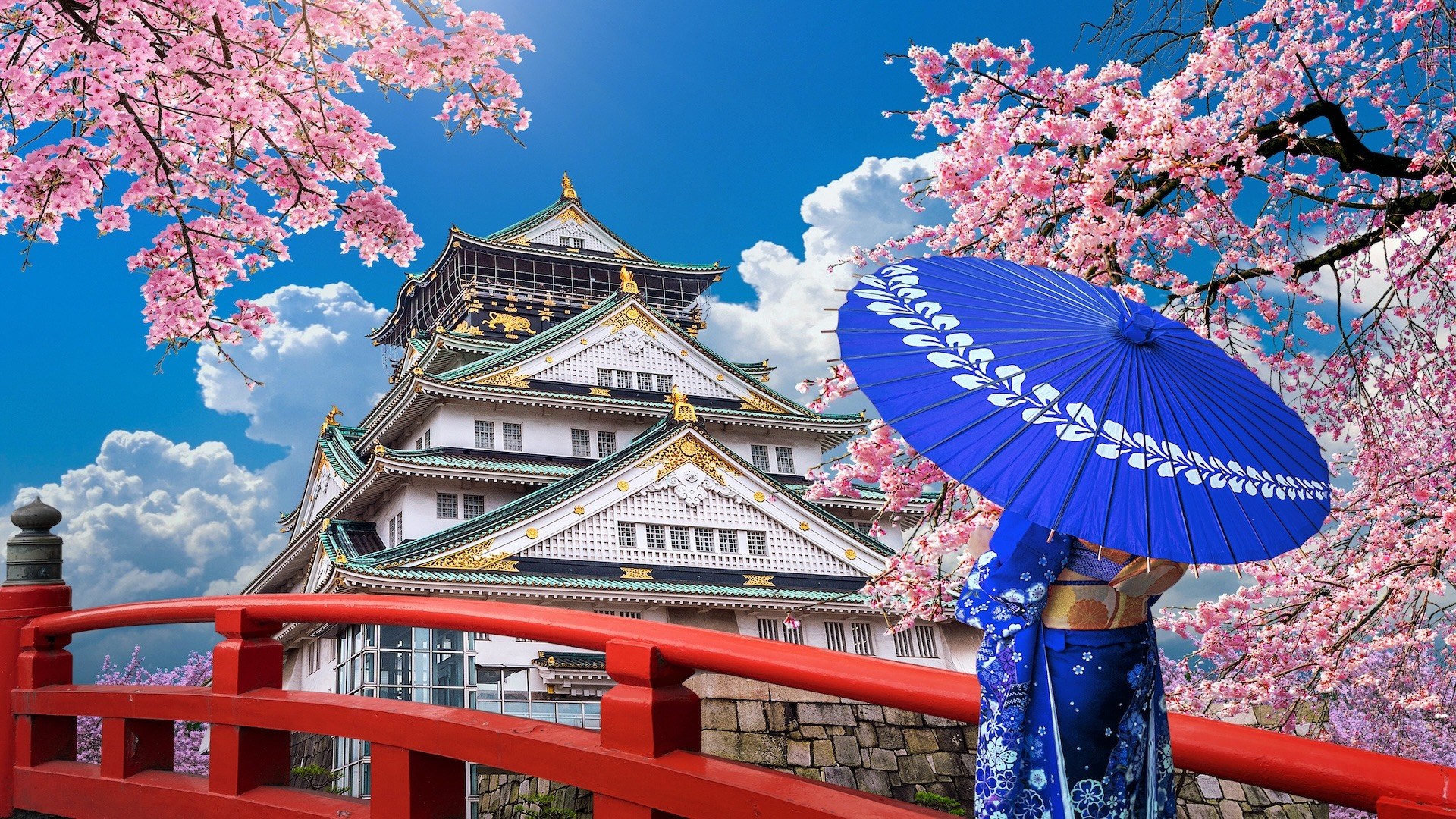
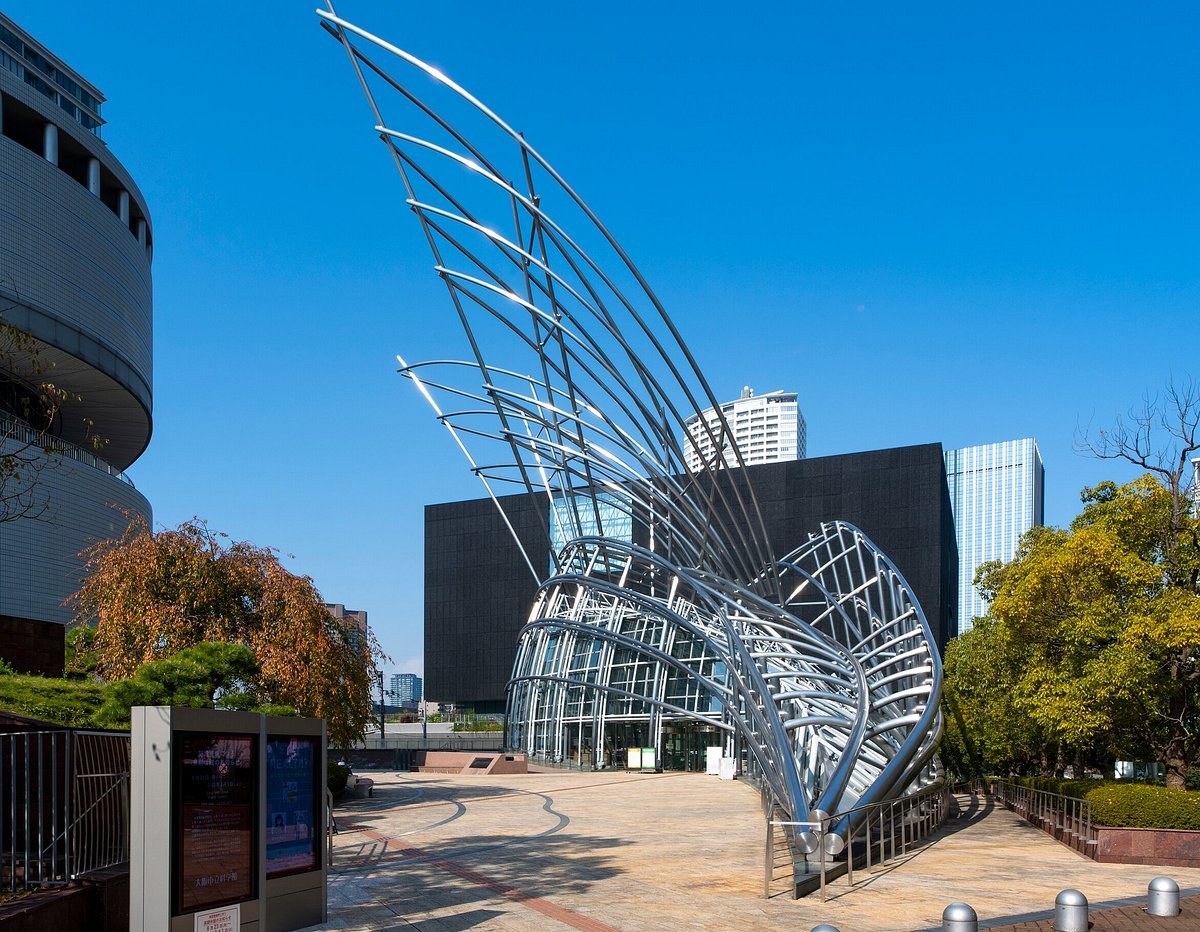
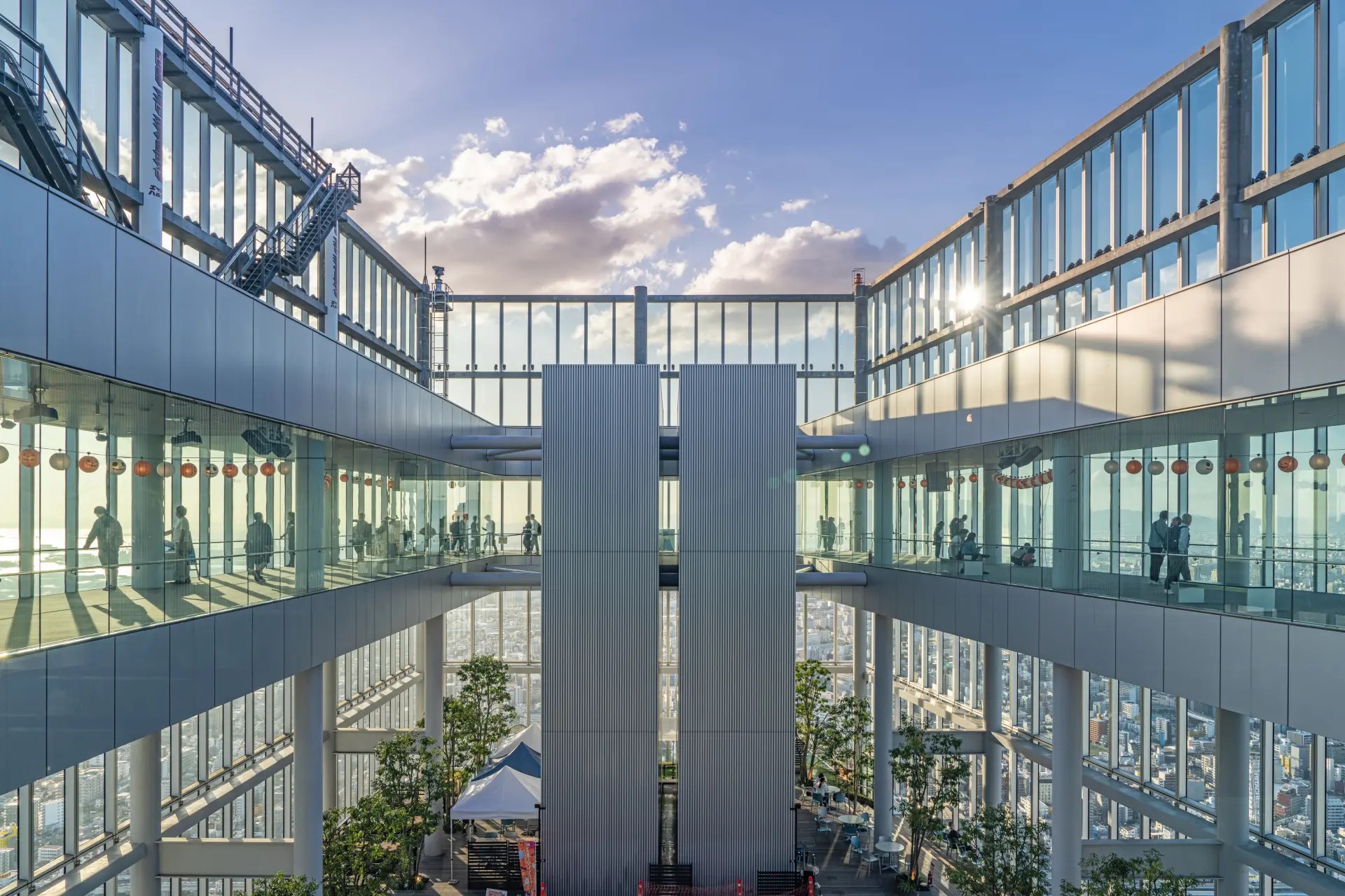
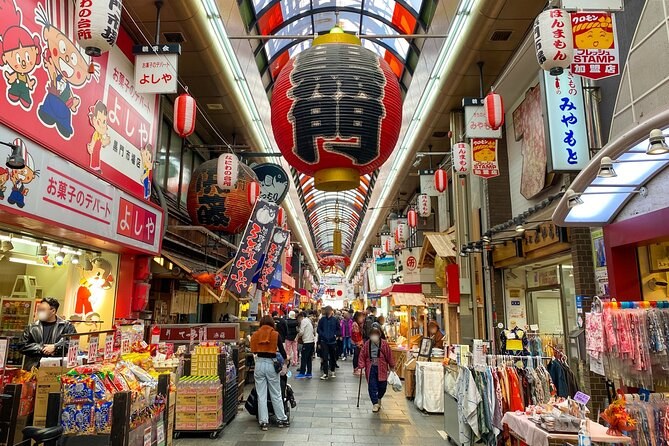
Spread across two or three days, start at Shitennoji, the oldest officially designated Buddhist temple in Japan, founded in 593 AD — the architecture alone is a history lesson. From there, work outward: Sumiyoshi Taisha's distinctive non-Chinese style predates most of what you'll see elsewhere in the Kansai region, while Kofukuji's Obaku Zen Chinese-style interiors feel like a deliberate counterpoint. Namba Yasaka Shrine earns its place on the itinerary not just for its striking lion-head stage but for its deep roots as the local tutelary shrine of the Namba area. Osaka Castle and the Museum of History sit together logically — do the museum first for context, then walk across to the castle itself. The Osaka Museum of Art, freshly renovated, rounds out the cultural weight of the trip. End each day the way Osaka insists you do: wandering Kuromon Market for lunch ingredients you'll eat standing up, and browsing Doguya-suji, where the city's obsession with cooking becomes a genuinely compelling retail experience. Harukas 300 gives you the geography from above — useful orientation, never just a tourist box to tick.
We may earn a commission when you book through these links, at no extra cost to you. Prices and availability are set by each partner.
Cruises that call within reach of Osaka — each one opens as a full plan of its own: where to fly in, every port, and what the week runs.

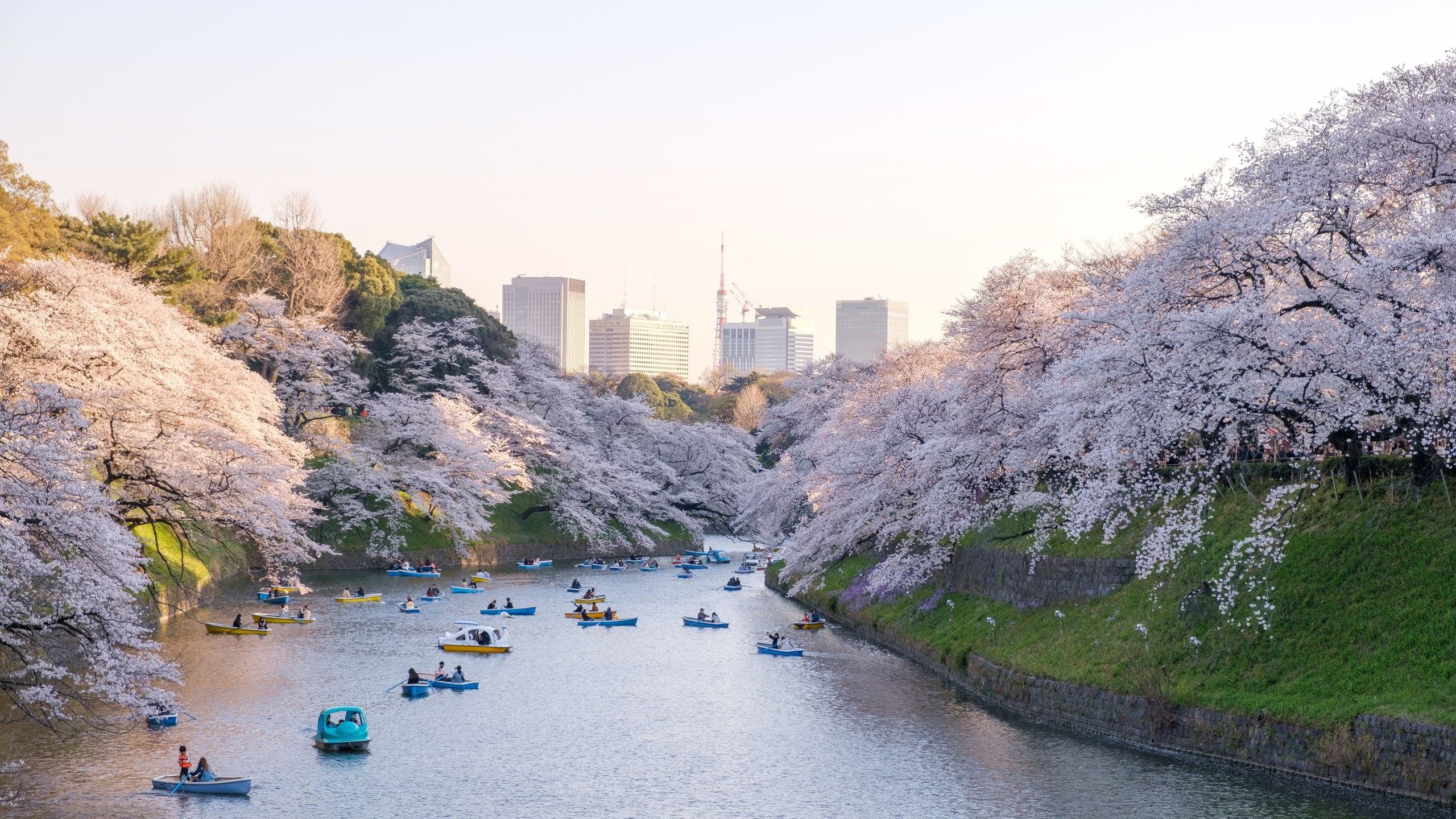 Silversea Is Discounting Japan Suite Fares by $8,000: Whether the Ultra-Luxury All-Inclusive Math Beats Business Class Points Redemptionstravel
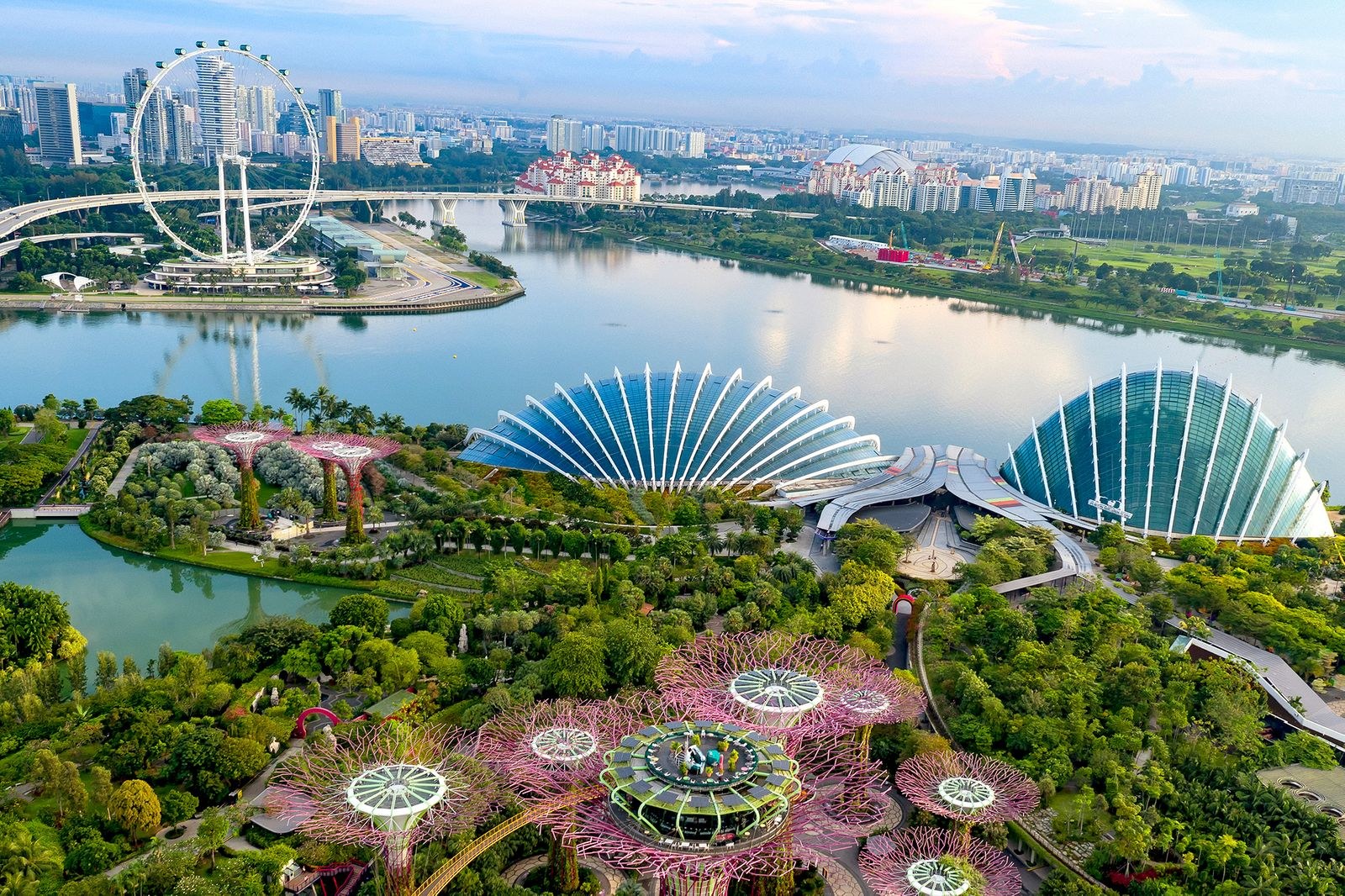 Philippine Airlines Fare Glitch Offers West Coast to Asia One-Ways at $150: The Error Fare Booking Strategy That Survives Airline Cancellationstravel
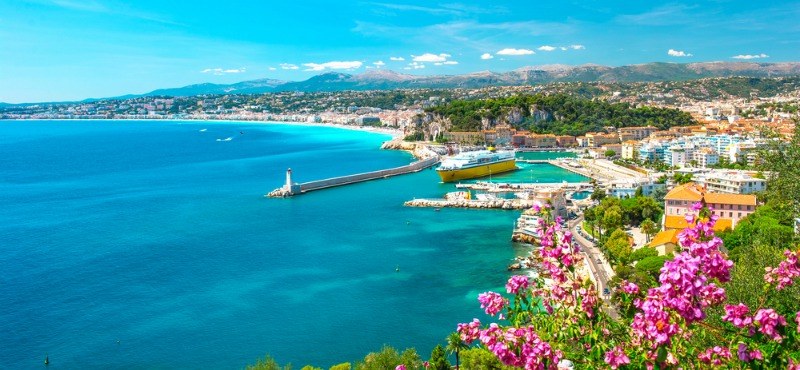 Chase Sapphire Reserve's 150,000-Point Historic Bonus Creates 3.75 Cents Per Dollar Value Through Travel Portal Arbitragetravel
Some links are affiliate links — we may earn a commission at no extra cost to you. See our Terms.