
Prague's historic core — architecture, art, and city fabric across two days on foot and water
This is a trip for people who want to understand a city, not just photograph it. Prague rewards curiosity — its thousand years of architecture, political upheaval, and cultural stubbornness are all legible in its streets if you know where to look. This package strings together the landmarks that actually earn their reputation alongside a few that most visitors walk past without stopping, building a coherent picture of how Prague became the city it is today.
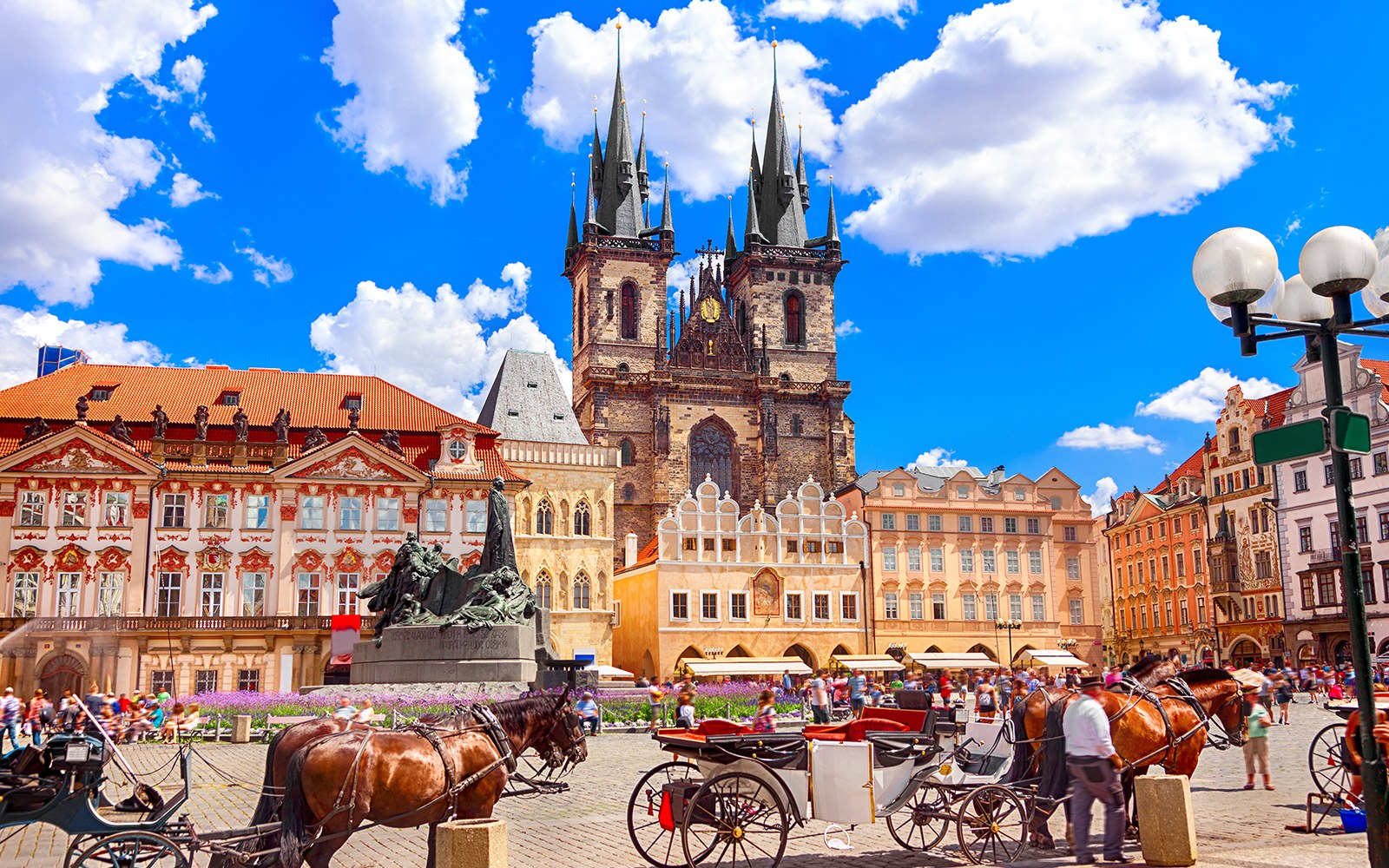
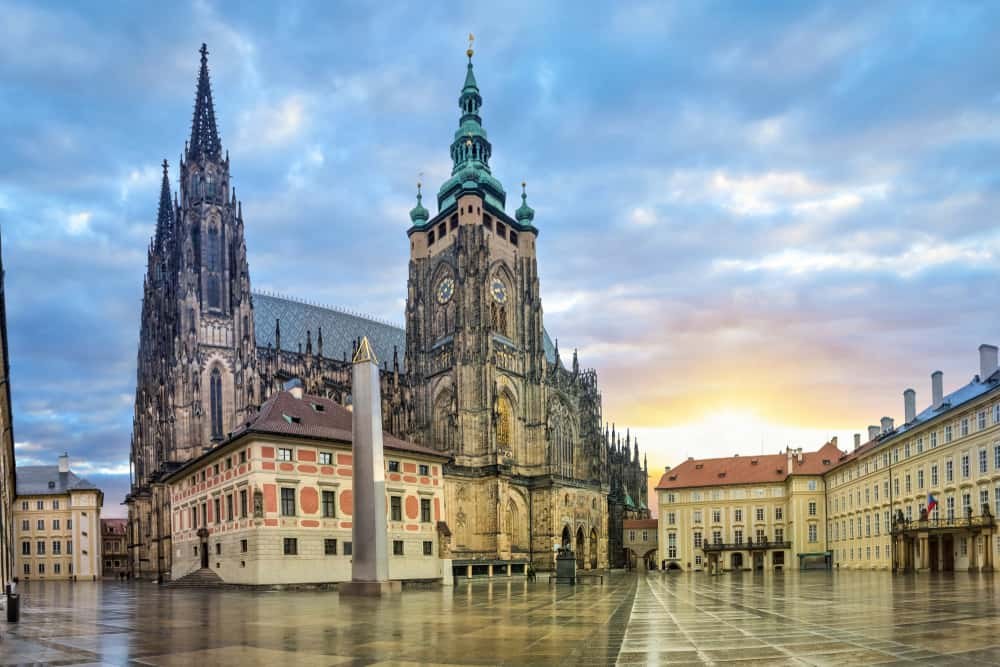
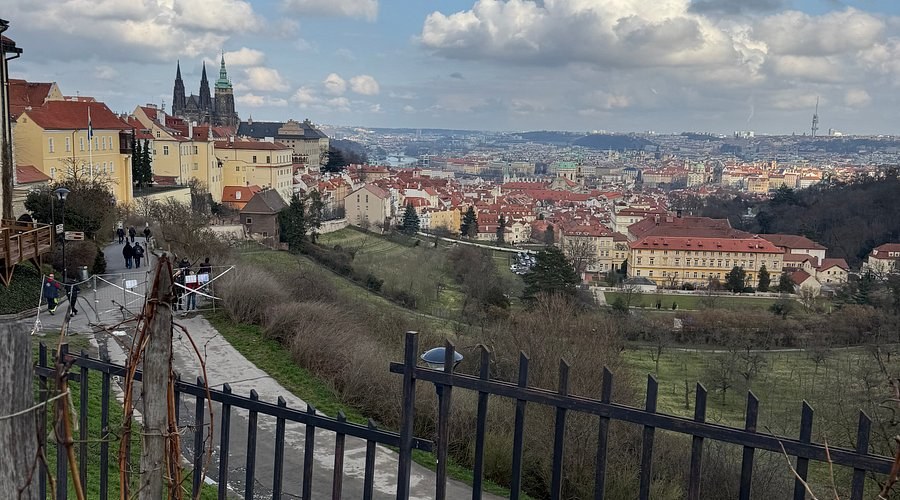
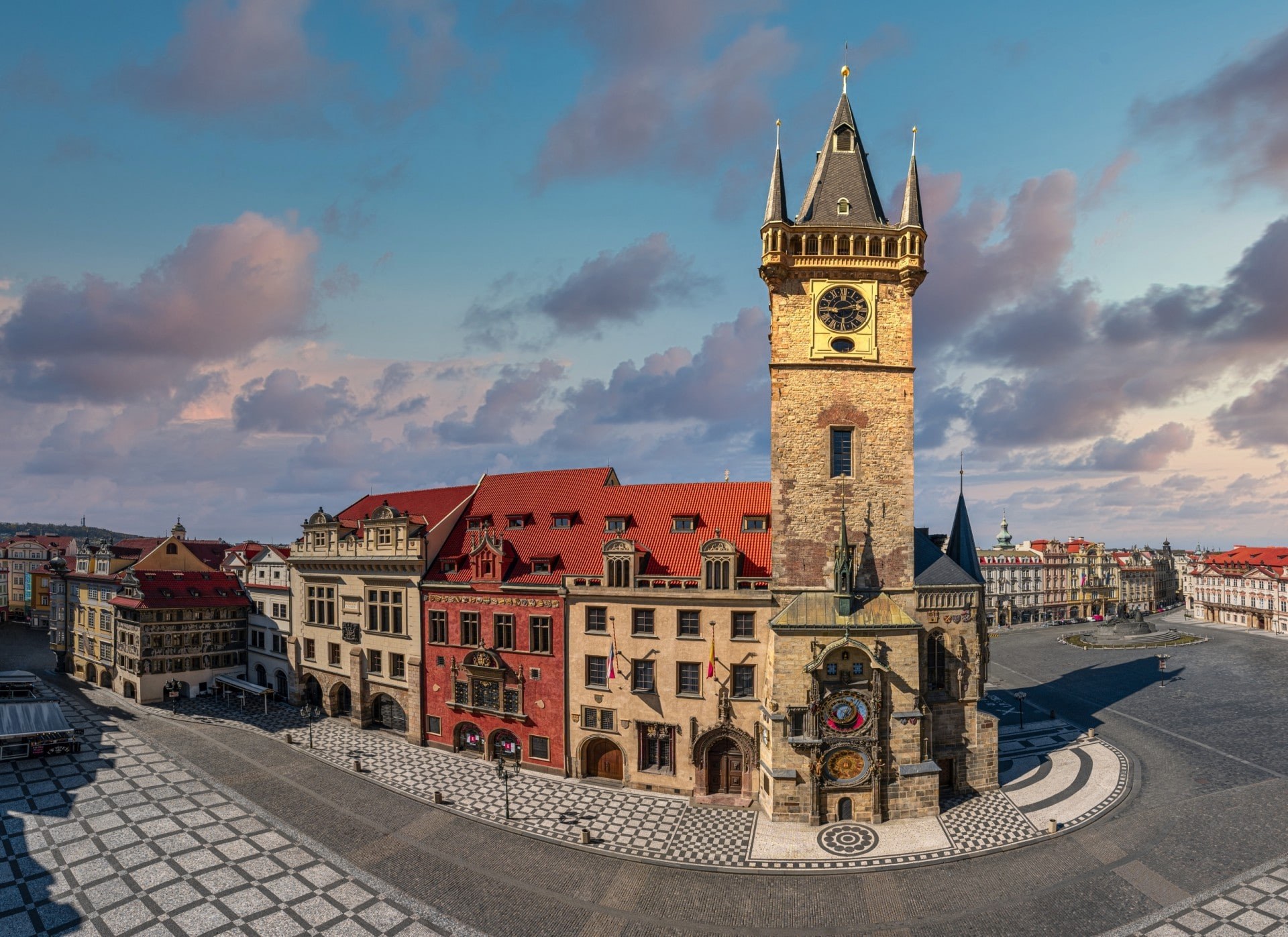
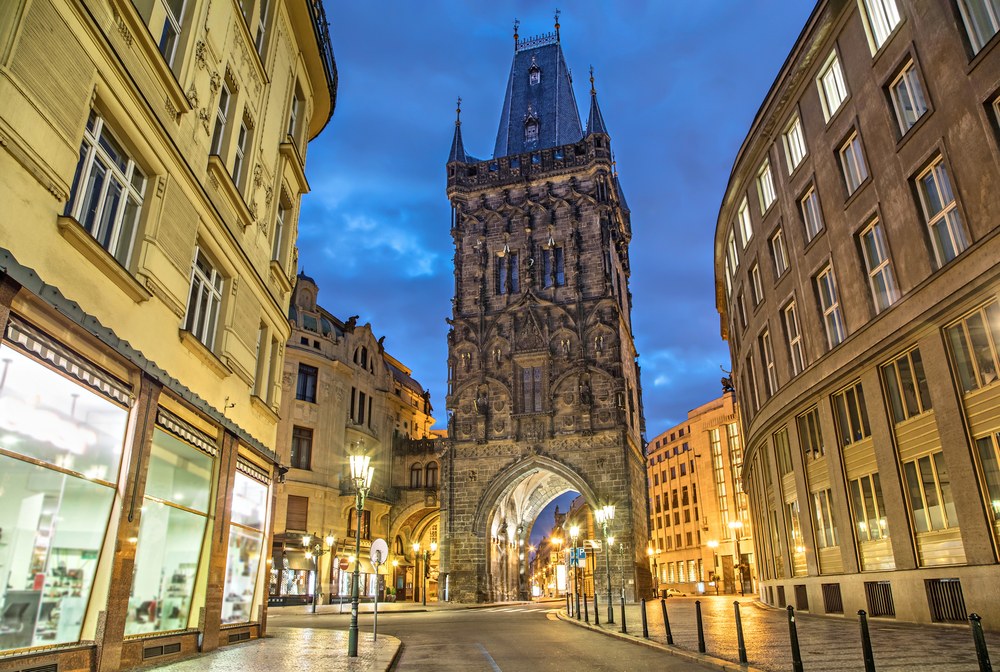
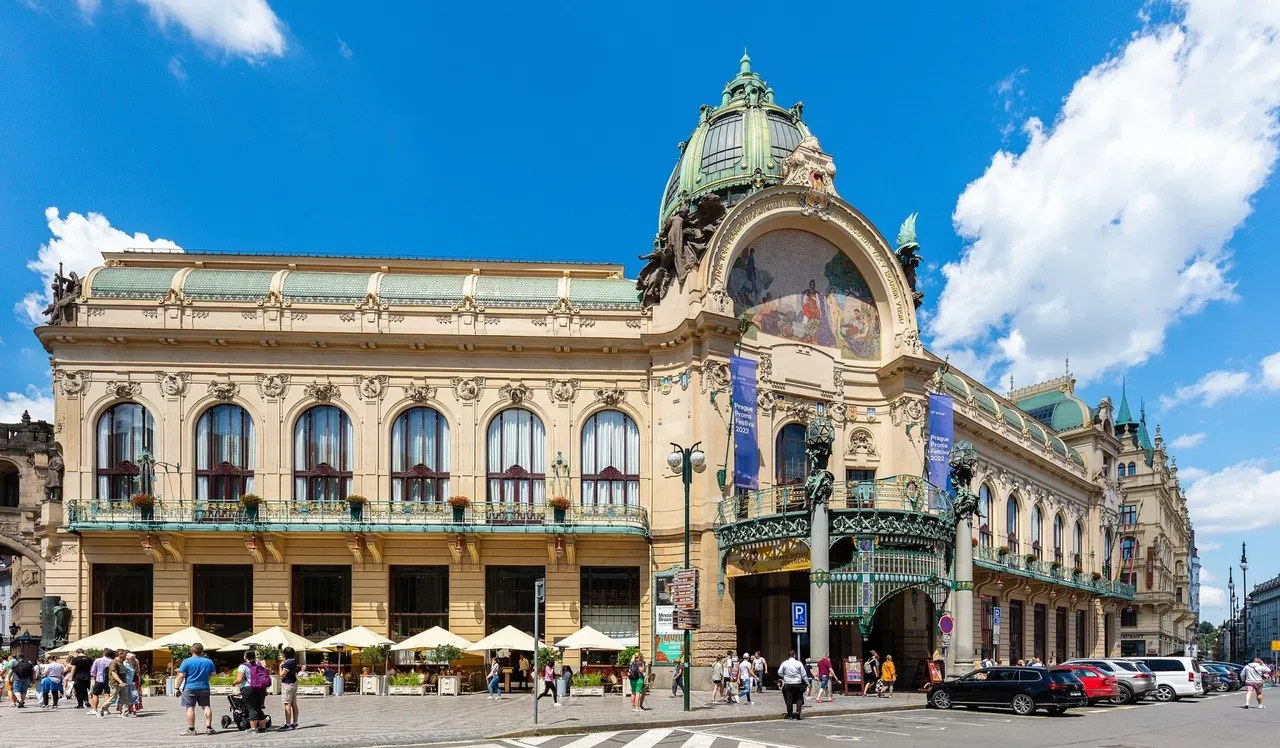
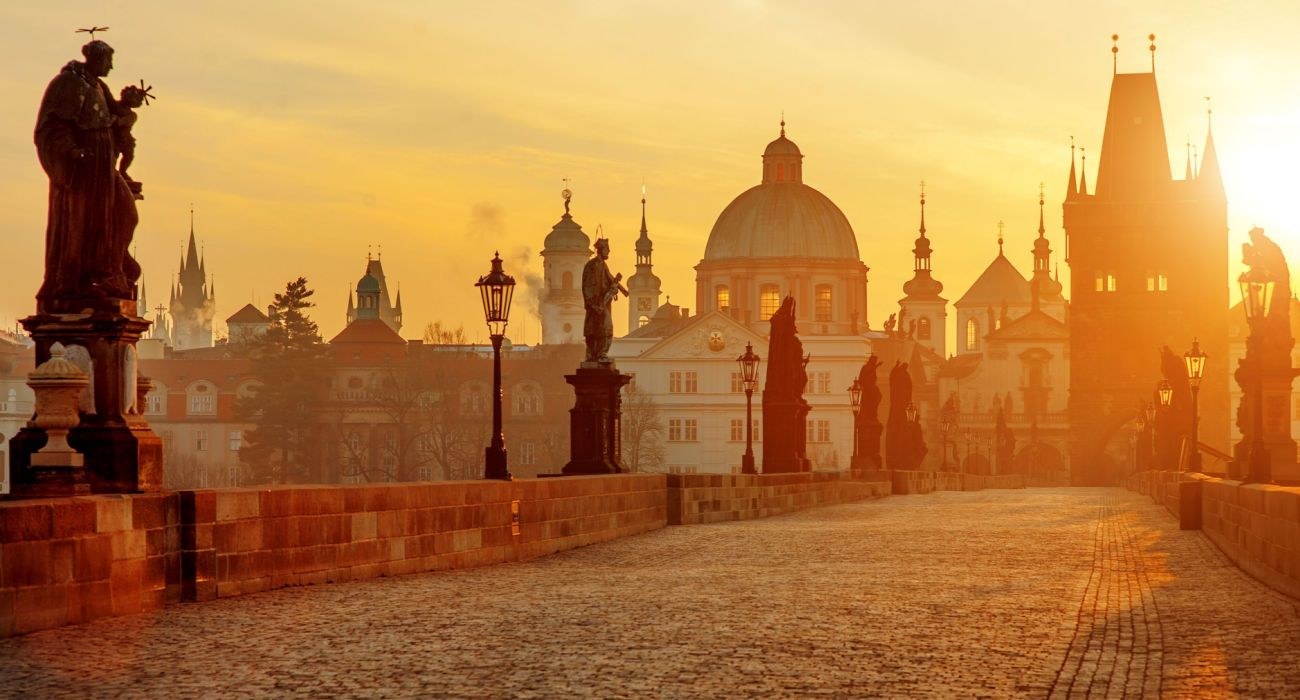
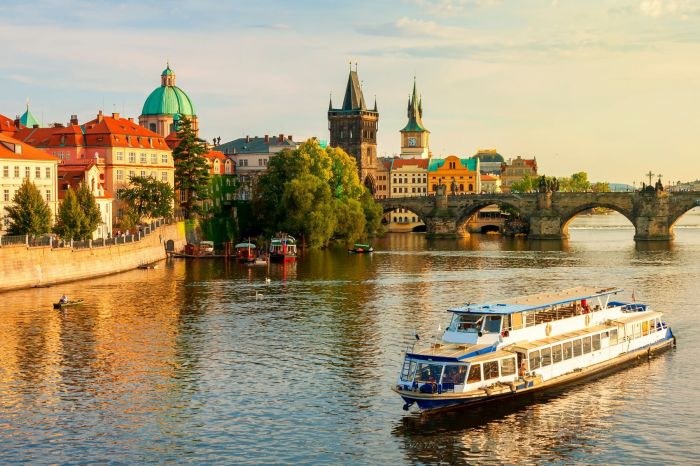
Spend the first day on the left bank. Prague Castle and St. Vitus Cathedral set the scale — both are bigger and stranger than any photo suggests — before Strahov Monastery offers a quieter, more intimate counterpoint with its baroque library halls. Cross Charles Bridge on foot and take the less-obvious angle back toward the Old Town, where the Astronomical Clock and the Powder Tower anchor the medieval street plan, and the Municipal House shows you what the city did with that inheritance a century ago. End the afternoon with a Vltava river cruise, which is the single best way to read the city's silhouette and understand why the river defines everything.
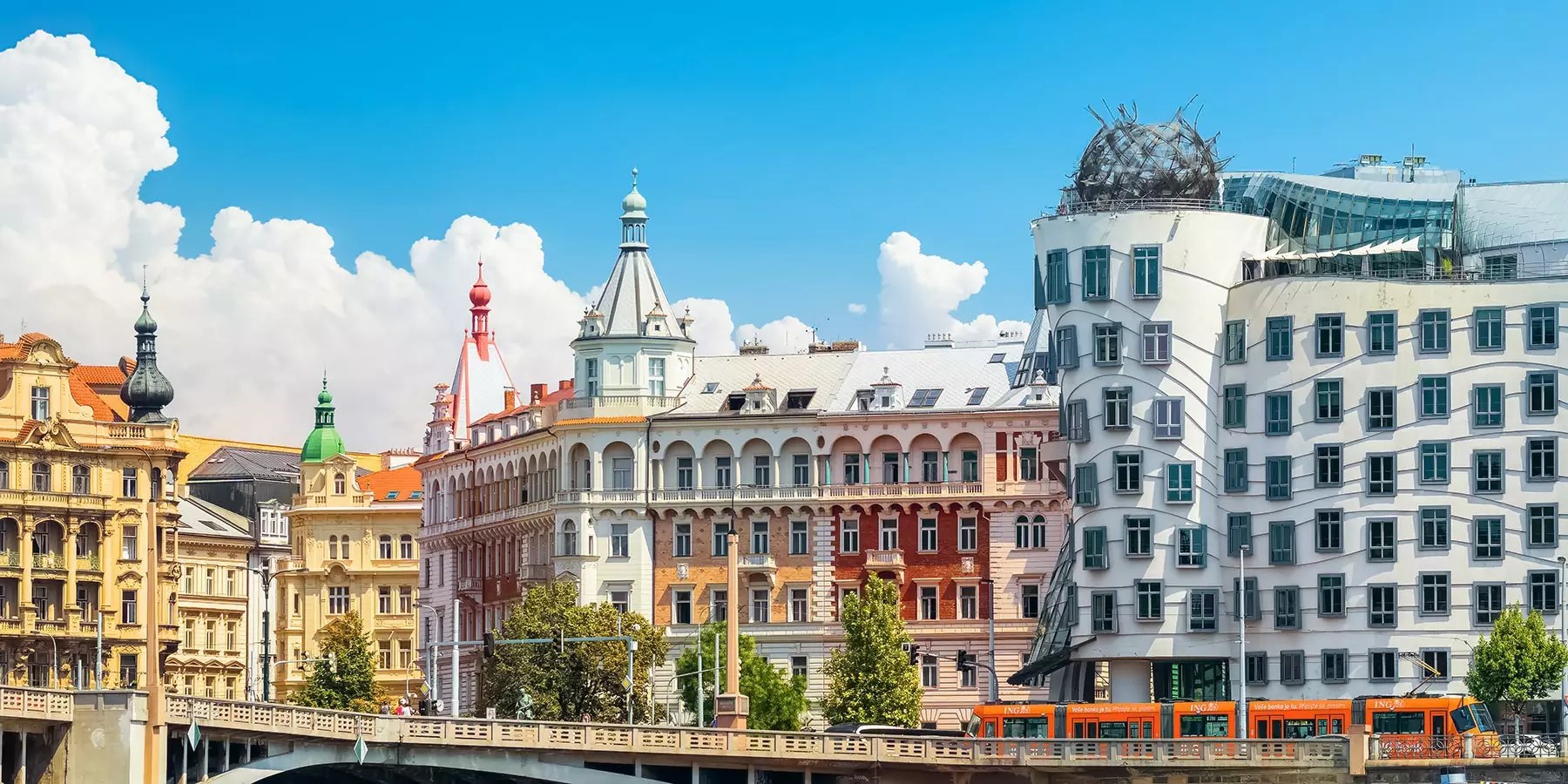
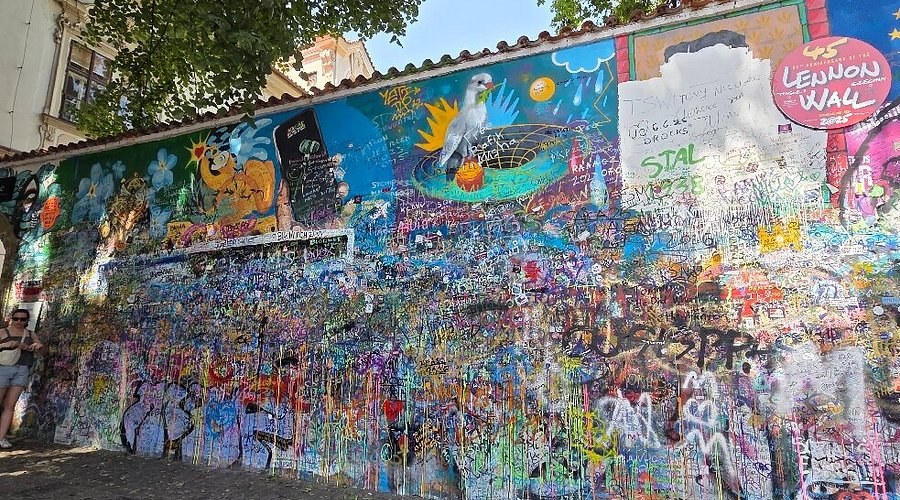
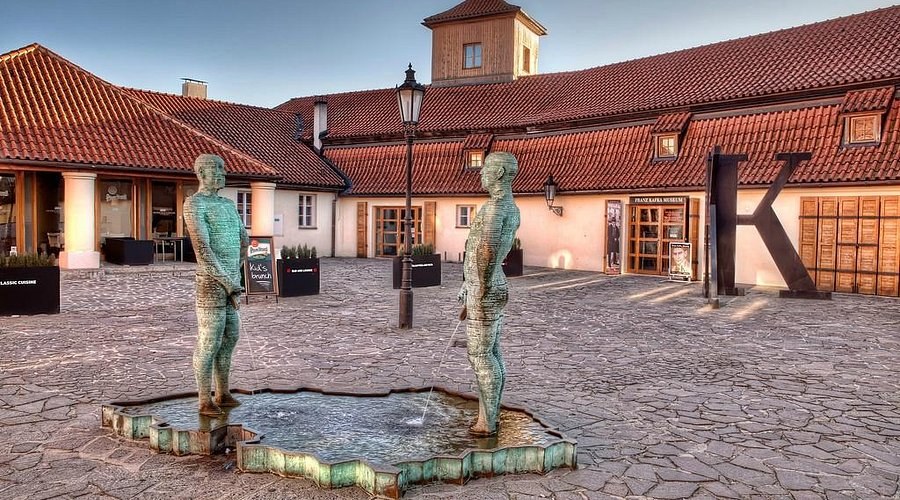
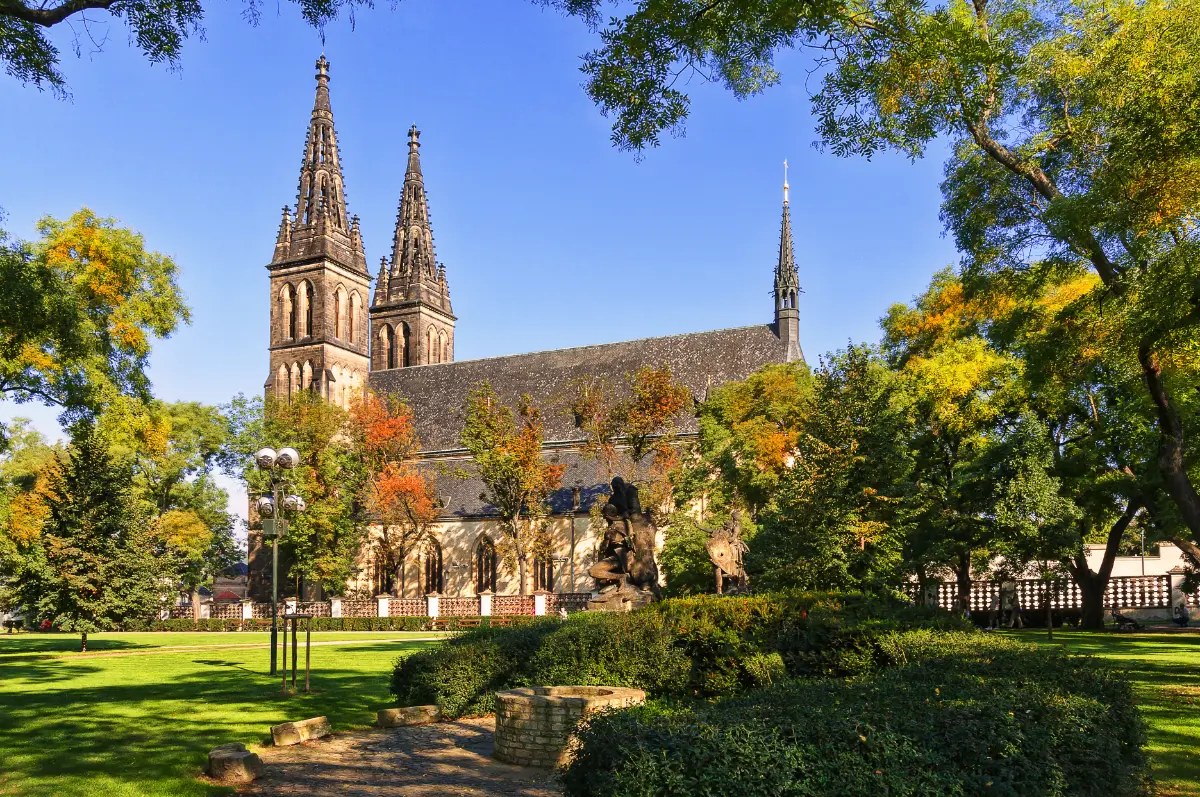
Day two moves differently. The Kafka Museum is small, sharp, and genuinely illuminating about the city's Central European identity. The Lennon Wall is worth twenty minutes of honest reflection. The Dancing House closes the loop architecturally — proof that Prague kept building interesting things long after the postcard era. Vyšehrad fortress, the city's older, quieter citadel, gives you the whole panorama and a good reason to slow down before you leave.
Some links are affiliate links — we may earn a commission at no extra cost to you. See our Terms.