Desert Culture & Canyon Trails
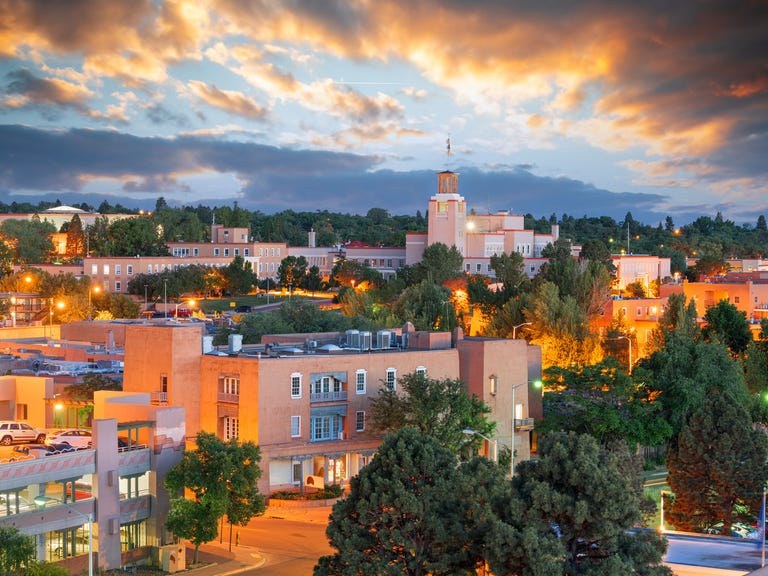
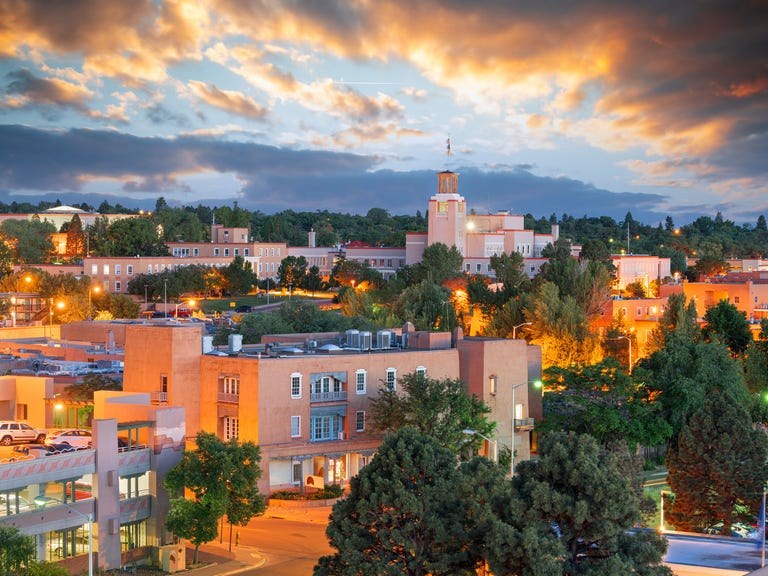
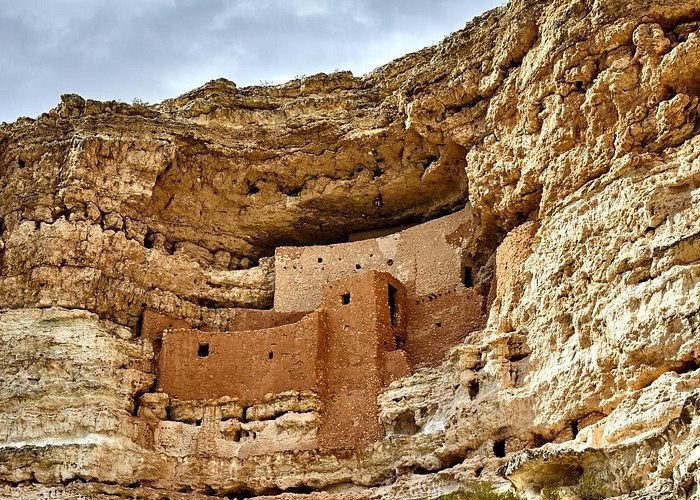
Santa Fe operates on a different frequency. The light is sharper, the air thinner, the food hotter, and the art more alive than almost anywhere else in the country. This is a place where 400-year-old adobe walls share a street with world-class contemporary galleries, where a family restaurant in a mountain village serves food that would silence any Michelin inspector, and where you can stand inside a cliff dwelling carved by human hands eight centuries ago and feel the silence close around you. Here's exactly how to do it — three days, no filler, every dollar accounted for.
Fly into Santa Fe Regional Airport (SAF). It's a small field — one of the most civilized arrivals in the Southwest. No terminal chaos, no forty-minute taxi to baggage claim. You walk off the plane and you're essentially in town. Book premium economy for the legroom and the drink; this is a trip that starts the moment you sit down, not when you land. SAF has limited routes, so you may connect through Dallas or Denver, but the final leg drops you onto a high desert runway with the Sangre de Cristos filling the windshield. Worth every connection.
Check fares from your home airport →
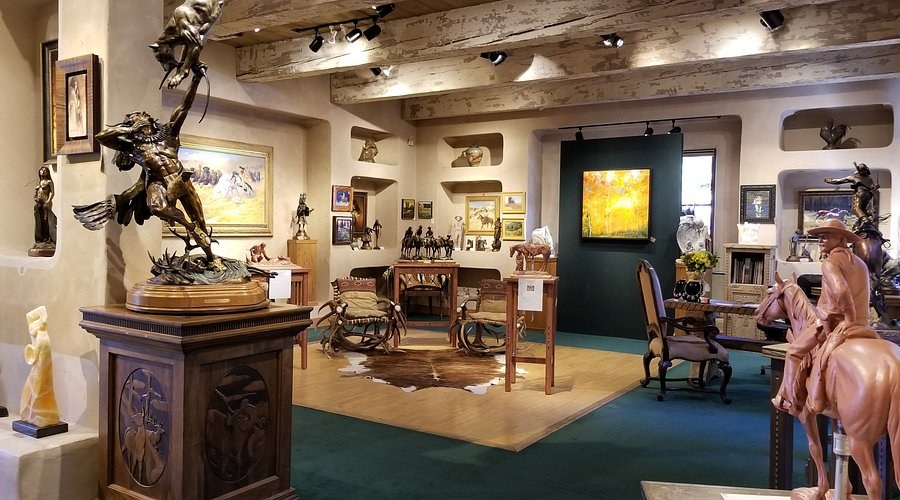
Pick up your rental car at SAF and head straight for the Plaza. A Santa Fe Plaza Walking Tour with a Knowledgeable Local Guide is the single best way to calibrate your eye — 400 years of colonial architecture, Native American trading history, and the layered cultural DNA of this town, covered in about ninety minutes on foot (~$25–$40 per person, verify when booking). After the tour, walk Canyon Road to Chuparosa Fine Art Gallery (formerly Winterowd Fine Art), which specializes in original contemporary work rooted in the region. Browsing is free; buying is between you and your conscience.
Lunch at Gramma Ri's Kitchen, a hole-in-the-wall serving family-recipe New Mexican comfort food — red and green chile with genuine depth. Expect ~$12–$18 per plate, verify when booking. Order "Christmas" (half red, half green) and let the heat educate you.
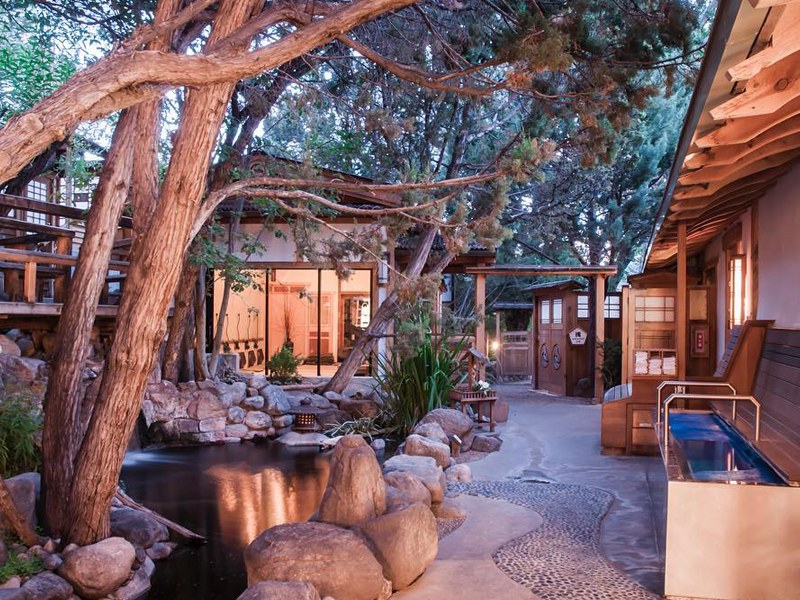
Afternoon: drive ten minutes out of town to Ten Thousand Waves Spa, a Japanese-inspired mountain hot spring resort. A communal soak runs ~$30–$45 per person; private tubs and treatments scale up from there (~$150–$300, verify when booking). After a travel day, this is the reset button. End the evening with dinner at your hotel — all three options below have serious kitchens.
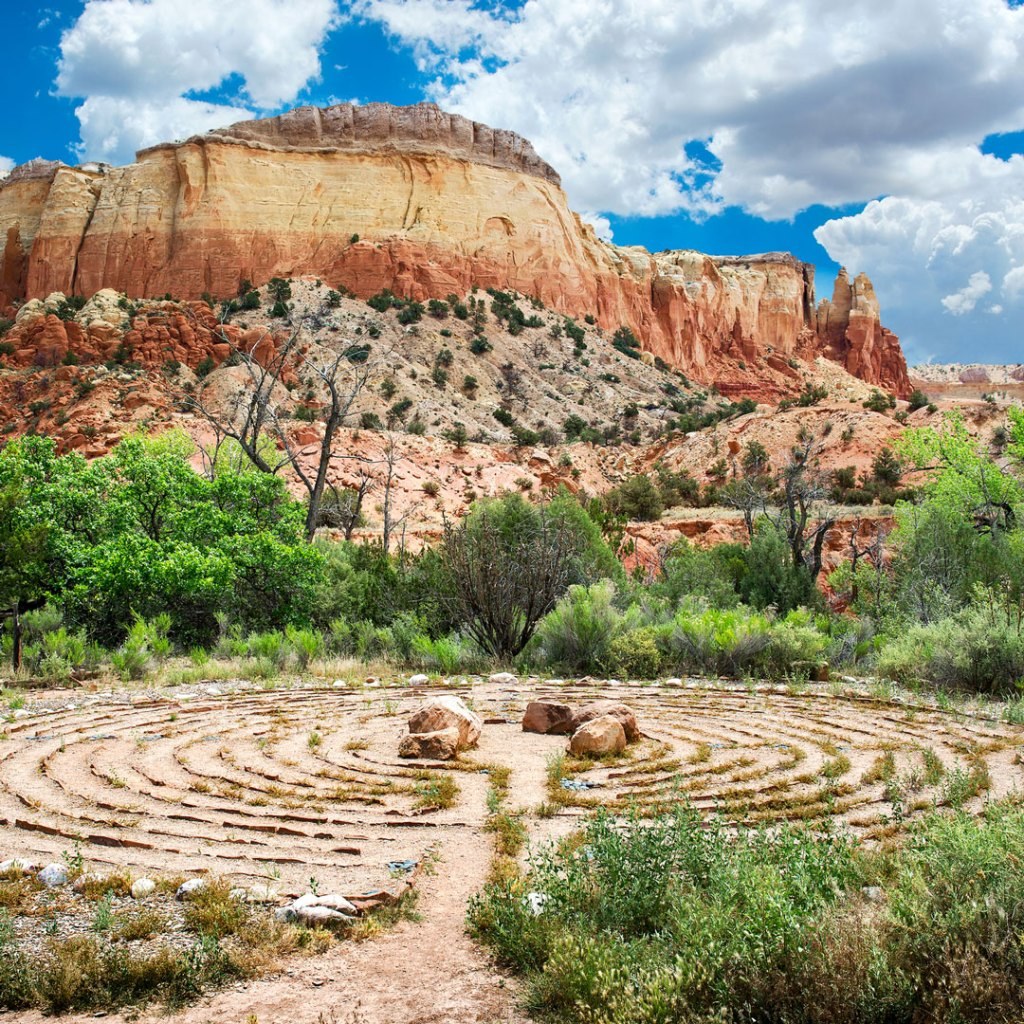
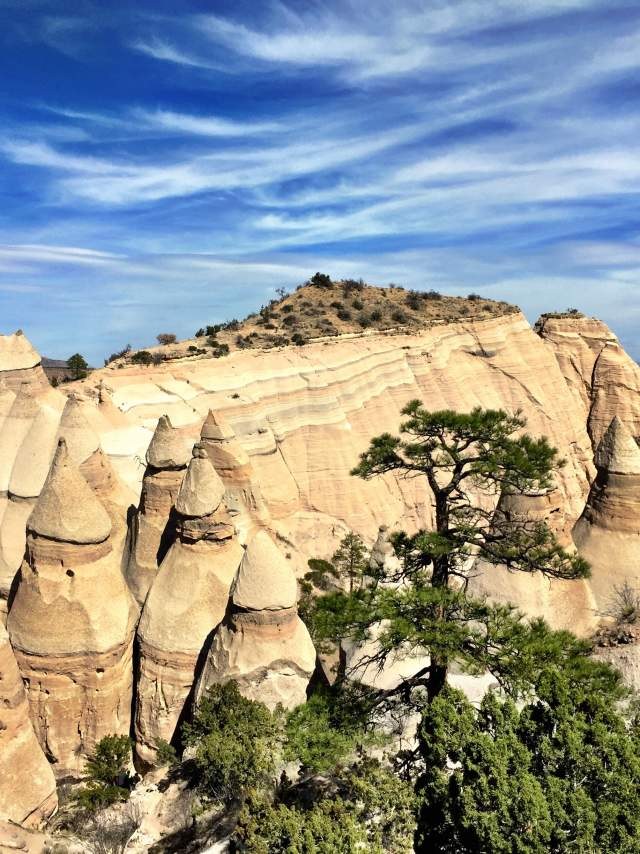
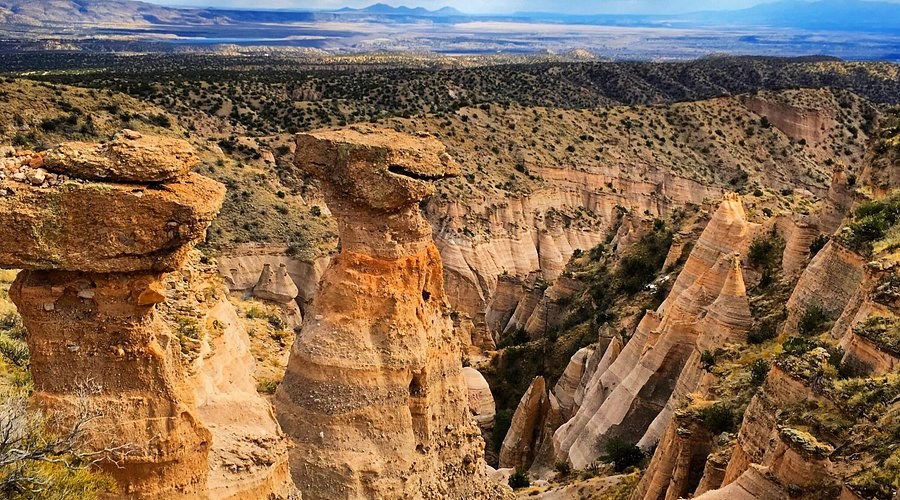
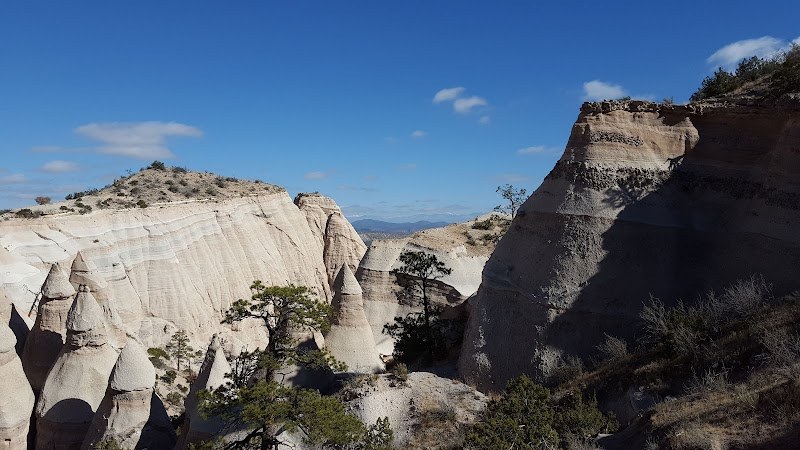
Today is canyon country. Drive forty-five minutes southwest to Kasha-Katuwe Tent Rocks National Monument, where volcanic eruptions six to seven million years ago left behind surreal cone-shaped rock formations. The slot canyon trail is moderate and spectacular — roughly three miles round trip. Entry is ~$5 per vehicle (federal lands pass accepted), verify when booking. Go early; the light in the slot canyon before 10 a.m. is extraordinary.
From Tent Rocks, continue to Cochiti Pueblo, the northernmost Keres-speaking pueblo, home to about 1,500 people and renowned for its storyteller pottery and drum-making traditions. Visits require respect and awareness of pueblo protocols — photography restrictions apply, and some areas are closed to visitors. No entry fee, but purchasing art directly from pueblo artists is encouraged and meaningful (~$50–$500+ depending on the piece, verify when booking).
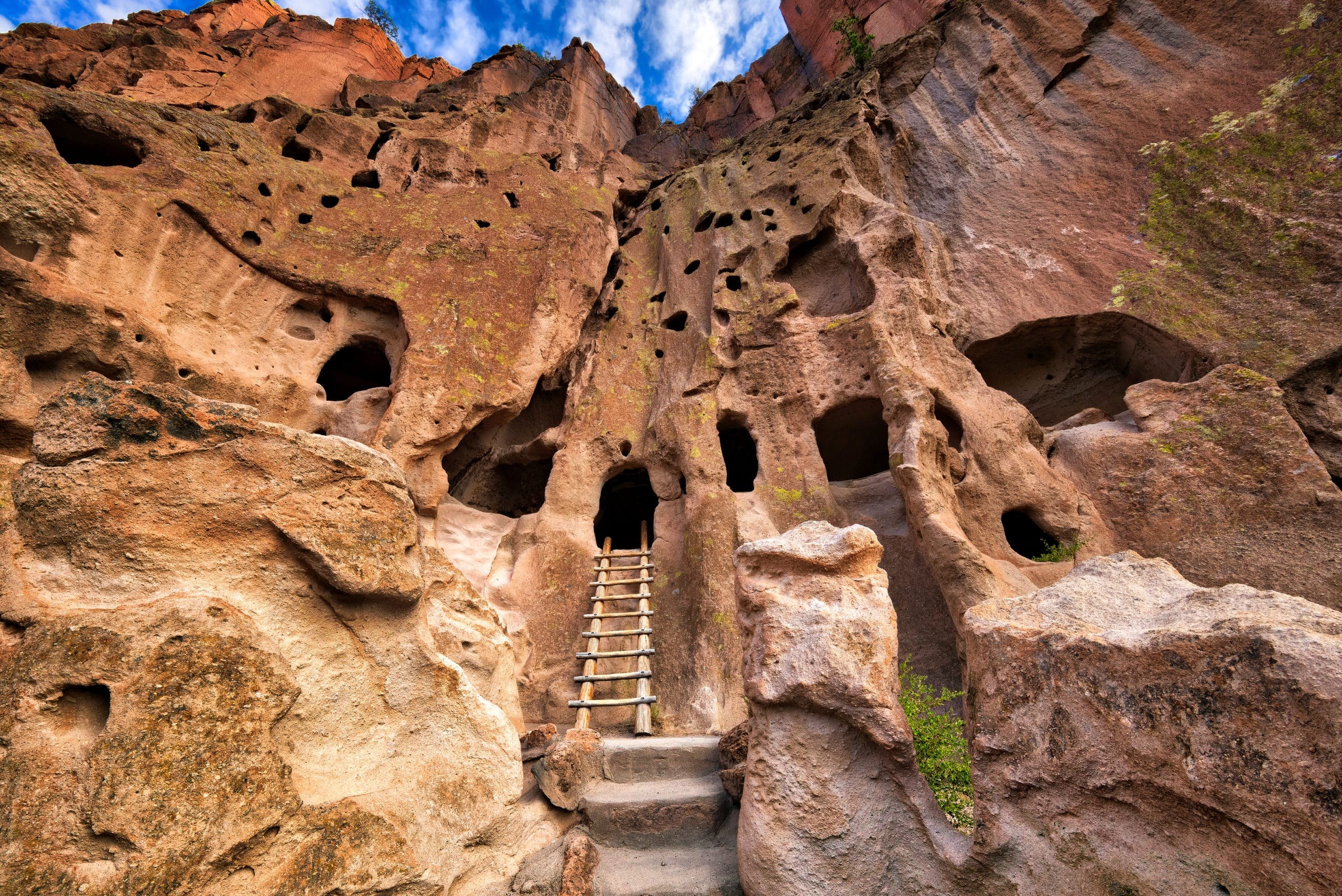
Afternoon: drive north to Bandelier National Monument, where over 33,000 acres of canyon and mesa country protect petroglyphs and ancestral Pueblo dwellings carved into soft volcanic tuff. Climb the ladders into the alcove rooms. Entry is ~$25 per vehicle, verify when booking. Allow two to three hours.
Evening: visit Site Santa Fe, a contemporary art museum rooted in New Mexico that consistently punches above its weight with artist-driven exhibitions. Admission is ~$10, verify when booking. Dinner back in town.
Take the High Road to Taos Scenic Drive, a forty-mile route north through mountain villages — Truchas, Cordova, Chimayó, Peñasco — with studio stops along the way. Woodcarvers, weavers, and painters open their workshops to visitors. Budget three to four hours for the drive and stops; studio purchases vary wildly (~$20–$1,000+). The essential stop is lunch at Rancho de Chimayó, a family-owned restaurant established in 1965 in a restored ancestral home. The carne adovada and sopaipillas are legendary (~$18–$30 per person, verify when booking).
On the return route, arrange a Tesuque Pueblo Day Visit with a Cultural Guide. Tesuque Pueblo has occupied the foothills of the Sangre de Cristos since at least 1200 AD. Guided visits provide context that self-touring cannot (~$20–$50 per person, verify when booking; availability varies, confirm in advance).
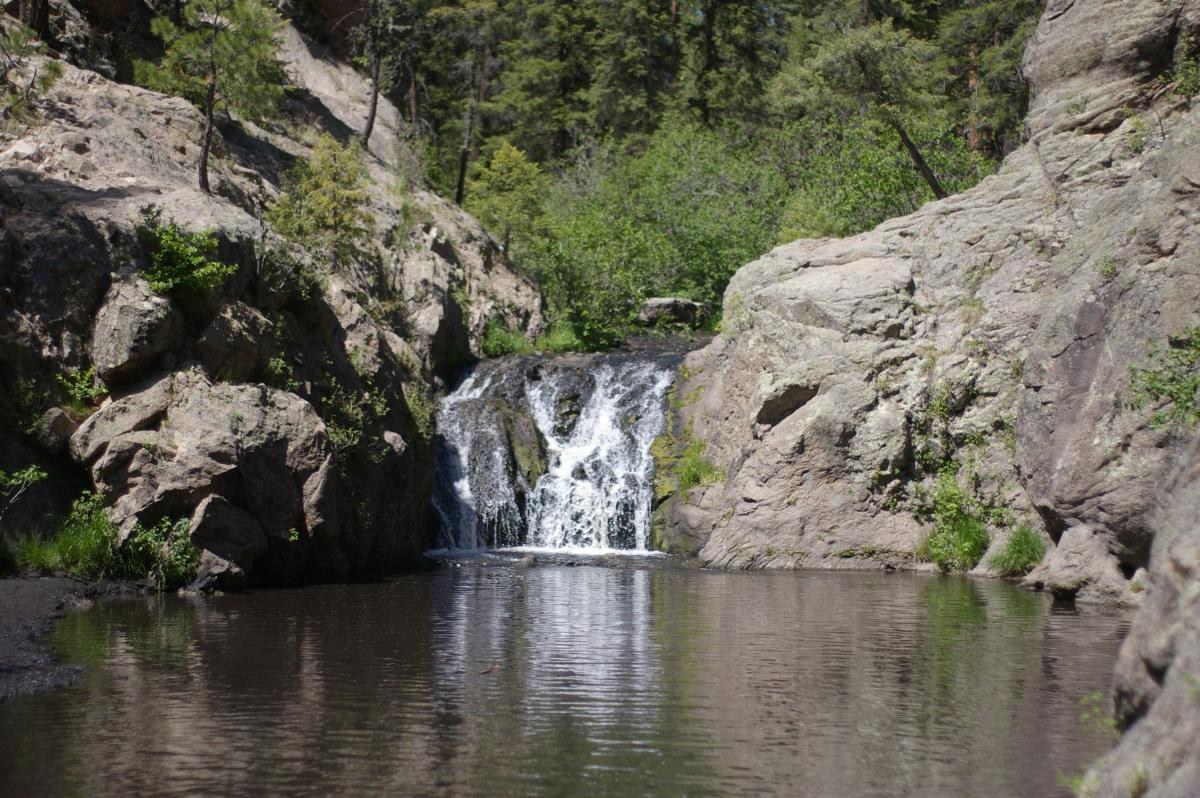
If energy permits, detour to Jemez Falls Trail on the way back — a quick quarter-mile hike to the Jemez Falls Overlook, the highest waterfall in the Jemez Mountains. No fee. It's a fifteen-minute walk that delivers an outsized payoff.
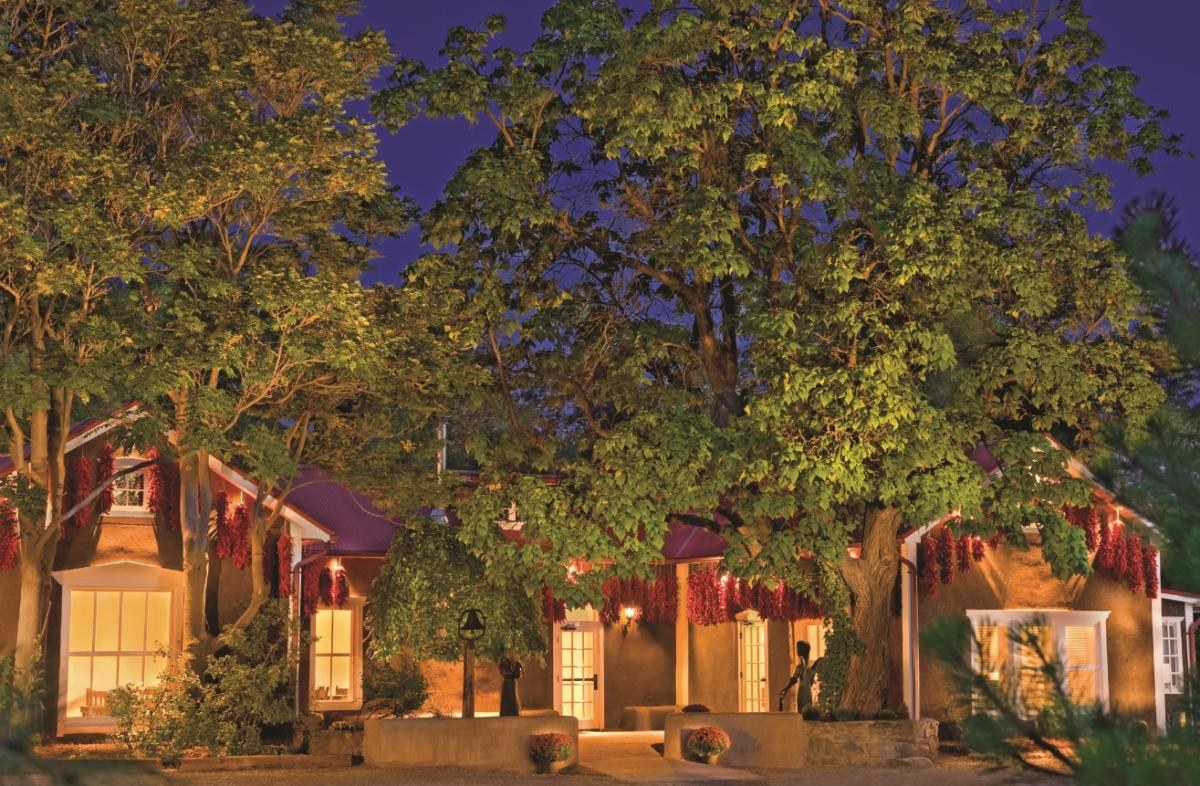
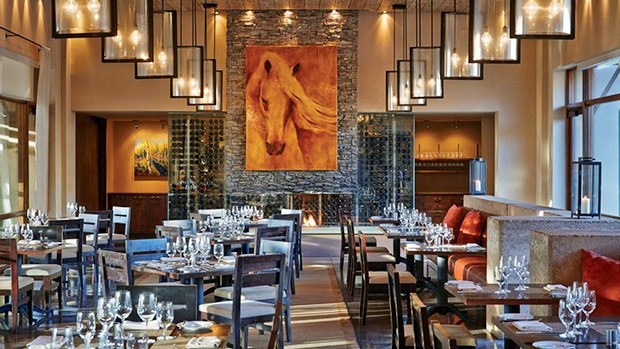
Three options, all excellent, each with a different character. The Inn of the Five Graces is a mosaic-tiled, globally influenced boutique property steps from Canyon Road (~$500–$900/night, verify when booking). Rosewood Inn of the Anasazi sits right on the Plaza — intimate, adobe-walled, with one of the best hotel restaurants in town (~$400–$750/night, verify when booking). Four Seasons Resort Rancho Encantado Santa Fe is fifteen minutes north of downtown on fifty-seven acres at the base of the mountains — the choice if you want space, views, and a full resort experience (~$500–$1,200/night, verify when booking).
Rent a car at SAF. You need one — Bandelier, Tent Rocks, the High Road, and the pueblos are all thirty to sixty minutes out. Expect ~$60–$120/day for a midsize SUV, verify when booking. Roads are well-maintained, but some monument access roads are unpaved; an SUV with clearance is wise, not mandatory.
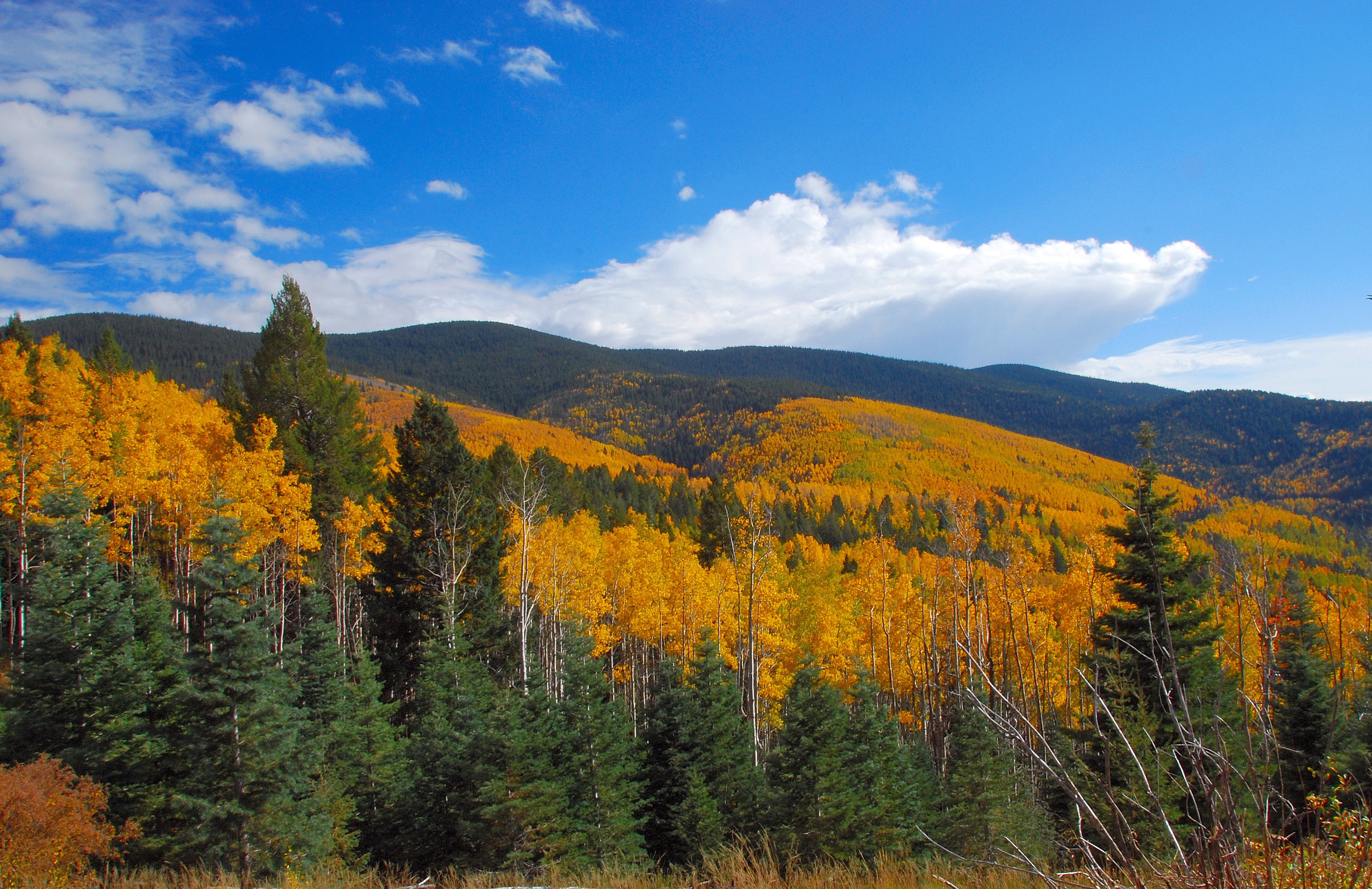
Skip the tourist-trap turquoise shops ringing the Plaza — the real art is on Canyon Road and at the pueblos. September and October are ideal: warm days, cool nights, cottonwoods turning gold, and thinner crowds after the summer rush. July and August bring afternoon monsoons — dramatic and beautiful, but plan outdoor hikes for morning. Winter is gorgeous and quiet, but some trails and monument roads close. Indian Market weekend (third weekend in August) is extraordinary but book lodging six months out — the town fills completely.
| Flights | 2 × $0 | $0 live |
| Hotels | 3 nights × $850 luxury | ~$2,550 |
| Rental car | 3 days × $105 | ~$315 |
| Excursions | this itinerary, entry → guided | $260–$1,100 |
| Food | 3 days, fine dining | ~$900 |
| Trip total | $4,025–$4,865 |
We may earn a commission when you book through these links, at no extra cost to you. Prices and availability are set by each partner.
Some links are affiliate links — we may earn a commission at no extra cost to you. See our Terms.