Culture-Rich Grand Touring
There's a version of Tokyo that most visitors never see — the one that unfolds when you pick up a set of car keys at Narita and drive south toward steaming coastal onsen, north toward gold-leafed shrines, and back through Shinjuku's neon alleys at midnight. This is the itinerary that earns every dollar: world-class art, Edo-period streetscapes, mountain trails, and a kaiseki dinner eaten in a robe while the Pacific crashes below your window. Four days, one rental car, zero bullet-train anxiety.
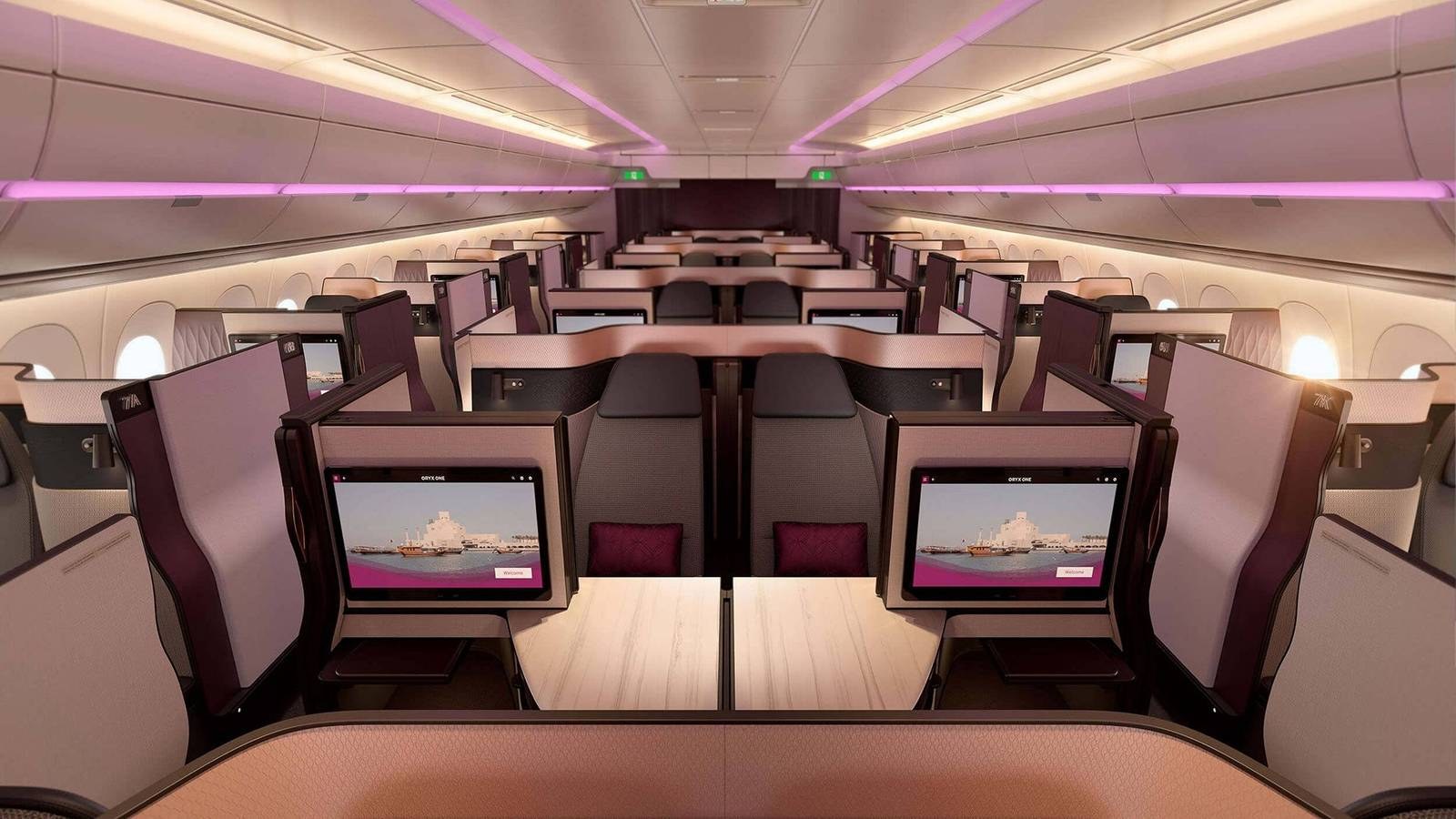
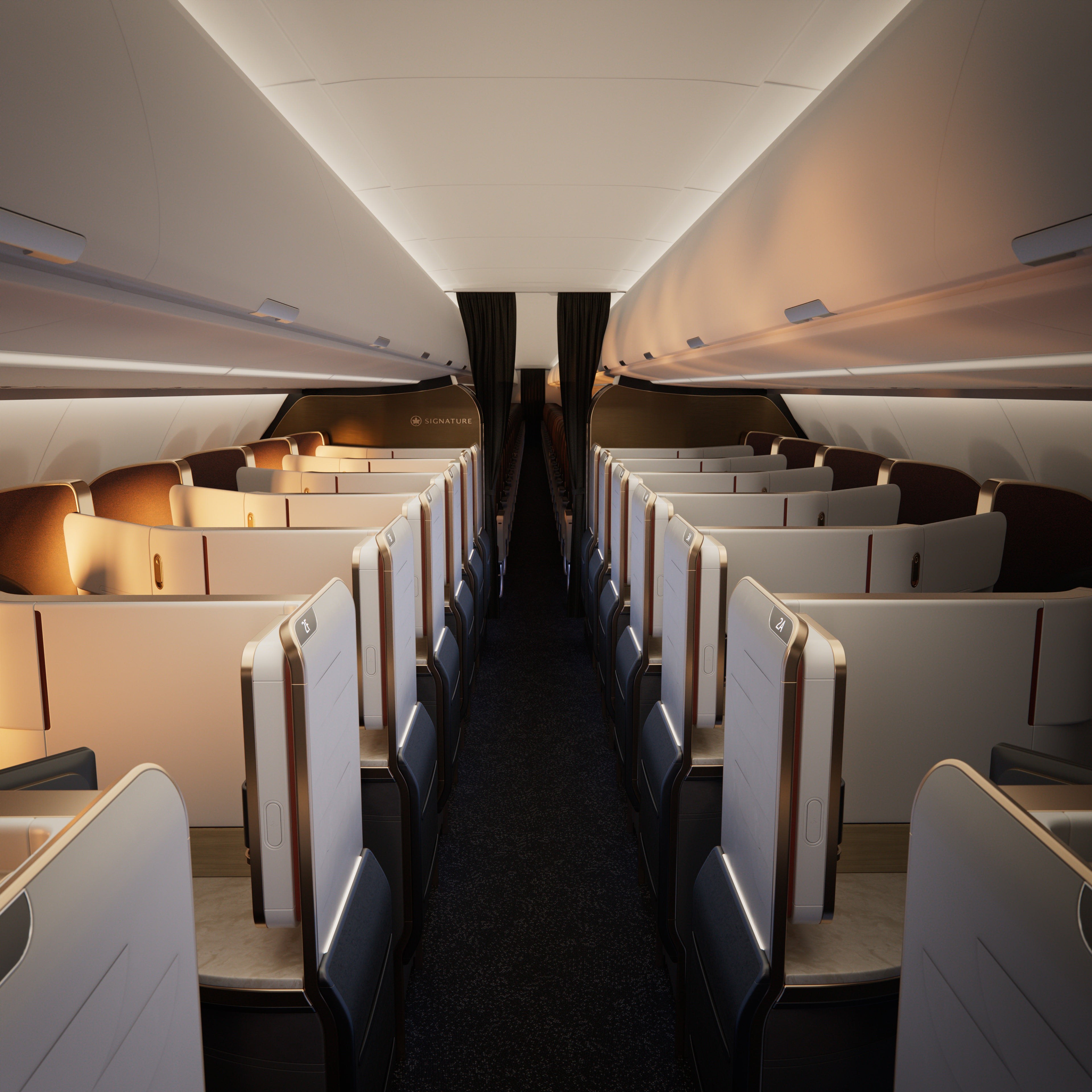
Fly into Narita International Airport (NRT). Direct service runs from most major North American, European, and Asian hubs, and business class on this route is one of aviation's genuine pleasures — lie-flat seats, Japanese whisky pours, and a meal service that rivals what you'll eat on the ground. Arrive rested; you have a full itinerary ahead.
Business from $2,874 roundtrip from our cheapest gateway — check fares from your home airport →
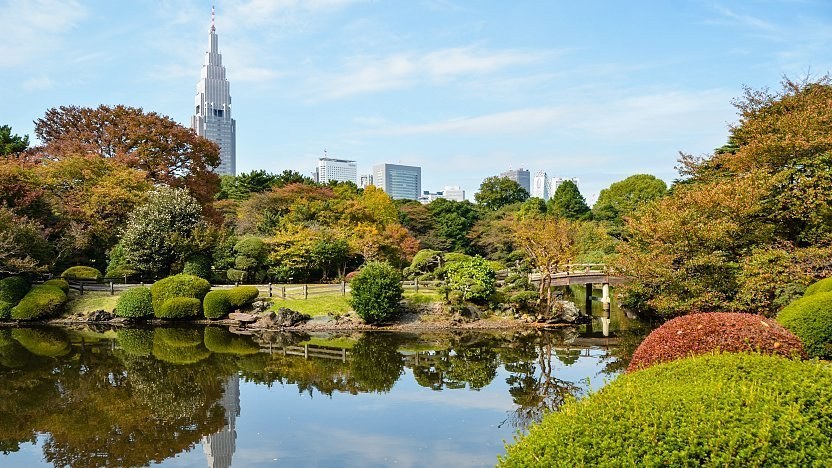
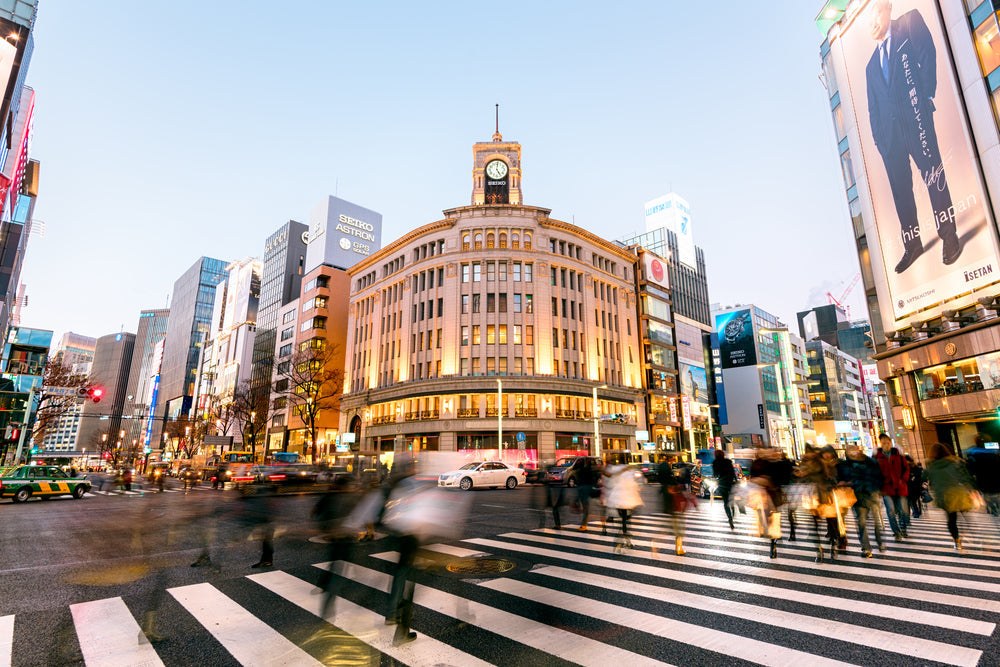
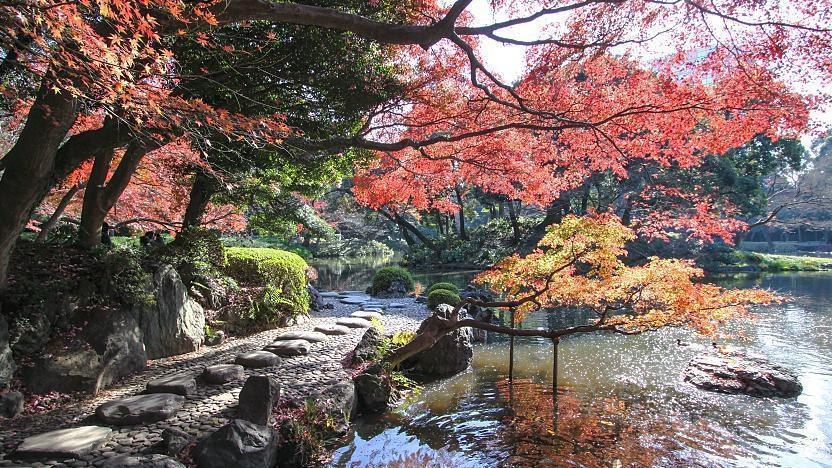
Pick up your rental car at NRT (budget ~$75–$120/day for a mid-size; verify when booking) and drive into the city. Drop bags at the hotel and walk Ginza's art corridor: the Ginza Sotheby's & Luxury Gallery Circuit threads Gagosian, Perrotin, and Lehmann Maupin within a few blocks — free to browse, dangerous for the wallet. Afterward, stroll through Koishikawa Korakuen Garden (~$300 admission, verify when booking), one of Tokyo's oldest Edo-period landscapes, where moss-draped bridges and miniature rice paddies slow your pulse after the long flight.
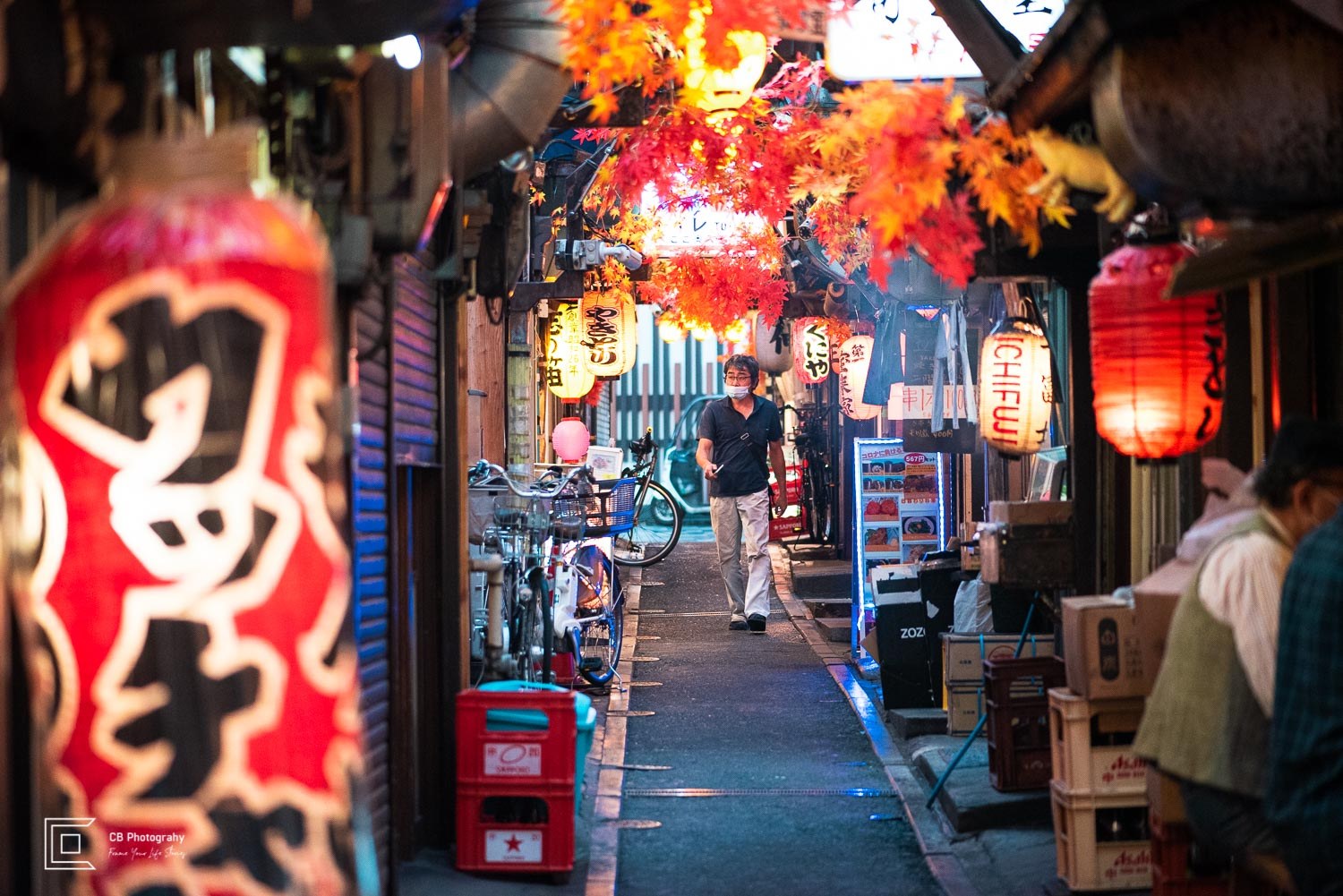
Dinner tonight is theatrical: Nabezo Ginza (~$40–$70 per person, verify when booking) serves shabu-shabu and sukiyaki at your table — choose a broth, swirl paper-thin wagyu through it, repeat until content. End the night with a detour to Omoide Yokocho at Shinjuku Station's west exit. The post-war alley of yakitori stalls and tiny bars is loud, smoky, and completely alive. Two skewers and a cold Asahi run ~$10–$15.
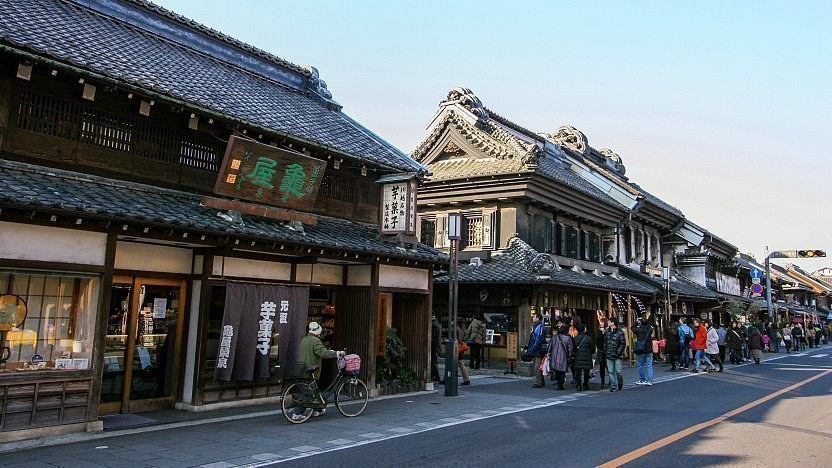
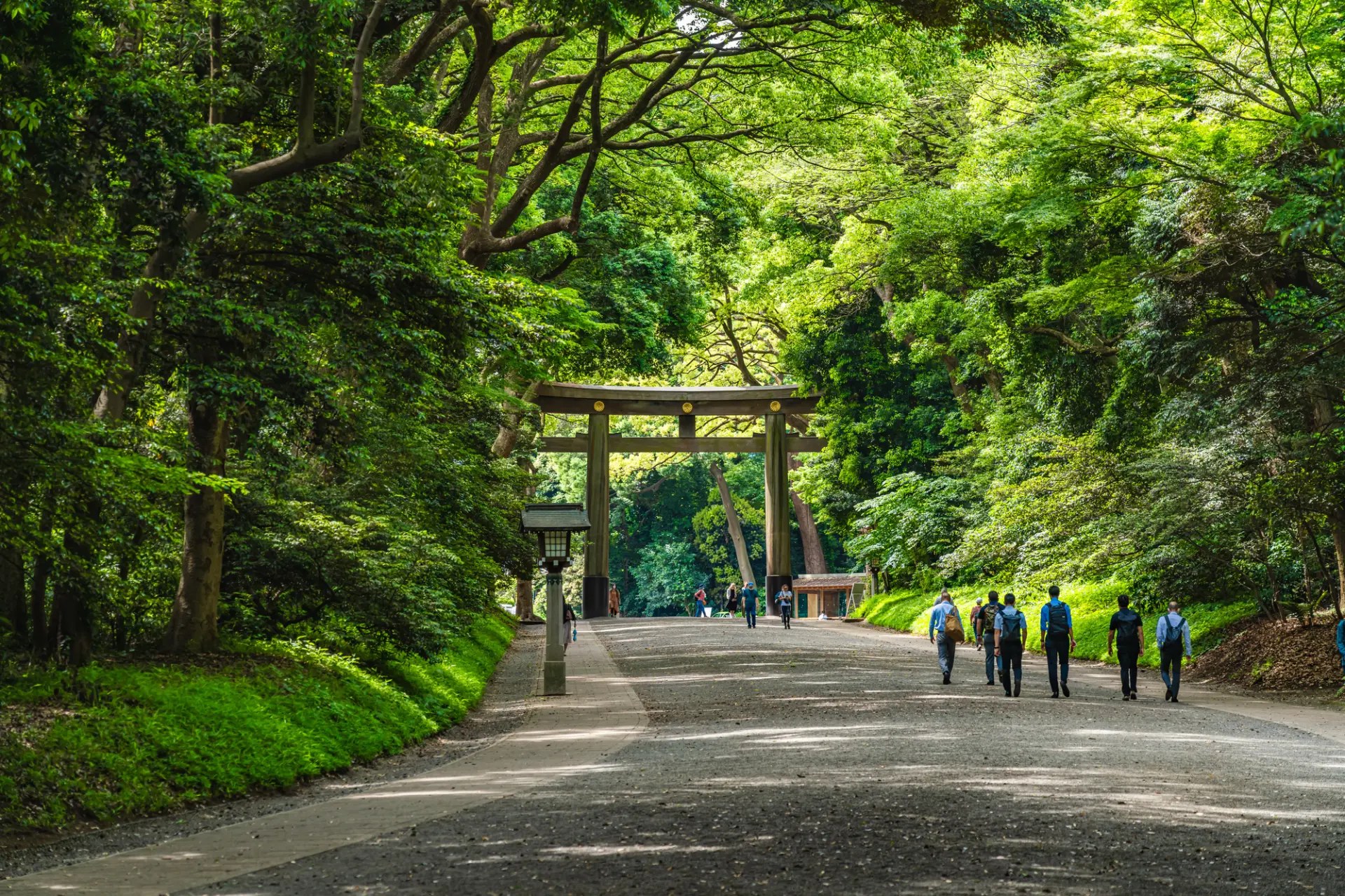
Start early at Meiji Shrine in Shibuya's Yoyogi district. The forest walk through towering camphor trees is free and profoundly quiet — a 70-hectare woodland that makes you forget you're inside a 14-million-person metropolis. From there, drive roughly 30 minutes northwest to Kawagoe Kurazukuri District, a preserved corridor of black-plaster Edo-period merchant houses now home to cafes and sweet-potato confectioners. Wander for an hour; no admission fee.
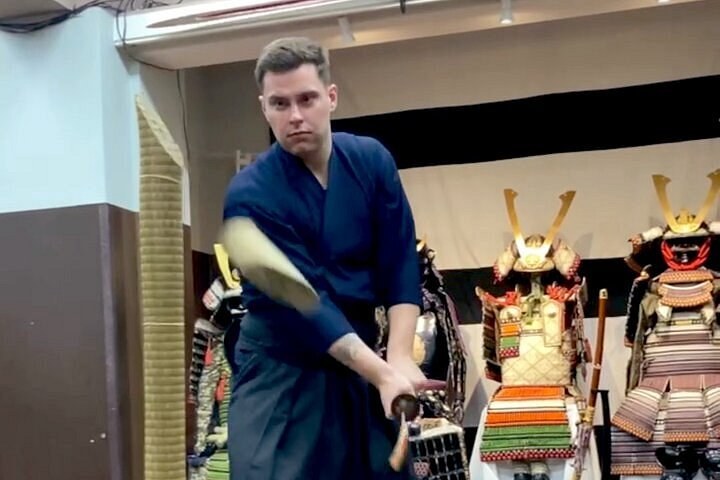
After lunch, experience the Jidaigeki Studio & Samurai Sword Demonstration (~$20–$35 admission, verify when booking) — a working film studio used for period dramas since 1926. You'll walk through full-scale Edo street sets and watch live sword demonstrations by trained performers. It's cinematic in the literal sense.
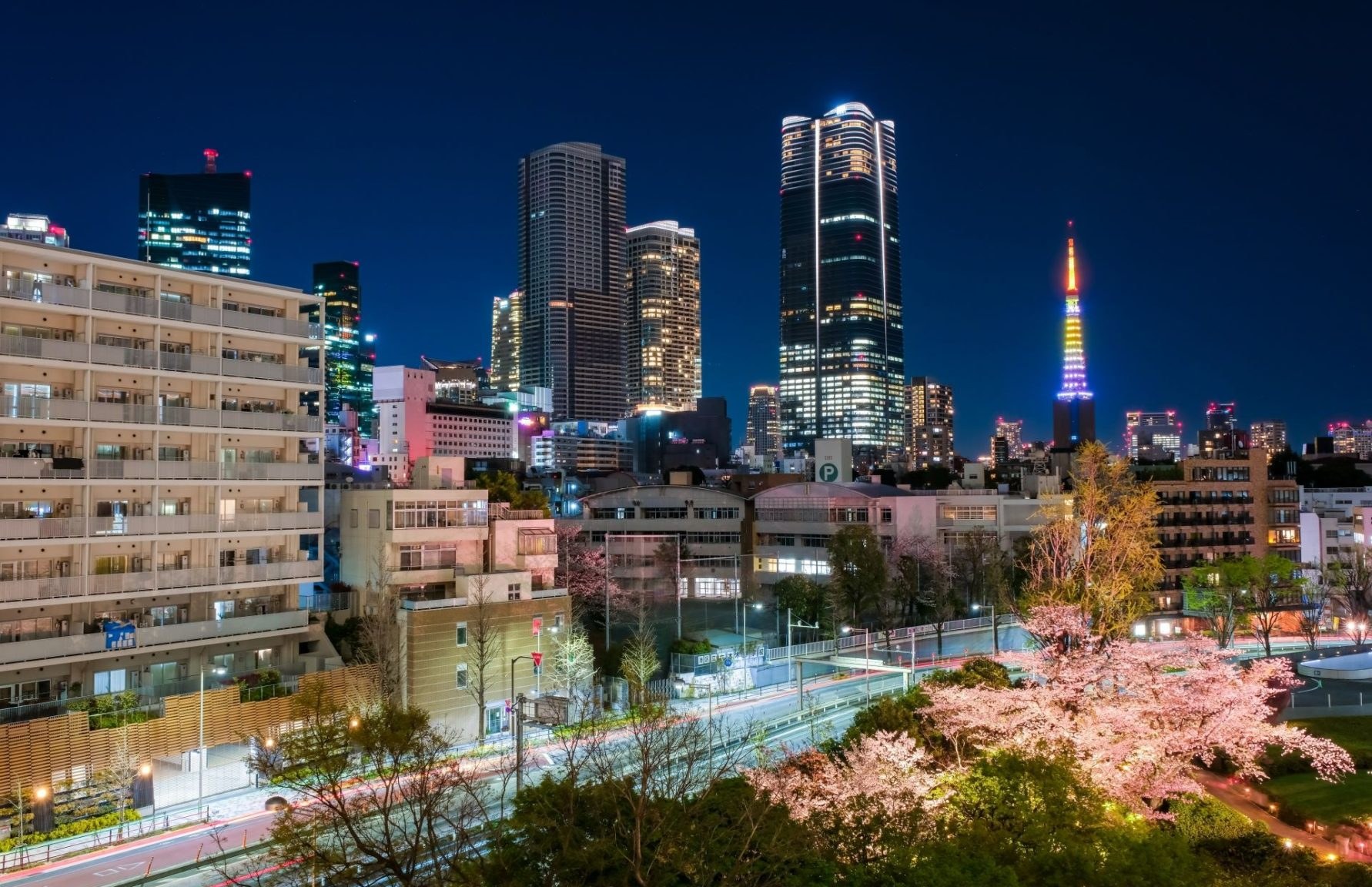
Return to central Tokyo for the Roppongi Art Triangle: the Mori Art Museum anchors a trio of contemporary institutions spanning fashion, architecture, and digital art (~$15–$20 per museum, verify when booking). Dinner wherever the gallery crowd leads you — Roppongi has no shortage of excellent izakaya.
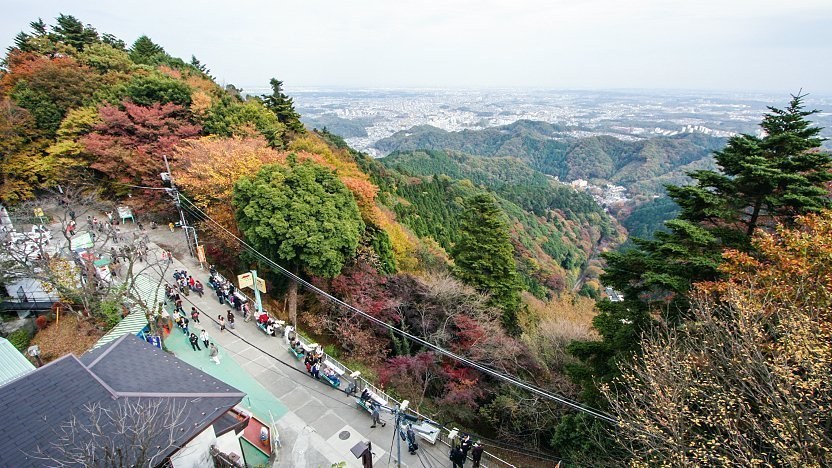
Rise early and drive 50 minutes west to Mount Takao. At 599 meters it's a manageable morning hike — the main trail to the summit takes roughly 90 minutes, passing the atmospheric Tengu Shrine along the way. Cable car available one-way (~$5, verify when booking) if you'd rather save your knees for the descent.
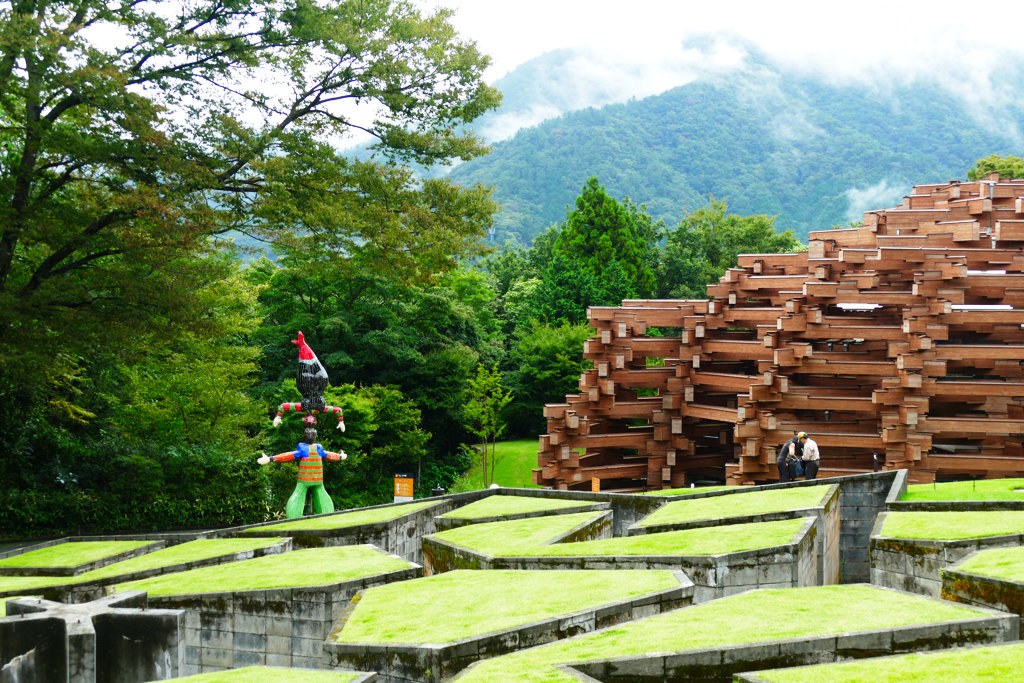
Continue southwest to the Hakone Open-Air Museum (~$16 admission, verify when booking), where 120 large-scale sculptures by Picasso, Henry Moore, and others sit across manicured grounds with views of the surrounding volcanic mountains. Budget 90 minutes minimum.
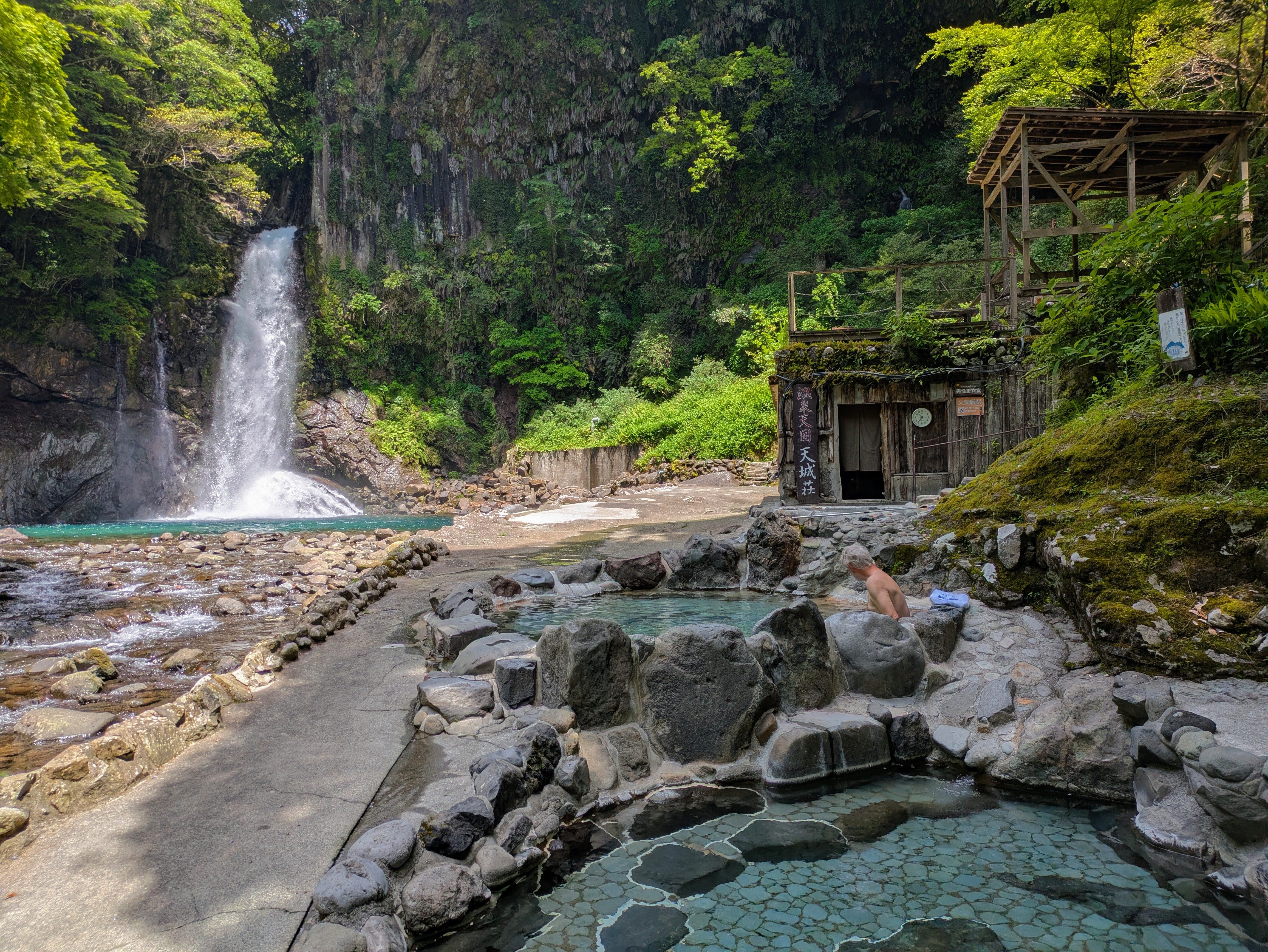
Then press south to the Izu Peninsula for the trip's crown jewel: a night at an Izu Peninsula Hot Spring Ryokan (~$250–$500 per person including kaiseki dinner and breakfast, verify when booking). Clifftop walking trails run along the coast, and a private onsen with ocean views will undo every knot the drive created. Kaiseki dinner — multi-course, hyper-seasonal, seafood-forward — is included.
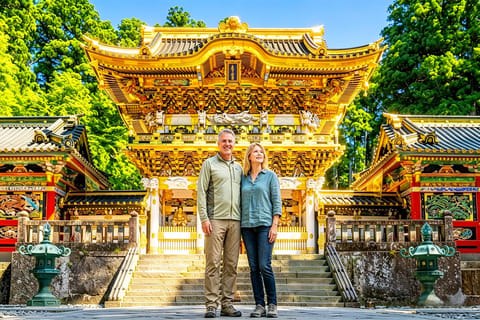
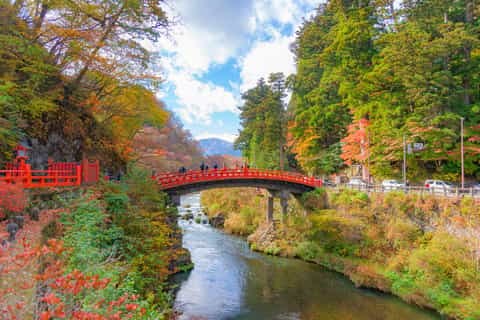
Drive north (roughly two and a half hours from Izu, or stage from Tokyo the night before) to Nikko Tōshō-gū Shrine (~$13 admission, verify when booking), the ornate 1617 mausoleum of Tokugawa Ieyasu. The carved, lacquered, gold-leafed gate alone justifies the trip. Afterward, continue to Lake Chuzenji for a short lakeside walk beneath the Kegon Falls viewpoint (~$5, verify when booking). Return the car to NRT by evening.
Three tiers, all excellent. The Park Hyatt Tokyo is the prestige pick — Shinjuku views, the New York Bar, impeccable service (~$500–$900/night, verify when booking). The Tokyo EDITION, Ginza offers Marriott's design-forward luxury brand steps from the gallery circuit (~$350–$700/night, verify when booking). For a design-conscious, apartment-style stay at a friendlier price, LYF Ginza Tokyo delivers communal-living polish in the heart of Ginza (~$100–$200/night, verify when booking).
Rent a car at NRT. Japan drives on the left; expressway tolls add up (~$30–$60/day in tolls for the routes described, verify when booking), and an ETC toll card simplifies payment. Parking in central Tokyo runs ~$20–$40/night at hotel garages. The car is non-negotiable for Izu, Hakone, and Nikko — public transit to these areas is possible but slower and less flexible.
Skip Golden Week (late April–early May) and Obon (mid-August) — expressways gridlock and ryokan prices spike. The sweet spots are late March for cherry blossoms, mid-November for autumn color, or January–February for uncrowded shrines and steaming onsen against cold air. You can compress this into three hard-charging days, but four lets you breathe — and breathing is the point of a hot-spring trip.
| Flights | 2 × $2,874 Business | $5,748 live |
| Hotels | 4 nights × $388 luxury | ~$1,552 |
| Rental car | 4 days × $64 | ~$256 |
| Excursions | this itinerary, entry → guided | $580–$2,172 |
| Food | 4 days, fine dining | ~$2,200 |
| Trip total | $10,336–$11,928 |
We may earn a commission when you book through these links, at no extra cost to you. Prices and availability are set by each partner.
Cruises that call within reach of Tokyo — each one opens as a full plan of its own: where to fly in, every port, and what the week runs.
Some links are affiliate links — we may earn a commission at no extra cost to you. See our Terms.