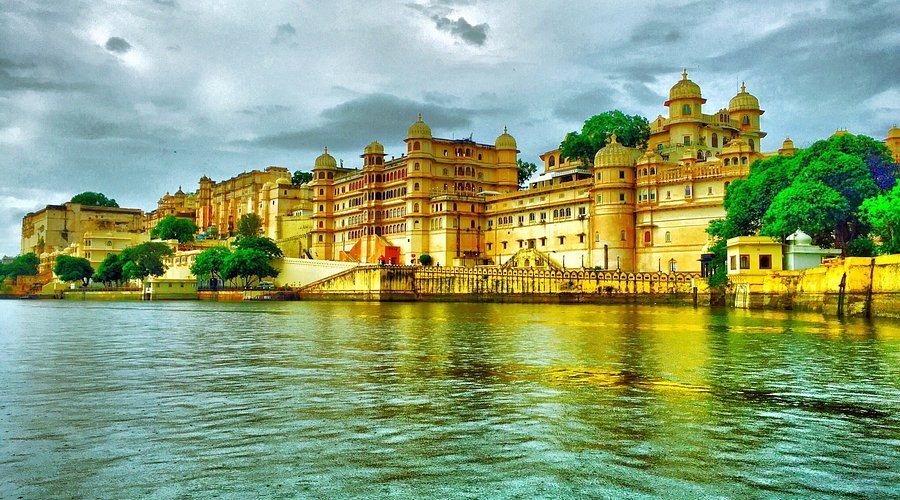
Rajasthani Heritage Adventure
Most visitors to Udaipur photograph Lake Pichola from a rooftop café, buy a miniature painting, and leave. That's a fine trip, but it's about fifteen percent of what this city — and the wild, stone-carved landscape around it — can actually deliver. The version below sends you onto the lake before sunrise with ornithologists, into a haveli kitchen grinding cumin in a centuries-old mortar, up a 36-kilometer wall of fortifications in the Aravalli Hills, and out to the Thar Desert's edge for a night under more stars than you thought existed. Four days, one rental car, and a willingness to get dust on your shoes.
Fly into Maharana Pratap Airport (UDR), Udaipur's compact gateway with solid domestic connections from Delhi, Mumbai, and Jaipur, plus seasonal links from Hyderabad and Bangalore. In business class, the roughly two-hour hop from Delhi or Mumbai becomes a genuinely pleasant opening act — a proper meal, a flat seat if you're coming off a red-eye connection, and enough composure to hit the ground ready. UDR is only about 25 kilometers from the old city, so you'll be lakeside within forty minutes of wheels-down.
Business from $7,430 roundtrip from our cheapest gateway — check fares from your home airport →
Start before the city wakes. The Private Lake Pichola Birdwatching Expedition puts you on the water at dawn with ornithologists scanning the shallows for painted storks, sarus cranes, and — between October and March — rare Palearctic migrants that winter here. The silence at that hour, broken only by wingbeats and the dip of oars, is worth the early alarm (~$60–$100 per person, verify when booking).
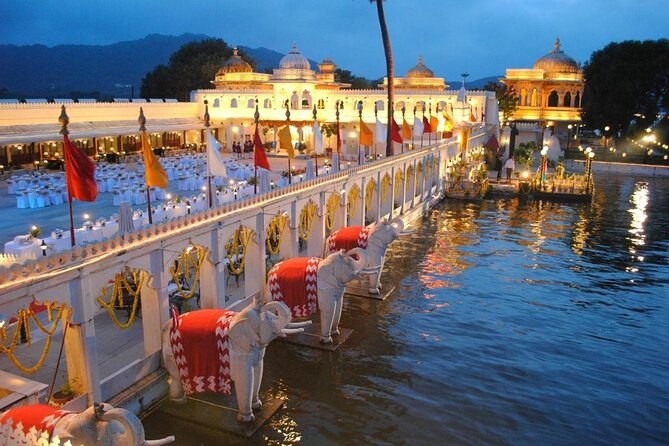
Mid-morning, take a private boat to Jag Mandir, the 17th-century pleasure palace on its own island within Lake Pichola. Walk the marble chambers, the elephant courtyard, and the gardens where Shah Jahan once took refuge — a story your boatman will tell better than any plaque (~$15–$30 for the boat crossing and entry, verify when booking).
Afternoon: the Bagore Ki Haveli Cooking Class. In the haveli's kitchen courtyard, you'll stone-grind spices in ancestral mortars and cook dal baati churma, gatte ki sabzi, and other Rajasthani-Marwari staples over open flame alongside local cooks who treat recipes like oral history. Eat everything you make (~$40–$70 per person, verify when booking).
Pick up your rental car and drive south — about 90 minutes — to Dungarpur Bastion, a fort-palace hybrid that most guidebooks ignore entirely. The intricate stonework rivals anything in Jaipur, but you'll likely have the hidden chambers and carved jharokhas almost to yourself. Local guides offer detailed oral histories of the Dungarpur rulers that bring the architecture alive (~$10–$20 entry and guide, verify when booking).
Back in Udaipur by mid-afternoon, visit the Dharohar artisan collective and textile workshop, where working studios of block-print, natural-dye, and weaving artisans let you watch masters at the loom and commission custom textiles (~$5–$15 entry; commissions vary). Then stop at Badi Village and the Shilpgram rural arts complex — a 70-acre living museum with state-specific huts representing Rajasthan, Gujarat, Maharashtra, and Goa, where metalworkers and potters demonstrate craft traditions in real time (~$5–$10 entry, verify when booking).
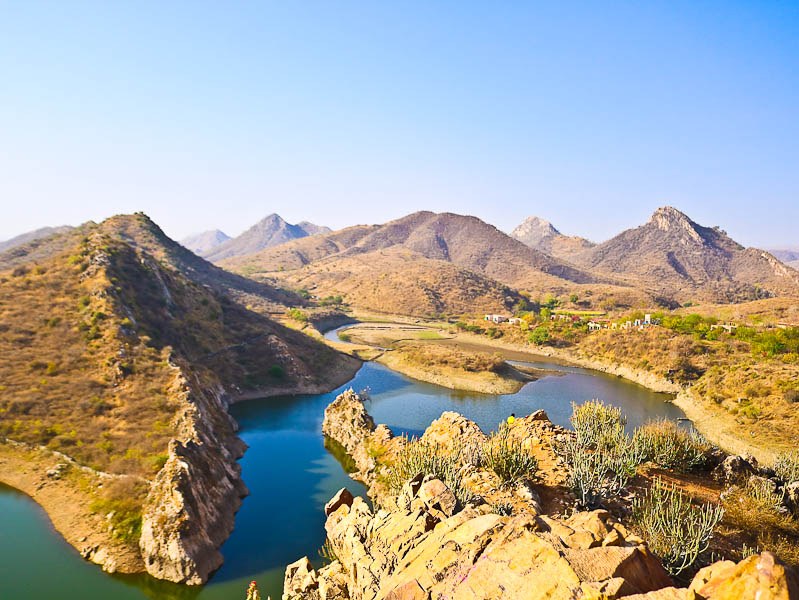
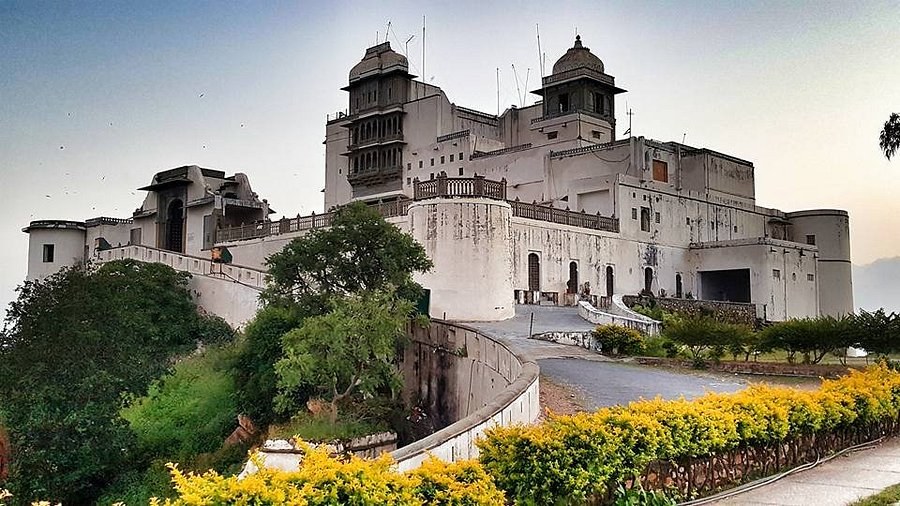
End the day at the Monsoon Palace (Sajjangarh). Drive up the hill road to this 19th-century palace built for watching storm clouds roll in. The 360-degree panorama — three lakes, the old city's white sprawl, the Aravallis fading blue to the horizon — is staggering at sunset (~$10–$15 entry plus vehicle fee, verify when booking).
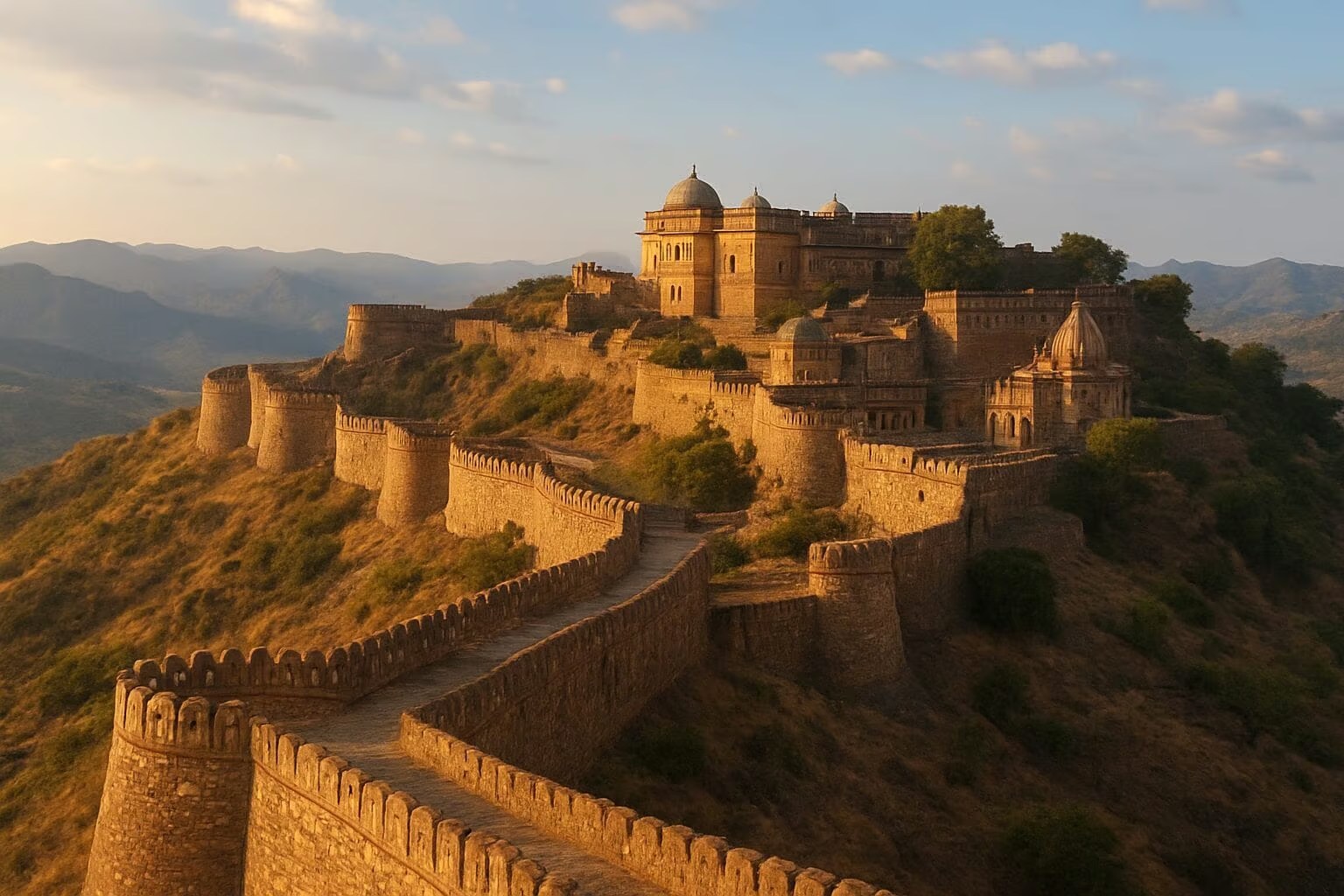
Drive north to Kumbhalgarh Fort, about two and a half hours through increasingly dramatic Aravalli terrain. The fort's 36 kilometers of ramparts — second only to the Great Wall in continuous length — enclose 360 temples, palaces, and underground passages. Trek the forested hillside approach for the full effect; give yourself at least three hours inside the walls (~$8–$15 entry, verify when booking).
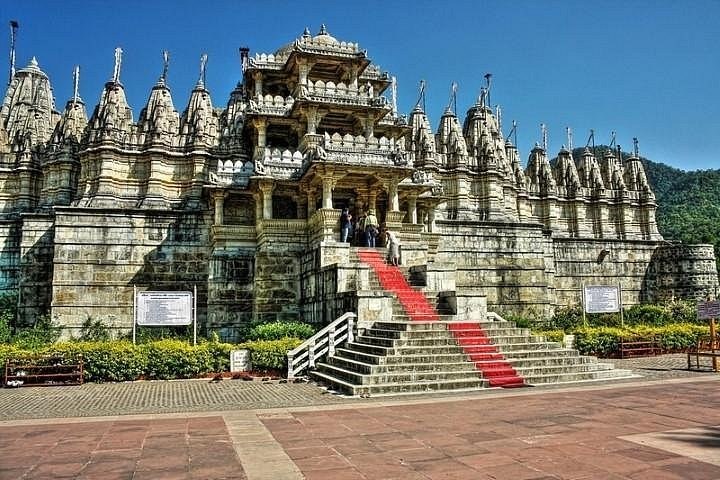
On the return route, stop at the Ranakpur Jain Temple, a 15th-century white marble masterpiece dedicated to Tirthankara Rishabhanatha. Its 1,444 individually carved pillars — no two identical — create a hypnotic play of light and geometry that rewards slow walking and close looking (~$5–$10 entry for non-Jain visitors, verify when booking). Also visit the Rohit Bal Fashion Museum, a private museum and studio showcasing archival textile collections spanning three decades of contemporary Indian design — a sharp counterpoint to the ancient craft you've been absorbing (~$10–$25, verify when booking).
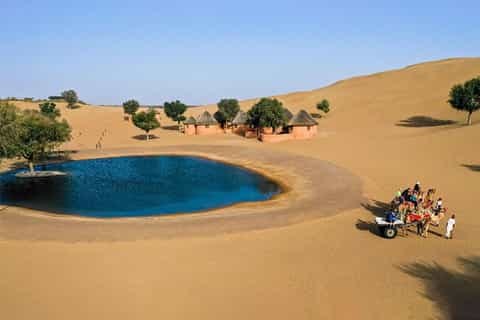
If a fourth day is available, choose your finale: Khimsar Sand Dunes for a camel safari on the Thar Desert's edge, with evening bonfires and heritage haveli stays (~$80–$150 for safari and camp, verify when booking), or Jaisamand Lake for guided kayaking through Rajasthan's second-largest artificial reservoir, surrounded by tiger reserve forests where you may spot crocodiles, leopard tracks, and migrant birds (~$30–$60 for kayak tour, verify when booking). Both are roughly two to three hours from Udaipur by car and feel like entirely different countries.
Three strong options at different registers. Raffles Udaipur is the flagship — a private island property on Udai Sagar lake with spa pavilions and the brand's signature butler service (~$400–$700/night, verify when booking). The Ananta Udaipur sprawls across a hillside with pool villas, an Ayurvedic spa, and views that justify the drive from the old city (~$150–$300/night, verify when booking). Lake Pichola Hotel sits right on the waterfront in the heart of the old town — smaller, more personal, and ideal if you want to walk to ghats and havelis (~$80–$160/night, verify when booking). Mix and match: two nights lakeside, one at the Ananta for the pool day you'll need after Kumbhalgarh.
Rent a car at UDR. Self-drive is feasible if you're comfortable with Indian roads; otherwise, most rental agencies offer a driver for a modest daily surcharge (~$30–$60/day for car rental, driver extra, verify when booking). You'll want wheels for Dungarpur, Kumbhalgarh, Ranakpur, and any desert or lake excursion — taxis exist but scheduling them for full-day runs gets expensive and inflexible.
Skip the overpriced sunset boat cruises marketed at every hotel — you'll already be on the lake at dawn, which is better in every way. The City Palace museum is worth a walk-through but doesn't need the three-hour guided tour most operators sell. Best window: October through March, when migrant birds are present, temperatures sit between 15°C and 30°C, and the light is clean and golden. Avoid April through June — the heat is punishing and the lakes can be low. Monsoon season (July–September) is dramatic and uncrowded, but some outdoor excursions may be limited.
| Flights | 2 × $7,430 Business | $14,860 live |
| Hotels | 4 nights × $150 luxury | ~$600 |
| Rental car | 4 days × $70 | ~$280 |
| Excursions | this itinerary, entry → guided | $104–$608 |
| Food | 4 days, fine dining | ~$480 |
| Trip total | $16,324–$16,828 |
We may earn a commission when you book through these links, at no extra cost to you. Prices and availability are set by each partner.

Some links are affiliate links — we may earn a commission at no extra cost to you. See our Terms.