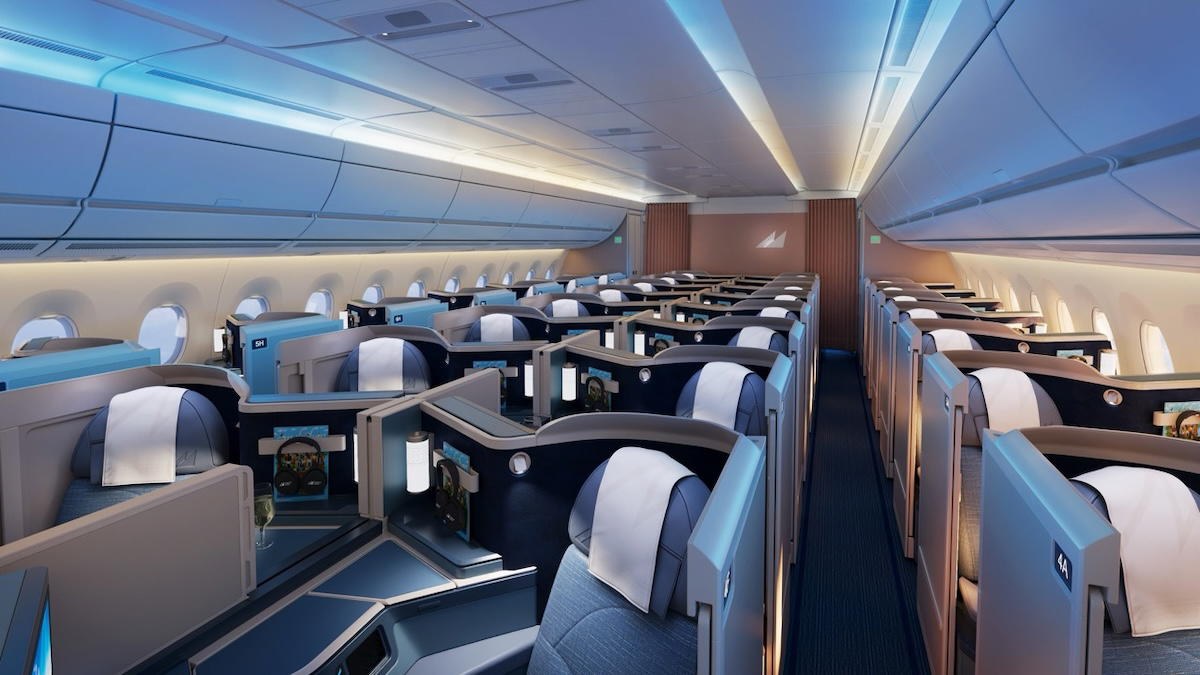
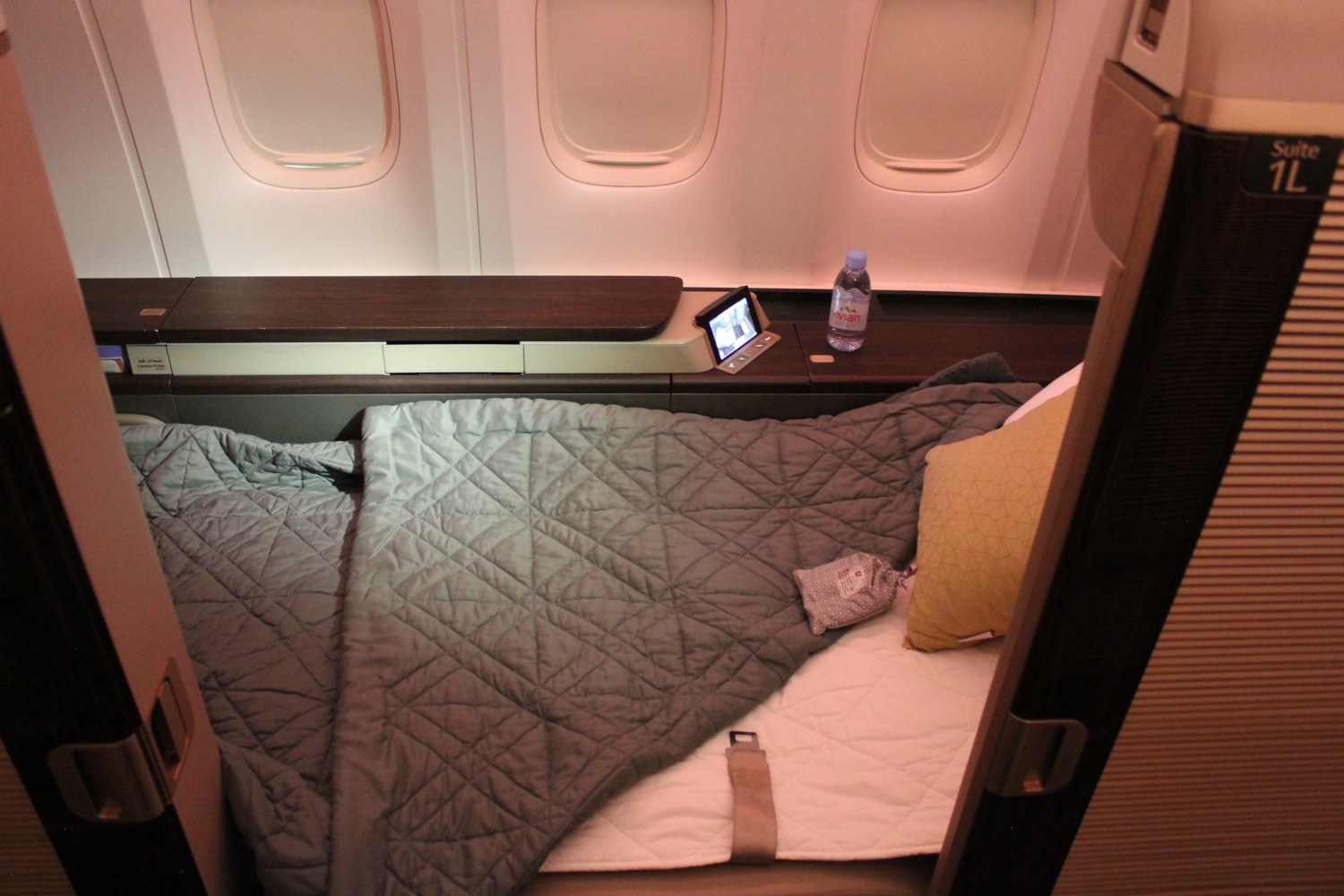
Air Canada’s Aeroplan program is about to make premium cabin redemptions meaningfully more expensive. Effective for bookings on or after June 1, 2026, the fixed partner award chart sees business class jumps of 7-17% on the most popular transatlantic and transpacific routes, with first class climbing as high as 20%. You have until the end of May 20 to lock in current pricing.
The damage is concentrated where it hurts most. For North America to Europe in the 4,001–6,000-mile band — think New York to London, Chicago to Frankfurt, or Boston to Paris on Lufthansa, United, or Swiss — partner business class rises from 70,000 to 75,000 points one-way. First class takes a bigger hit, moving from 100,000 to 120,000 points.
Further east or on longer routings, the increases compound. North America–Atlantic business in the 8,001+ mile band climbs from 100,000 to 110,000 points on Air Canada metal, while partner first class jumps from 140,000 to 165,000. That’s not pocket change when you’re burning six figures of points for a flat bed and decent Champagne.
The Asia routes that sting
The real gut punch lands on North America–Pacific awards. The 7,501–11,000-mile band, which covers the sweet spot for ANA, EVA Air, Singapore Airlines, and Asiana flights from the West Coast to Tokyo, Seoul, Taipei, or Singapore, sees partner business class leap from 87,500 to 102,500 points one-way — a clean 17% increase. First class edges up from 130,000 to 140,000.
Shorter Pacific hops in the 5,001–7,500-mile band aren’t spared either: business moves from 75,000 to 85,000 on select partners. These were some of the last genuinely efficient ways to reach Asia in a proper lie-flat seat without surrendering your firstborn to dynamic pricing.
Air Canada’s own metal sees even more creative math in certain ultra-long bands, with one reported business class segment jumping a comical 67% from 60,000 to 100,000 points. The message is clear: the inefficiencies the program tolerated for years are being corrected, mostly in the direction of your wallet.
How it stacks up against Star Alliance cousins
Post-devaluation, Aeroplan loses some of its pricing edge. United MileagePlus already prices many partner business awards to Europe around 60,000–88,000 miles and Asia in the 70,000–110,000 range depending on the carrier and season. The new Aeroplan rates narrow that gap considerably, especially once you factor in United’s occasional cardholder discounts.
Lufthansa Miles & More remains more punitive on its own metal for North Americans, often requiring higher mileage plus hefty surcharges. Aeroplan’s advantage was always its broad partner access and stopover flexibility. That still exists, but you’ll now pay closer to market rate for the privilege.
The program isn’t dead. Short-haul intra-Europe business drops nicely in the lowest band, and a few economy sweet spots actually improved. But if your portfolio includes serious premium long-haul aspirations, the next 18 days matter.
Smart move: Search aggressively now for the routes you actually want to fly. Availability on ANA, Swiss, Lufthansa First, and Singapore Suites won’t get easier after the price hike, and Aeroplan still lets you cancel most partner awards for a modest fee if plans change. Book the 70k Europe business or 87.5k Asia business tickets today. The 75k or 102.5k versions coming in June feel a lot less clever.
Don’t overthink marginal routings or settle for mediocre carriers just to beat the deadline. Focus on the trips that justify the points — proper business class on a great airline where the hard product and service actually deliver. Those are the redemptions worth protecting.
Action item: Log into your Aeroplan account this week, pull up the current award calendar for your target routes to Europe or Asia in business or first, and book before May 20. The 15,000–25,000 extra points per direction add up fast, and availability has a habit of disappearing right when you need it most.