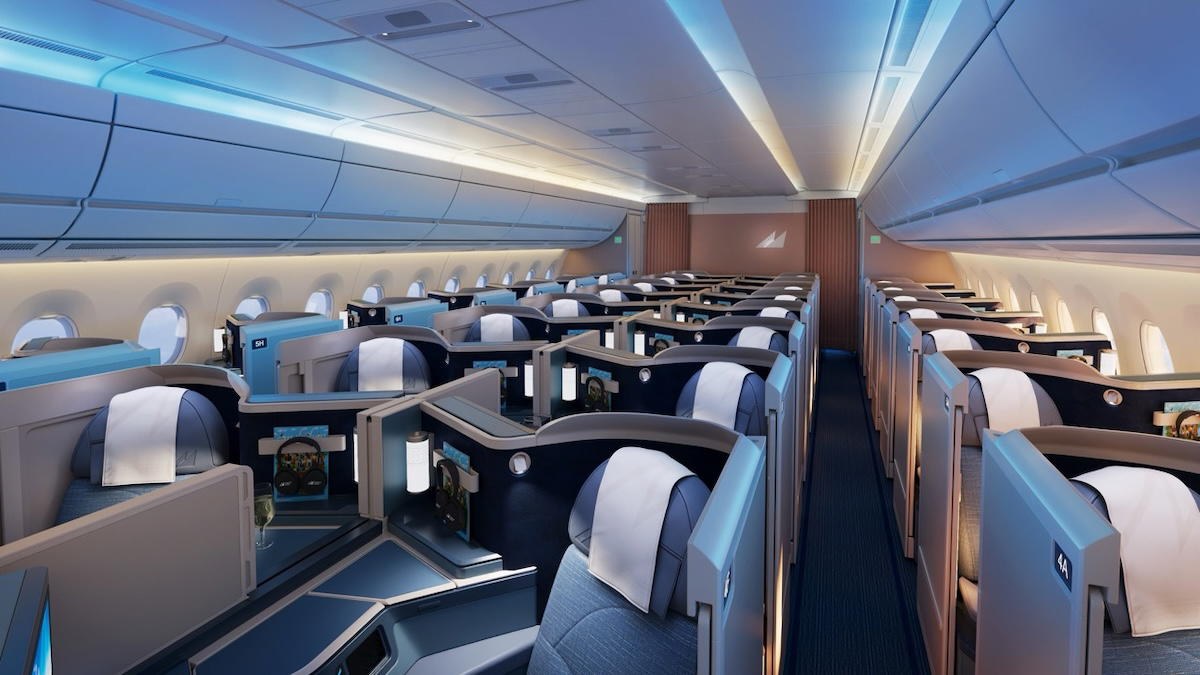
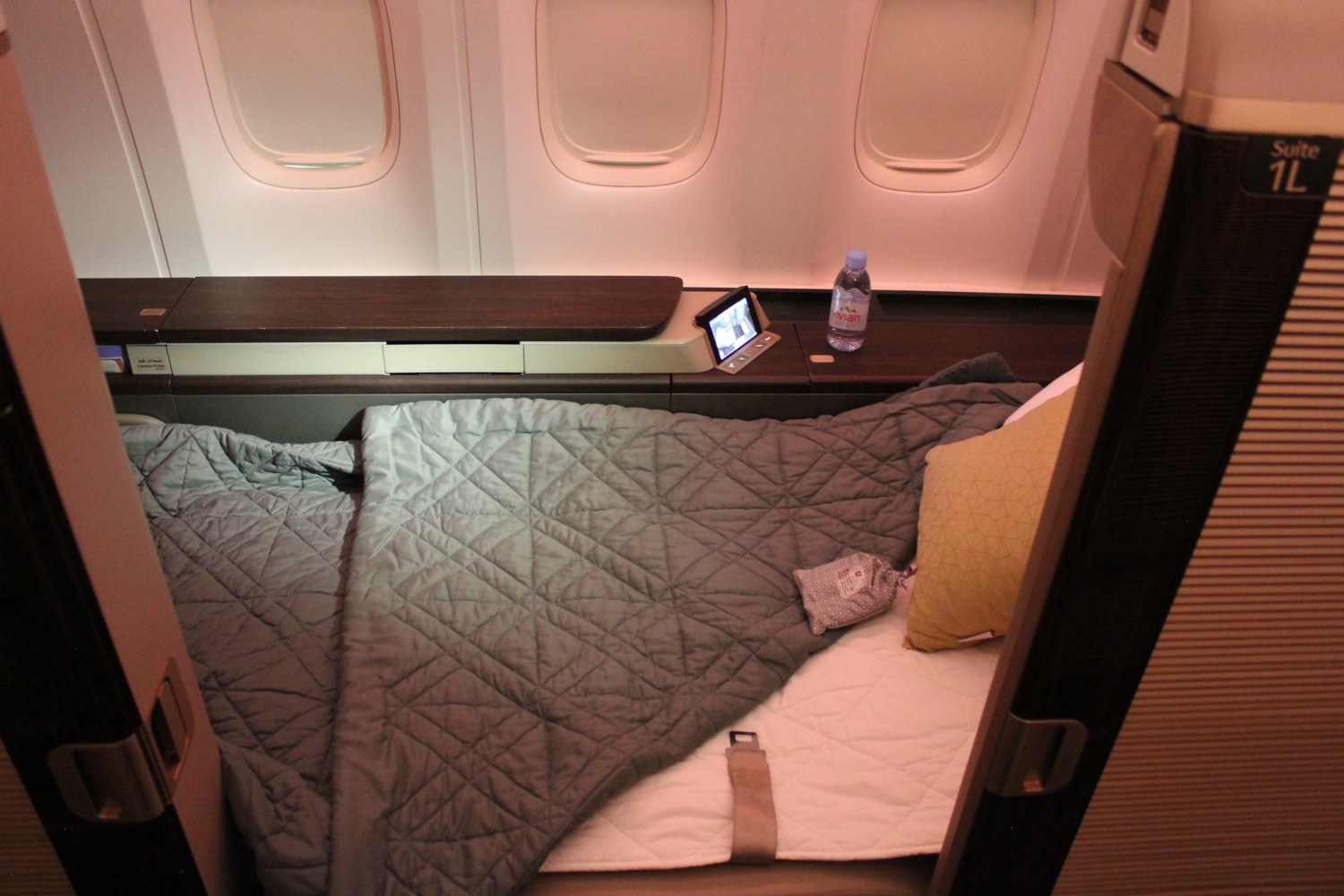
Aeroplan charges you a mere 5,000 points to add a stopover of up to 45 days on a one-way award. That turns one business class ticket into two distinct luxury destinations for pocket change in points terms.
Most programs treat stopovers like a rare favor or ban them outright on awards. Aeroplan just tacks on a flat fee and lets you play. No fuel surcharges on partners, one-way pricing, and a network that actually supports complex Asia-Pacific routings. This is the hack that makes premium cabin awards in that part of the world far less painful.
Current Stopover Rules
One stopover per direction: 5,000 points each, up to 45 days (minimum 24 hours to qualify). Book online via the multi-city tool on aircanada.com or call the contact center for trickier routings.
Hard restrictions: no stopovers in Canada or the United States. China is also off-limits for stopovers. Everywhere else is fair game—think Istanbul, Singapore, Bangkok, Tokyo, Dubai, or even smaller gems if award space exists. No backtracking through the same airport, and total routing can’t exceed twice the direct distance.
The chart prices the entire journey based on cumulative distance, so a strategic stopover sometimes keeps you in a cheaper band than you’d expect. Sweet.
How It Crushes Other Star Alliance Programs
United MileagePlus? Stopovers exist in theory but good luck finding availability or reasonable pricing on anything premium. ANA requires round-trips for complimentary stopovers and limits them tightly. Lufthansa Miles & More charges more or restricts them to specific fares. Singapore KrisFlyer? Often no stopovers on saver awards.
Aeroplan wins by making it cheap, flexible, and bookable online in many cases. For Asia-Pacific trips, where separate awards can easily run 150,000+ points round-trip in business, that 5,000-point adder starts looking like theft—in a good way.
Real Numbers: Business Class Examples
North America to Pacific zone business class on partners typically runs 87,500–130,000 points one-way depending on distance band. Add a stopover in Istanbul on the way to Singapore or Bangkok and you’re at roughly 92,500–135,000 total. Two cities, two luxury experiences, one ticket.
Want more? Fly North America to Europe (Atlantic zone, ~70,000–100,000 business), stop in Frankfurt or Paris for a few days, then continue to Southeast Asia under Pacific pricing. The combined distance often prices better than two separate awards. Separate tickets would cost you 150,000–200,000+ points and double the taxes.
Round-trip version: one stopover outbound, one inbound. Ten thousand points for what feels like a mini RTW in business class. The sort of thing that makes your points nerd friends quietly jealous.
It’s not perfect—availability still rules, online search sometimes needs coaxing, and partner agents can be inconsistent. But when it works, it’s absurdly efficient.
Stop Being Basic
Quit burning points on simple out-and-back awards. The next time you’re eyeing a long-haul business redemption to Asia, force a stopover into the itinerary. Target hubs with good award space on Star Alliance partners: Turkish via Istanbul, Lufthansa via Frankfurt or Munich, ANA or Thai via Tokyo or Bangkok.
Check distance on gcmap.com first so you don’t accidentally jump into a higher pricing band. Search segments individually, then combine in the multi-city tool with the stopover option selected.
Do this now: Log into Aeroplan, pick your next Asia or Europe trip, and test one stopover routing in business class. You’ll either find a ridiculous deal or confirm why everyone keeps their Aeroplan balance topped up. Either way, you win.