Air France-KLM's Flying Blue just made its miles a whole lot less suicidal. Effective May 4, 2026, the program unified its expiration policy: all miles now share a single 24-month validity period. Any earning activity — flying, hotel stays, car rentals, partner purchases, or transferring in points from Chase or Amex — resets the clock on your entire balance.
Previously, it was a bureaucratic nightmare. Miles earned from flights or co-branded cards extended everything, but partner-earned miles (including bank transfers) only protected themselves. You tracked multiple buckets like a deranged accountant. That nonsense is gone. One balance, one date, one small transfer keeps everything alive.
This isn't revolutionary — Delta, United, and Southwest don't expire miles at all — but it's a meaningful upgrade in a world where American still clings to 18-month inactivity rules. Flying Blue now functions as legitimate long-term storage rather than a use-it-or-lose-it fire sale. Perfect timing, too, as other programs quietly tighten award space and devalue charts.
The Parking Strategy
Smart travelers are treating Flying Blue as a strategic parking spot for Chase Ultimate Rewards and Amex Membership Rewards. Both transfer at a 1:1 ratio (Chase is currently offering a 20% bonus through May 27, turning 1,000 UR into 1,200 miles). Amex remains 1:1 for U.S. cardholders, though some international markets face changes in July.
Transfer bonuses to Flying Blue appear multiple times a year — Chase and Amex have run 20-25% offers with predictable frequency. The new policy means you no longer need to worry that parked miles will fragment and partially vanish. A single 5,000-point transfer every two years (or any other earning activity) protects your stash indefinitely.
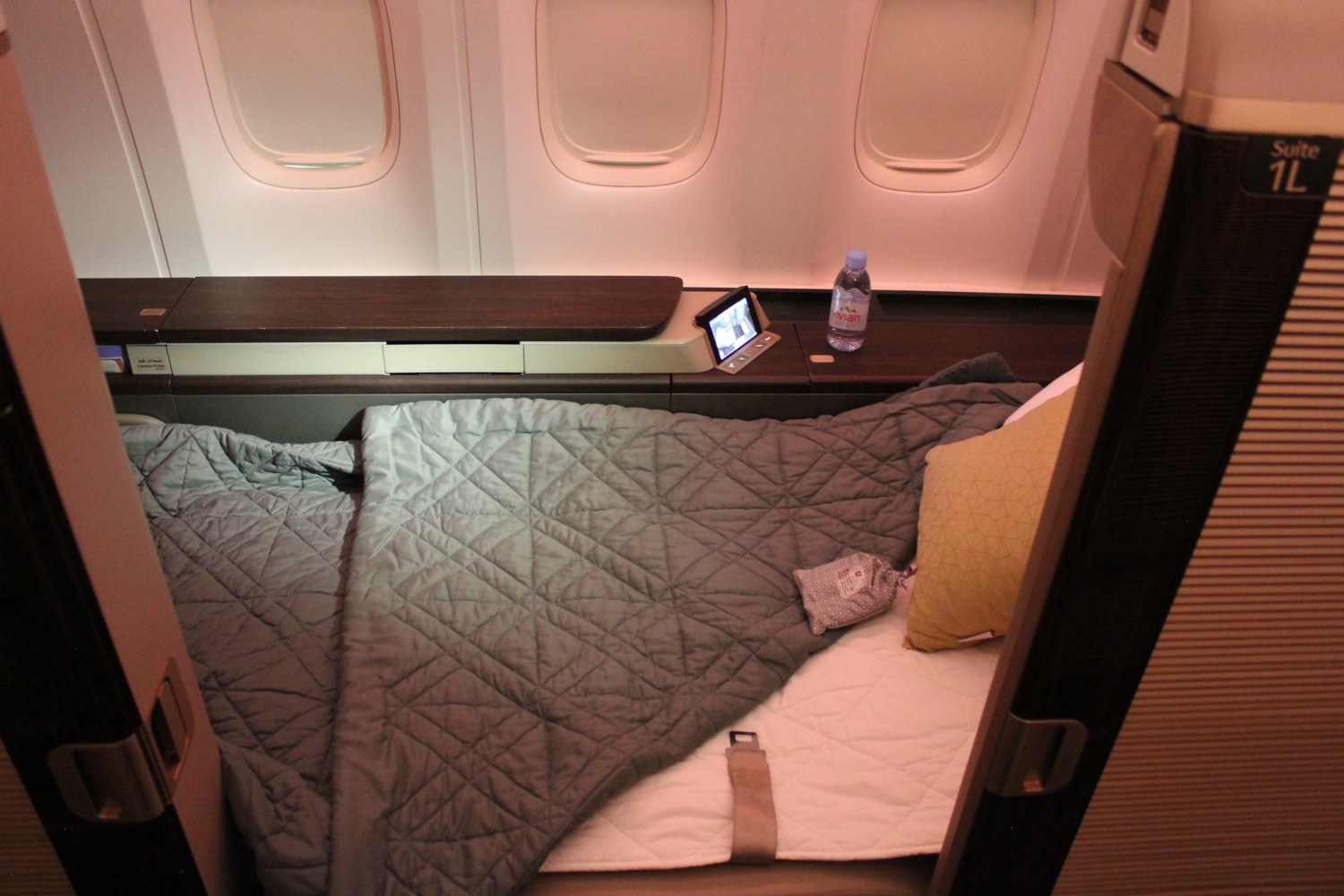
Why bother? Premium redemptions to Europe remain competitive. Expect to pay 55,000–75,000 miles one-way for business class from the U.S. East Coast on KLM or Air France during decent availability, sometimes dipping to 50,000–60,000 on Promo Rewards. La Première first class starts around 100,000–150,000. Those rates beat many U.S. carrier programs when saver space exists, especially with low taxes out of Amsterdam.
Compare that to programs that have grown stingier. United's dynamic pricing can spike Polaris business to Europe well over 100,000 miles. Delta's award prices fluctuate wildly. Flying Blue's monthly Promo Rewards still deliver genuine discounts — 25-50% off select routes — that feel increasingly rare elsewhere.
Where This Fits in Your Portfolio
This doesn't mean dumping every point into Flying Blue tomorrow. The program still uses dynamic pricing with surcharges that sting on Air France metal. Availability can be frustrating during peak summer. But for travelers with concrete plans for business class to Paris, Amsterdam, or beyond in the next 3-5 years, it's now a viable hedge.
Park enough to cover two or three strong redemptions. Keep the rest liquid in Chase and Amex until you see award space. The 20% Chase bonus running right now is worth taking seriously if your target routes align. Transfer, then set a calendar reminder to earn something small every 20 months. Or better, just book a cheap intra-Europe flight or partner hotel stay when the time comes.
Most points programs treat your balance like a suspicious package. Flying Blue finally stopped playing games. Use that.
Action item: If you have upcoming premium cabin plans to Europe, transfer 60,000–120,000 points per traveler from Chase or Amex this month while the 20% bonus lasts. Confirm at least one award before moving more. Then forget about expiration for two years.