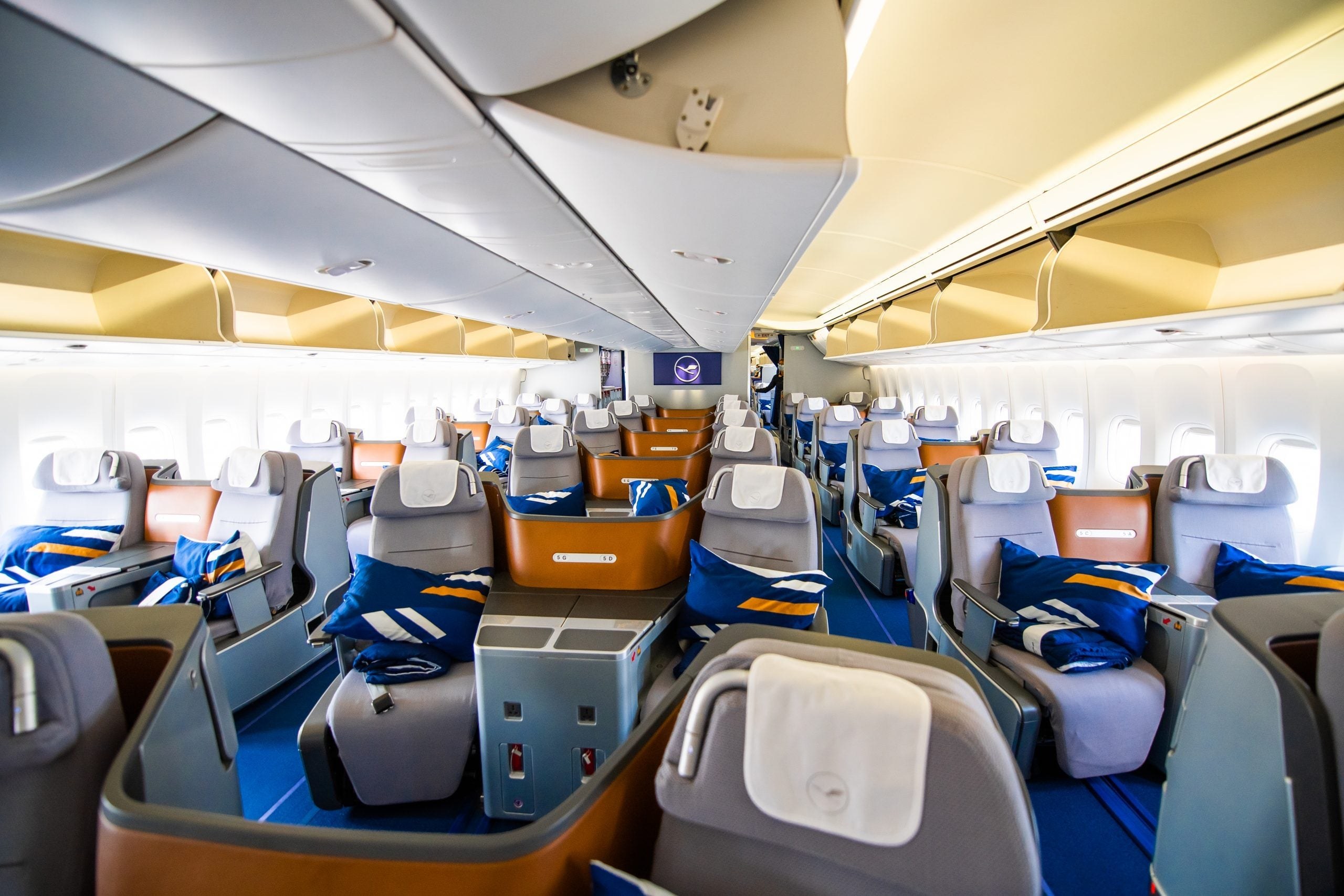
Royal Caribbean has oversold the July 2, 2026, sailing of Freedom of the Seas from Miami, a short Bahamas run hitting CocoCay and Nassau right over the July 4 holiday. Instead of playing roulette at the pier, the line is emailing select guests with flexible plans, dangling real money to step aside voluntarily.
The offers are straightforward and, for once, worth considering if your calendar isn’t bolted to the dock. Option one: Switch to a similar sailing a few weeks later on the same ship. You get a full refund of the cruise fare (taxes and prepaid amenities excluded), $300 in non-refundable onboard credit per stateroom, reimbursement for non-refundable flights and hotels, and a fresh Future Cruise Credit (FCC) if you use the new booking.
Option two is cleaner for the optimizer: Cancel outright. Full refund plus a 100% FCC valid for one year on any Royal Caribbean sailing. Same reimbursement for pre-paid travel costs. Response deadline is tight — July 1, 2026, or you sail the original itinerary. It’s first-come, first-served based on availability.
The Voluntary Play vs. What They Actually Owe You
Royal Caribbean’s official stance on overbooking is classic corporate minimalism. If they deny you boarding at the terminal — the true involuntary bump — you’re entitled to a full refund and some form of FCC, but history shows it often starts stingy (think 25% in past incidents) before public pressure or social media turns it into something closer to 100% plus drinks. They hate handing out cash at the gangway.
That’s why they’re courting volunteers now. The current offers beat the likely involuntary outcome, especially with the $300 OBC sweetener and full travel expense coverage. Savvy cruisers treat this like a points hack: flexibility is your premium currency. If you can shift dates without wrecking family plans or work, take the deal. A free future cruise plus credit turns one holiday sail into two.
Crown & Anchor Status: It Helps, But Not How You Think
Higher-tier Crown & Anchor members (Diamond and above) often see better or faster offers in these situations — think upgraded alternatives or slightly fatter credits. The line prioritizes keeping loyalists happy. That said, there’s no published policy guaranteeing bigger bumps based on status. It’s relationship-driven, which is why your TA or direct booking rep matters more than your tier badge.
Travel insurance is mostly useless here. Standard policies, including Royal’s own, treat overbooking as a schedule change, not a covered cancellation or delay. Trip interruption coverage rarely kicks in for voluntary rebooks, and “denied boarding” claims get messy when the line is waving refunds and FCCs. Buy insurance for medical or hurricane drama, not this.
How to Actually Play It
If you’re booked on this one and haven’t heard anything, check your spam folder and the Royal app. No email doesn’t mean you’re safe; offers go out in waves. If you receive one, don’t accept the first number. Call and ask what else is on the table — upgrades, extra OBC, or a better FCC window have been negotiated before. Mention your status, how many cruises you’ve done, and that you’re a repeat customer who books suites or high-category cabins. They want this solved quietly.
Opinion: Take the voluntary bump if the math works. Holiday sailings are chaotic anyway — packed pools, screaming kids, and surly staff on their third double shift. Pocket the $300 OBC, book a quieter shoulder-season cruise, and laugh while your future sailing is half-paid. Royal overbooks because no-shows happen. Make their problem your arbitrage.
Action item: Log into your Royal account today, review your booking, and if the offer lands in your inbox, respond before July 1 with a counter. Flexibility pays better than patriotism this Independence Day.