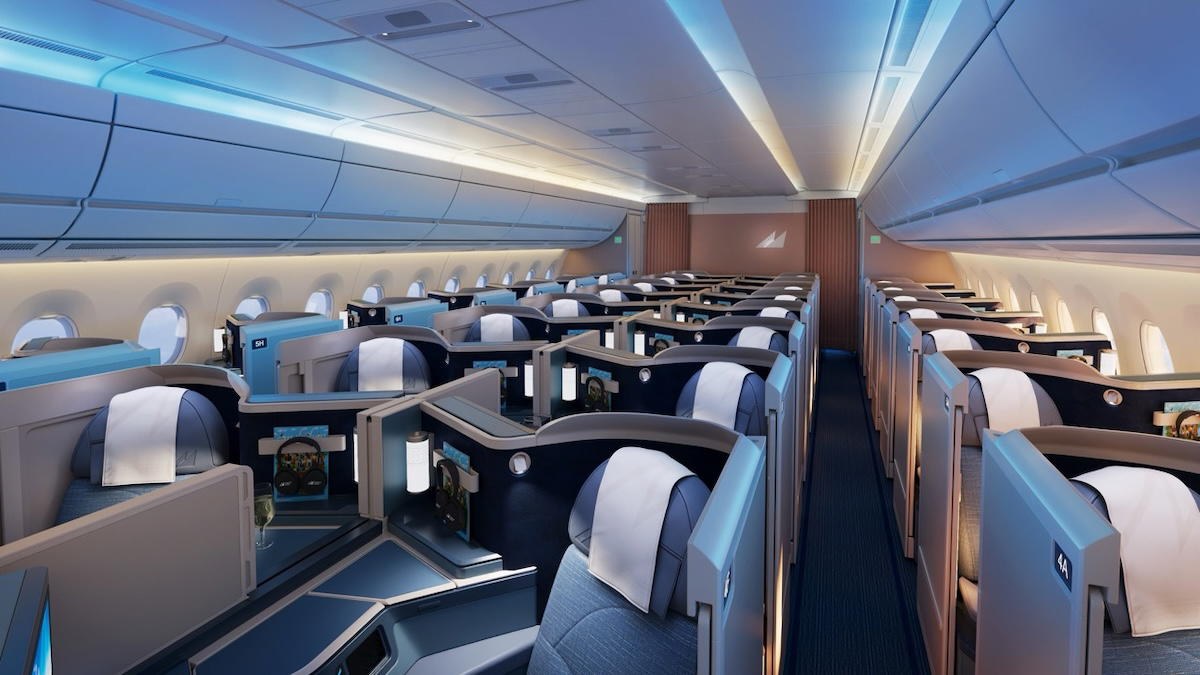
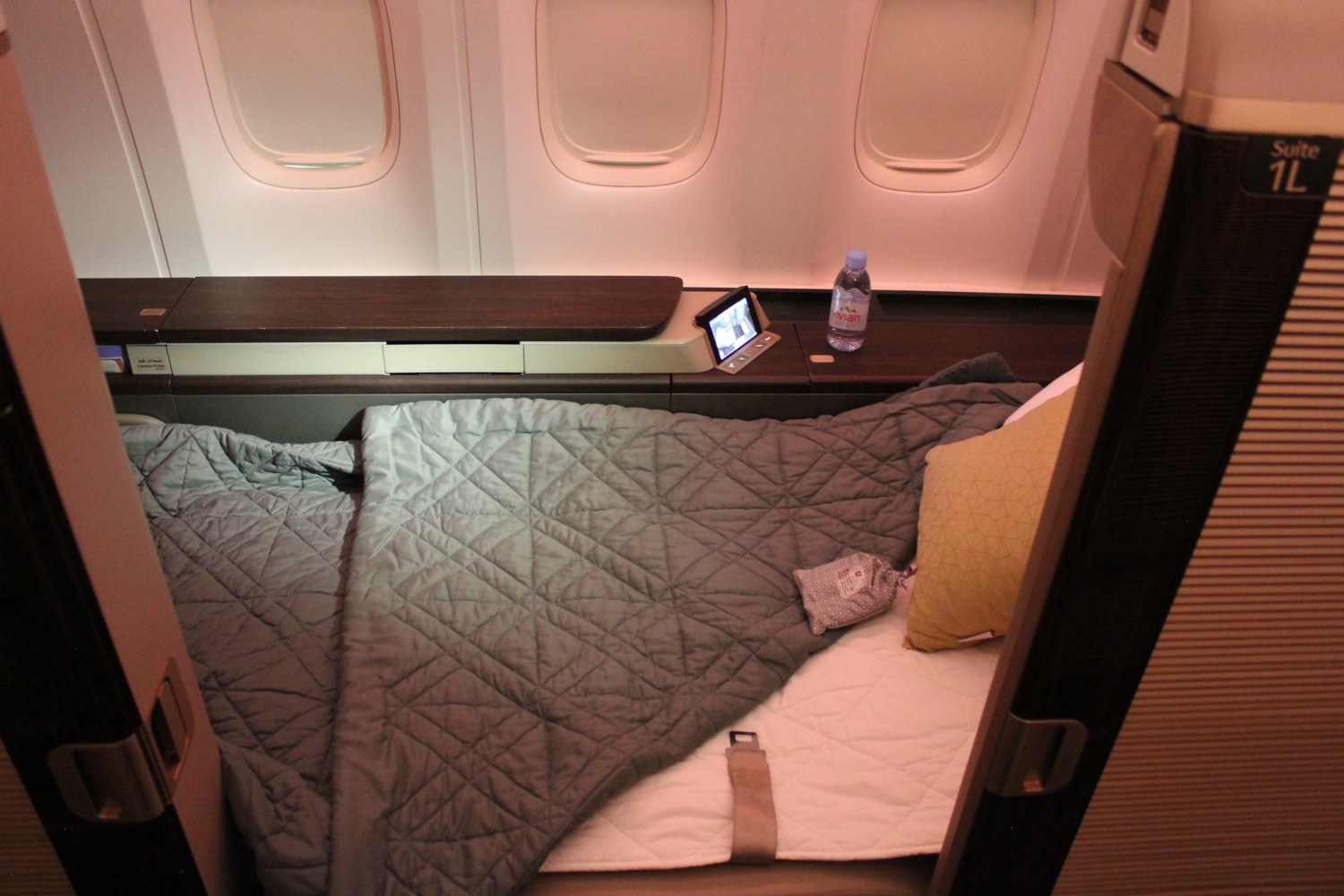
Starting with tickets issued on or after April 2, 2026, United MileagePlus cardholders redeem awards on United and United Express flights for at least 10% fewer miles than everyone else. Premier members holding an eligible card get 15%. Non-cardholders pay the full dynamic price.
This isn’t a limited promotion or targeted offer. It’s the new baseline. A 15,000-mile economy award drops to 13,500 for basic cardholders. That Polaris business class seat priced at 200,000? Closer to 170,000 with status. The math is brutally simple: flying United without one of their cards now carries a permanent surcharge.
Qualifying cards include the United Explorer ($150 annual fee after first-year waiver), Quest ($350), and Club Infinite ($695). The no-fee Gateway and the debit card require $10,000 in annual spend to unlock the discount. All must be primary cards in your MileagePlus account. Partner awards, Star Alliance redemptions, and Money + Miles bookings are excluded — this perk is strictly for United metal.
The Fee Math That United Wants You to Run
The Explorer’s $150 fee is easy to justify if you redeem even one or two awards a year. The Quest at $350 throws in $200 TravelBank credit and an annual 10,000-mile award discount, making the net cost negligible for heavy users. The $695 Club Infinite buys lounge access that alone can exceed the fee if you’re in United Clubs regularly.
Compare that to the competition. Delta gives its Platinum and higher cards a flat 15% off SkyMiles awards with no two-tier split for non-cardholders. American and Southwest haven’t gone nearly this far. United just turned its co-branded cards into the price of admission for efficient redemptions. It’s the most aggressive credit card tie-in a major U.S. carrier has attempted.
Dynamic pricing already makes award charts feel like fiction. Now the chart has two columns: one for the haves, one for the have-nots. The gap only widens when you layer in the expanded Saver award inventory cardholders see and the doubled earning rates on United purchases.
Elite status helps — Premier members with a card get that extra 5% — but the real dividing line is plastic. A non-status Explorer holder still beats a 1K without a card. That’s a fundamental shift.
The humor here is dark if you’ve been happily award-traveling on pure Miles earned from transfers or status. United looked at its most valuable customers — the ones burning miles in Polaris and international first — and decided they should subsidize the card portfolio. Effective. Cynical. Predictable.
Most of you reading this already have a Chase Sapphire or similar premium card. Adding a United card isn’t about earning more miles on groceries. It’s about protecting the value of the miles you already have.
Run the numbers on your typical United redemptions. A single long-haul business class award easily covers the Explorer fee in savings. Two trips and you’re laughing. Keep flying without it and you’re voluntarily paying 10% more for the same seat.
United isn’t subtle anymore. The two-tier system is live. Your move.
Action item: Apply for the United Quest Card if you fly them more than a handful of times per year, or the Explorer if you want minimal commitment. Use a targeted link or in-branch offer for the best bonus. Link any kids’ accounts while you’re at it. Then book your next award and watch the price drop. The era of treating United cards as optional is over.