← Back to Fantasize Agadir, Morocco
International Destination

Agadir, Morocco

Business class roundtrip fares from 7 US hubs · Updated daily
$4,701
Lowest fare
$5,287
Average
7
US hubs
2
Below normal
All fares to Agadir, Morocco
JFK 9h $4,701 Typical Book Search →
DFW 10h $4,931 Typical Book Search →
BOS 8h $4,939 Low Book Search →
ORD 8h 30m $5,217 Typical Book Search →
MIA 10h $5,556 Low Book Search →
LAX 10h $5,631 Typical Book Search →
SFO 10h $6,031 Typical Book Search →
About Agadir, Morocco

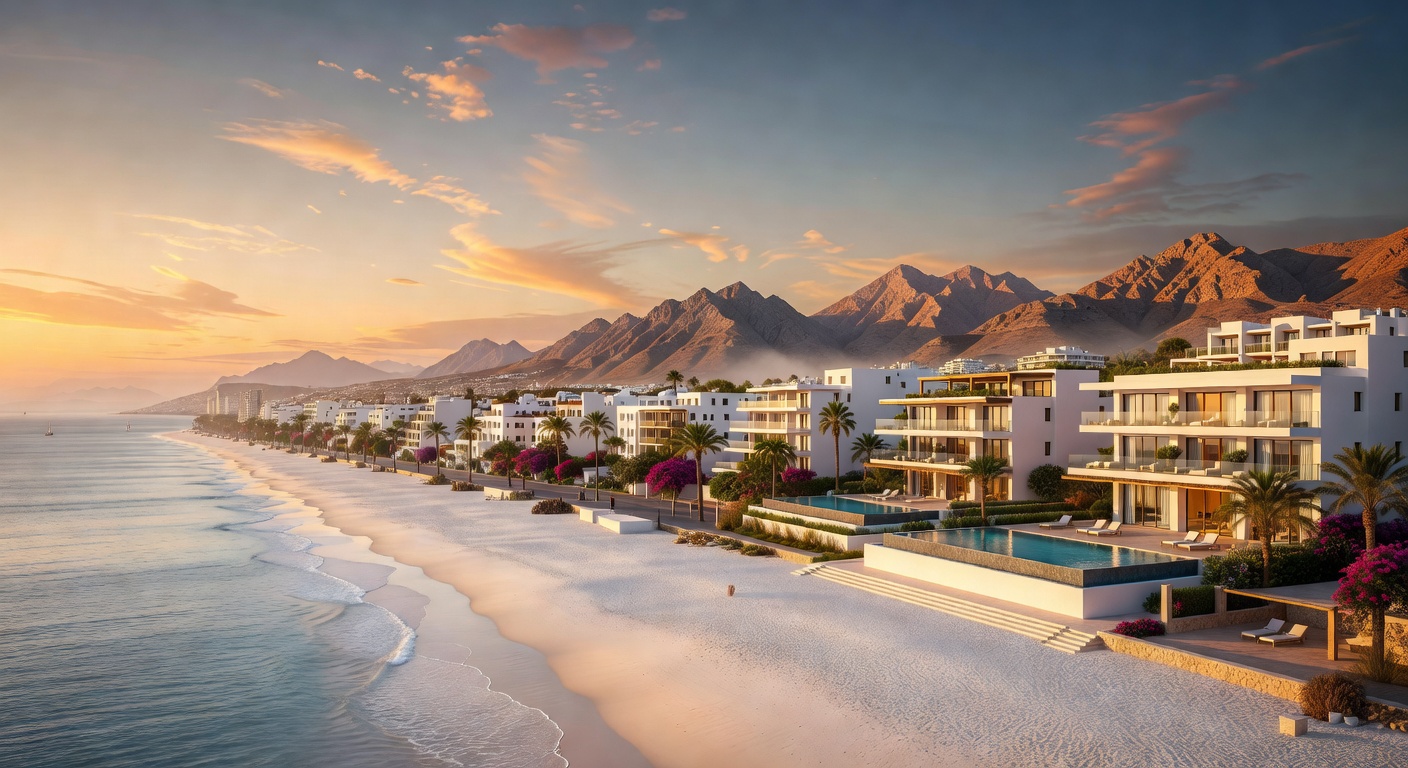
Agadir is the Morocco that nobody argues about on Instagram — and that's precisely its power. Rebuilt from scratch after a devastating 1960 earthquake, this sun-drenched Atlantic city trades the sensory chaos of Marrakech for a polished, laid-back elegance: think nine kilometers of golden crescent beach, argan-oil country rolling into the Anti-Atlas foothills, and a sophisticated food scene anchored by the freshest seafood in North Africa. For luxury travelers who've already done the riad circuit, Agadir is the reward — unhurried, warm 300 days a year, and quietly world-class.

6 Experiences Worth Flying Business Class For
1. Sunrise Over the Ruins of the Kasbah Oufella — Before Anyone Else Arrives

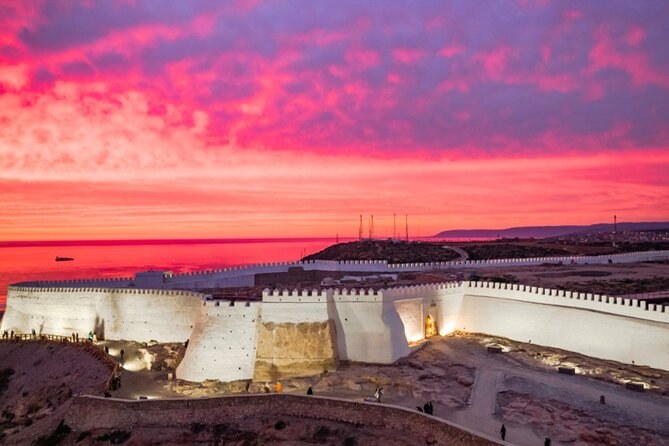
The hilltop ruins of the old kasbah, destroyed in the 1960 earthquake, offer a sweeping panorama of the entire bay, the port, and the Atlas Mountains fading int...

o the Saharan haze. Arrive at dawn — you'll have it virtually to yourself — and the light turning the Atlantic from steel-gray to molten gold is genuinely cinematic. Arrange a private transfer through the Sofitel Agadir Royal Bay's concierge, and have them pack a thermos of Moroccan mint tea and msemen flatbread for the drive up.
2
The Port Auction Floor and a Private Seafood Feast at Pure Passion
Skip every tourist-trap fish grill on the corniche and instead have a local fixer walk you through the controlled chaos of the Port d'Agadir fish auction at 6 AM — Agadir is Morocco's largest sardine port, and the scale is staggering. Then take your handpicked catch to Pure Passion restaurant, where chef Mounir crafts it into elegant plates that rival coastal fine dining anywhere in the Mediterranean. The grilled denti with chermoula and the sea urchin with argan oil are reasons alone to cross an ocean.
3
A Full-Day Argan Oil Immersion in the Ida Outanane Hills
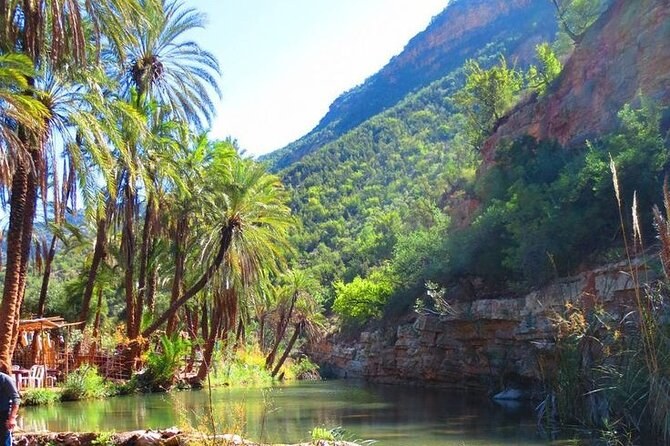
The argan forest surrounding Agadir is a UNESCO Biosphere Reserve, and the cooperatives here are the real thing — not the roadside tourist traps between Marrakech and Essaouira. Drive 45 minutes into the Ida Outanane hills to Coopérative Ajddigue, where Berber women still crack argan nuts by hand, and you'll taste the difference between fresh-pressed culinary argan oil and the stale bottles sold in souks. Pair this with a private lunch at a local family home arranged through Agadir Authentic Tours — the tagine cooked with true amlou paste is transcendent.
4
Souk El Had Like a Local — Not a Tourist
Agadir's massive Souk El Had is one of the largest markets in North Africa, with over 6,000 stalls, yet it remains refreshingly uncommercialized compared to the medinas of Fez or Marrakech. The trick is going on a weekday morning and heading straight to the spice quarter and the dried-fruit vendors in the inner rings — the saffron here is significantly cheaper than in Taliouine, and the quality is identical. Hire a private guide from your hotel who actually speaks Tashelhit (the local Berber language), which changes the entire dynamic of negotiation and conversation.
5
Sunset Surfing and Sundowners at Taghazout's Barefoot Luxury Strip
Twenty minutes north of Agadir, the village of Taghazout has evolved from a backpacker surf haven into something far more interesting — a stretch of coast where you can take a private surf lesson at Surf Maroc's premium camp, then walk sandy-footed into the new Hyatt Place Taghazout Bay or the boutique Sol House for rooftop cocktails as the sun melts into the Atlantic. The right-hand point breaks at Anchor Point and Killer Point are legendary, but even non-surfers will find the golden-hour energy here electric and completely different from Agadir's manicured beachfront.
6
A Night at the Sofitel's Spa Followed by Dinner in the Marina
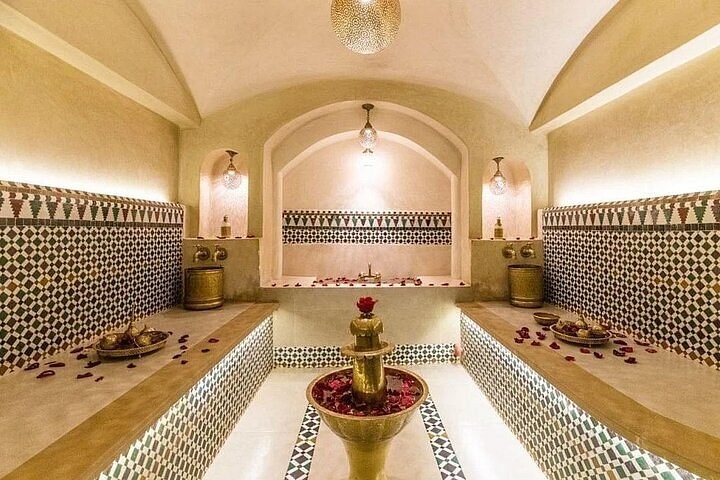
The Sofitel Agadir Royal Bay Resort's So SPA with its hammam circuit is genuinely excellent — not hotel-spa-as-afterthought but a proper Moroccan bathing ritual with black soap, rhassoul clay, and argan-oil massage performed by therapists who trained in traditional technique. Follow it with a short drive to the Marina d'Agadir, which most tourists overlook entirely, for dinner at Le Petit Bouchot — their oysters come straight from Dakhla, and the wine list features surprisingly compelling Moroccan bottles from Domaine de la Zouina and Château Roslane. It's the most cosmopolitan evening Agadir offers, and it holds up against any Mediterranean marina town.
When to Go Show ↓
Peak Season
December through February
This is when Agadir earns its nickname as the winter sun capital of Morocco — European visitors flood in to escape gray skies, and daytime temperatures hover around a perfect 20-22°C with almost zero rain. The beach is lively, hotel rates at properties like the Sofitel and Royal Atlas peak accordingly, and restaurant reservations at the better spots actually matter. It's genuinely worth the premium if you're escaping a Northern Hemisphere winter, but book at least six weeks ahead for the best suites.
🌴
Shoulder Season
March through May and October through November
This is when savvy luxury travelers come, full stop. Spring brings wildflowers to the Anti-Atlas, ocean temperatures are warming into swimmable territory by April, and you'll pay 30-40% less for the same suite that a German package tourist overpaid for in January. October and November are arguably even better — the Atlantic is still warm from summer, the light is extraordinary for photography, and the argan harvest is underway in the surrounding hills, meaning the cooperatives are at their most vibrant and authentic.
Plan your trip to Agadir, Morocco