← Back to Fantasize Muscat, Oman
Ultra Long-Haul Journey

Muscat, Oman

Business class roundtrip fares from 10 US hubs · Updated daily
$2,900
Lowest fare
$4,274
Average
10
US hubs
4
Below normal
All fares to Muscat, Oman
ATL $2,900 Typical Book Search →
BOS $2,900 Low Book Search →
JFK $2,900 Typical Book Search →
ORD $3,216 Typical Book Search →
DFW $4,202 Typical Book Search →
MIA $4,430 Low Book Search →
LAX $4,656 Typical Book Search →
SEA $5,042 Low Book Search →
SFO $5,346 Typical Book Search →
SNA $7,146 Low Book Search →
About Muscat, Oman

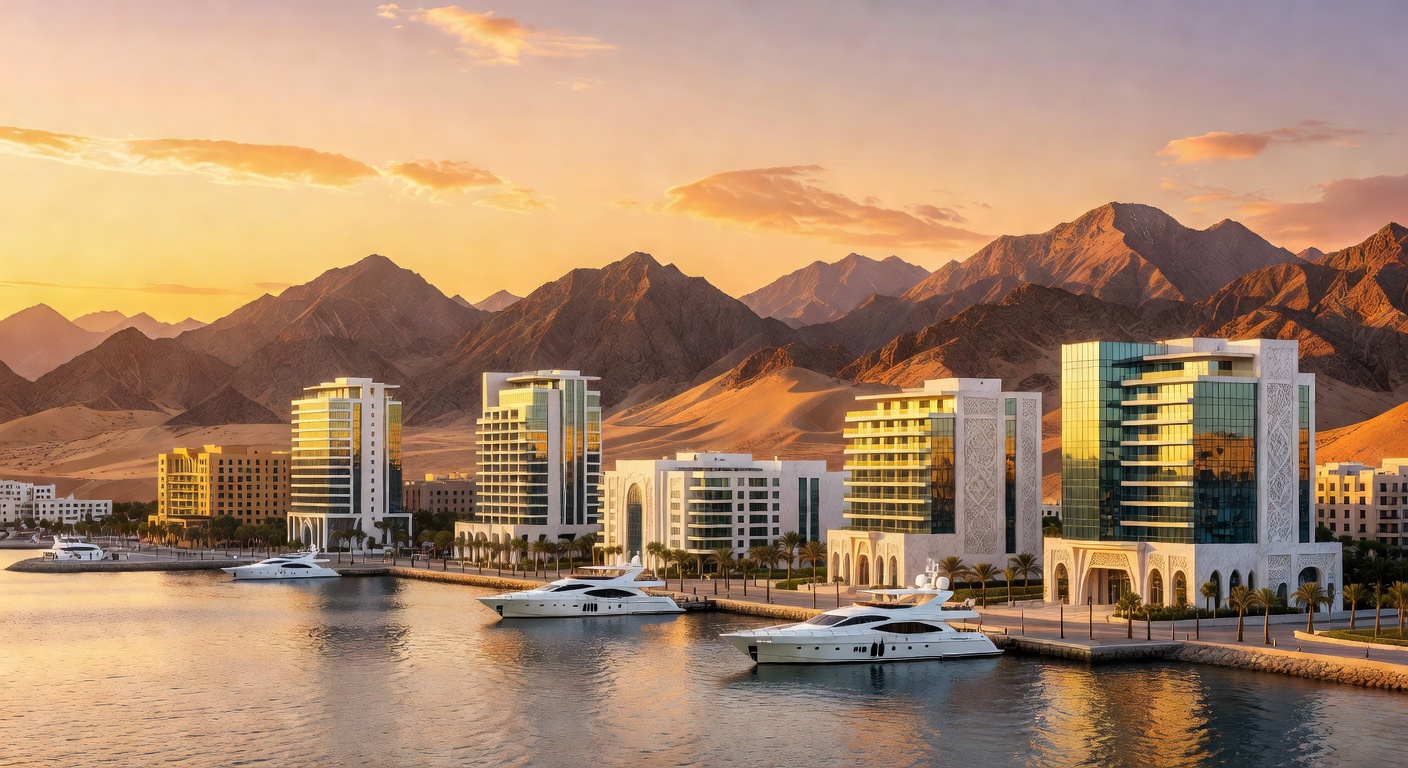
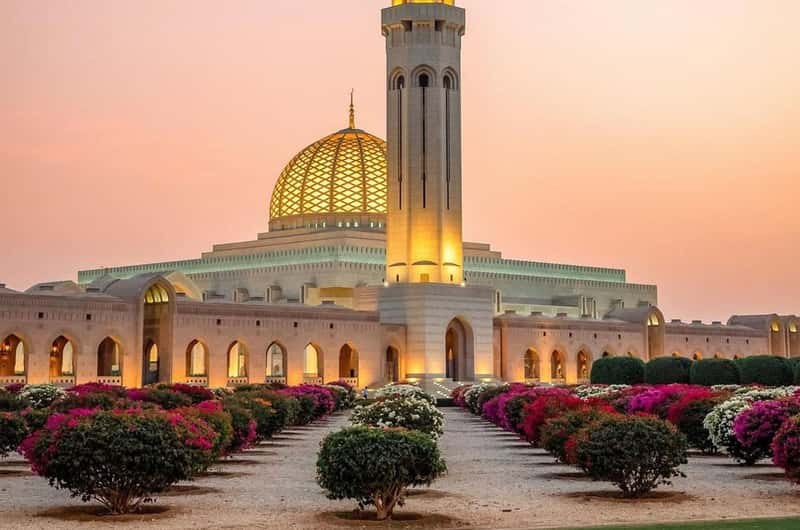
Muscat is the Middle East that existed before the glass towers and Instagram excess — a capital city that chose restraint over spectacle, where no building rises higher than the Sultan Qaboos Grand Mosque's minaret by cultural decree. This is a place where frankincense still scents the souqs, wadis cut through rose-gold mountains an hour from your hotel, and a coastline of hidden coves rivals anything in the Mediterranean without a single cruise ship in sight. For the luxury traveler exhausted by Dubai's performative opulence, Muscat is the deeply sophisticated antidote you didn't know you were craving.

6 Experiences Worth Flying Business Class For
1. Sunrise at Jebel Akhdar with a Private Picnic Above the Clouds

The Anantara Al Jabal Al Akhdar resort sits at 2,000 meters on the rim of a canyon that makes parts of the Grand Canyon look modest — and almost nobody outsid...

e the Gulf knows it exists. Arrange a private dawn breakfast on the Diana's Point viewing platform (yes, Princess Diana stood here), where the light turns the terraced rose gardens of ancient villages below into something almost hallucinatory. This is the single view in Oman that makes the 14-hour flight feel like a minor inconvenience.
2
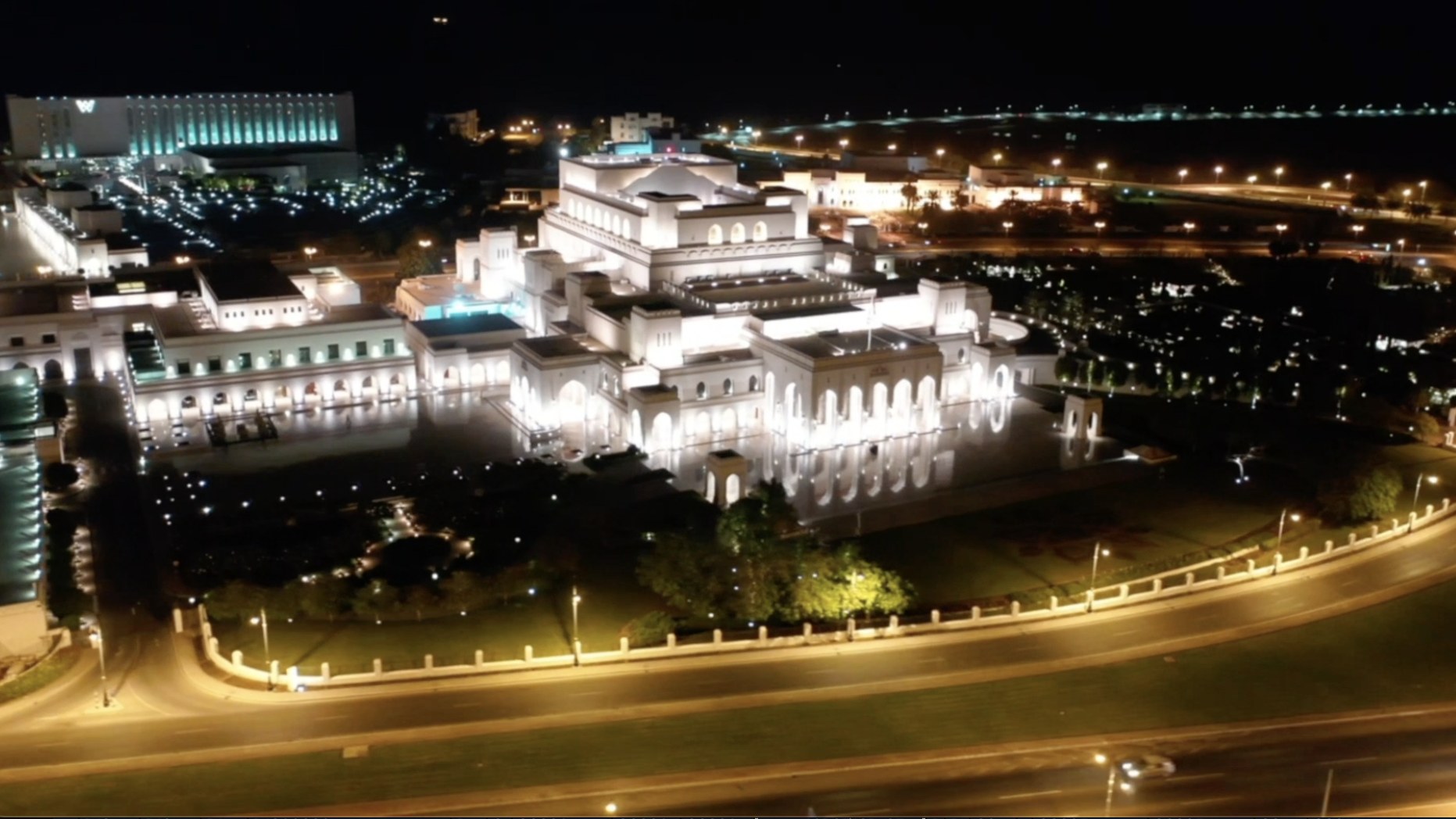
A Night at the Opera — Oman's Best-Kept Cultural Secret
The Royal Opera House Muscat is arguably the most beautiful performance venue in the entire Middle East, a masterwork of contemporary Islamic architecture with acoustics that rival La Scala. Most luxury travelers fly right past it, which means you can often secure premium box seats weeks out for world-class performances by the Royal Oman Symphony Orchestra or visiting European companies. Dress beautifully, arrive early for the marble courtyard at dusk, and dine afterward at The Opera Galleria's Arabesque restaurant — this is Muscat at its most cosmopolitan.
3
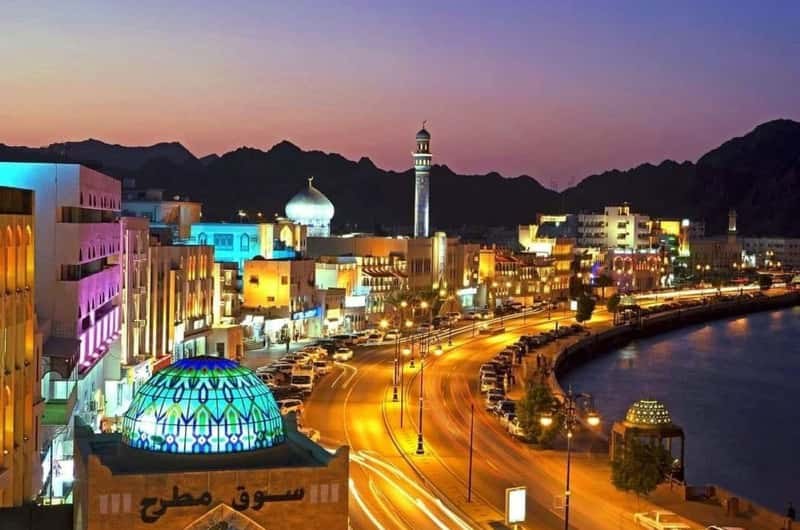
The Mutrah Souq at Night, Then Dinner at Bait Al Luban
Skip the souq at midday when the tour groups shuffle through — instead, go after 8 PM when Mutrah Corniche glows amber and the labyrinthine souq narrows into passageways thick with frankincense smoke, Omani silver, and the quiet hustle of merchants who've been here for generations. Afterward, walk three minutes along the waterfront to Bait Al Luban, a modest-looking restaurant perched above the harbor that serves the best shuwa (slow-cooked lamb buried in underground sand ovens for 24 hours) in the capital. Order the halwa for dessert with Omani coffee and you'll understand why Omanis consider this dish sacred.
4
Private Dhow to the Daymaniyat Islands for Snorkeling That Rivals the Maldives
Charter a traditional wooden dhow from Marina Bandar Al Rowdha to the Daymaniyat Islands, a protected nature reserve where hawksbill turtles nest and the coral reefs are in genuinely pristine condition — we're talking visibility of 20 meters and reef systems that haven't been bleached into oblivion. Most visitors to Muscat never leave the city, which means you'll likely have entire islands to yourself on a weekday. Have your hotel concierge at The Chedi Muscat arrange this with a marine biologist guide; it transforms a snorkeling trip into something revelatory.
5
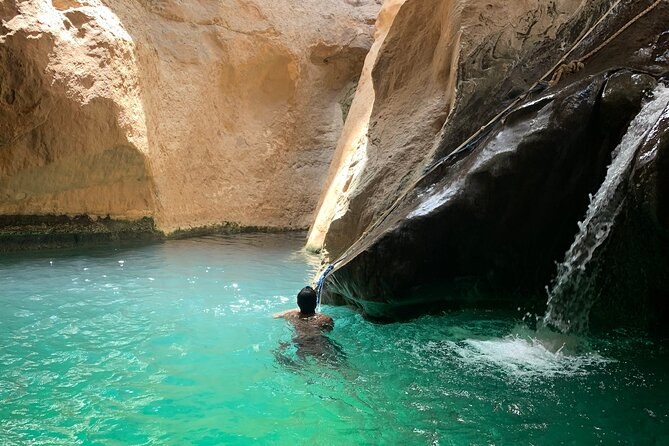
Wadi Shab by Boat, Not by Tourist Trail
Everyone tells you to hike Wadi Shab, and they're right — the emerald pools and hidden waterfall cave are legitimately staggering. But most tourists take the standard route and turn back before the best part. Hire a local guide through Husaak Adventures to take you by small boat past the initial crowds, then swim through the narrow cave passage to reach the secret waterfall chamber that 90% of visitors never see. Pair this with a stop at Bimmah Sinkhole on the drive back, and you've just had the best day trip in the Arabian Peninsula.
6
Checking Into The Chedi and Never Wanting to Leave
The Chedi Muscat, designed by Jean-Michel Gathy, is one of those rare hotels where the architecture alone justifies the room rate — 21 acres of black-tiled reflecting pools, Omani-minimalist suites, and a 103-meter infinity pool flanked by cabanas that face the Al Hajar Mountains. Request a Chedi Club Suite for butler service and private garden access, then book dinner at The Restaurant for its tasting menu that weaves Omani ingredients into refined Asian-inflected cuisine. This is the property that single-handedly proved Oman could compete with any luxury destination on earth.
When to Go Show ↓
Peak Season
November through February
This is when Muscat becomes genuinely perfect — temperatures hover between 20–28°C, the air is dry and clear, and the sea is calm enough for island excursions and diving. Hotel rates at properties like The Chedi and Al Bustan Palace spike accordingly, and you'll actually encounter other tourists at the Grand Mosque and Mutrah Souq. Book at least 6–8 weeks ahead for the best suites, and layer a light jacket for desert evenings that can dip below 18°C.
🌴
Shoulder Season
March through April, and October
This is the window the savvy traveler targets. March and October still deliver comfortable mid-30s heat without the brutal summer humidity, rates drop 20–30% at top properties, and you'll have major sites nearly to yourself. October is particularly magical if you time it right — the monsoon-fed greenery of Dhofar in the south is fading but the wadis are still flowing, and the diving visibility is at its annual best.
Plan your trip to Muscat, Oman