← Back to Fantasize Tokyo-Narita, Japan
Long-Haul Adventure

Tokyo-Narita, Japan

Business class roundtrip fares from 10 US hubs · Updated daily
$3,219
Lowest fare
$4,503
Average
10
US hubs
3
Below normal
All fares to Tokyo-Narita, Japan
LAX 9h 30m $3,219 Typical Book Search →
SEA 10h 30m $3,260 Low Book Search →
SFO 10h 30m $3,411 Typical Book Search →
SNA 10h $4,641 Typical Book Search →
MIA 12h $4,742 Low Book Search →
ATL 13h 15m $4,918 Typical Book Search →
ORD 12h 15m $4,918 Typical Book Search →
JFK 13h 30m $4,988 Typical Book Search →
DFW 12h 45m $5,374 Typical Book Search →
BOS 13h 45m $5,558 Low Book Search →
About Tokyo-Narita, Japan

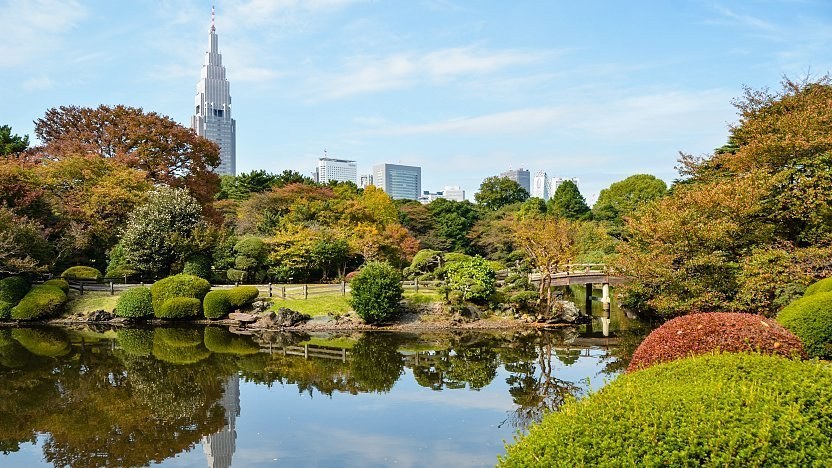
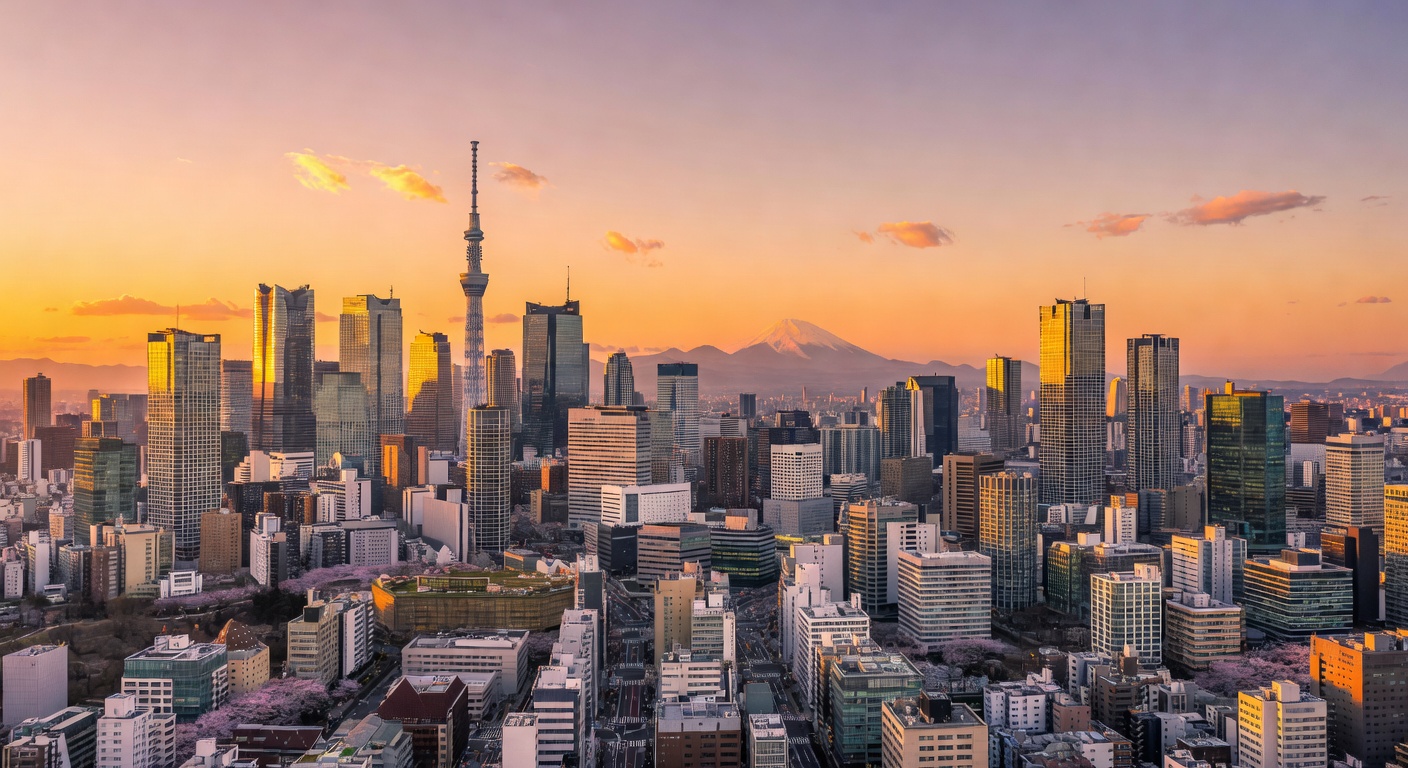
Tokyo is not a city you visit — it's a city that recalibrates your entire understanding of refinement. From eight-seat omakase counters hidden behind unmarked doors in Ginza to the controlled chaos of Shibuya at midnight, this is where precision meets obsession. Narita may be your gateway, but the 60-minute journey into the city is the threshold between ordinary travel and something that will ruin every other destination for you.

6 Experiences Worth Flying Business Class For
1. Surrender to an Eight-Seat Counter at Sukiyabashi Jiro or Saito in Ginza

Forget everything you think you know about sushi — a two-Michelin-star or three-Michelin-star omakase in Ginza is a 20-course meditation on rice, fish, and de...

cades of singular devotion. Sushi Saito (if you can secure a reservation through your hotel concierge at The Peninsula or Aman Tokyo) serves pieces so precisely tempered that each bite dissolves at a slightly different rate on your tongue. This isn't dinner; it's proof that simplicity, taken to its absolute extreme, becomes the highest form of luxury.
2
Disappear into the Private Onsen Suites at Hoshinoya Tokyo
Most visitors make the mistake of day-tripping to Hakone for hot springs, but Hoshinoya Tokyo — a ryokan disguised as a skyscraper in Otemachi — offers an authentic onsen experience fed by natural hot spring water 1,500 meters below the city. Check into one of the upper floors, soak in the rooftop open-air bath while gazing at the Imperial Palace gardens, and let the attendants bring you a kaiseki dinner in your tatami room. It's the rare property that makes you forget you're in the middle of a 14-million-person metropolis.
3
Commission a Bespoke Knife at Kappabashi and Watch It Being Forged
Kappabashi-dōri, Tokyo's kitchen district near Asakusa, is where professional chefs source their tools — and where you can commission a hand-forged Japanese knife from masters like Tsubaya or Kamata Hakensha. Ask to see their high-carbon steel single-bevel blades, select your handle wood, and have your name engraved in kanji. This is the kind of souvenir that costs less than a Hermès scarf but carries infinitely more soul and craftsmanship.
4
Drink Whisky with the Ghosts of Showa-Era Tokyo in Golden Gai
Shinjuku's Golden Gai is six narrow alleys crammed with nearly 200 bars, most seating fewer than eight people, each with a personality as specific as a fingerprint. Skip the ones with English menus out front and instead slip into places like Albatross (three floors of candlelit Gothic atmosphere) or the unmarked shot bars where the mama-san has been pouring Yamazaki 18 since before it became impossible to find. Go after 11 PM on a weeknight — that's when the regulars arrive and the real Tokyo reveals itself.
5
Experience the Controlled Madness of Tsukiji Outer Market at Dawn, Then Breakfast at Sushi Dai's Successor Stalls
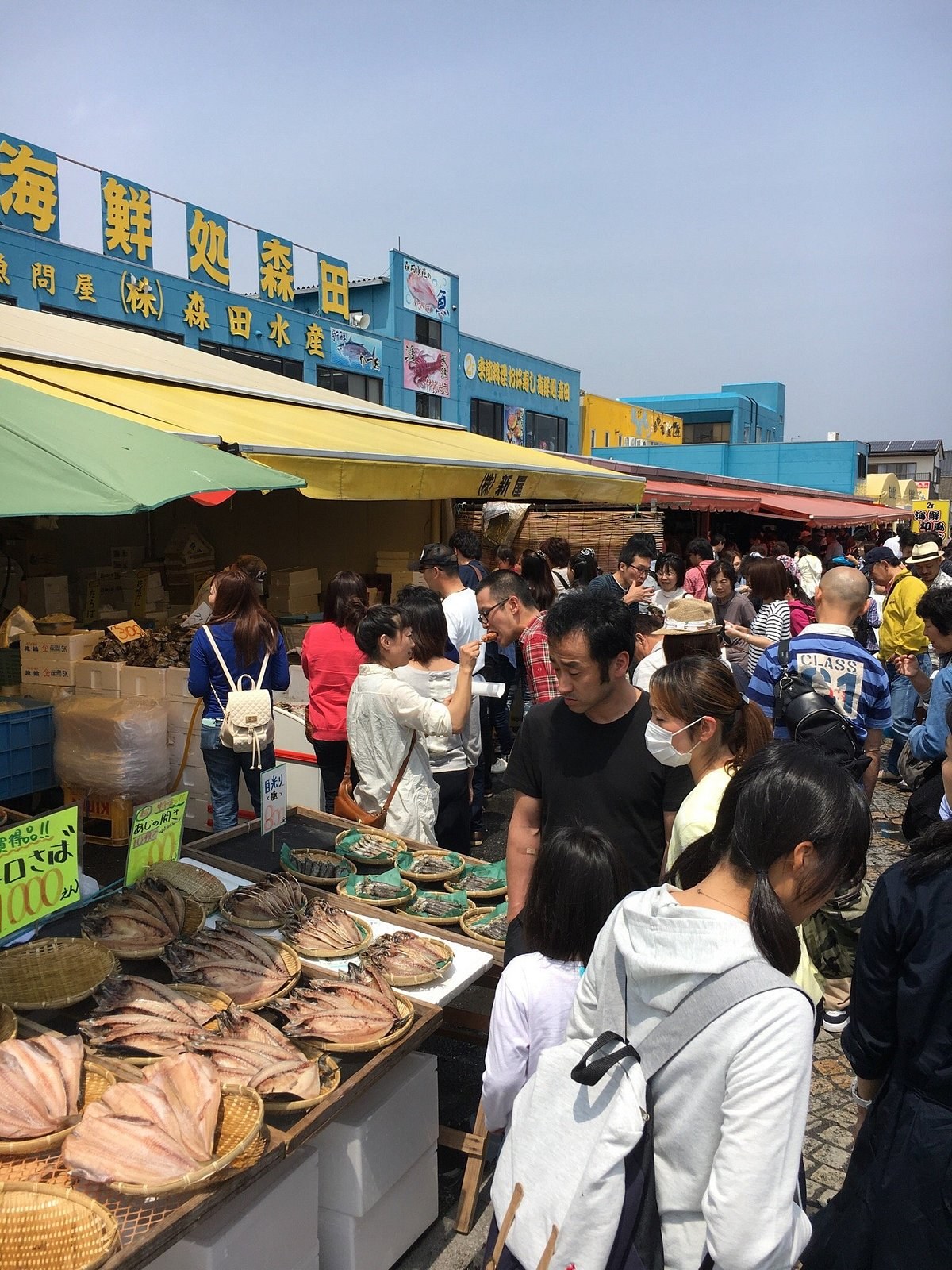
Yes, the inner wholesale market moved to Toyosu, but the outer market at Tsukiji remains a gloriously chaotic grid of 400+ vendors selling tamagoyaki, uni, and the freshest seafood on earth starting at 5 AM. Walk through with an empty stomach and a willingness to eat standing up — then cross to Toyosu for a more structured omakase breakfast at one of the relocated sushi counters. Luxury isn't always white tablecloths; sometimes it's a $50 sea urchin on warm rice eaten at a plastic counter at 6 in the morning.
6
Reserve the Aman Tokyo Spa for a Private Evening and Watch the City Turn to Light
The Aman Tokyo's spa occupies the 33rd and 34th floors of the Otemachi Tower, with floor-to-ceiling windows overlooking the Imperial Palace and the Tokyo skyline. Book the signature two-hour treatment in the late afternoon, timed so you're on the heated stone lounger as the city transitions from golden hour to the electric neon sprawl of nightfall. Pair it with a private dinner at their Italian restaurant, Arva, where the simplicity of the menu is deceptive — the burrata alone is worth the business class upgrade.
When to Go Show ↓
Peak Season
Late March to mid-April, and October to November
Cherry blossom season and autumn foliage are Tokyo at its most cinematic — and its most crowded. Hotel rates at properties like The Ritz-Carlton and Palace Hotel Tokyo spike 40-60%, and every omakase worth visiting is booked weeks in advance. If you go during sakura season, book everything three months out minimum, stay in Roppongi or Otemachi rather than Shinjuku for breathing room, and visit Chidorigafuchi moat by rowboat at dawn before the selfie crowds descend.
🌴
Shoulder Season
May to mid-June, and September
May is arguably Tokyo's best-kept secret — the weather is warm, the azaleas at Nezu Shrine are in full bloom, and the peak-season frenzy has evaporated. September brings slightly humid warmth but dramatically reduced tourist numbers, meaning same-week reservations at places like Den or Narisawa become genuinely possible. This is when the luxury concierge teams at Aman and Peninsula can actually work their magic rather than fighting against a city at capacity.
Plan your trip to Tokyo-Narita, Japan