← Back to Fantasize Rabat, Morocco
International Destination

Rabat, Morocco

Business class roundtrip fares from 10 US hubs · Updated daily
$3,835
Lowest fare
$5,551
Average
10
US hubs
4
Below normal
All fares to Rabat, Morocco
ATL 10h $3,835 Low Book Search →
BOS 8h 30m $4,570 Low Book Search →
JFK 8h $4,575 Typical Book Search →
LAX 14h $4,594 Typical Book Search →
SEA 13h $4,600 Low Book Search →
ORD 11h $4,640 Typical Book Search →
SFO 9h $4,800 Typical Book Search →
MIA 8h $6,405 Low Book Search →
DFW 9h 30m $6,600 Typical Book Search →
SNA 15h $10,893 Typical Book Search →
About Rabat, Morocco

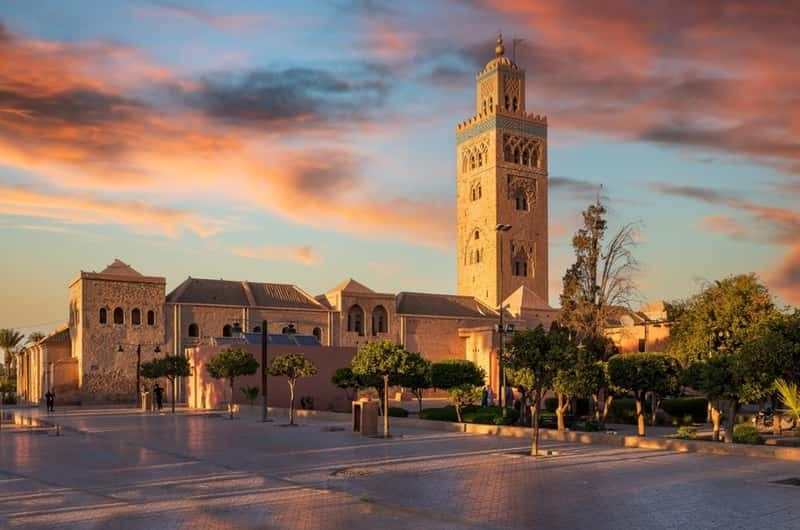
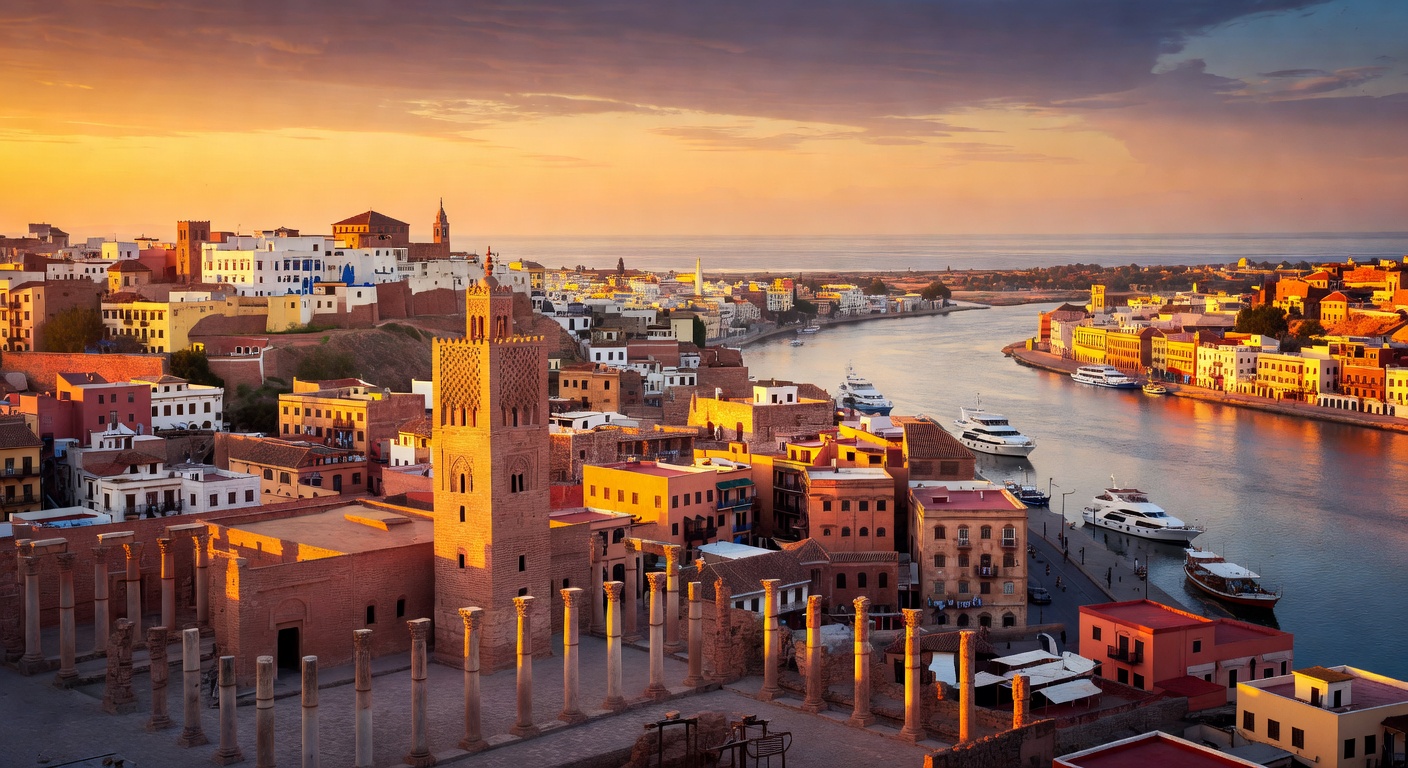
Rabat is the Morocco that most luxury travelers overlook while chasing the circus of Marrakech — and that's precisely what makes it extraordinary. This is a refined, Atlantic-facing capital where 12th-century Almohad grandeur meets contemporary art institutions, where you can walk the medieval medina without a single tout pulling your sleeve, and where the royal palace sets the tone for a city that values discretion over spectacle. Think of it as Morocco's quiet power move: less performative, more genuinely luxurious.

6 Experiences Worth Flying Business Class For
1. Sunset at the Kasbah of the Udayas, Then Dinner You'll Never Find on Google

The whitewashed-and-blue Kasbah perched above the mouth of the Bou Regreg river is Rabat's most photogenic corner, but the real move is timing your visit for go...

lden hour, lingering in the Andalusian Gardens as the Atlantic light goes amber, then slipping into Dar Zaki for a home-style Moroccan supper that no algorithm recommends. The courtyard tables, the seven-salad spread, the braised lamb with prunes — this is the meal you'll remember long after you've forgotten every tagine you ate in Marrakech. Most visitors rush through the Kasbah by noon; you should arrive at 5 PM.
2
A Private Morning Inside the Mohammed VI Museum of Modern and Contemporary Art
MMVI is Africa's most significant modern art museum and it's criminally under-visited by international travelers, which means you can practically have its soaring galleries to yourself on a weekday morning. The permanent collection spans Moroccan modernists like Farid Belkahia and Ahmed Cherkaoui alongside bold contemporary installations that rival anything at Tate Modern. Arrange a private docent tour through your hotel concierge — the museum accommodates them graciously — and you'll understand why Rabat, not Marrakech, is Morocco's true cultural capital.
3
The Chellah at Dawn: Roman Ruins, Islamic Tombs, and a Thousand Storks
This walled necropolis layers Roman Sala Colonia beneath a 14th-century Marinid royal burial ground, all overtaken by wild gardens, fig trees, and a colony of nesting storks whose clacking echoes off the minaret. Arrive right when the gates open and you'll have this hauntingly beautiful site virtually alone — by midmorning, tour buses trickle in and the spell breaks. It's the single most atmospheric archaeological site in Morocco, and the fact that most visitors have never heard of it is part of its power.
4
A Night at Le Dhow, Floating on the Bou Regreg
Moored on the river between Rabat and its twin city Salé, Le Dhow is a converted wooden sailing vessel turned floating restaurant and lounge with lantern-lit decks and unobstructed views of the illuminated Kasbah walls. Order the seafood pastilla and a bottle of Volubilia grey wine — one of Morocco's best-kept vinous secrets — and let the gentle sway of the current remind you that you're dining on the Atlantic edge of Africa. It's theatrical without being kitsch, which is a rare line to walk in Morocco.
5
Commission a Bespoke Caftan in the Medina's Hidden Ateliers
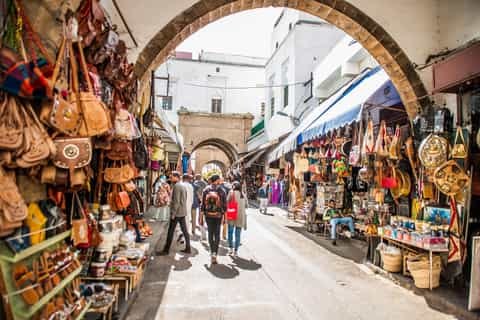
Rabat's medina is where Morocco's political elite have their ceremonial caftans made, and the tailoring workshops on Rue des Consuls produce work that's leagues beyond what you'll find in tourist-facing souks elsewhere. Seek out Maison Kadiri or ask your riad host for an introduction to a master maalem — a fitting session, fabric selection from stacks of Italian silk and hand-loomed Moroccan brocade, and a finished garment shipped to your door in three weeks. This is a truly bespoke luxury experience at a fraction of what comparable couture costs in Europe, and it connects you to an artisan tradition that stretches back centuries.
6
Check Into the Sofitel Rabat Jardin des Roses, Then Do Absolutely Nothing
Set within a sprawling Andalusian garden fragrant with seven varieties of heritage roses, the Sofitel is Rabat's most polished hotel and the one that best captures the city's philosophy of unhurried elegance. Book a Prestige Suite overlooking the garden, spend an afternoon at the So SPA with its traditional hammam ritual, and take dinner at the hotel's Le Marchand restaurant where the Franco-Moroccan tasting menu is genuinely excellent. The point is that Rabat rewards slowness — this isn't a city you conquer with a checklist, it's one you sink into.
When to Go Show ↓
Peak Season
April to June
Spring is Rabat at its absolute finest: temperatures hover between 20–27°C, the Chellah gardens are explosively green, jacarandas line the boulevards in purple, and the city buzzes with the Mawazine music festival in June which draws world-class headliners. Crowds exist but remain manageable compared to Marrakech's year-round crush. Book the Sofitel or Riad Dar El Kebira at least two months ahead if your trip overlaps with Mawazine — the city's limited luxury inventory fills fast.
🌴
Shoulder Season
September to November
Early autumn is the true insider window: the summer heat has broken, the Atlantic water is still warm enough for a beach morning at Plage des Nations, and the cultural season kicks back into gear with gallery openings and new exhibitions at MMVI. Hotel rates dip noticeably from peak and you'll find the medina quieter and more contemplative. October is arguably the single best month to visit Rabat — mild, luminous, and uncrowded.
Plan your trip to Rabat, Morocco