← Back to Fantasize Salzburg, Austria
International Destination

Salzburg, Austria

Business class roundtrip fares from 10 US hubs · Updated daily
$3,643
Lowest fare
$4,638
Average
10
US hubs
6
Below normal
All fares to Salzburg, Austria
ORD 11h $3,643 Low Book Search →
JFK 11h $3,644 Typical Book Search →
BOS 11h $3,645 Low Book Search →
ATL 12h $3,891 Low Book Search →
MIA 12h $3,903 Low Book Search →
DFW 11h $3,932 Low Book Search →
LAX 11h $4,298 Typical Book Search →
SEA 12h $4,605 Low Book Search →
SFO 11h $5,198 Typical Book Search →
SNA 12h $9,623 Typical Book Search →
About Salzburg, Austria

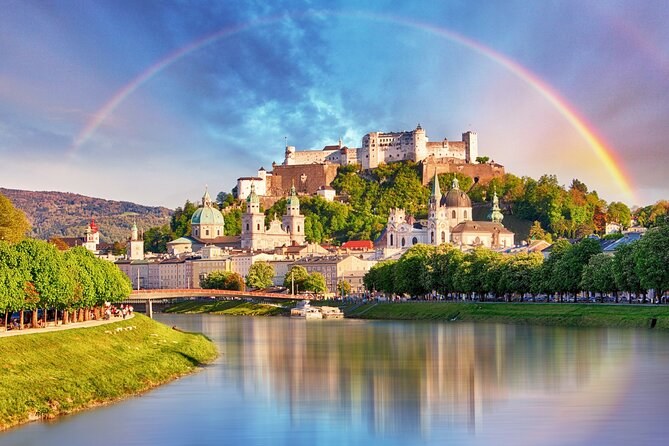
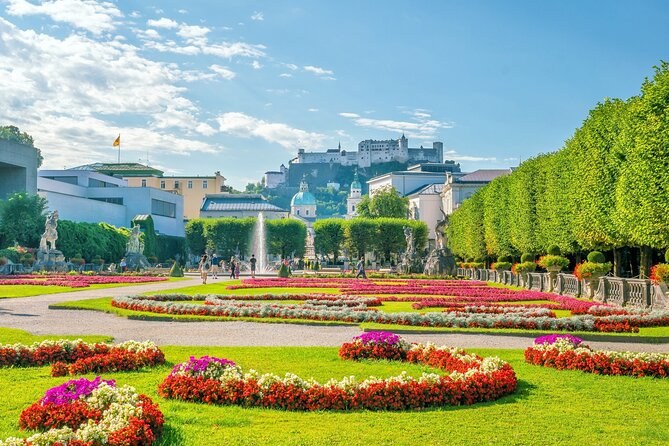
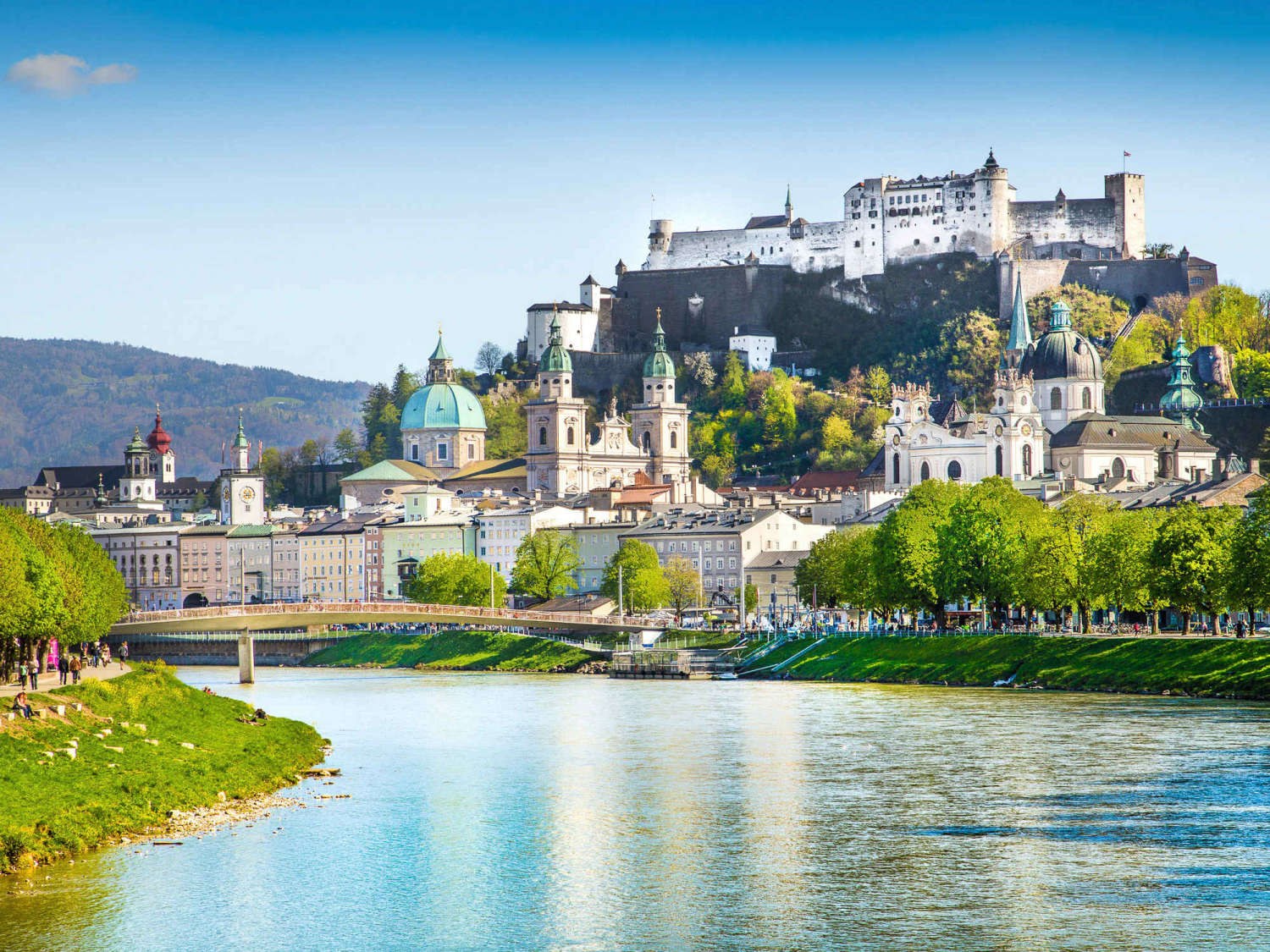
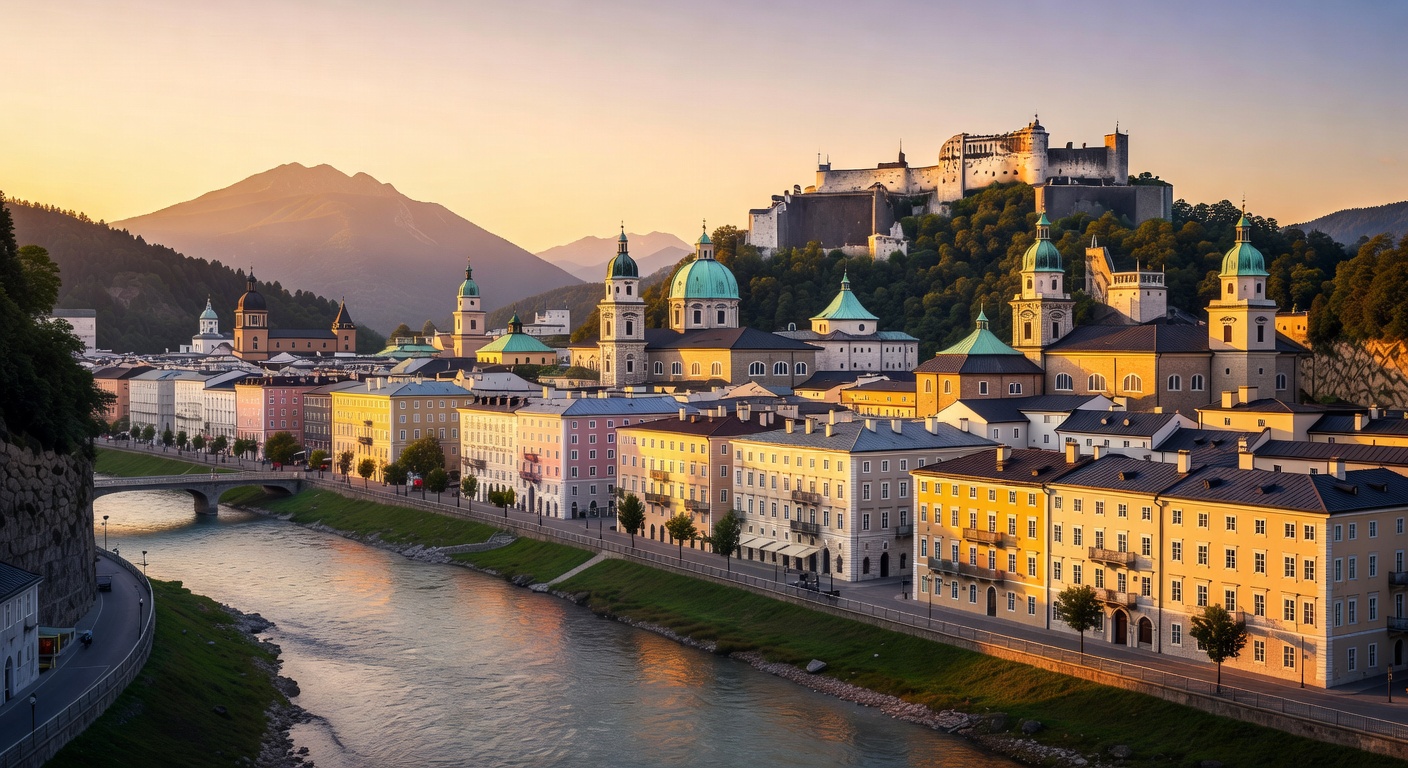
Salzburg is a city that punches absurdly above its weight — a compact baroque jewel wedged between alpine peaks and the Salzach River, where Mozart's ghost competes with the Habsburgs for your attention and somehow both win. The luxury here isn't Dubai-loud; it's old-money European, the kind where a 600-year-old hotel serves you Einspänner in a courtyard that hasn't changed since the prince-archbishops ran the place. Most visitors sleepwalk through the Sound of Music tour and miss the fact that this is one of Europe's most refined food and music destinations, full stop.

6 Experiences Worth Flying Business Class For
1. Dine in a Cliff Face at Stiftskeller St. Peter — Then Go Upstairs to Where Tourists Don't

St. Peter Stiftskeller claims to be Europe's oldest restaurant (803 AD), and while the ground-floor dining room is lovely, the real move is booking the Baroque ...

Hall or the private wine cellar for an evening of Austrian fine dining surrounded by frescoed ceilings most visitors never see. The kitchen has been quietly elevated in recent years — think Salzburg lake char with brown butter and wild herbs, paired with exceptional Wachau wines. Come at 8 PM after the day-trippers have cleared out, and the candlelit courtyard against the Mönchsberg cliff is genuinely otherworldly.
2
Take a Private After-Hours Tour of the Salzburg Festival Houses
The Salzburg Festival is arguably the most prestigious performing arts festival on the planet, and even if you're not visiting during July-August, a privately arranged tour of the Grosses Festspielhaus and the Felsenreitschule — the theater literally carved into the mountain — reveals the staggering engineering and artistry behind the productions. If you are here during the Festival, securing premium tickets to a Wiener Philharmoniker concert or a new opera production is a once-in-a-lifetime experience that justifies the entire trip. Your hotel concierge at the Goldener Hirsch or Schloss Leopoldskron can work miracles on tickets if you plan six months ahead.
3
Helicopter to the Eagle's Nest, Return via a Hidden Königssee Boat
Skip the tourist bus to Berchtesgaden and instead charter a helicopter from Salzburg Airport for the fifteen-minute flight over the Untersberg massif to the Eagle's Nest — the views of the Bavarian Alps from 1,834 meters are absolutely staggering and provide historical gravity you won't get from a parking lot. On the way back, have your driver meet you at the Königssee for a near-silent electric boat ride to the Baroque chapel of St. Bartholomew, where the emerald water and sheer cliff walls create an almost Norwegian fjord effect. This full-day combination — Salzburg to Eagle's Nest to Königssee and back — is the single best day trip in the Austrian-Bavarian Alps.
4
Sleep in a Prince-Archbishop's Palace at Hotel Schloss Leopoldskron
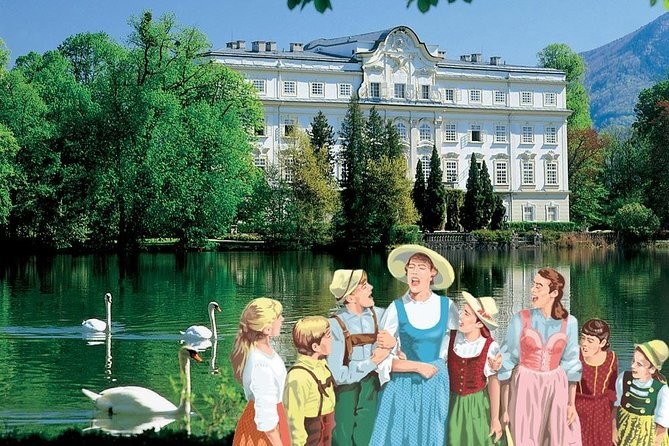
This is the actual lakeside palace used in The Sound of Music, but forget the film — the real story is that this is a meticulously restored 18th-century Rococo estate now operating as an intimate luxury hotel with only a handful of rooms. Wake up to swans on the lake with the Untersberg reflected in the water, take breakfast in a salon dripping with stucco and frescoes, and understand why the prince-archbishops of Salzburg lived better than most kings. It's quieter, more private, and infinitely more atmospheric than the big-name hotels in the Altstadt.
5
The Mönchsberg Walk and a Long Lunch at M32 That Nobody Rushes
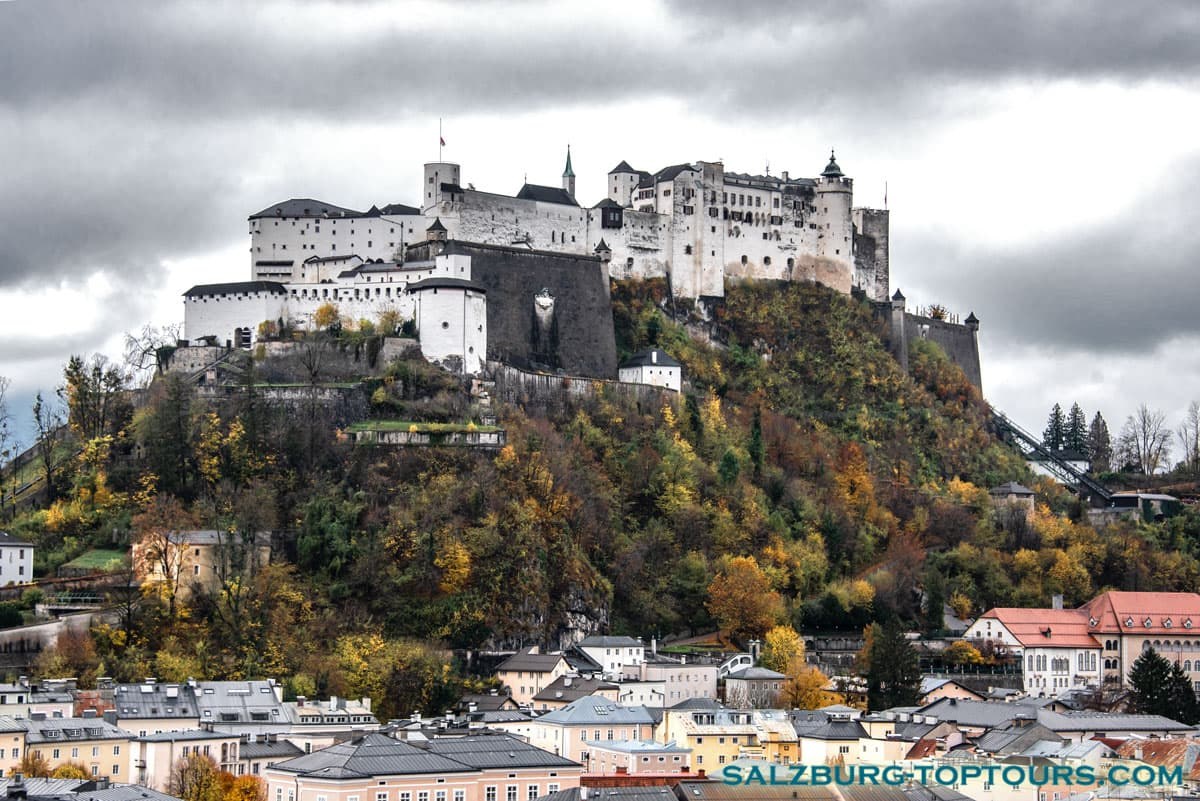
Take the Mönchsberg elevator up from Anton-Neumayr-Platz and walk the forested ridge that runs along the top of the Old Town — it's flat, peaceful, and delivers cinematic views of the cathedral domes, the Fortress, and the Alps beyond with almost no other people around. End at M32, the glass-and-steel restaurant perched atop the Museum der Moderne, where the terrace lunch of Tafelspitz or venison with lingonberry and a glass of Grüner Veltliner feels like a secret only locals know. This is the Salzburg that tour groups physically cannot access, and it's ten minutes from the Getreidegasse chaos below.
6
A Private Tasting at Pfefferschiffl and the Grünmarkt at Dawn
The Grünmarkt in the Universitätsplatz is Salzburg's daily open-air market, and arriving at 7 AM — before the cruise-excursion crowds materialize around 10 — means you'll have the cheese mongers, flower sellers, and spice vendors essentially to yourself. Then duck into Pfefferschiffl, a tiny, almost hidden restaurant in a medieval alley off the Getreidegasse, where the chef sources directly from these market stalls and the constantly evolving Austrian-Mediterranean menu is among the most creative in the city. Ask for the corner table downstairs and let them choose the wine — the Austrian natural wine list is exceptional and deeply personal.
When to Go Show ↓
Peak Season
July and August (Salzburg Festival season), plus Christmas/Advent markets in late November through December
The Salzburg Festival (late July through August) transforms this small city into the cultural capital of Europe — hotel rates double, Michelin-starred pop-ups appear, and the people-watching at Café Tomaselli reaches Milanese levels of style. It's absolutely worth the crowds and cost if you're here for performances, but book everything six to nine months in advance or you'll be shut out of both tickets and top hotels. The Advent season is Salzburg's other peak — the Christkindlmarkt on the Domplatz is the most atmospheric Christmas market in Austria, though December weekends bring crushing day-trip crowds from Munich.
🌴
Shoulder Season
May to mid-June and September to mid-October
This is the insider window: the Alps are green or just turning gold, the terraces are open, the Altstadt is walkable without dodging tour groups, and hotel rates at places like the Goldener Hirsch and Sacher drop by 30-40 percent. Late September in particular is magnificent — the harvest is on, the light over the Salzach turns amber in the afternoons, and you can get same-day reservations at restaurants that are impossible during Festival season. If you don't need the Festival itself, this is when luxury travelers should come.
Plan your trip to Salzburg, Austria