← Back to Fantasize Quebec City
Cross-Country Getaway

Quebec City

Business class roundtrip fares from 10 US hubs · Updated daily
$719
Lowest fare
$1,167
Average
10
US hubs
4
Below normal
All fares to Quebec City
ORD 2h 30m $719 Typical Book Search →
BOS 2h $817 Low Book Search →
JFK 2h 30m $990 Typical Book Search →
ATL 4h 30m $1,034 Typical Book Search →
MIA 4h $1,177 Low Book Search →
DFW 4h $1,179 Typical Book Search →
LAX 5h $1,206 Typical Book Search →
SEA 6h $1,369 Low Book Search →
SFO 6h $1,568 Low Book Search →
SNA 5h 15m $1,612 Typical Book Search →
About Quebec City

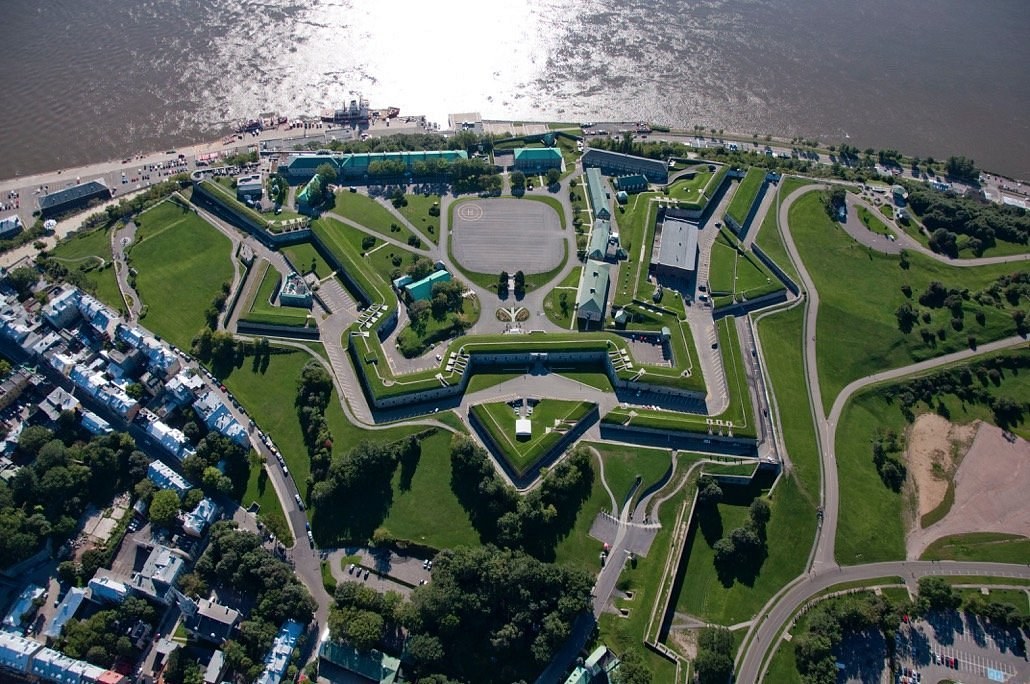
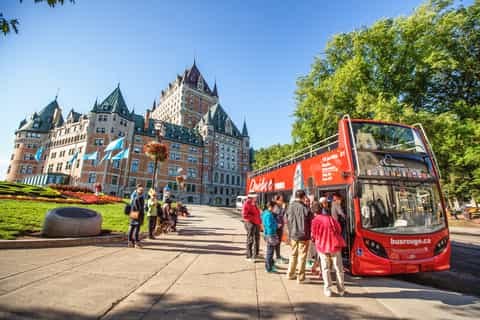
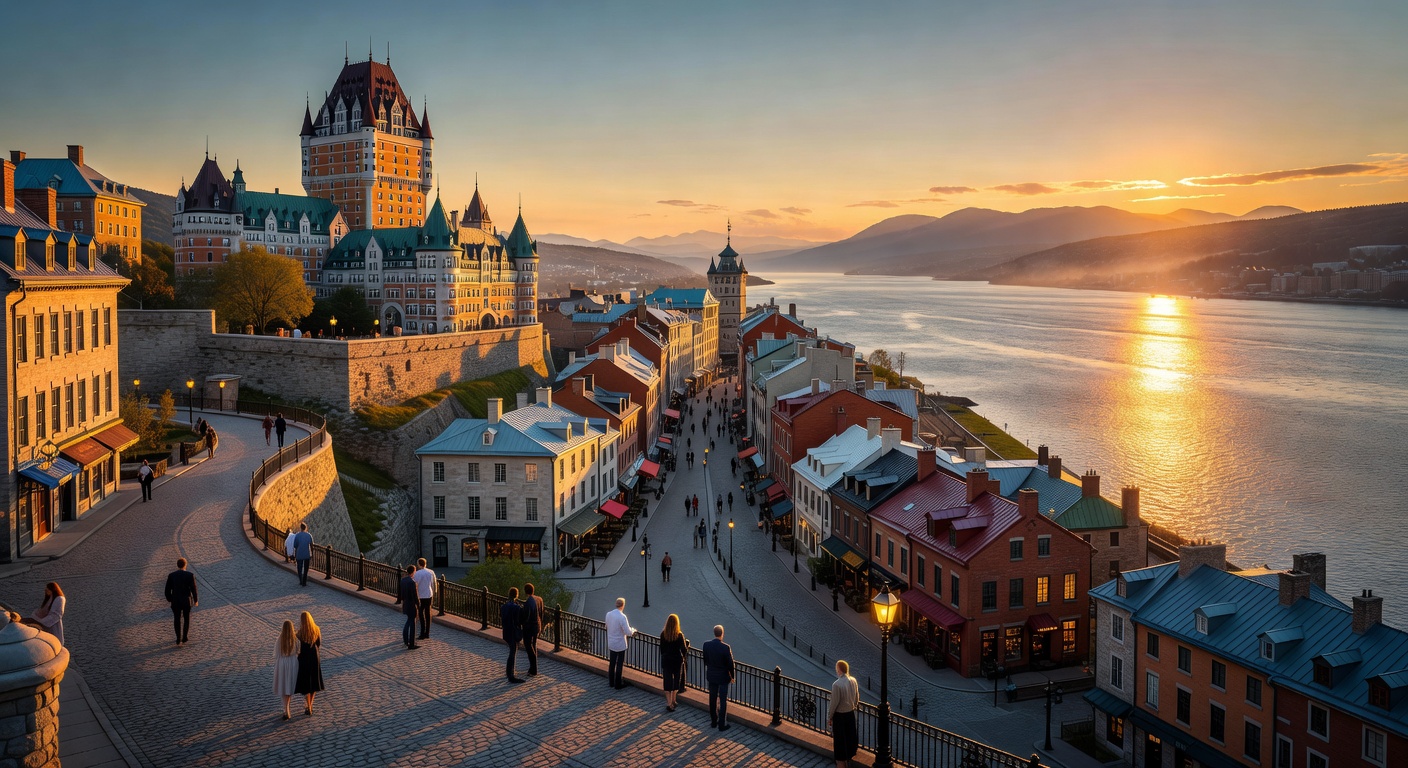
Quebec City is the closest thing to Europe you'll find on this continent — a UNESCO-fortified old town where 17th-century stone walls frame genuinely world-class French cuisine, and where the concierge at the Château Frontenac still speaks to you in French first. It's a place where luxury doesn't announce itself loudly; it's embedded in the culture, from the sommelier who quietly pours you a Domaine de l'Île d'Orléans ice cider to the cobblestone lanes of Petit-Champlain that feel like they were designed for a cashmere-coat kind of afternoon. The flight from most East Coast cities is barely two hours, which makes the cultural distance — entirely Francophone, defiantly unhurried — feel almost surreal.

6 Experiences Worth Flying Business Class For
1. A Private After-Hours Walk Through Old Quebec With a Historian Who Actually Lives There

Skip the daytime tourist shuffles and book a private guide through Cicerone — specifically request someone who can take you through the fortification walls an...

d into the Latin Quarter after dark, when the gas-style lanterns along Rue du Petit-Champlain cast the kind of light that makes you forget your century. The best guides here aren't tour operators; they're university historians who'll unlock stories about the 1759 siege while you're standing on the exact cliff where it happened. End at the terrace of Fairmont Le Château Frontenac for a nightcap overlooking the St. Lawrence — it's a cliché, but earned.
2
The Seven-Course Tasting at Chez Muffy That Nobody Outside Canada Talks About
Housed inside the old Auberge Saint-Antoine — itself a luxury hotel built over an active archaeological site — Chez Muffy sources almost obsessively from Île d'Orléans farms and the Charlevoix coast. The winter tasting menu with Quebec game, foie gras from local producers, and hyper-seasonal root vegetables is the meal that made me stop recommending Montreal as the only food city in the province. Ask for the wine director's pairing with exclusively Quebec and Canadian bottles; it will reframe everything you thought you knew about northern terroir.
3
Île d'Orléans by Chauffeured Car With Strategic Stops
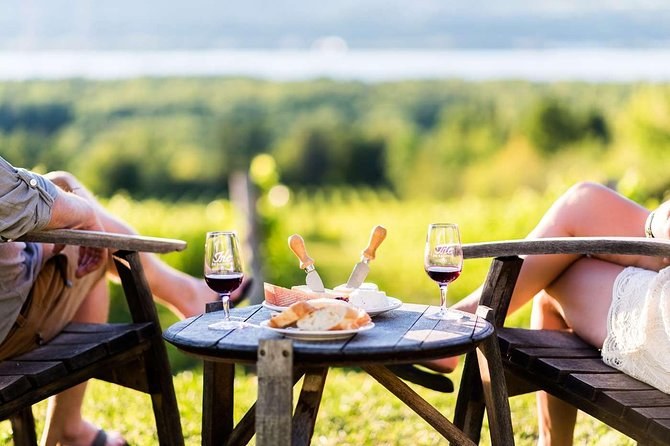
This pastoral island fifteen minutes from downtown is where Quebec City's best chefs do their sourcing, and visiting it yourself — with a driver, not a bus tour — is the single best half-day side trip in the region. Hit Cassis Monna & Filles for their blackcurrant liqueurs and crème de cassis, stop at a sugar shack if it's maple season, and time your drive so you end at Panache Mobile or a waterfront spot with the island's legendary strawberries. Most tourists never leave Old Quebec; this is where you taste the terroir that defines the city's cuisine.
4
The Thermal Spa Circuit at Strom Nordic Spa, Timed for Golden Hour
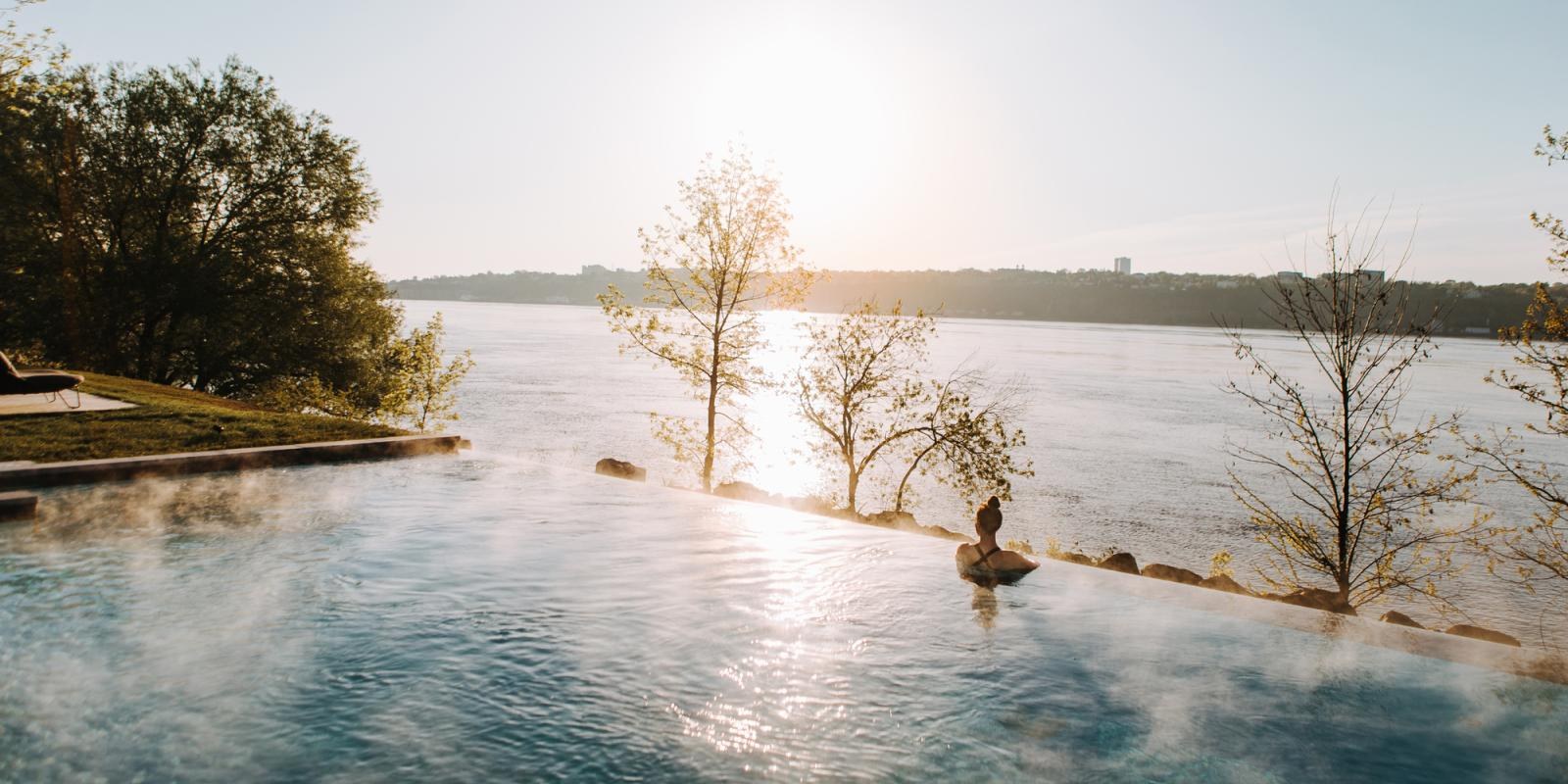
The Strom spa on the outskirts of the city sits above the St. Lawrence with infinity-edge hot pools that face directly into the river valley — in winter, you're soaking in 102°F water while snow falls on your shoulders and the light turns the frozen landscape violet. Book the last afternoon slot on a weekday for the smallest crowds and the best light. This isn't a resort amenity spa; it's the full Scandinavian-style hot-cold-rest circuit done properly, and it's the one experience in Quebec City that rivals anything I've done in Iceland or Finland.
5
Dinner at Légende, Where Boreal Cuisine Gets Its Definitive Statement
Chef Raphaël Vézina has essentially built a cuisine around the boreal forest — think Labrador tea-smoked meats, sea buckthorn, wapiti tartare, and wild herbs you've genuinely never encountered before. The dining room in the Saint-Pierre quarter is refined without being precious, and the staff can explain exactly which forager brought in tonight's mushrooms. This is the restaurant that food-obsessed travelers fly to Quebec City specifically to eat at, and it delivers every time.
6
A Suite at Auberge Saint-Antoine With the Archaeological Dig Beneath Your Feet
Forget the Frontenac — it's a grand-dame photo opportunity, but Auberge Saint-Antoine is where discerning travelers actually sleep. This Relais & Châteaux property was built around genuine 17th- and 18th-century artifacts discovered during construction, displayed throughout the halls like a living museum. Request a river-view suite in the heritage wing, where the exposed stone walls and curated antiques make chain luxury hotels feel soulless by comparison. The breakfast alone — local cheeses, house-baked breads, Île d'Orléans preserves — is worth the rate.
When to Go Show ↓
Peak Season
Late June through early September, plus late January through mid-March (Winter Carnival and ski season)
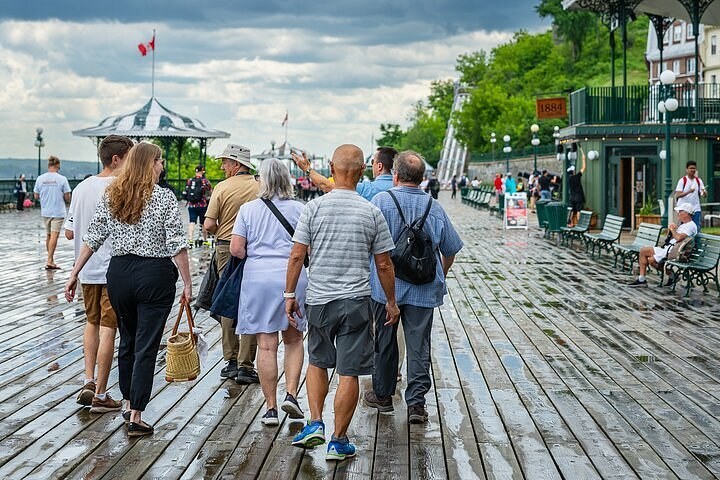
Quebec City has two genuine peaks: summer, when the terraces along Dufferin are open and the festivals roll nonstop, and deep winter, when Carnaval de Québec transforms the city into a frozen spectacle and the Nordic spa circuit is at its most dramatic. Summer is gorgeous but the cruise-ship crowds can overwhelm Petit-Champlain by midday — stay in Saint-Jean-Baptiste or Saint-Roch to escape the bottleneck. Winter peak is actually the more rewarding luxury experience if you embrace the cold; just book well ahead because the best suites at Saint-Antoine and Hôtel de Glace sell out months early.
🌴
Shoulder Season
September through October, and April through mid-June
Early fall is Quebec City's secret weapon — the crowds thin overnight after Labour Day, the foliage along the St. Lawrence corridor is staggering by late September, and restaurant menus shift to game, mushroom, and harvest cuisine that represents the city's cooking at its absolute peak. Late spring brings maple season and the return of terrace culture without summer pricing or tour-bus density. If I could only visit once, I'd come the last week of September every single time.
Plan your trip to Quebec City