Osaka · Japan
Osaka cultural workshops typically last 1–2 hours and let you try one focused activity with a small group. Expect hands-on experiences like making sushi or okonomiyaki, a basic tea ceremony, wearing a kimono for photos, or a short calligraphy or pottery session. Most are well-organized, English-friendly, and include a brief explanation of the background. They feel more like a structured class than a deep cultural immersion. Groups are usually 6–12 people, so it’s social but not chaotic. You’ll leave with a small souvenir or something you made yourself. It’s a decent way to break up a day of sightseeing, especially if you want photos or a practical skill to take home.
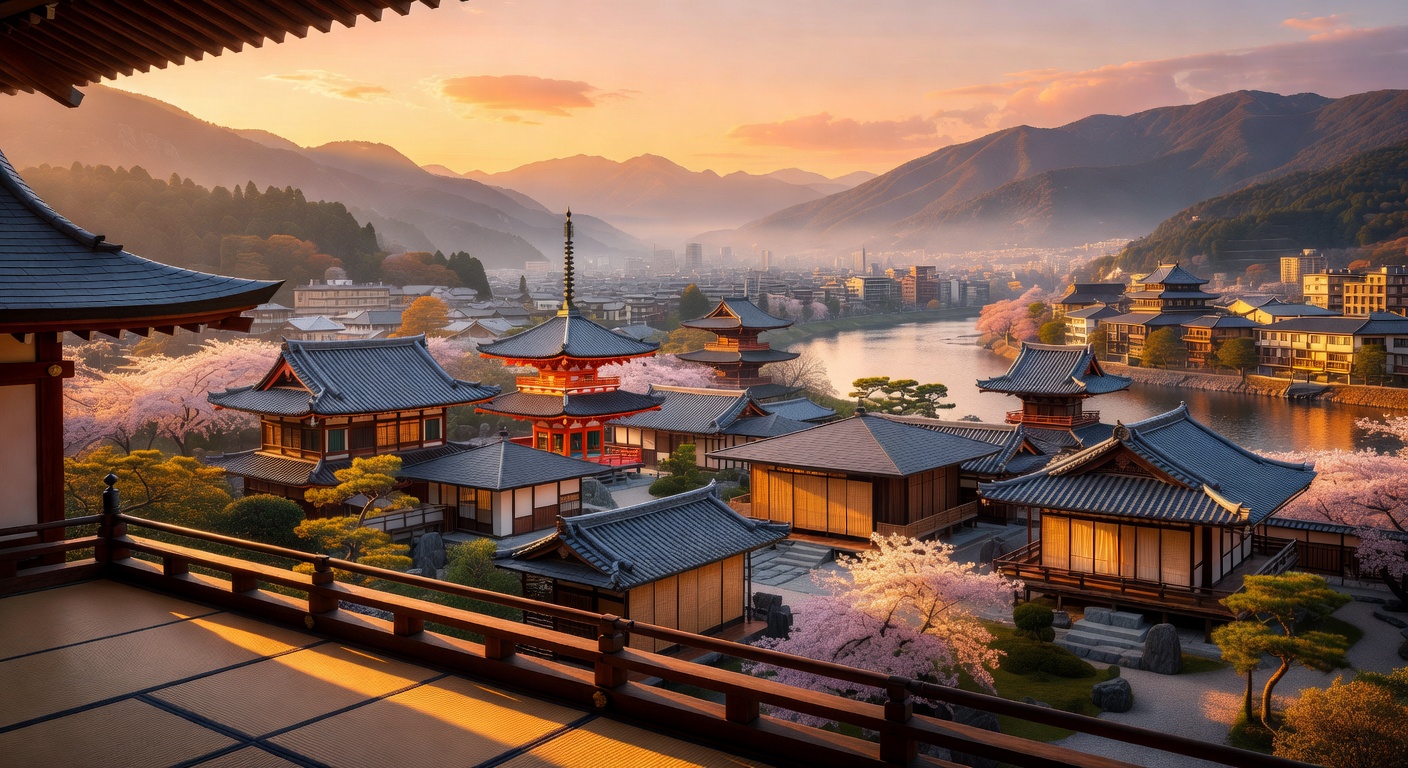
The best time is spring (late March–April) for cherry blossoms or autumn (October–November) when the weather is pleasant for walking between activities. Summer is hot and humid, winter can feel raw. Expect to pay around $35–80 per person depending on the activity and whether it includes food or a meal. Tea ceremony and calligraphy tend to be on the cheaper end; sumo experiences or full kimono + lunch packages sit at the higher end.
Pick a food-related workshop if you want something immediately useful—rolling your own sushi or learning real okonomiyaki technique pays off later. Skip the overly touristy “wear a kimono and wander Dotonbori” options unless you specifically want the photos; they often feel rushed and crowded. Book something that starts in the morning if you can—people are fresher and the experience feels less like an afterthought.
Some links are affiliate links — we may earn a commission at no extra cost to you. See our Terms.