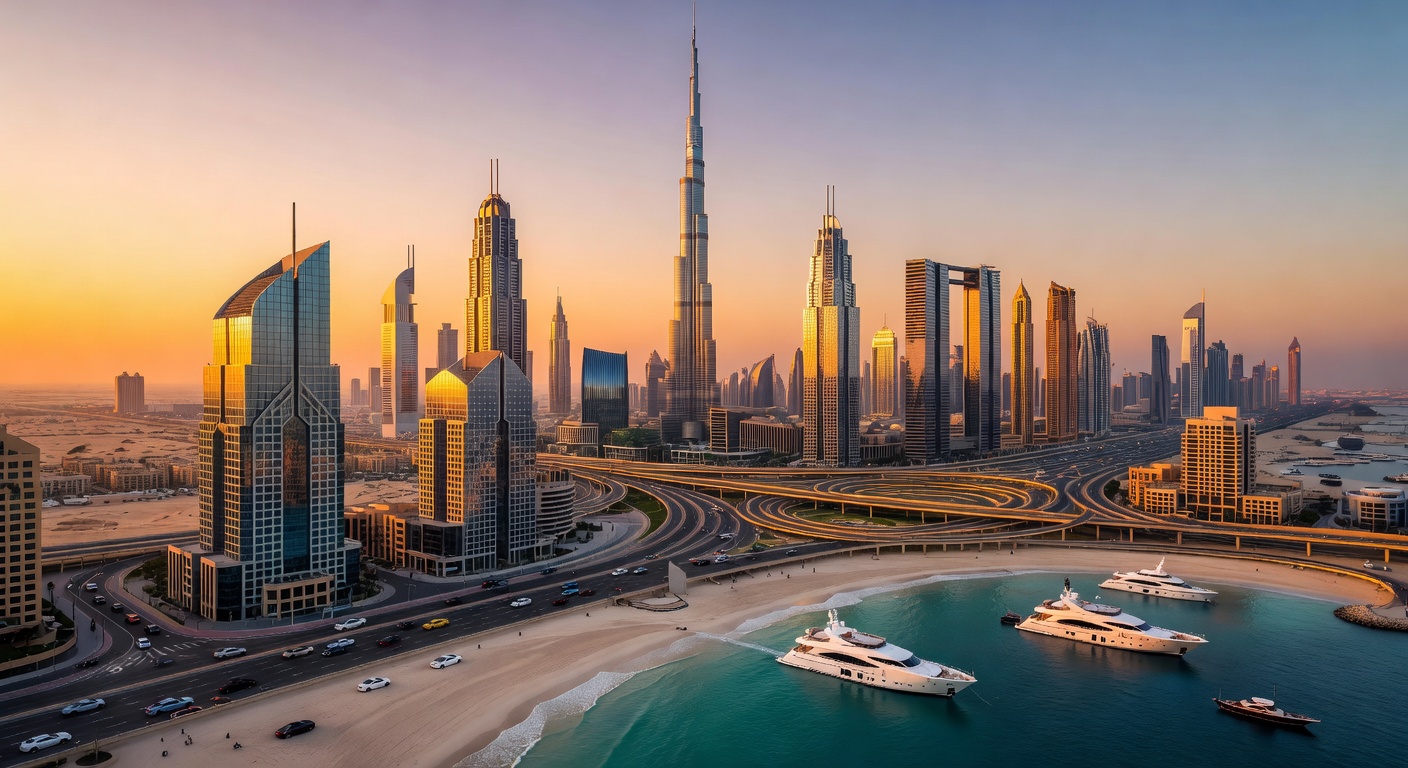
Dubai · UAE
Expect a genuinely dark sky once you get 45–60 minutes outside the city glow. Most trips combine a short dune-bashing or camel ride, dinner at a basic Bedouin-style camp, then an astronomer with a couple of decent telescopes pointing out planets and deep-sky objects. The Milky Way is usually visible to the naked eye from October to April when nights are cooler and drier. Summer stargazing is possible but uncomfortable – temperatures can still sit above 30 °C after dark and humidity kills clarity. Best months are December to March when the air is crispest and you won’t freeze at 2 a.m.
Expect to pay around $80–$160 per person depending on group size and inclusions. Shared tours with buffet dinner and basic telescope time sit at the lower end; private 4×4 trips with an actual astronomer, better equipment, and no crowds push toward the higher figure. Add-ons like quad bikes or sandboarding quickly inflate the price but add little to the stargazing itself.
Pick a smaller-group or private night safari that finishes with at least 45 minutes of proper telescope time away from camp lights. Skip the big-bus “premium” packages that advertise stargazing but deliver a noisy camp with floodlights and only ten minutes of astronomy as an afterthought. Bring a headlamp with red-light mode, a warm layer, and realistic expectations – this is desert tourism with astronomy on the side, not an observatory visit.
Some links are affiliate links — we may earn a commission at no extra cost to you. See our Terms.