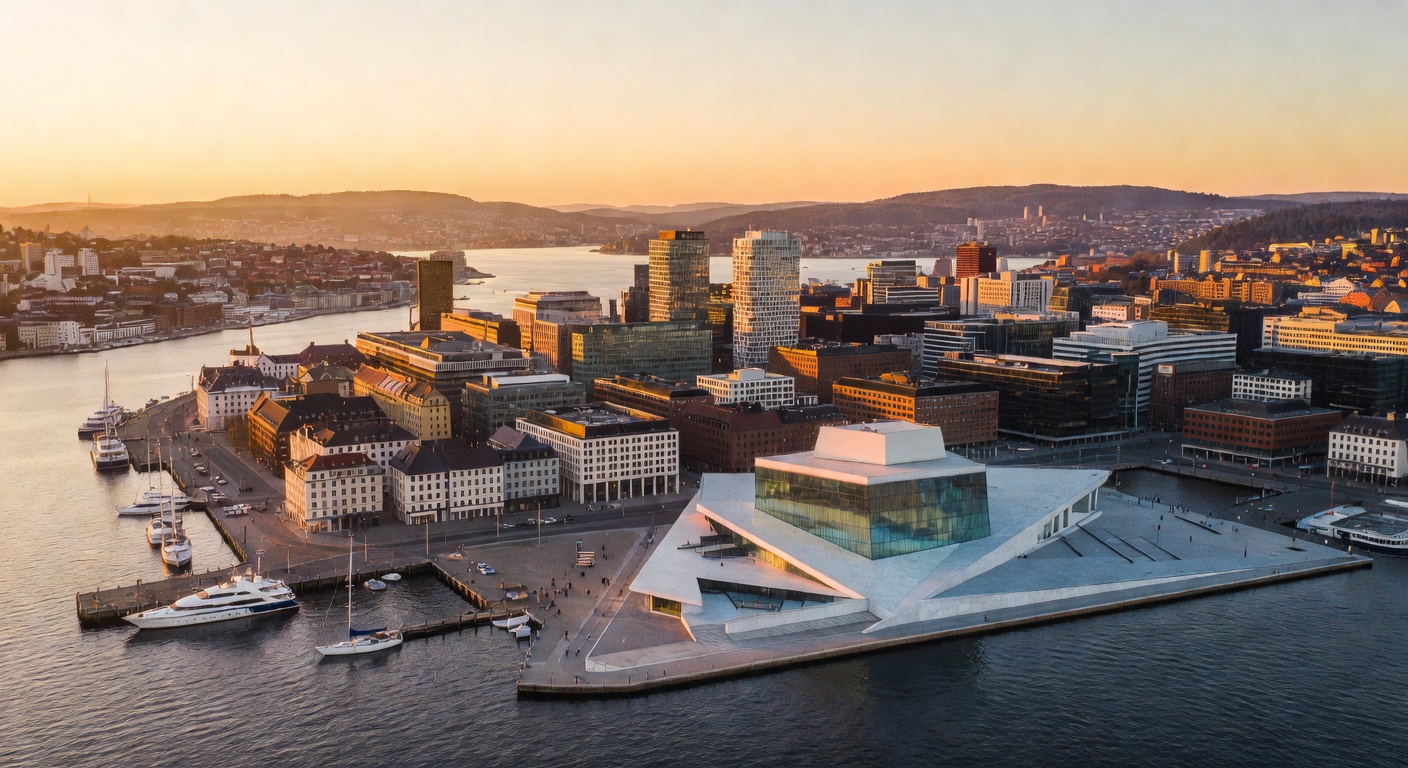
Oslo · Norway
Expect a large open-air museum with 150+ relocated historic buildings, from rural farmsteads and town houses to a complete 13th-century stave church. Costumed staff demonstrate traditional crafts, baking, and animal husbandry in summer. It's a pleasant half-day wander on the Bygdøy peninsula: think cobbled paths, grass roofs, and furnished interiors that show how Norwegians lived from the 1500s to the early 20th century. In winter it's much quieter, with fewer buildings open and a focus on indoor exhibits.
Best time is late May to August when everything is open and the living-history program is running. Expect to pay around 150–250 NOK for an adult ticket depending on season; family tickets and Oslo Pass discounts help. Combine it with other Bygdøy museums if you're into cultural history, but don't try to do it all in one rushed visit.
Honest tips: Prioritise the stave church and the rural farmyards; they're the real highlights. Skip the indoor museum sections unless the weather is terrible—they're less compelling. Wear comfortable shoes and bring a picnic; the grounds are perfect for it and the café gets crowded and pricey in peak season.
Some links are affiliate links — we may earn a commission at no extra cost to you. See our Terms.