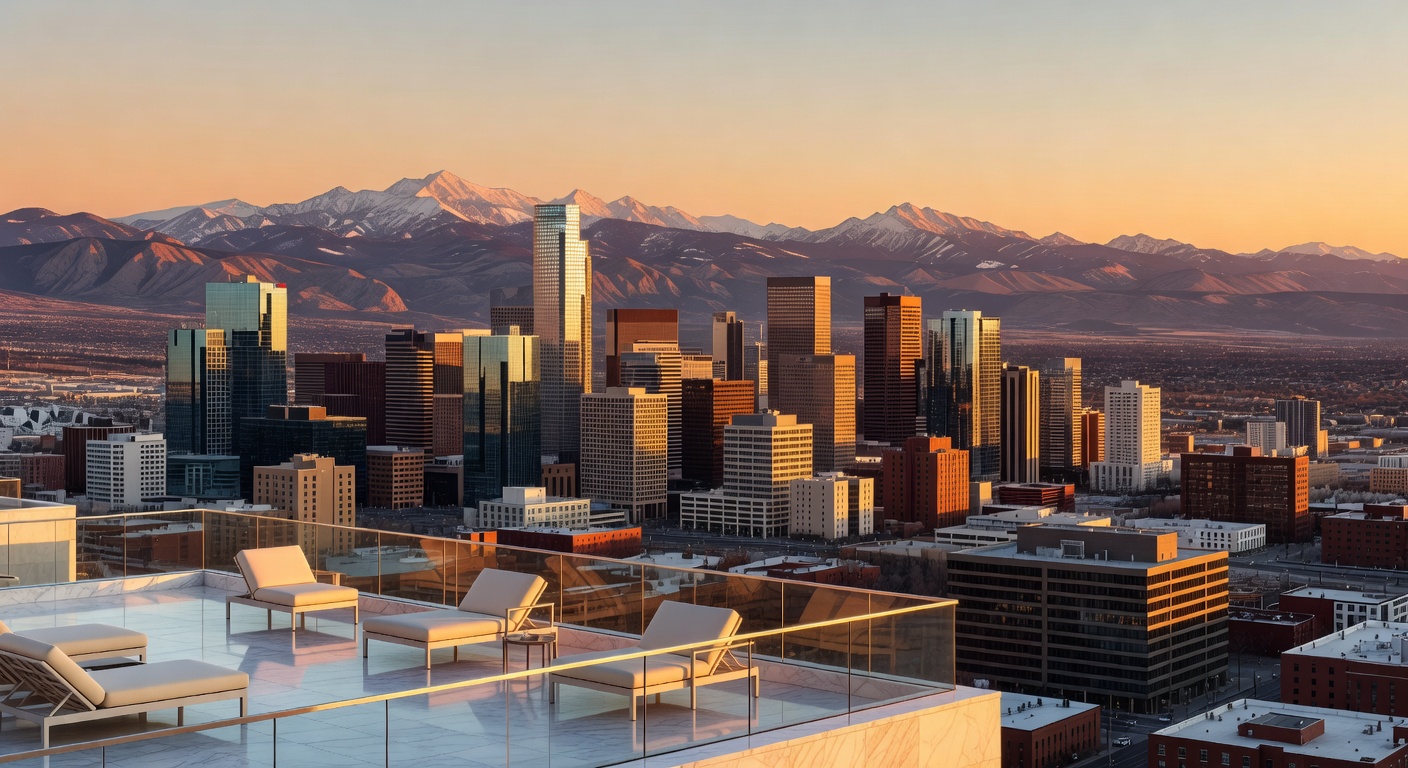
Denver · Colorado
Expect crisp mountain air, stunning alpine views, and hikes ranging from easy lakeside walks to serious climbs above treeline. Trails are well-maintained but can get crowded near Denver on weekends. Altitude hits hard if you fly in from sea level; headaches and shortness of breath are common the first couple days. Weather changes fast—afternoon thunderstorms are normal in summer, so start early. Wildlife is real: you’ll likely see elk or marmots, and you must know how to handle bears and mountain lions if you venture deeper.
The best time is June through September when most trails are snow-free. July and August bring wildflowers and reliable access but also the biggest crowds and monsoon rains. Shoulder months (late May or September) offer fewer people and beautiful fall colors, though snow can still block higher passes. Expect to pay around $150–350 per person for a guided day trip including transport from Denver; renting a car and going independently runs $80–200 once you add gas, park fees, and gear.
Pick a mid-level hike like those in Rocky Mountain National Park for the classic experience. Skip overly ambitious 14er summits unless you’re already acclimated and have solid fitness—many first-timers underestimate how tough they are at altitude. Always bring layers, plenty of water, and a rain jacket even if the forecast looks perfect.
Some links are affiliate links — we may earn a commission at no extra cost to you. See our Terms.