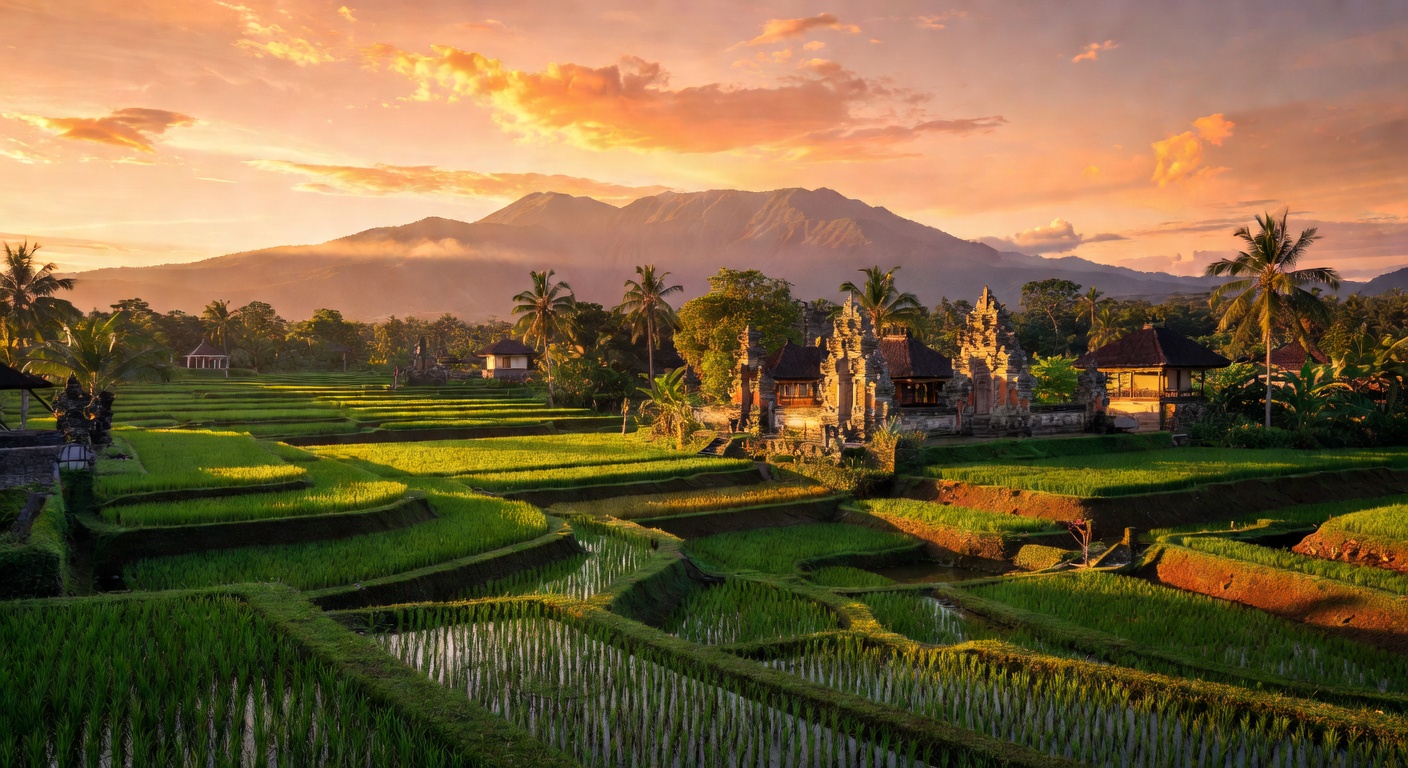
Bali · Indonesia
Expect a very early start (usually 2–4 am) for a moderate-to-steep hike on loose volcanic rock and dirt trails. Mount Batur is the most common choice: 1.5–2 hours up to watch sunrise over the caldera and lake, then a loop around the rim. It’s not a technical climb but it’s sweaty, dusty, and can be crowded at the summit. The landscape is stark and impressive rather than lush jungle; you’ll smell sulfur and feel the heat in places where steam vents. Descent is faster but harder on the knees. Most people finish by 9–10 am and are back at their hotel before lunch.
The dry season (May–October) is clearly best; trails are less slippery and views are sharper. December–February brings heavy rain that can turn paths into mud and hide the crater in cloud. Expect to pay around $35–75 per person for a basic group trek including transport, headlamp, simple breakfast and a guide. Private tours or longer crater hikes sit at the higher end; anything much cheaper usually means bigger groups and less attentive guides.
Pick a small-group sunrise trek on Batur if it’s your first time; it’s the sweet spot between effort and reward. Skip the add-on “bike down the mountain” or ATV packages—they’re touristy and not nearly as fun as they sound. Bring your own headlamp, a light windbreaker for the chilly summit, and enough water. The experience is worthwhile if you like early mornings and raw volcanic scenery, but it’s not a wilderness escape.
Some links are affiliate links — we may earn a commission at no extra cost to you. See our Terms.