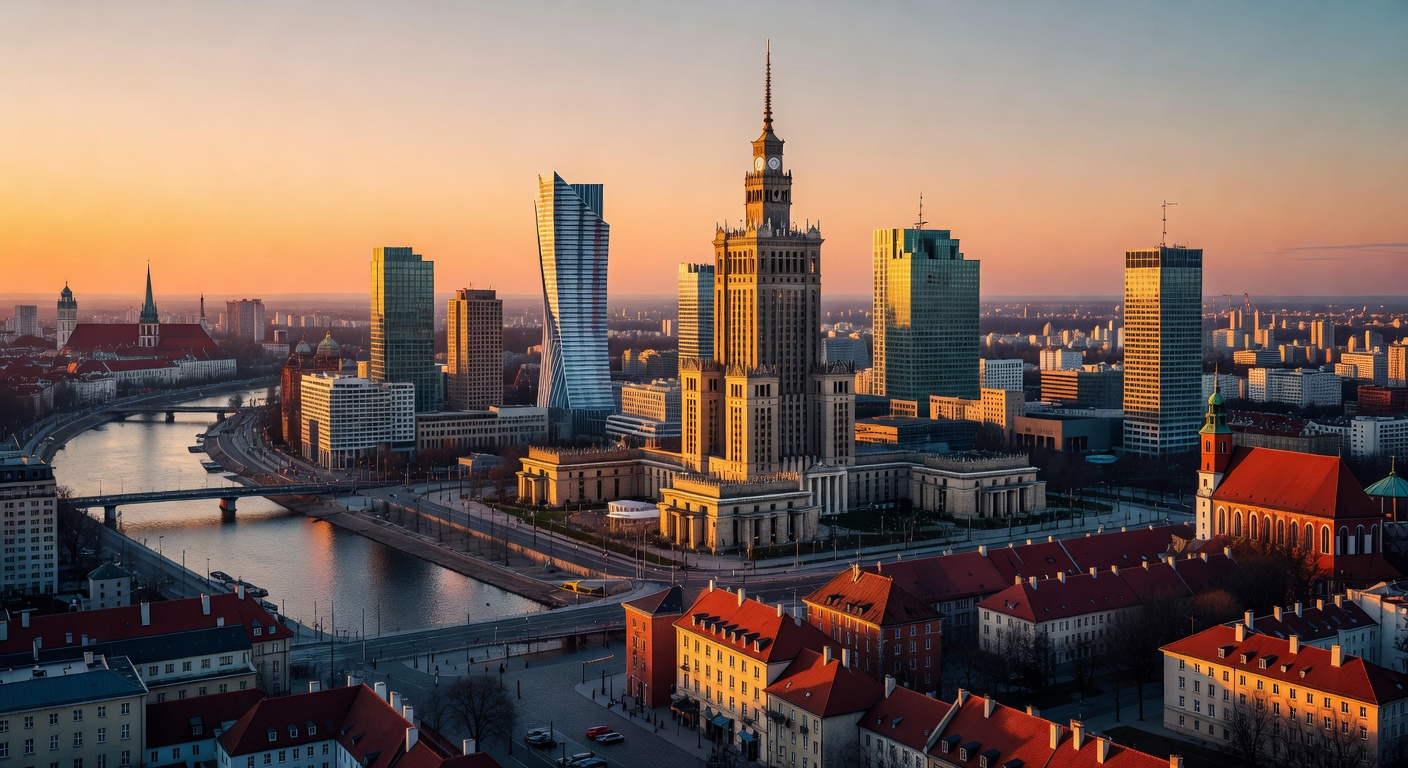
Warsaw · Poland
A Warsaw WWII walking tour is mostly an outdoor history lesson that mixes solemn sites with straightforward narration. Expect to spend 3–4 hours on your feet covering the former ghetto area, remnants of the ghetto wall, the Umschlagplatz, and key spots tied to the Warsaw Uprising. The experience is sobering rather than flashy—no reenactments or dramatic effects, just streets, plaques, and a good guide filling in what the city looked like in 1939–45. You’ll see how the city was systematically destroyed and partly rebuilt, and you’ll get a clearer sense of both Polish and Jewish stories from the period. It’s not light entertainment; most people find it heavy but worthwhile if you already have some basic WWII knowledge.
Best time is late spring or early autumn—May–June or September–October. Summers can be hot and crowded; winters are cold with short days that make long walks less appealing. Expect to pay around $20–70 per person depending on whether you join a small-group tour or book a private one. Private tours with hotel pickup sit at the higher end; basic group walks are cheaper. One solid tip: choose a tour that balances ghetto history with Uprising content instead of one that covers only Jewish sites or only military aspects. Skip the big-bus “all of Warsaw in 3 hours” versions; they rush the emotional parts and keep you stuck behind glass most of the time.
Some links are affiliate links — we may earn a commission at no extra cost to you. See our Terms.