Imperial Vienna: Habsburgs, High Culture & Living Tradition
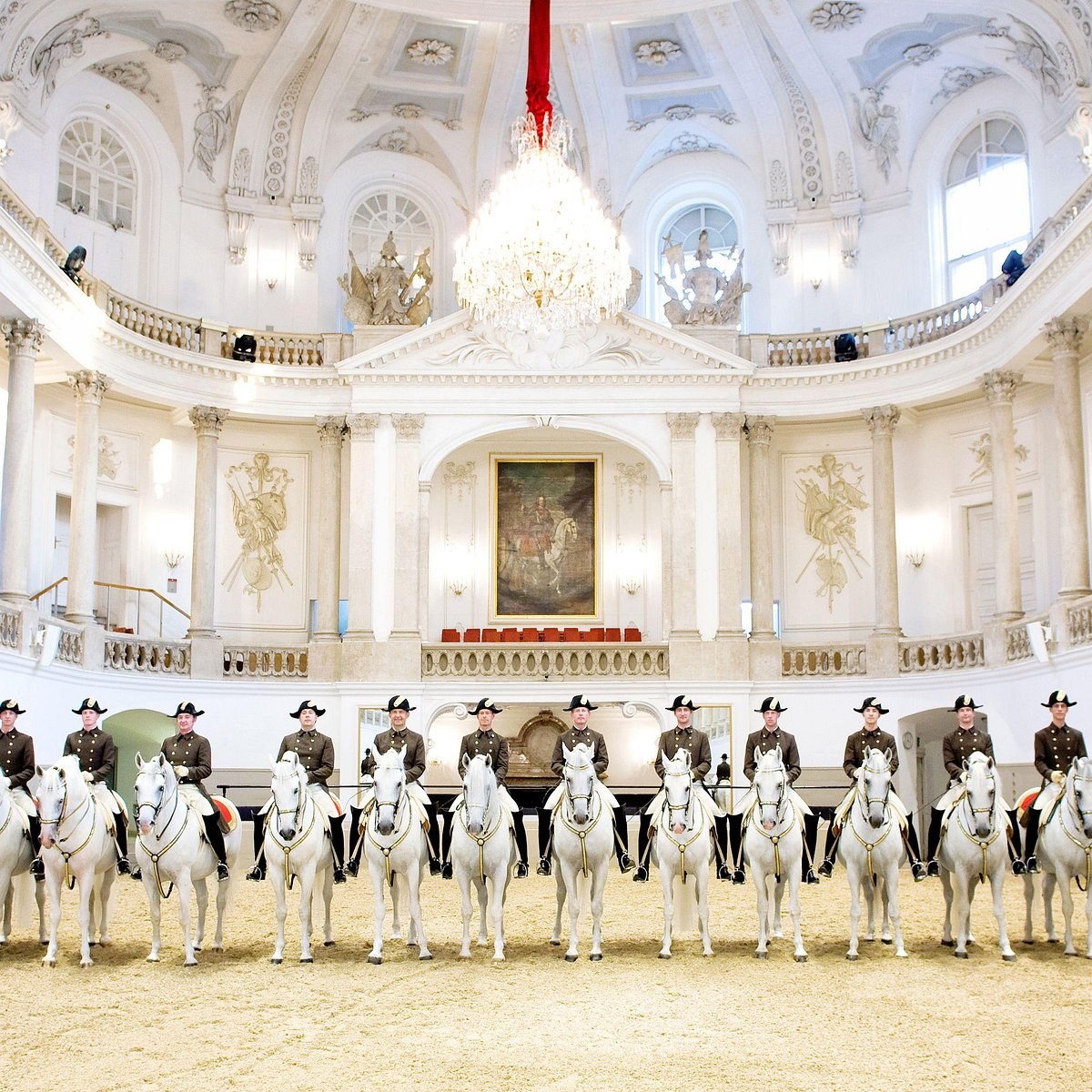
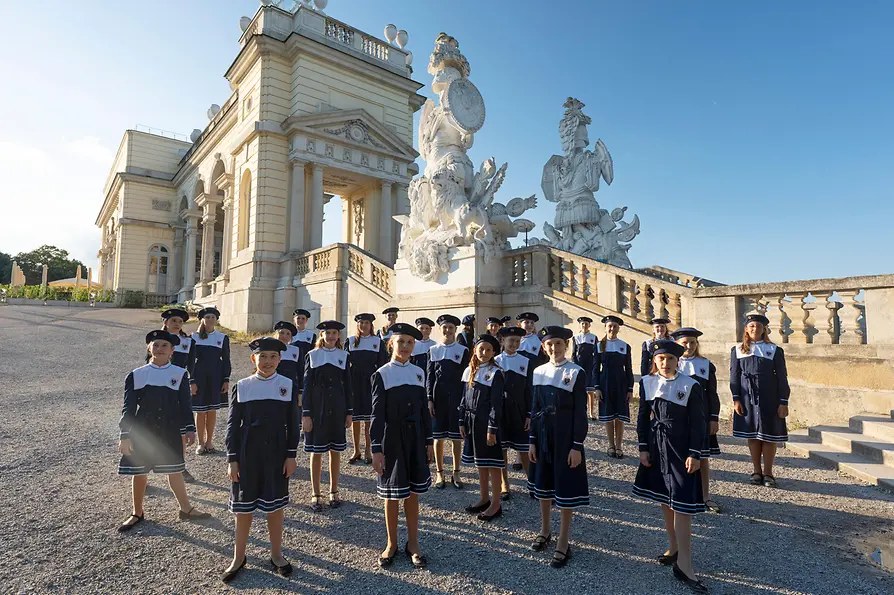
This is a trip for people who want to understand Vienna rather than just photograph it. The Habsburg empire shaped this city for six centuries, and what it left behind isn't simply a collection of grand buildings — it's a living culture of music, craft, ceremony, and ritual that still runs on the same rails it always did. The Spanish Riding School still trains Lipizzaner stallions using 16th-century methods. The Vienna Boys' Choir still sings Sunday mass. The Augarten manufactory still fires porcelain by hand. That continuity is what makes Vienna genuinely unlike anywhere else in Europe.
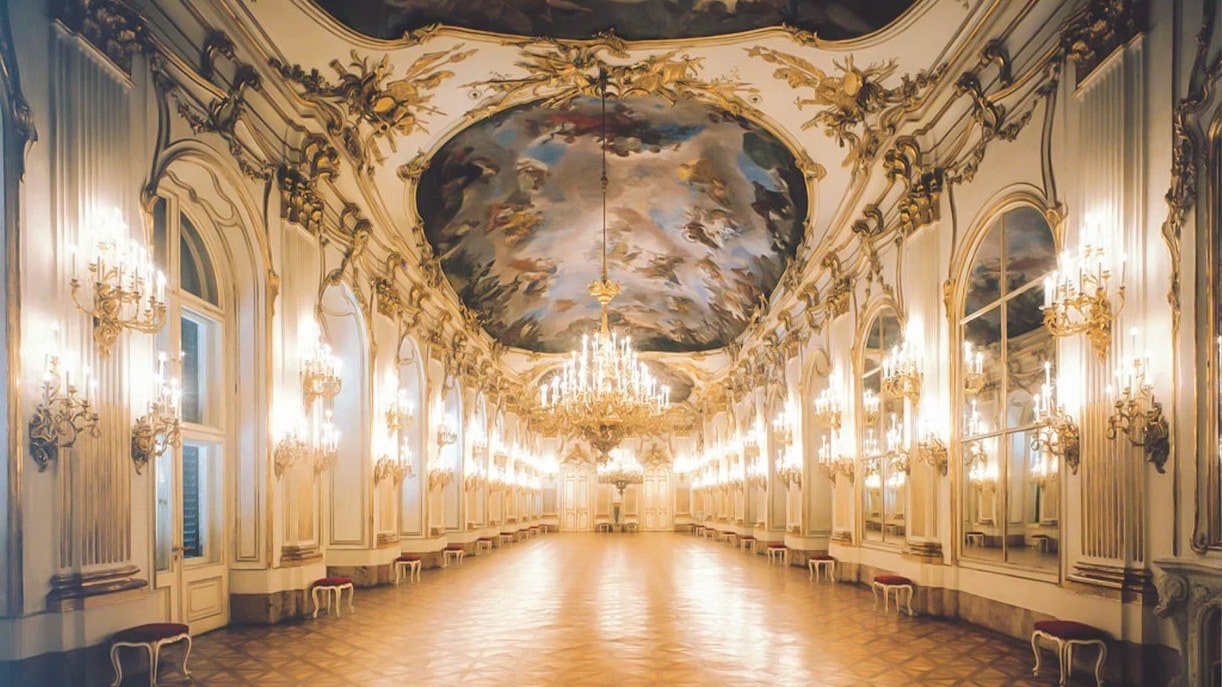
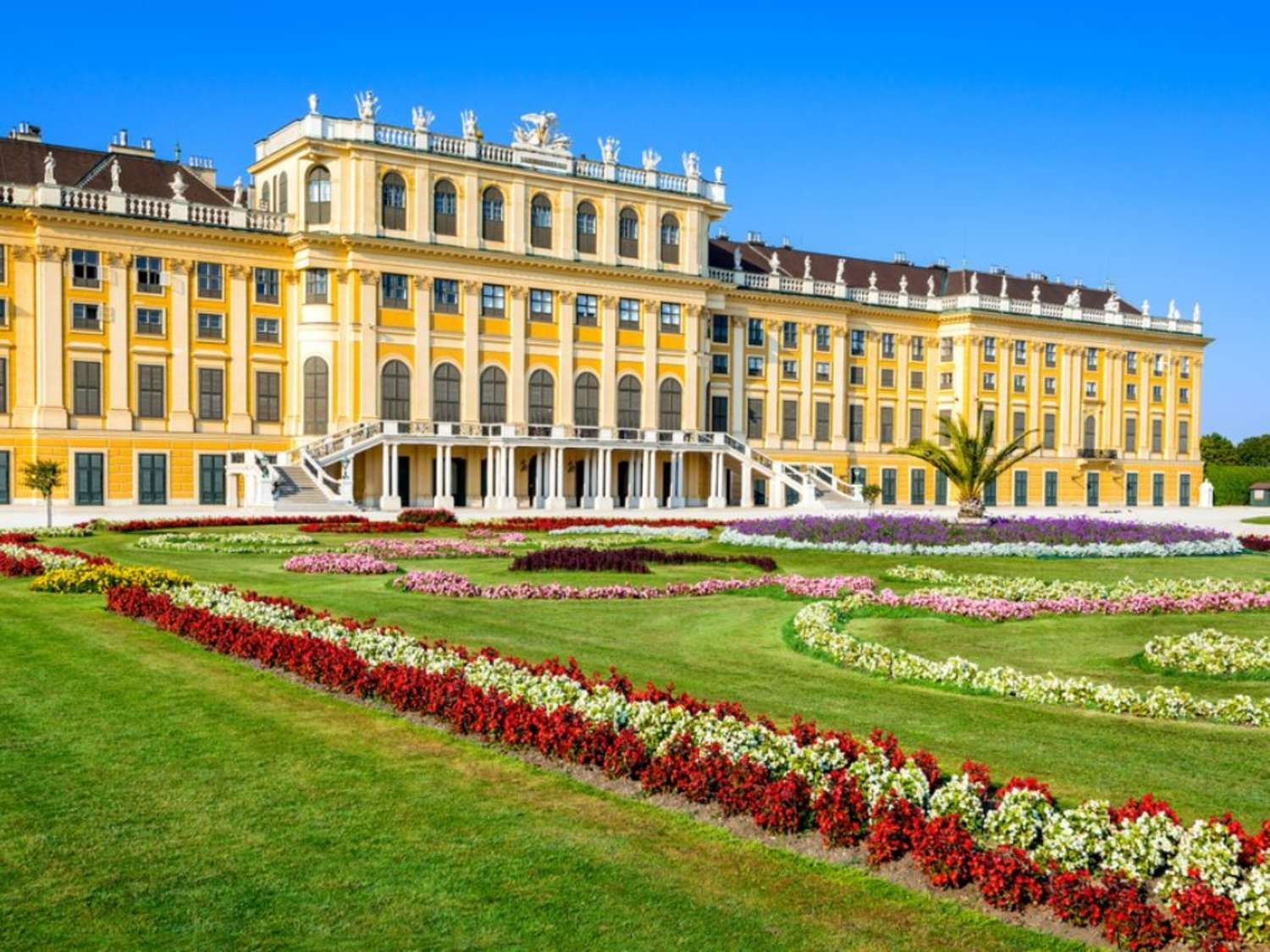
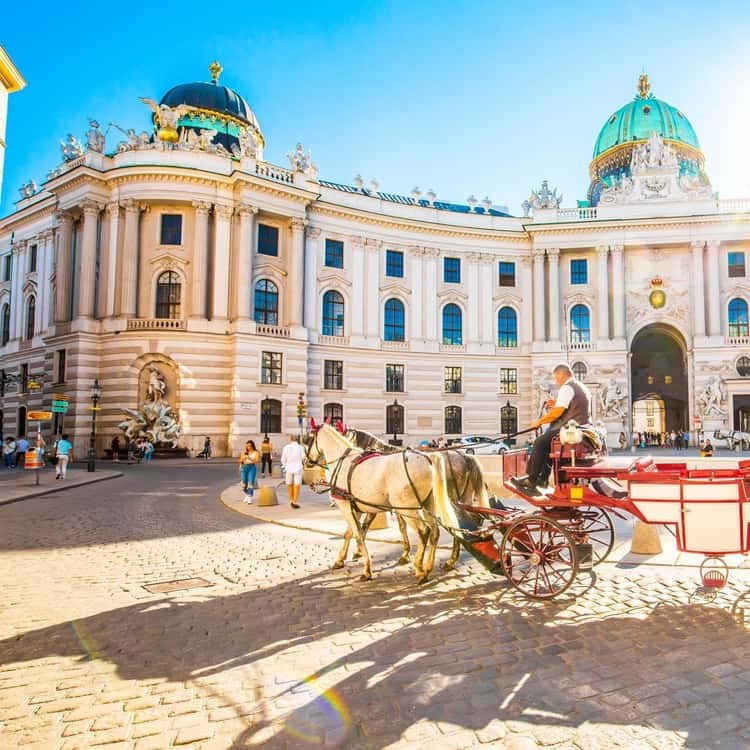
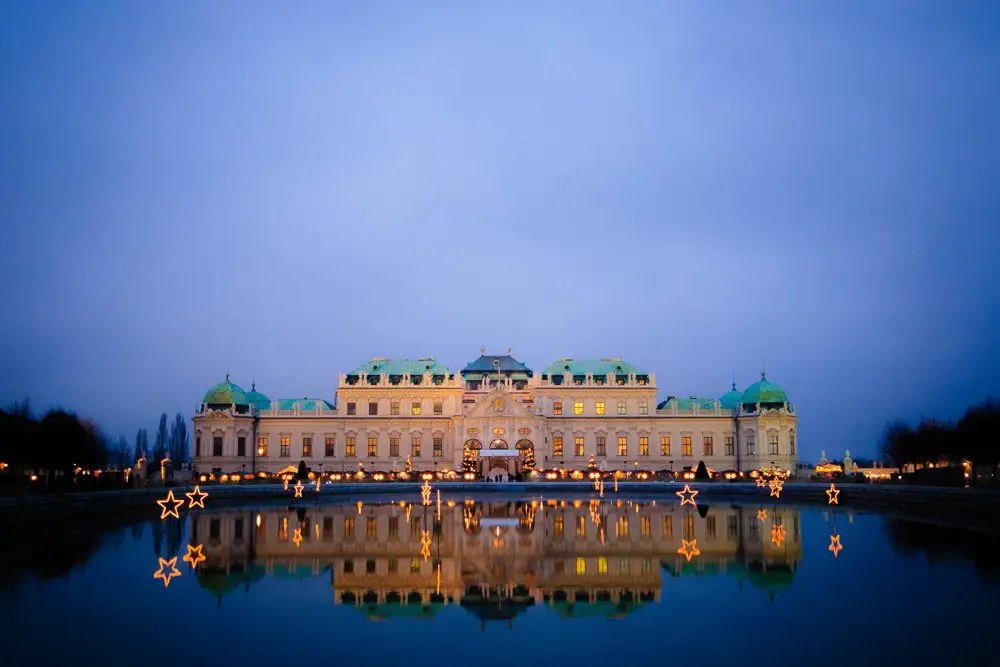
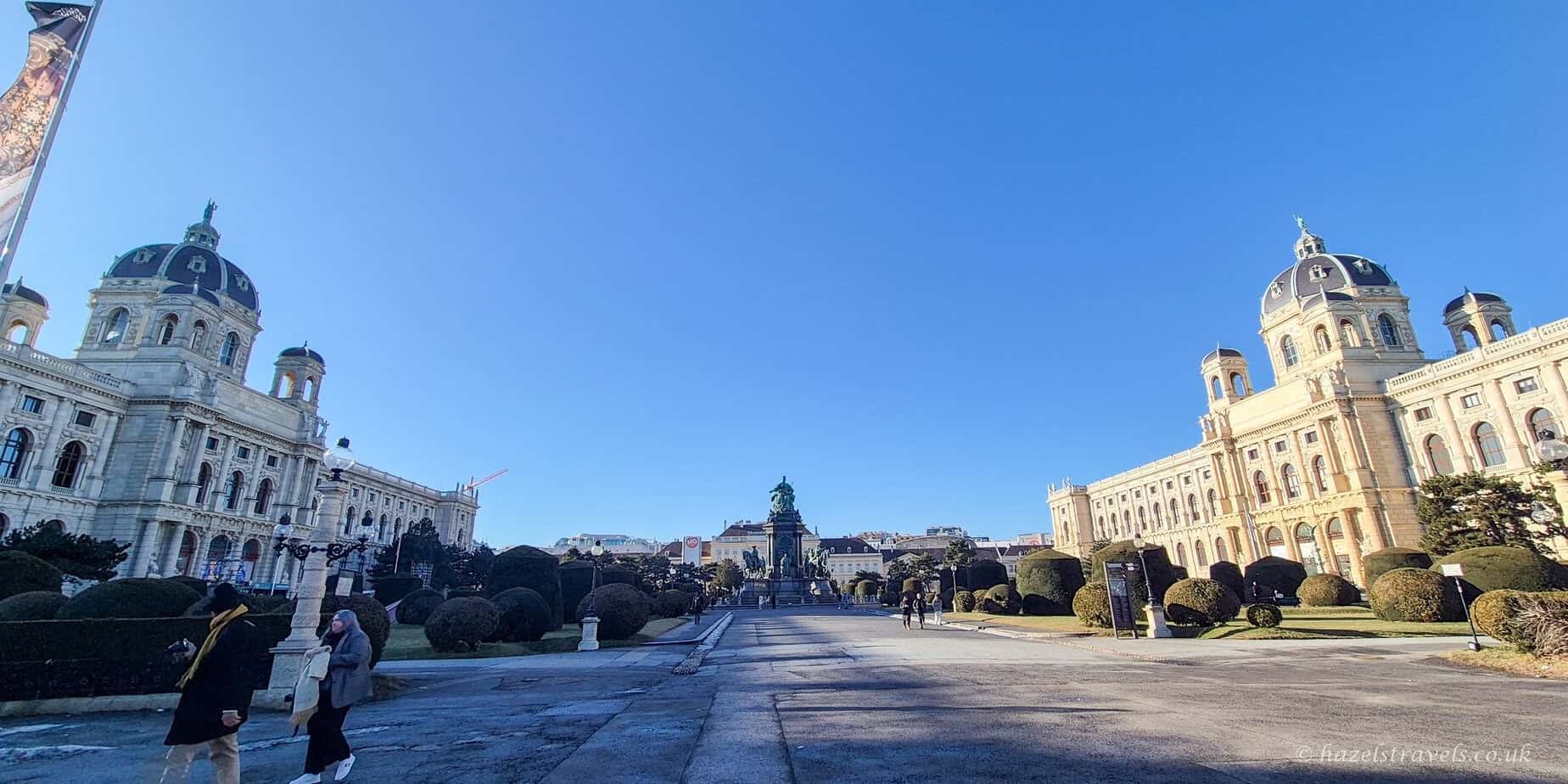
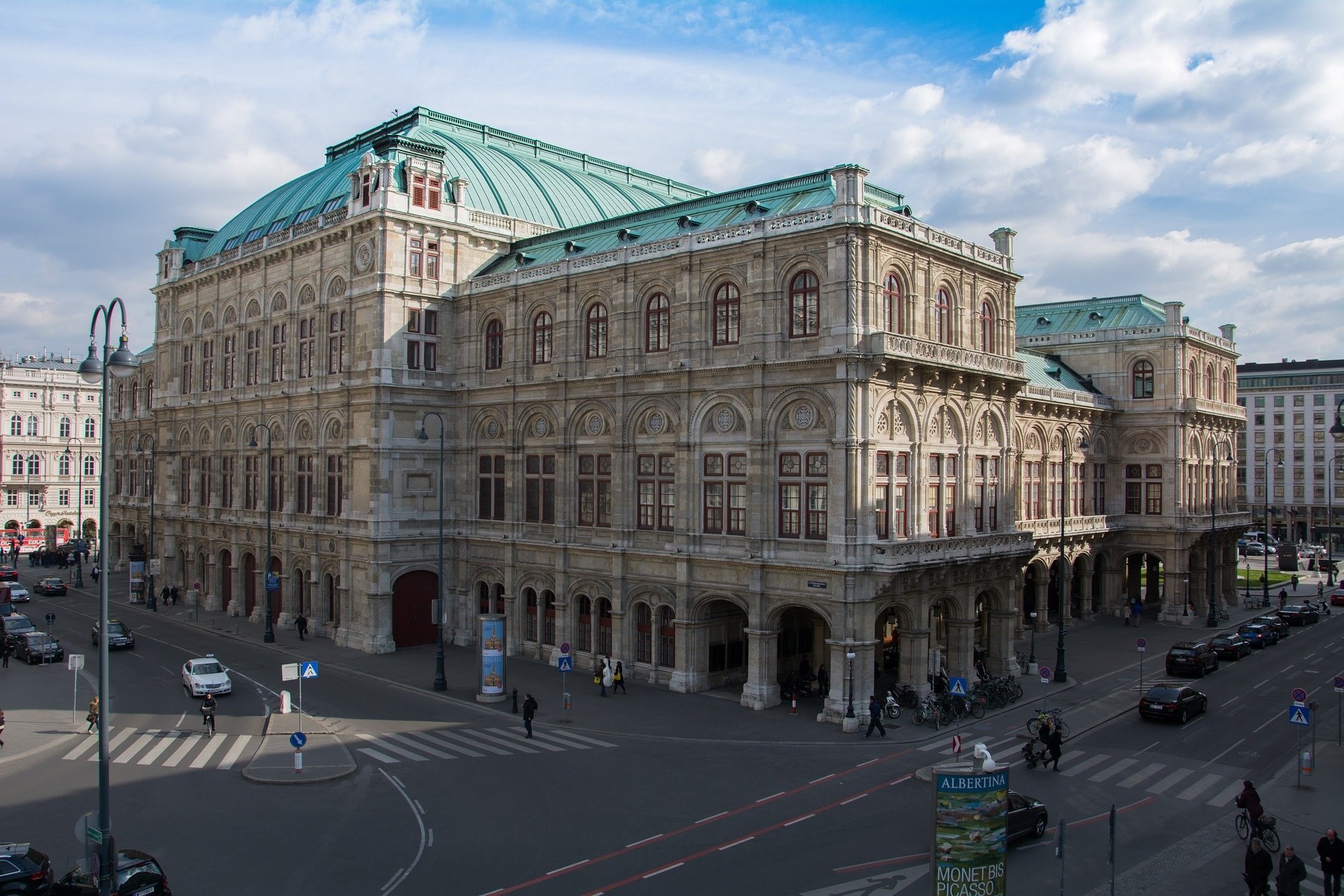
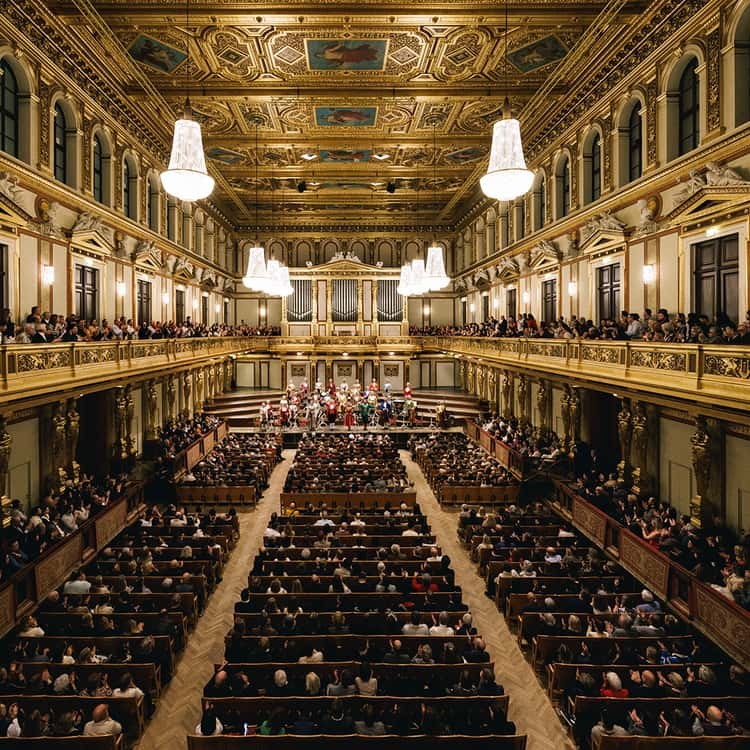
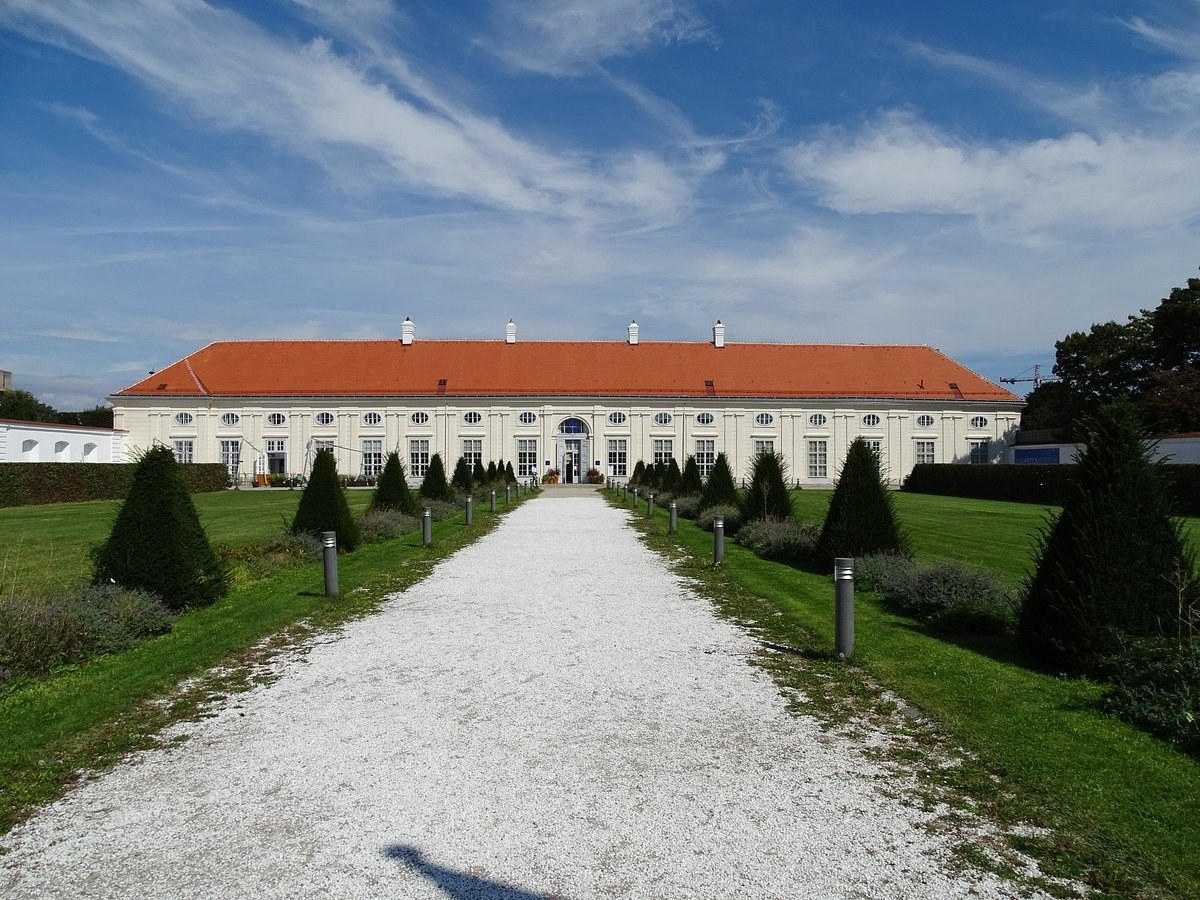
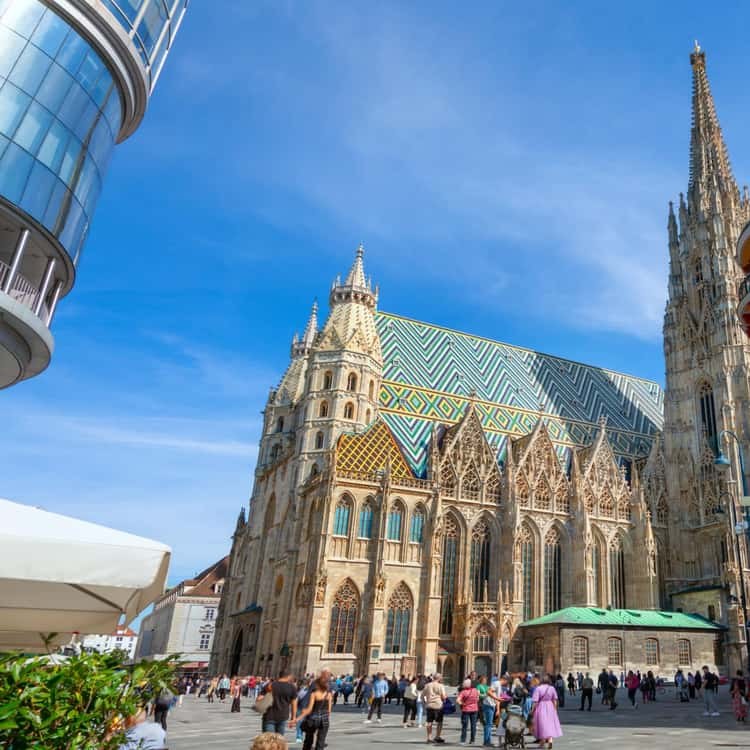
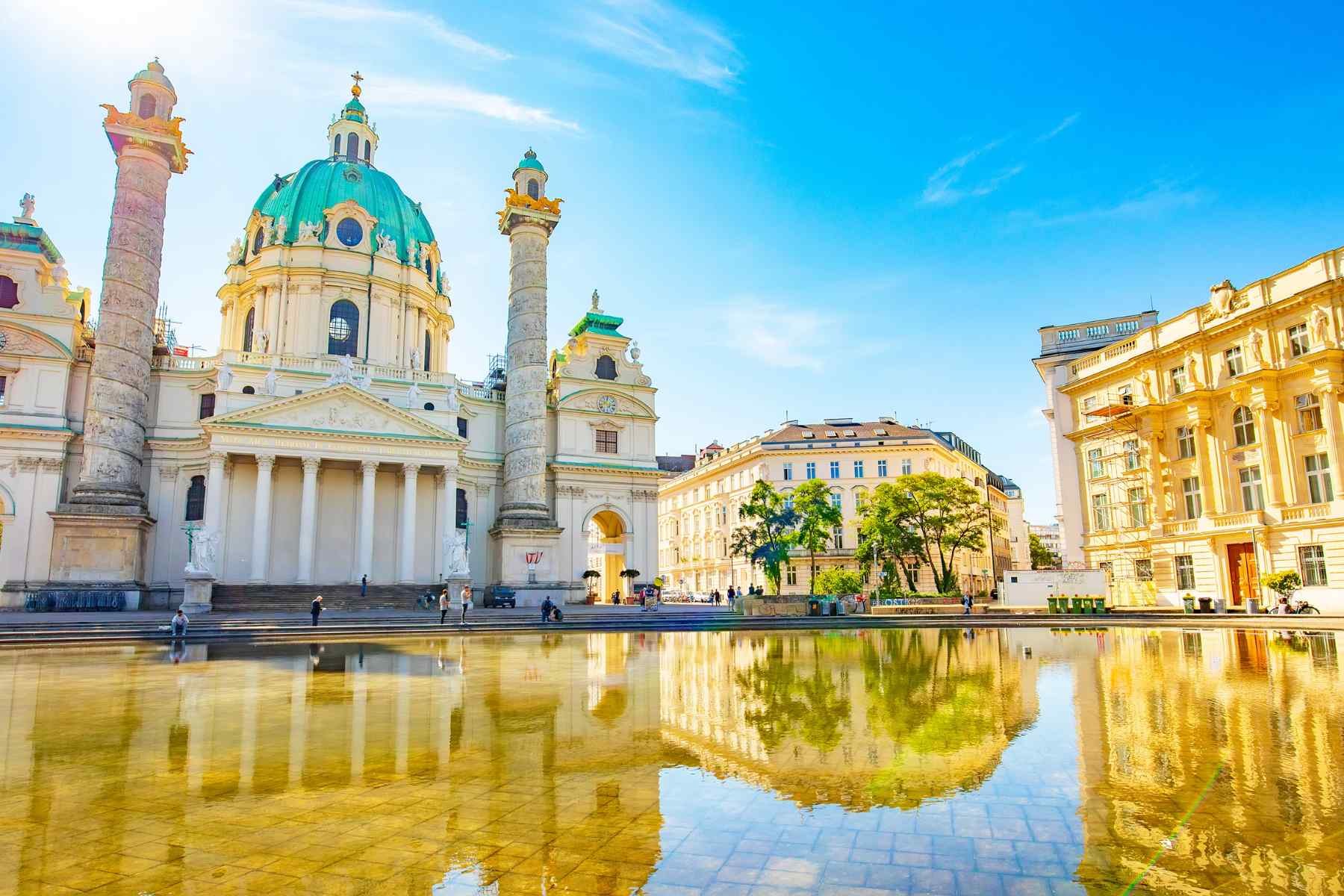
Across two or three days, the shape of the trip is roughly this: start at the Hofburg, the administrative heart of the empire, then use Time Travel Vienna to get a fast, enjoyable orientation to the city's full arc before you commit your feet to pavement. Spend a morning at the Kunsthistorisches Museum — the collection the Habsburgs assembled for themselves — then cross to the Belvedere for Austrian art on its own terms. Schönbrunn deserves a half-day on its own; go early before the coaches arrive. Build your evenings around performance: a Mozart concert in the Musikverein's Golden Hall or a night at the State Opera are not tourist boxes to tick — they are exactly what the city was built for. St. Stephen's Cathedral and Karlskirche anchor the spiritual geography in between, and the Augarten porcelain visit makes for a quiet, genuinely memorable hour away from the main circuits.
| Flights | 2 × $1,201 Prem. Econ. | $2,402 live |
| Hotels | 4 nights × $280 luxury | ~$1,120 |
| Rental car | 4 days × $150 | ~$600 |
| Excursions | this itinerary, entry → guided | $64 |
| Food | 4 days, fine dining | ~$960 |
| Trip total | $5,146 |
We may earn a commission when you book through these links, at no extra cost to you. Prices and availability are set by each partner.
Cruises that call within reach of Vienna — each one opens as a full plan of its own: where to fly in, every port, and what the week runs.
Some links are affiliate links — we may earn a commission at no extra cost to you. See our Terms.