Your cruise
Celebrity Ascent · 10-night Mediterranean round trip from Civitavecchia (Rome)
May 12 – May 22 · 10 nights ·
Day 1 Civitavecchia (Rome) (board) · Day 2 Cagliari · Day 3 Palermo · Day 4 at sea · Day 5 Split · Day 6 Dubrovnik · Day 7 Corfu · Day 8 Katakolon (Olympia) · Day 9 at sea · Day 10 Naples · Day 11 Civitavecchia (Rome) (step off)
What you do Su Nuraxi is the grandest of Sardinia's mysterious Bronze-Age nuraghi — a 3,500-year-old basalt tower-fortress ringed by a turreted bastion and a labyrinth of beehive huts, and the only one inscribed by UNESCO. You don't just look at it; the obligatory guided visit takes you inside the central tower and up onto the ramparts, which is genuinely bucket-list for anyone who cares about a civilization that left no written language, only these astonishing stone machines. Pair it with the Casa Zapata museum, built atop a second buried nuraghe with glass floors over the excavation.
What to expect From the visitor centre a shuttle/short walk brings you to the tower, where a licensed guide leads small groups up and into the structure on uneven, sometimes slick basalt — sturdy shoes matter. The guide narrates the nuragic mystery as you stand inside the corbelled central chamber and look out from the bastion over the Marmilla plain. The Casa Zapata museum and Lilliu Centre add context and the eerie glass-floor view down onto a buried nuraghe. Allow 2.5–3 hours on site total.
Good to know Open every day of the year, continuous hours; tours run every 30 minutes so you rarely wait. It's ~60–70 min each way from the cruise terminal, so budget a 5–6 hour round trip and confirm against your all-aboard. Pre-book the official combined ticket online and reserve your private transfer in advance; bring water, a hat and non-slip shoes (tower access can close in bad weather).
Versus the ship tour Cruise lines (NCL, Celebrity, Princess) sell the Barumini half-day at roughly USD 110–180 per person on a full coach. Barumini is ~1 hour inland with no practical public transport for a port day, so the value question is really about the transfer, not the ticket. Booking the official guided ticket direct plus a private small-group driver almost always beats the ship on both price and intimacy — but if you're solo or risk-averse about timing, the ship coach's guaranteed return is a fair trade-off here.
book direct with Fondazione Barumini Sistema Cultura (official) → · the full guide →
What you do Nora is Sardinia's most romantic ruin: a Phoenician, then Punic, then Roman port-city spread across a low peninsula that the Mediterranean now laps on three sides, with a Roman theatre, thermal baths, and intricate floor mosaics still in situ under open sky. The setting — columns and mosaics against turquoise water, with the 16th-century Spanish watchtower of Coltellazzo above — is the kind of place that ends up as the photo people remember from Sardinia. The included guided walk brings the Tanit sanctuary and bath complexes to life.
What to expect You'll walk flat but uneven ancient paving among baths, the forum, and the small Roman theatre right at the water's edge, with the guide pointing out the famous mosaic floors and the Punic-Phoenician layers beneath the Roman city. There's little shade, so morning visits are far more comfortable. The adjacent beach of Nora and the Sant'Efisio church make a lovely add-on. Plan ~1.5–2 hours on site.
Good to know Open from 9:00 (closing extends to ~20:00 in summer). About 35–45 min from the pier by road; no convenient train, so pre-arrange a driver or taxi. Reserve online and ask at the ticket window for the next English guided slot the moment you arrive; bring sun protection and water as the headland is fully exposed.
Versus the ship tour Ship 'Nora — A Walk Through Ancient Times' half-days typically run about USD 90–150 per person. Nora sits at Pula, only ~35 km from Cagliari, so a private car or even a determined taxi is easy and the direct entry is a fraction of the ship price — direct clearly wins here on both cost and flexibility. The ship tour's only real edge is zero logistics if you'd rather not arrange a driver.
book direct with Parco Archeologico di Nora — Fondazione Pula Cultura (official) → · the full guide →
What you do Cagliari's Castello is a honey-coloured medieval citadel stacked on the hilltop, ringed by Pisan towers and Aragonese ramparts, and walking it with a licensed local guide turns a pretty old town into a 900-year story of Pisans, Aragonese and Piedmontese. You'll thread silent lanes to the Cathedral of Santa Maria with its dazzling pulpits, climb the Torre dell'Elefante, and finish on the Bastione di Saint Remy terrace for the city's signature panorama over the rooftops, the lagoon and the sea. It's the most walkable, sensory introduction to the city right above the port.
What to expect Expect steep stepped lanes and the panoramic lift up from the Marina quarter, a quiet cathedral interior, glimpses into hidden courtyards, and storytelling that ties the Pisan towers to today. A good guide tailors the pace, ducks into a café for a Sardinian coffee or a slice of seadas, and times the Bastione finish for the light. It's a walking experience — comfortable shoes essential. Roughly 2–3 hours.
Good to know Everything is within a 10–20 minute walk of the pier, so this is the safest choice against a tight all-aboard. Pre-book a named licensed guide (ask that they're registered with the Sardinia regional guides association). Mornings are cooler for the climb; some churches close midday, so confirm timing with your guide when booking.
Versus the ship tour Cruise 'panoramic Cagliari' city tours run about USD 60–100 per person and often spend much of the time on a bus. Castello sits directly above the cruise terminal — you can literally walk up — so a private licensed guide split across two to four people usually costs less per head than the ship tour and is vastly more personal and flexible. Direct wins decisively; there's no transport premium to justify the ship here.
book direct with Licensed Sardinia regional guides via ToursByLocals (official guide marketplace) → · the full guide →
What you do Cagliari's bay is the Golfo degli Angeli, guarded by the dramatic limestone headland of the Sella del Diavolo (Devil's Saddle), and the only way to truly see it is from the water. A small-boat or sailing day slips you past Calamosca, Cala Fighera and Cala Bernat into clear coves you can't reach by land, with swim and snorkel stops below the cliffs and the long ribbon of Poetto beach as your backdrop. On a luxury catamaran or private gozzo with a skipper and Sardinian wine and cheese aboard, it's the most relaxed bucket-list way to spend a Cagliari port day.
What to expect Boats leave from the marina a short walk or transfer from the cruise terminal. You'll cruise close under the Sella del Diavolo's cliffs, anchor in a cove or two for swimming and snorkelling in glassy water, and graze on Sardinian cold cuts, pecorino and Vermentino as the skipper points out the landmarks. Seas are usually calm in summer; book the morning departure for the best light and water. Half-day is plenty for a port stop.
Good to know Marina departure points are ~10–20 min from the pier — confirm pickup and a return time that clears your all-aboard with margin. Bring swimwear, a towel, reef-safe sunscreen and a light layer. Pre-book, especially for private charters in peak season; rough weather can cancel sailings, so have the Castello walk as a backup.
Versus the ship tour Cruise lines rarely offer an equivalent intimate small-boat coastal tour, and when they sell a 'beach and bay' outing it's typically USD 80–120 per person on a larger vessel. Booking a private skippered boat direct gives you a curated route, swim stops and onboard wine for a comparable or lower per-head cost when shared — a clear direct win, and an experience the ship simply doesn't replicate.
book direct with Noestrum (licensed local boat operator, Cagliari) → · the full guide →
What you do Argiolas, founded 1938 in Serdiana just 20 minutes inland, is the reference-point winery of modern Sardinia — the house behind Turriga, the island's most celebrated red. A guided cellar visit walks you through the fermentation halls and barrel rooms before a seated tasting of premium wines (Cannonau, Vermentino, the flagship blends) paired with local pecorino, salumi and carasau bread. For wine lovers it's a genuine bucket-list stop, and the new on-site Domu restaurant makes a long lunch possible.
What to expect An English-speaking host leads you through the working winery — stainless tanks, the must, the barrel cellar — then sits you down for a structured tasting of the estate's top wines with a Sardinian cheese-and-charcuterie board. It's unhurried and genuinely educational, not a quick pour. Plan ~1.5–2 hours, longer if you add a Domu restaurant lunch. You'll want a driver so everyone can taste freely.
Good to know About 20–30 min from the pier; pre-book the tasting online (limited 11:00/15:00 slots, closed weekends) and arrange a private car so no one has to abstain. Build in buffer time against all-aboard — inland plus a long tasting can run late. Consider shipping or hand-carrying a bottle of Turriga home.
Versus the ship tour Cruise 'Taste of Sardinia' food-and-wine excursions run roughly USD 90–150 per person but usually pour at a generic agriturismo rather than a marquee estate. Serdiana is an easy ~20–30 min drive, so booking Argiolas direct plus a private transfer lets you taste at the island's most respected cellar for a similar price — direct wins on prestige and depth. If you don't want to arrange a car, a ship taste-of-Sardinia tour is a reasonable convenience play.
book direct with Cantine Argiolas — Visit Argiolas (official) → · the full guide →
What you do Right between the city and Poetto beach lies Molentargius-Saline, a former royal saltworks now home to a resident colony of thousands of pink flamingos that breed here — one of very few places in Europe they do — alongside 180-plus bird species. A guided e-bike or boat tour with the park's environmental guides is the only way into the protected core where the flamingos and slender-billed gulls nest, gliding past salt pans, canals and the evocative 'City of Salt'. It's a surprisingly wild, photogenic counterpoint to the ruins and a true Sardinian signature.
What to expect Tours leave from near the port or the park's Edificio Sali Scelti and follow flat canal-side paths and embankments, stopping at a birdwatching hut before the Bellarosa Maggiore basin where flamingos and gulls nest. Guides scope the birds and explain the saltworks history and the lagoon ecology. An e-bike makes the distance to Poetto effortless; bring binoculars or a zoom lens. Allow 2–3 hours.
Good to know The park sits on the city's eastern edge, ~15–20 min from the pier; the official protected-area visits and e-bike tours must be pre-booked through the park guides. Early morning and late afternoon give the best light and bird activity. Bring sun protection, water and a camera — and confirm the return timing against your all-aboard, though this is one of the closer outings.
Versus the ship tour Cruise lines seldom feature Molentargius as a dedicated excursion, so there's no real ship equivalent to overpay for — and when a nature add-on appears it's bundled at a premium. This is firmly a book-direct experience: the park's own guides are also the only ones permitted into the protected nesting zones, so direct booking is the only way to get the genuine close-up.
book direct with Parco di Molentargius — CEAS / Città del Sale (official park guides) → · the full guide →
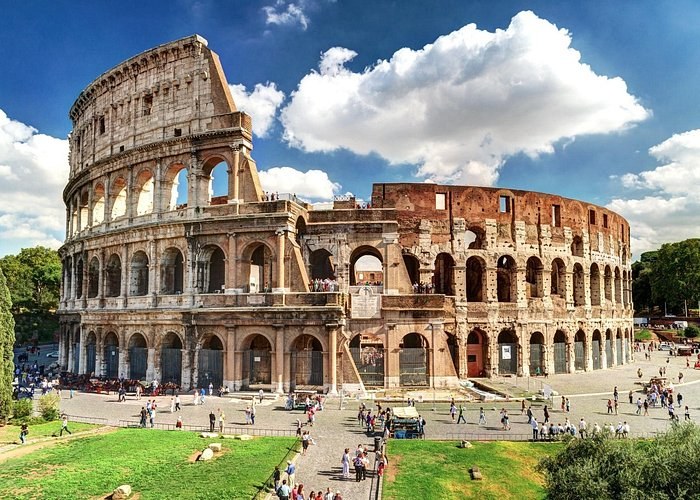
What you do This is the definitive Rome bucket-list day: Michelangelo's Sistine Chapel ceiling and Last Judgment, the Vatican Museums, St. Peter's Square, plus the Colosseum and Roman Forum — all in one 9-hour private run from the pier. Your driver collects you ship-side in a Mercedes and the 'privilege' skip-the-line tickets to both the Vatican and Colosseum mean you walk past the 2-hour queues that would otherwise eat your port day. Note this is a private-driver tour, not a guided one: you explore the interiors at your own pace (audio guides sold inside).
What to expect A private Mercedes collects you pier-side at Civitavecchia and you begin a 9-hour immersion in Rome's iconic landmarks, moving at your own pace rather than a group's rhythm. You skip past the 2-hour queues at the Vatican Museums to explore Michelangelo's Sistine Chapel ceiling and Last Judgment, then wander St. Peter's Square (basilica entry is free but has its own queue). After lunch flexibility, you drive to the Colosseum and Roman Forum, again with skip-the-line privilege tickets that let you move straight inside while standard visitors wait. Throughout, your private driver and personal vehicle—not a 50-person bus—keep you on your schedule, though you explore each site's interiors independently with optional audio guides available for purchase.
Good to know The full excursion runs 9 hours; plan to depart the pier by 8:00 AM at the latest to ensure a comfortable return before your ship's evening departure. Your private driver meets you ship-side at Civitavecchia—confirm the exact return-time guarantee and buffer window when booking, as this operator runs cruisers daily but you'll want that back-to-ship safety net in writing. Bring comfortable walking shoes, sunscreen, and cash or cards for lunch and optional audio guides inside the museums (not included in the EUR 187.50 price). Book skip-the-line tickets in advance as part of your package; they're your main time-saver advantage over the cruise line's group tours, which run $220–$320 per person for the same sites.
Versus the ship tour Direct wins decisively. The cruise lines' marquee 'Best of Rome / Ultimate Rome' Vatican+Colosseum day runs $220-$320 pp, and on premium lines higher — this private, skip-the-line equivalent is ~$205 pp with your own vehicle and no 50-person bus. You save roughly $50-$120 per person and skip the group-pace bottleneck. The one thing the ship guarantees that you're trading away: a step-on licensed guide inside the sites and a back-to-ship promise (this operator runs cruisers daily but confirm the return-time guarantee when booking).
book direct with Discovery Guided Tours → · the full guide →
What you do The reason cruise lines stop here at all: a private deluxe vehicle whisks you from the pier to the Trevi Fountain, Pantheon, Spanish Steps, Piazza Navona, St. Peter's Square and the Colosseum, dropping you as close as Rome's traffic limits allow at each. It's the maximize-a-tight-window play — a first-timer who sails past Rome without standing at the Trevi would genuinely regret it. Be clear-eyed: this is a driver, not a licensed guide, so it's exterior views, photo stops and walk-up landmarks, no museum interiors.
What to expect Your driver collects you pier-side at 8:00 AM in a private deluxe vehicle and begins threading Rome's narrow streets, stopping at the Trevi Fountain, Pantheon, Spanish Steps, Piazza Navona, St. Peter's Square, and Colosseum views—you step out, snap photos, walk up to the exteriors and iconic squares, then move on. This is drive-and-stroll geography, not museum interiors: you'll see Rome's greatest hits from street level and courtyard vistas, with your driver dropping you as close as traffic allows at each landmark. The rhythm is constant but unhurried—a masterclass in first-timer coverage, punctuated by photo moments and the low hum of rolling between sites. You're back at the pier by 5:00–5:30 PM, having touched eight of Rome's most recognizable monuments without boarding a 50-seat coach.
Good to know Pickup is pier-side at 8:00 AM sharp with return by 5:00–5:30 PM, giving you roughly 8 hours door-to-door; factor in Rome's traffic and the driver will optimize stops, so expect less than 30 minutes at each landmark unless you request longer. No entrance tickets, meals, or guide services are included—this is a driver-only arrangement, so museum and basilica interiors are on your own dime and time; bring cash and book ahead if you want to step inside St. Peter's or the Colosseum. All tolls, parking, and taxes are covered in the quoted price (EUR 650–750 per vehicle for up to 7 guests, ~EUR 107–163 per person), and the driver speaks English. Book directly with RomeCabs in advance; a solo traveler or couple may find the ship's motorcoach tour or Trenitalia train equally priced or cheaper per head, so confirm group size before committing.
Versus the ship tour Direct wins on access, ties or beats on price depending on group size. The ship's guided 'City in a Day / Panoramic Rome' coach tour is $110-$170 pp; split a EUR 650-750 car across 4-7 people and you land around $115-$175 pp with door-to-landmark drops a 50-seat bus can't do. For a solo or couple it's a wash on price — but you get a private car and your own timing. If you only want a cheap motorcoach drop-and-roam, the ship's 'Rome On Your Own' transfer ($60-100 pp) or the Trenitalia train (~$11 RT) is far cheaper than any private car — say so and don't overpay for a driver you don't need.
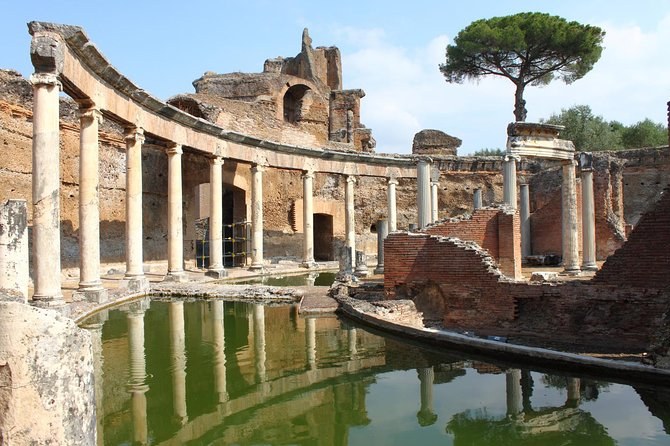
What you do For travelers who've already 'done' central Rome, this is the equally unforgettable alternative: Villa d'Este's 51 fountains, 64 waterfalls and 220 basins — all gravity-fed, not a single pump — paired with Emperor Hadrian's sprawling 2nd-century imperial estate. An expert private guide actually walks the gardens and ruins with you, and the crowds are a fraction of the Vatican's. A 9-hour day, pier to pier.
What to expect You'll spend the morning and early afternoon in two staggered acts: first, Villa d'Este's terraced Renaissance gardens, where your expert guide walks you through cascading fountains, 220 basins, and 64 waterfalls—all fed by gravity alone, no pumps needed—then a private car transfer inland to Emperor Hadrian's 2nd-century sprawl, where crumbling villas, temples, and theaters unfold across 30 acres of archaeological theatre. The rhythm is unhurried; you're with a licensed English-speaking expert, not herded through a coach crowd, so you'll actually absorb the history and architecture as you walk. By late afternoon, your driver returns you to the Civitavecchia pier, completing the 9-hour door-to-door arc.
Good to know Pickup from Civitavecchia pier is included; plan for a private car departure roughly 3–4 hours after ship arrival to allow for disembarkation and meet your guide. Both villas are outdoor, terraced sites with significant walking and uneven ground—wear comfortable shoes and bring sun protection and water. Book at least 48–72 hours ahead; the price (EUR 869 minimum, ~$475 per couple) drops per person as group size grows, and slots are limited to preserve the "expert guide + small party" promise. Confirm your ship's all-aboard time with the concierge and allow a 30–45-minute buffer before boarding to account for Civitavecchia pier return traffic.
Versus the ship tour Mixed verdict, lean ship for small parties. The cruise lines' 'Beauty of Tivoli / Villa d'Este' countryside tour runs $150-$260 pp and other independents (Discovery Guided Tours) sell a Tivoli day from ~$115 pp — so this premium private option is meaningfully pricier per head for a couple (~$475 pp). What you're buying is a genuine licensed guide actually leading you through both UNESCO sites and a private car, versus a coach. If budget is the driver, the ship tour or a cheaper shared independent is the honest call; book this only if private + expert-guided is the point.
book direct with Through Eternity Tours → · the full guide →
What you do Walk intact ancient streets, an amphitheater, taverns, bath-house mosaics and three-story Roman apartment blocks at the buried port city of Ostia Antica — the marquee 'lost Roman city' with a fraction of Rome's crowds. It's far closer to Civitavecchia than the actual Pompeii (which is impractical from this port), and this private full-day pairs it with the Etruscan necropolis at Cerveteri. Pier-side Mercedes pickup, full day, back in time for the ship.
What to expect You'll be picked up pier-side in a private deluxe Mercedes and driven to Ostia Antica, where you'll walk intact ancient streets lined with taverns, bath houses, and remarkably preserved three-story Roman apartment blocks, culminating at the amphitheater — a far less crowded alternative to Pompeii. The day then pivots to Cerveteri's Etruscan necropolis, where you explore burial sites and artifacts from Rome's pre-imperial neighbors. Throughout, you're moving at your own pace in private transport rather than herded with a group, though your driver handles logistics rather than narrating the ruins themselves. The rhythm is unhurried full-day immersion: ancient streets in the morning, a site transition at midday, and Etruscan tombs in the afternoon, returning to the pier in time to reboard.
Good to know Book ahead with Stefano Rome Tours and confirm pier pickup timing to ensure you clear the ship's all-aboard (driver will know the buffer). Entrance tickets to both Ostia Antica and Cerveteri are not included in the EUR 590 vehicle fee—budget ~EUR 18 per site and purchase at the gate or ahead online to save time. Bring a robust audio guide app (like the official Ostia Antica app) or printed site guide, since the driver is not a licensed in-site interpreter. With a full day in the field, wear comfortable walking shoes, sunscreen, and a hat; both sites are largely open-air and can be hot, especially in summer months.
Versus the ship tour Direct wins, with a caveat. Most ships barely offer Ostia Antica, and comparable 'scenic/ruins' ship days run $150-$260 pp — splitting EUR 590 across 4-7 people lands at ~$90-$160 pp plus ~EUR 18 site tickets. You get a near-empty Roman city and a private car well under the ship's countryside price. Trade-off: it's a driver, not a step-on guide inside the ruins, so bring a good audio guide or app if you want the narration the ship's guided tour would include.
What you do Skip the 1.5-hour each-way push to Rome and explore the port town nearly every cruiser blows past: Michelangelo's harbor fortress (Forte Michelangelo), one of Italy's largest open-air markets, fresh Tyrrhenian seafood and the seafront Pirgo promenade. A relaxed small-group walk with local tastings along the way — the low-stress, low-risk safety net when you want to be steps from the ship.
What to expect You'll join a small-group walk that begins steps from the pier and moves at a leisurely pace through Civitavecchia's historic center, anchored by visits to the Renaissance Forte Michelangelo and one of Italy's largest open-air markets alive with local vendors and produce. Along the way, you'll pause for fresh Tyrrhenian seafood tastings and other local bites, absorbing the rhythm of a working port town most cruisers skip. The walk concludes on the waterfront Pirgo promenade, where you'll have absorbed three hours of culture and flavor without the fatigue of a long coach transfer. It's the opposite of the Rome sprint—an immersive, low-pressure exploration of the places locals actually go.
Good to know The entire excursion unfolds within walking distance of your ship, so there's zero transfer time and minimal risk of running late; plan for the three-hour guided walk to fit comfortably in a 6–8 hour port window. Book ahead through DriverInRome to secure your spot in a small group, and wear comfortable walking shoes—you'll be on foot the whole time through cobblestone streets and market areas. Bring cash (EUR) for any additional purchases at the market or for tips, and check departure times with the operator to give yourself at least an hour buffer before all-aboard. The price of approximately EUR 75 per person (€82 USD) includes all tastings, so budget only for optional extras and gratuity.
Versus the ship tour No real ship equivalent, and that's the point. Cruise lines don't sell a Civitavecchia-town tour because they want you on the $60-320 Rome excursions — so this isn't a price-beat, it's a different (and far cheaper) day for travelers who don't want a 3-hour round-trip. At ~$82 pp with food included and zero risk of missing the ship, it's the honest pick for repeat Italy visitors, slow-pace travelers, or anyone who'd rather not gamble a tight Rome turnaround. If it's your first time in Italy, though, do Rome — this is the alternate, not the headline.
What you do Step into the 12th-century Palatine Chapel, where every inch of wall and ceiling is wrapped in shimmering Byzantine gold mosaics fused with Arab muqarnas woodwork and Norman stone — routinely called one of the most beautiful interiors on earth. It's a UNESCO site and a 10-minute walk or short cab from the cruise berth, so it fits any port day. Go early: the chapel closes for Sunday Mass (9:30-11:30) and the palace also holds the royal apartments and gardens.
What to expect You'll begin with a 10-minute walk or short cab ride from the cruise pier to the Norman Palace, emerging into its courtyards and gardens before stepping into the Palatine Chapel—a 12th-century sanctuary where Byzantine gold mosaics and Arab muqarnas woodwork shimmer across every wall and ceiling surface. After absorbing the chapel's ethereal light and intricate detail, you can linger in the Royal Apartments and explore the gardens and archaeological exhibitions at your own pace. The entire complex unfolds like a walk through crusader-era luxury: each room builds on the last, with the chapel as the crown jewel. Most visitors spend 2–3 hours here before heading back to the ship with time to spare.
Good to know Arrive early to beat crowds and avoid the Sunday Mass closure (9:30–11:30 a.m.); buy your €19 ticket (~$21) on-site or pre-book via Vivaticket to skip queues. Plan for a 2–3 hour visit within a 6–8 hour port window, leaving at least 90 minutes before all-aboard to account for the return cab or walk. The chapel and palace close on Mondays; Tue–Wed tickets are cheaper (€15.50) but exclude the Royal Apartments, so Thursday–Monday is recommended. Bring comfortable walking shoes, sunscreen, and a light layer—the chapel is cool and dark, but the gardens and palace courtyards are fully exposed.
Versus the ship tour Direct wins big. The ship doesn't sell the chapel as a standalone — it's bundled into a guided city walk at $49-$59 (Disney) up to ~$70-$90 on the mainstream lines. Walking in yourself on the official €19 ticket saves roughly $30-$70 per person. Only take the ship version if you specifically want a guide to narrate the mosaics; the entry itself needs no tour.
book direct with Fondazione Federico II (official site manager) → · the full guide →
What you do Twenty to thirty minutes uphill from the port, Monreale's cathedral holds the most complete cycle of Byzantine gold mosaics in Italy — 6,000+ square meters culminating in the colossal Christ Pantocrator that fills the apse. Pair it with the adjoining Arab-Norman cloister and its 228 carved twin columns, no two alike. This is the marquee half-day from Palermo and another UNESCO site; a guide genuinely helps decode the mosaic story panels.
What to expect You'll ascend twenty to thirty minutes uphill from the port into Monreale's cathedral, where your guide unfolds the narrative encoded in 6,000+ square meters of Byzantine gold mosaics—a visual bible culminating in the colossal Christ Pantocrator dominating the apse. After absorbing the cathedral's gilded cycles, you'll step into the adjoining Arab-Norman cloister, where 228 twin columns—no two carved alike—frame a serene courtyard and deepen the half-day's arc from spiritual grandeur to intimate craftsmanship. The rhythm is measured: roughly two hours total, with the guide decoding the mosaic story panels that make this UNESCO site genuinely coherent rather than overwhelming. A rooftop visit caps the cathedral portion, granting views that contextualize the vast interior you've just witnessed.
Good to know Book the €45 guided tour with round-trip bus transfer directly through Seecily Tourism Services (Info Point Palermo) to secure a dedicated Monreale guide and eliminate transfer logistics—critical for timing peace of mind within a 6–8 hour port window. The cloister entry (€8 additional) is separate and should be paid on-site; confirm whether it's included in your chosen operator's package before departure. Allocate roughly 2.5–3 hours port-to-port (30 min each direction via bus, 2 hrs on-site), leaving a comfortable one-hour buffer to clear security and rejoin your ship. Wear comfortable walking shoes for the uphill approach and bring sunscreen; the Byzantine mosaics are interior but the rooftop and cloister courtyard expose you to Mediterranean sun.
Versus the ship tour Direct wins. Disney's 'Old City and Monreale' is $59 adult and big-ship versions that add the catacombs or a panoramic loop run ~$90-$110. The €45 direct option (guide, entry, and bus) lands around $50 and saves $10-$60 per person while giving you a dedicated Monreale guide rather than a rushed combo stop. Note the ship handles the transfer logistics for you; if you're nervous about timing, that convenience is the ship's only real edge.
book direct with Seecily Tourism Services (Info Point Palermo) → · the full guide →
What you do Descend into corridors lined with roughly 8,000 mummified and skeletal Palermitans in period dress — monks, professionals, children — many still hauntingly intact, including the famously lifelike preserved toddler Rosalia Lombardo. There is nothing else like it on a Mediterranean itinerary, and it's about 10-15 minutes from the port. Photography is prohibited and it's not for the squeamish, but first-timers who go never forget it.
What to expect You descend into candlelit stone corridors lined with roughly 8,000 mummified and skeletal figures in period dress — monks, professionals, children — arranged in alcoves along the walls, many preserved with haunting lifelike detail, including the famously intact toddler Rosalia Lombardo. The catacomb unfolds as a walk through centuries of Palermitan death, quiet and meditative, with the physical and emotional weight building as you move deeper. Photography is prohibited, so the experience remains intimate and unmediated. This is singular on any Mediterranean itinerary — nothing else quite prepares you for the scale or the visceral presence of the dead.
Good to know The Capuchin friars sell tickets EXCLUSIVELY on-site (€5 full, €3 reduced) at their official office — do not book through third-party sellers or online aggregators, which the friars explicitly warn against; tickets are first-come basis. From the Palermo port, arrange a taxi directly (~€10–12 each way, 10–15 minutes) or book one in advance if you prefer certainty. Budget 2–3 hours total (taxi + catacombs + return cab), leaving you ample margin in a 6–8 hour port day; aim to be back at the pier 45 minutes before all-ashore. Wear comfortable shoes, bring small cash for the taxi and admission, and be prepared: this excursion is not for the squeamish, and the experience is unforgettable precisely because it is unfiltered.
Versus the ship tour Direct wins enormously on price but loses on transport. Disney's catacomb-focused 'Mysterious Palermo' is $59 adult; the €5 walk-in saves ~$54 per person. The catch: you must get there yourself (short taxi, ~€10-12 each way) since there's no legitimate way to pre-book. If you don't want to arrange a cab or you want the history narrated, the ship tour earns its premium here — otherwise pay the friars €5 directly.
book direct with Catacombe dei Frati Cappuccini (official Capuchin friars) → · the full guide →
What you do Eat your way through Palermo's raucous Arab-style markets — arancine, panelle, sfincione, crocchè, fresh cannoli — at family-run stalls and old inns you'd never find or order from alone. Palermo ranks among Europe's top street-food cities, and a local guide handling the chaos, the dialect, and the best stalls is the whole point. Small groups, roughly 3 hours, ending you back near the old town and a short walk from the pier.
What to expect You'll plunge into the sensory chaos of three legendary Arab-style markets—Capo, Ballarò, and Vucciria—where a local guide steers you through narrow, raucous stalls bursting with vendors and dialect. Your guide navigates the overwhelming choices and haggling tradition, pulling you into family-run eateries and unmarked inns to taste arancine, panelle, sfincione, crocchè, and fresh cannoli exactly as locals eat them. The walk flows as a tasting journey across roughly 3 hours, with the rhythm built around stopping at the best stalls your guide knows, tasting multiple dishes in rapid, joyful succession. You'll finish back near the old town, steps from a short walk to the pier.
Good to know The morning tour runs 3 hours; budget 5–5.5 hours total with return walk and pier buffer, leaving you 0.5–1.5 hours cushion in a typical 6–8 hour port day. Small groups are capped, so book ahead through the operator Streaty (direct booking beats ship packages and guarantees the dedicated food-specialist experience). The tour starts and ends near the old town within easy walking distance of the cruise pier; confirm exact meeting point when you book. Wear comfortable walking shoes and bring an appetite—multiple tastings are included, but no need to eat beforehand.
Versus the ship tour Roughly a wash to slight ship-disadvantage. Disney bundles market food into a $49 city walk; dedicated big-ship street-food/wine walks run ~$80-$110. Streaty's €59 direct tour beats those by $15-$45 and is a true food-focused small group, not a city tour with a snack. Honest note: bare-bones independent food walks start as low as ~€30-€35 — Streaty costs more because it's a capped, well-run specialist, so it's the quality pick rather than the cheapest.
book direct with Streaty (Italian street-food tour specialist) → · the full guide →
What you do Cefalù is the postcard of northern Sicily: a honey-stone medieval fishing town with a UNESCO Arab-Norman cathedral and its own glowing Christ Pantocrator mosaic, a golden crescent beach, and the towering La Rocca crag that backdropped 'Cinema Paradiso.' About an hour from Palermo, it's the most rewarding longer trip and pairs naturally with a Monreale stop. A private driver-guide does dockside pickup with a name sign and times the day around your ship.
What to expect Your private driver meets you dockside with a name sign and carries you north along the Sicilian coast toward Cefalù, arriving at this honey-stone medieval fishing village where you'll wander beneath the towering La Rocca crag—the dramatic backdrop from *Cinema Paradiso*—before exploring the UNESCO Arab-Norman cathedral and its luminous Christ Pantocrator mosaic. You'll have time to walk the golden crescent beach and absorb the postcard-perfect harbor, then continue to Monreale (pairing naturally with Cefalù on the same day) before your driver times the return journey to guarantee you're back at the ship on schedule. The rhythm alternates between guided discovery and unhurried wandering, with your English-speaking driver handling all logistics and navigation.
Good to know This is an 8-hour private vehicle tour (roughly one hour each way from Palermo), so confirm the written back-to-ship-on-time guarantee in advance—this operator provides it, which is mandatory for longer excursions. Plan for entry fees to the cathedral and any sites beyond the driver's scope to come separately; pricing starts at ~$82 per person but is per-vehicle (4+ travelers often undercut the ship's per-head rate). Bring sun protection, comfortable walking shoes for medieval streets and beach access, and bring cash or confirm card acceptance for tips and incidental purchases. As a solo traveler or couple, weigh the ship's group option (~$69 for 5 hours) as a safer, cheaper alternative; the private driver's flexibility is the trade-off.
Versus the ship tour Direction depends on group size. Disney's 'Village of Cefalù' is $69 (5 hrs) and Cefalù+Monreale combos run ~$92-$115. The private day starts near $82/pp but is per-vehicle pricing, so for 4+ travelers it undercuts the ship's per-head rate substantially while adding flexibility. MANDATORY for a private operator on an 8-hr/hour-each-way trip: confirm the written back-to-ship-on-time guarantee (this one provides it). Solo or as a couple, the ship's group bus is the safer, cheaper call. DIY note: the Palermo-Cefalù train is ~€6 each way if you'd rather go fully independent.
book direct with DriverInRome Tours and Transportation → · the full guide →
What you do If you'd rather swim than sightsee, Mondello has the prettiest white sand and clear, shallow turquoise water near Palermo, framed by Art Nouveau villas and the Monte Pellegrino headland about 20-30 minutes from the city. Rent two sunbeds and an umbrella at a seafront lido and spend the day, or use the free public stretch. It's the classic low-effort, low-risk Palermitan beach escape and an easy bail-out from museum-heavy itineraries.
What to expect You'll arrive at Mondello's white-sand crescent, hemmed by Belle Époque villas and the Monte Pellegrino headland, and claim a sunbed and umbrella at one of the seafront lidos or stake a spot on the free public stretch. The morning rhythm is leisurely—swim in the shallow turquoise water, doze under the umbrella, perhaps grab a casual lunch at a beachside bar—with the only real decision being whether to upgrade your sunbed comfort or embrace the sand. By mid-afternoon the lido energy peaks with families and locals, then mellows as you pack up for the bus ride back to port. It's the antidote to museum fatigue: low-friction, low-stakes beach time that feels authentically Palermitan rather than touristy.
Good to know Book sunbeds directly at Lido Valdesi (or any seafront stabilimento) upon arrival for ~€28–35 per set; after 2 p.m. rates drop to ~€10, ideal if your ship allows a flexible schedule. City bus #806 runs from central Palermo to Mondello in 20–30 minutes (~€1.40); confirm the route from the pier or grab a taxi if timing is tight (cost ~€15–25). Plan a 5.5–6 hour window on-shore to comfortably swim, rest, and return without cutting it close; factor in 20–30 minutes each way for transport. Bring sunscreen, a reusable water bottle, and euros or card for lido fees and food—the beach bars accept both—and always confirm the ship's all-aboard time before leaving the pier.
Versus the ship tour Direct wins on price and flexibility. Disney's 'Mondello Beach' is $79 adult (4.5 hrs) and other lines run $79-$149; a city bus to Mondello is ~€1.40 and a lido sunbed set is under $40, so a couple can spend the day for well under one ship ticket. The ship's only advantage is the door-to-sand transfer and a guaranteed ride back — worth it if you don't want to navigate buses or taxis. For most, go independent.
What you do Climb into a small 9-seat speedboat and skim the emerald cliffs of Paleokastritsa, Corfu's most celebrated coastline, nosing into the glowing Blue Caves and sea grottoes before swim stops at Paradise and Yali beaches. Cliffs, a 13th-century clifftop monastery overhead, and water so clear it looks lit from below — this is the island's single most photogenic stretch of sea. Two hours on the water; pair with a port taxi to fit a 6-8 hr window.
What to expect You'll board a sleek 9-seat speedboat and glide along Paleokastritsa's emerald cliffs for roughly two hours, with the 13th-century clifftop monastery framing the skyline overhead. The boat noses directly into the glowing Blue Caves and hidden sea grottoes—the water so clear it appears to glow from within—before the skipper drops anchor at Paradise and Yali beaches for swim stops where you can slip straight into the crystalline water. Between the cave passages and beach swims, you'll have plenty of time to photograph Corfu's most celebrated and photogenic coastline. The experience feels intimate and unhurried in a small boat rather than crowded into a wooden tour barge.
Good to know Book a departure time (10:00, 12:30, 15:00, or sunset) that allows 2 hours on the water plus a port taxi transfer each way—doable within a 6–8 hour window if you arrange transport immediately upon disembarking. The operator charges only €50 (~$54) per adult versus $104–166 on the cruise line's Paleokastritsa trip, but you must budget separately for a taxi from the pier to the speedboat dock. Bring swimwear, sunscreen, and a waterproof camera or phone case; the onboard shower and WC are basic but available if needed. Confirm your departure time and meet the operator on time, as this is a small private-feel boat with no backup tour slots.
Versus the ship tour Direct wins big. The cruise line's Paleokastritsa caves boat trip runs $104-166; Vive Corfu's private-feel speedboat into the same caves is ~$54 — roughly $50-110 less per person, in a 9-seat boat instead of a packed wooden tour barge. Honest caveat: if you only want the cave glimpse and not the swim, a walk-up wooden cave boat at Paleokastritsa beach is ~15 EUR ($16) — cheapest of all, but you'd need your own transport to the beach and there's no guaranteed seat.
What you do Walk the largest living medieval town in Greece: a UNESCO-listed warren of Venetian 'kantounia' lanes opening onto the French-built Liston arcade and the Spianada, the biggest square in the Balkans. Duck into the gold-and-silver St. Spyridon church holding the island's patron saint, then climb the Venetian Old Fortress on its sea-promontory for the postcard panorama back over the red roofs. The port is ~2 miles out; the #15 bus or a short taxi drops you in the heart of it.
What to expect You'll walk into a time-locked Venetian maze: narrow 'kantounia' lanes suddenly open onto the grand French-built Liston arcade and the Spianada—the Balkans' largest square. Step inside the glittering St. Spyridon church to see the relics of the island's patron saint gleaming in gold and silver. Climb the stone ramparts of the Venetian Old Fortress perched on its sea-promontory for postcard views back over the terracotta roofs and harbour. It's intimate, flat, and walkable in 2–3 hours, with no queues or crowds.
Good to know The port sits ~2 miles from the Old Town; catch the #15 bus or a 10-minute taxi to drop you in the heart of it. Most visitors skip guides entirely and self-navigate the compact, well-signposted lanes for free; if you want local history, Corfu Walking Tours offers a 2-hour cultural walk for ~EUR 35–50 (about half the ship's tour desk price). Old Fortress entry is EUR 6–10, paid at the gate. Budget 3–4 hours total to enjoy the town and fortress; allow 45 minutes to taxi back and clear the pier before all-aboard.
Versus the ship tour The honest answer: skip the tour desk entirely. The ship sells a Corfu Old Town walking tour for $79-99; the Old Town is compact, signposted and a flat 10-minute taxi from the pier, so most first-timers do it free and self-guided. If you want a licensed local guide for the history, Corfu Walking Tours is ~$40-55 — still about half the ship's price and not a bus-herd of 40.
What you do Stand at the tip of the Kanoni peninsula for the single most-photographed scene on Corfu: the tiny whitewashed 17th-century Vlacherna Monastery on its own islet at the end of a slim stone causeway, with cypress-covered Mouse Island (Pontikonisi) and its 13th-century chapel floating just beyond. Walk the causeway to the monastery for free, and a little shuttle boat ferries across to Mouse Island in about five minutes. It's only ~20 minutes from the port — an easy, low-risk independent stop.
What to expect You'll arrive at Kanoni's viewpoint and find yourself face-to-face with Corfu's most iconic postcard scene: the whitewashed 17th-century Vlacherna Monastery perched on its own islet, connected by a narrow stone causeway you can walk across for free. From there, a short shuttle boat ferries you out across calm blue water to Mouse Island in about five minutes, where a 13th-century chapel sits among cypress trees—a journey that feels suspended between sky and sea. The rhythm is unhurried: wander the monastery, take your photos, ferry out and back, then either taxi straight back to port or extend the morning into Old Town or an olive-grove tasting with a private guide. It's a low-intensity, high-reward stop that reads in photographs as though you've traveled far deeper into Greece than you actually have.
Good to know From the port, a taxi to Kanoni costs EUR 10–15 each way and takes roughly 20 minutes—budget 45 minutes to an hour round-trip for transport alone. The causeway walk and monastery are free; Mouse Island shuttle runs a few euros. If booking a private half-day through The Corfu Experience (€80–130 pp), include Old Town and oil tasting, and request pickup directly from your ship—this compresses your logistics and undercuts the ship's longer panoramic coach tour. Plan to depart port 2–2.5 hours into your port day and return by the 4–5 hour mark, leaving a safe 90-minute buffer before all-aboard.
Versus the ship tour Both directions matter. As a standalone view, do it yourself by taxi for the price of the fare — the ship folds Kanoni into a $79-139 panoramic bus tour where you get a brief photo stop. But if you want a guided half-day that also covers Old Town and a tasting with port pickup, The Corfu Experience's private tour (~$80-130) undercuts the ship's panoramic coach and you're in a private car, not a 40-seat bus.
What you do Sail south from Corfu to its sister islands: into the dramatic Ipapanti and Ahai sea caves of Paxos, a long swim stop off Antipaxos in some of the most luminous turquoise water in Greece, and free time in the pretty harbor village of Gaios. The boat leaves straight from the main Port of Corfu, so cruise passengers can walk on independently. This is the definitive Ionian-blue bucket-list day — but it's a full 9 hours, only viable on a long port call.
What to expect Depart Corfu Main Port at 08:20 and sail south to Paxos, entering the cathedral-like Ipapanti and Ahai sea caves—dramatic rock formations rising straight from the Ionian. You'll swim in luminous turquoise water off Antipaxos, one of the clearest bathing stops in Greece, with time to float and drift in the mineral-bright shallows. The rhythm then shifts to the pretty harbor village of Gaios for free time to explore tavernas, cafés, and waterfront shops. Return to port by 18:00, nine hours of island-hopping with an onboard multilingual guide and two cave-entry fees included.
Good to know This is a 9-hour commitment (08:20–18:00), so only book if your ship's all-aboard time is safely after 18:30; confirm the return time the morning of departure since it's an independent day cruise with no ship-side buffer. Walk straight from Corfu Main Port to the Ionian Cruises vessel—no coach transfer needed, though one is available for EUR 8 extra. Bring swimwear, sunscreen, a towel, and water; the boat provides the guide and cave access, but you'll want cash or cards for lunch and drinks in Gaios. Since this is a local operator, double-check your ship's phone number the night before so you can call if the boat runs late—you are entirely responsible for getting back in time.
Versus the ship tour Direct and cheap, with a clock warning. No cruise line sells this exact southern-islands day at a comparable price — Ionian Cruises departs the port itself at ~$49, and it's the biggest, longest-running local fleet. The catch: 08:20-18:00 is a 9-hour commitment. ONLY book this if your ship's all-aboard is comfortably after 18:30, and confirm the return time the day-of; a day cruise is independent, so there's no ship to hold the gangway for you.
What you do Thread the UNESCO Old Town's open market and family-run shops on a small-group tasting walk built around the flavors that make Corfu distinct from mainland Greece — above all the kumquat, the little citrus turned into liqueur and sweets you'll find nowhere else in Greece quite like this. Along the way: spinach-and-cheese pies, olive oil and honey, traditional butter pudding, halva and a Corfiot meze with ouzo, each stop chosen for its community story. It doubles as a cultural walk, so you get the Old Town and the island's taste in one outing.
What to expect You'll thread the UNESCO-listed Old Town's narrow streets and open market with your English-speaking local guide and up to 7 other guests, stopping at family-run shops to taste kumquat liqueur and sweets—the island's signature flavor you won't find elsewhere in Greece. At each stop you'll discover the community story: spinach-and-cheese pies, single-estate olive oils, local honey, traditional butter pudding, halva, and a Corfiot meze paired with ouzo. The rhythm alternates between walking and lingering—sensory pauses in intimate, heritage-listed shops rather than a rushed circuit. Over 2.5 hours, the Old Town's layered history and Corfu's distinct culinary identity unfold side by side.
Good to know Corfu Walking Tours operates this excursion daily; book ahead to secure a spot in the small semi-private group, as the 2.5-hour window fills quickly. The walk departs from the Old Town (a short walk or taxi ride from the cruise pier); plan to be back at the ship 30–45 minutes before departure to account for any delays. Wear comfortable walking shoes suitable for uneven Old Town cobblestones and narrow lanes, and bring a small bag if you plan to purchase kumquat liqueur or local products at the shops. The EUR 90 price includes all listed tastings; no additional spending is required during the tour itself.
Versus the ship tour The rare case where the gap is small. Old Town food-tasting walks run high on both sides — the ship's tasting/food tour is $87-139, and quality independent food walks land ~$97-125. So you're saving modestly (and getting a max-8 group instead of a larger ship party) rather than slashing the price. If saving money is the priority, do a free self-guided Old Town walk and buy kumquat liqueur at a market shop yourself; book this only if you specifically want a guided tasting.
What you do Corfu's most famous palace is the 1890 neoclassical summer villa of Empress Elisabeth ('Sissi') of Austria, set on a hill ~10 km south of the Old Town with the celebrated 'Dying Achilles' statue and gardens sweeping out over the Ionian. It's the classic first-timer marquee — but see the big caveat before you commit a half-day. Reachable by taxi or local bus as a short add-on rather than a destination in itself right now.
What to expect You'll take a taxi or hop the green local bus south from the Old Town, arriving at the hilltop palace within 15–20 minutes to explore the celebrated Imperial Gardens and the iconic 'Dying Achilles' statue overlooking the Ionian Sea. The palace itself—a neoclassical 1890 Austro-Hungarian retreat of Empress Sissi—remains closed for restoration with no confirmed reopening, so you're walking the grounds and exterior with sweeping views rather than touring interiors. Most visitors spend 45 minutes to an hour here before heading back to town, making this a quick, scenic add-on rather than a full half-day commitment. It's the marquee Corfu landmark, but best treated as a low-risk supplement to exploring the Old Town itself.
Good to know Gardens entry costs around EUR 8 per adult (roughly $9) at the gate; hours are daily 08:00–16:00. Taxi from the port runs EUR 25–35 round trip, or take the local green bus from the Old Town for less. Verify the palace interior is actually open before booking any ship excursion claiming "Achilleion Palace" tours (the flagship ship tours at $99–159 sell the same gardens-only experience)—independent operators run identical Old Town + gardens combos for EUR 46–75, making a DIY approach far cheaper. Build in at least 2–2.5 hours total (transit, entry, walk-around, return) to stay comfortably ahead of all-aboard.
Versus the ship tour Use this as the low-risk alternate, not the headliner. IMPORTANT 2026 CAVEAT: the palace interior has been closed for restoration since 2021 with no confirmed reopening date — currently only the Imperial Gardens, exterior and statues are open. The ship's flagship 'Achilleion & Corfu Town' tour ($99-159) is the single most-sold Corfu excursion, but it's selling you a palace whose inside you can't enter; independent operators run the same gardens-plus-Old-Town combo for ~$46-75. Verify the interior is actually open before paying anyone for it — otherwise treat it as a quick EUR 8 gardens stop, not a half-day.
book direct with Achilleion Palace (state museum) → · the full guide →
What you do Walk the sacred ground where the ancient Games were born, guided by a vetted local expert at your own pace. Stand in the original stadium, explore the Temple of Zeus, and unlock stories no audio guide can tell.
What to expect Your licensed local guide meets you at the port or the site entrance and leads you through the Archaeological Site and Museum of Ancient Olympia with skip-the-line access. You'll stand inside the original 5th-century BC stadium, explore the colossal Temple of Zeus, and view the peerless statue of Hermes of Praxiteles in the museum. The tour moves entirely at your pace — linger where you wish, ask every question that comes to mind, and enjoy a deeply personal connection with one of the ancient world's most sacred places.
Good to know Ancient Olympia is a 35–45 min drive from Katakolon port. Book well in advance for summer sailings as top guides fill quickly. Typical all-aboard times allow for 4–5 hours at the site comfortably; confirm your ship's schedule with your guide when booking. Entrance tickets (EUR 20 pp, combined site & museum) are paid separately on arrival.
Versus the ship tour Fully bespoke itinerary shaped entirely around your interests — no fixed script, no crowded coach, no rush. Your private guide adjusts the depth, pace, and focus to you, turning a sightseeing stop into a genuine scholarly encounter with antiquity.
book direct with ToursByLocals – Private Olympia Guides → · the full guide →
What you do A premium semi-private tour (maximum 25 guests) of Ancient Olympia with skip-the-line tickets included and an official licensed guide — the gold standard for those who want expert depth without going fully private.
What to expect Round-trip transfers from Katakolon port are included, making this seamlessly simple from the moment you step ashore. Your official licensed guide escorts you through the Archaeological Site — the Altis sanctuary, the ruins of the Temple of Hera, the Philippeion, and the ancient stadium — before moving into the outstanding Archaeological Museum to see the Hermes of Praxiteles and the breathtaking Zeus pediment sculptures. The intimate group size means genuine two-way dialogue with your guide throughout. A polished, comprehensive, fuss-free Olympia experience.
Good to know Skip-the-line tickets are pre-included — simply show up. Round-trip transfers from port are bundled in the price. Pre-book online as departures on busy port days sell out. Tour duration is approximately 5 hours, well within standard all-aboard windows.
Versus the ship tour Groups capped at just 25 people ensure an intimate, conversational experience with your guide — far removed from the mass-tour atmosphere. All-inclusive pricing with skip-the-line tickets means zero queuing and zero logistical faff on port day.
What you do Journey into the heart of the Peloponnese olive groves for an immersive agrotourism experience — tasting estate olive oil, local honey, and regional wine amid the ancient landscape that has nourished Greece for millennia.
What to expect After departing Katakolon, your small group is taken to a traditional Peloponnese estate where you'll tour the olive groves and production facilities, learning the art of cold-press extra-virgin olive oil from producers whose families have worked this land for generations. A guided tasting of olive oils, local thyme honey, and regional wines follows — paired with artisan breads and regional produce. The tour combines Ancient Olympia highlights with this authentic agrotourism dimension, giving the day both cultural and gastronomic richness. Approximately 5.5 hours total.
Good to know Departs from Katakolon port; max 19 persons so early booking is essential. Wear comfortable walking shoes for both the estate and the archaeological site. Check the tour's current departure schedule against your ship's all-aboard time when booking.
Versus the ship tour Capped at just 19 participants, this intimate small-group experience takes you off the tourist trail and onto a working estate — a rare sensory encounter with Peloponnesian food culture that most visitors entirely miss.
What you do Explore over 300 fully working reconstructions of ancient Greek machines — from Archimedes' screw to the Antikythera mechanism — in Katakolon's extraordinary, walkable museum. A jaw-dropping intellectual adventure steps from the port.
What to expect Step inside the Museum of Ancient Greek Technology and encounter a world where ancient ingenuity comes to life: functioning reconstructions of automata, musical instruments, astronomical devices, war machines, and domestic tools — all built to the exact ancient specifications documented by Hero of Alexandria, Archimedes, and Ktesibios. Rated 4.7 on TripAdvisor with over 240 reviews, it consistently surprises even seasoned travellers. The adjacent Museum of Ancient Greek Musical Instruments (also rated 4.5) is a perfect companion visit. Both museums together take around 1.5–2 hours and are an effortless, deeply rewarding port-day experience.
Good to know Located right in Katakolon village — a 5-minute walk from the cruise pier, no transfer needed. Open daily during cruise season. A private guided session can be arranged for small groups by contacting the museum directly. Ideal pairing: visit the museum in the morning, then take the scenic TRAINOSE heritage railway to Olympia (departures from Katakolon station).
Versus the ship tour This world-class museum is literally a 5-minute walk from the dock and requires no transfer — yet it contains one of the most intellectually dazzling collections in Greece. Its interactive, working reconstructions make it unlike any other museum experience in the Mediterranean.
book direct with Museum of Ancient Greek Technology (Kostas Kotsanas Museum) → · the full guide →
What you do Board the historic narrow-gauge railway directly from Katakolon port and ride through the olive-grove-carpeted Peloponnese countryside to Ancient Olympia — a scenic, romantic, and utterly unhurried way to reach one of the ancient world's great sites.
What to expect The narrow-gauge Katakolon–Pyrgos–Olympia railway is a living piece of Greek railway heritage, winding through the fertile western Peloponnese with views of olive groves, citrus orchards, and traditional villages. The journey to Olympia takes approximately 45–55 minutes and deposits you close to the archaeological site. Spend several hours exploring the ruins and museum at your own pace before boarding the return service. The leisurely rhythm of train travel gives the day an unhurried, exploratory feel that sets it apart entirely from a coach excursion.
Good to know The station is a short walk from the Katakolon cruise pier. Check the current seasonal timetable carefully — services are limited and coordinating return trains with your ship's all-aboard time is essential. Confirm schedules at the station or via Hellenic Train's website before sailing. Combine with a private licensed guide at the site for maximum depth.
Versus the ship tour Arriving at Olympia by the heritage railway — through rolling groves and quiet villages — is a poetic contrast to arriving by coach. It's one of the most atmospheric and distinctive ways to experience the Peloponnese landscape, beloved by independent travellers in the know.
book direct with Hellenic Train (TRAINOSE) – Katakolon–Pyrgos–Olympia Line → · the full guide →
What you do A rich 5.5-hour guided immersion combining Ancient Olympia's archaeological highlights with a curated tasting of the region's finest honey, wine, and olive oil — direct from the producers in the Peloponnese heartland.
What to expect The tour opens with a guided visit to the Archaeological Site and Museum of Ancient Olympia, covering the sacred Altis precinct, the iconic stadium, and the museum's masterworks. The experience then transitions to a local estate for guided tastings of the region's celebrated products: cold-pressed extra-virgin olive oil from century-old trees, raw thyme and wildflower honeys, and estate-bottled Peloponnese wines. Knowledgeable local guides contextualise each product within the history and geography of the region, making the tasting as educational as it is pleasurable. Duration approximately 5.5 hours.
Good to know At USD 80 all-inclusive this is excellent value for a full-day guided experience with tastings. Book in advance via Expedia's activities portal to secure your place. Comfortable flat shoes recommended for the archaeological site. Duration of 5.5 hours fits comfortably within most Katakolon all-aboard windows — always verify against your specific ship schedule.
Versus the ship tour This all-inclusive format removes every logistical headache — transfers, tastings, and guidance in a single price. The agrotourism element takes guests into a side of the Peloponnese that pure archaeological tours never reach: the living landscape of Greek food production.
book direct with Expedia Local Experiences – Olympia Agrotourism Tour → · the full guide →
What you do Walk the stone streets of a complete Roman city flash-frozen by Vesuvius in 79 AD: the forum, frescoed villas, the brothel, and the haunting plaster casts of the dead. This is the single reason this port exists, and a licensed archaeologist is what turns acres of rubble into a vivid murder-mystery of the ancient world. Pompeii is ~30-40 min from the terminal by direct Circumvesuviana train or transfer, so it fits a 6-8 hr window with margin; the 2-hr guided slot leaves time for the train both ways.
What to expect You'll walk the stone streets of Pompeii as they were in 79 AD—through the forum, past frescoed villas, the brothel, and the haunting plaster casts of bodies caught mid-life when Vesuvius erupted. Your licensed archaeologist guide transforms acres of rubble into a vivid forensic narrative, making the ancient world click into place over two focused hours. The group stays small (max 20 people), and if you're 10 or more, everyone gets a headset so even the back rows catch every detail. You'll move at the pace of someone who understands what you're seeing, not rushing—the difference between walking through a ruin and reading a murder mystery written in stone.
Good to know Book directly on Askos's FareHarbor site and meet at Porta Marina Superiore; the Pompeii Express skip-the-line ticket is included in the €49.50 price, saving you entry fees. Allow 30–40 minutes by direct Circumvesuviana train each way from the terminal (~€3 return), plus the 2-hour guided tour, leaving comfortable margin in a 6–8 hour port window. Your only logistical job is booking the train or arranging a private transfer yourself—the ship's Pompeii tours cost $100–160 pp for the same archaeologist experience, making direct booking roughly half the price and worth the self-transfer effort. Build in at least a 30-minute buffer before all-aboard; trains are frequent and reliable, but the walk back to the pier matters.
Versus the ship tour Direct wins big. The cruise line's guided Pompeii tour runs $100-160 pp; Askos delivers the same licensed-archaeologist, skip-the-line experience for ~$54 all-in -- roughly half. Even the ship's no-guide 'Pompeii on your own' transfer is $60-80 and still makes you pay the ~EUR 18 entry separately. Only catch: you arrange your own train/transfer (~EUR 3 each way), which is the trade for saving $50-100 per person.
What you do Climb the only active volcano on mainland Europe and look straight down into the steaming crater, with the whole Bay of Naples spread out behind you. Pair it with Pompeii and you see the killer and its victim in a single day -- the definitive Naples story. The walk from the bus drop-off to the crater rim is a moderate 20-40 min on a well-graded gravel path; entry is a fixed timed slot that genuinely sells out.
What to expect You'll shuttle from Ercolano or Pompeii up the volcanic slope to the Parco Nazionale del Vesuvio trailhead, then walk a moderate 20–40 minutes on a well-graded gravel path toward the crater rim. As you climb, the Bay of Naples spreads out behind you; when you reach the rim at your assigned timed slot, you'll stand on the edge and gaze straight down into the steaming crater of mainland Europe's only active volcano. The view backward anchors the entire Naples story—the killer and its victim in one frame, Vesuvius and the cities it buried now visible in a single glance.
Good to know Pre-booking on the official Vivaticket system is COMPULSORY—slots cap at 60 people per 10 minutes and routinely sell out; do not rely on gate sales. The EUR 10 official Gran Cono crater-trail ticket plus booking fee (~EUR 11.68 total) is far cheaper than ship bundled excursions at $150+, but add ~EUR 22 for the shuttle from Ercolano/Pompeii station. Plan arrival at your assigned timed slot with at least 2–3 hours buffer before all-aboard; shuttle transit and the 20–40 minute walk must fit within a realistic 6–8 hour port window. Wear sturdy shoes suitable for gravel paths and bring water and sun protection—the crater rim is fully exposed.
Versus the ship tour No real ship equivalent sells Vesuvius alone -- it's bundled into $150+ combo drives. Buying the EUR 10 official timed ticket direct and adding a ~EUR 22 shuttle is the cheapest serious bucket-list item at this port. Critical: book on the National Park's official Vivaticket system in advance, NOT at the gate -- slots cap at 60 people per 10 minutes and routinely sell out.
book direct with Parco Nazionale del Vesuvio (official ticket via Vivaticket) → · the full guide →
What you do Circle the Bay's glamour island by boat -- past the towering Faraglioni rock stacks, with swim stops in impossibly blue water -- then slip into the Blue Grotto, a sea cave where light refracts through an underwater opening to glow electric blue. It's a genuine once-in-a-lifetime sight, plus free time in Capri town. Honest caveat: the Grotto is the most weather-dependent thing on this list and can close on rough seas; tours run from Sorrento (hydrofoil from Naples), so this is a fuller-day commitment with a tighter return.
What to expect You'll board a small boat from Sorrento (accessible by hydrofoil from Naples) and cruise the Bay of Naples past the dramatic Faraglioni rock stacks rising from impossibly blue water, with planned swim stops to snorkel in those electric-colored seas. The journey culminates in a slip into the Blue Grotto, a sea cave where refracted light transforms the water into an otherworldly glow—a sight rarely forgotten. After the grotto, you'll have free time to explore the charming piazzas and boutiques of Capri town before returning. The rhythm is unhurried but full: roughly 7–8 hours door-to-door, with the boat's English-speaking skipper setting the pace and prosecco or soft drinks on hand.
Good to know Depart early enough to catch the hydrofoil from Naples to Sorrento (book this leg yourself or confirm timing with MBS directly), as the excursion is a full-day commitment with a tight return window to your ship. Budget EUR 18 for Blue Grotto entry and EUR 15 for an assistance fee—both paid on-site upon arrival, not upfront. Book directly through mbsblucharter.com rather than third-party portals: you'll save roughly EUR 50 per person compared to capri.com or cruise-line intermediaries. Essential caveat: the Blue Grotto closes on rough seas, so confirm weather and grotto access 24 hours before departure; bring a light layer, reef-safe sunscreen, and a waterproof phone pouch for snorkel stops.
Versus the ship tour Direct wins, and booking the operator's own page beats the middleman too. The cruise line's Capri boat excursion is $160-260 pp; MBS direct is ~$108 + ~$36 in on-site fees. Worth noting: the SAME MBS tour is listed at EUR 151 on the capri.com booking portal -- going to mbsblucharter.com directly saves ~EUR 50 per person over the portal price.
What you do Ride one of the world's most spectacular roads: cliffside hairpins above the Tyrrhenian Sea, the pastel cascade of Positano, the cathedral square of Amalfi, the gardens of Ravello. A licensed local driver who specializes in cruisers is the right way to do this independently -- they guarantee you back to the ship on time, which the public SITA bus cannot. Best for travelers who prize scenery and photo stops over deep on-foot exploration, since road time is significant.
What to expect Your private driver collects you from the Naples pier in a comfortable vehicle and navigates the Amalfi Coast's famous cliffside hairpins—a white-knuckle ribbon of road hugging the Tyrrhenian Sea—stopping as you choose in pastel-tiered Positano for photos, the cathedral square of Amalfi for wandering, and the terraced gardens of Ravello for views that justify every hairpin turn. Road time is substantial, so the rhythm favors scenic pauses and photo stops over lengthy on-foot exploration; you're trading deep walking for the thrill of one of the world's most visually spectacular drives, with a licensed local specialist handling every curve. The day unfolds at your pace: pick villages, pick lunch spots, linger where the light is best—then your driver guarantees you back at the ship on time, a promise the public SITA buses cannot make.
Good to know Book directly with AmalfiDriver.com (Josef, +39 338 545 3310 or booking@amalfidriver.com) well ahead of your Naples port day; a full-day (8-hour) private vehicle runs approximately €600–750 (~$90–130 per person for a family or small group), split among your party. Expect pickup within 30–45 minutes of your pier arrival; budget your return to the ship with a 90-minute buffer before departure to account for Naples traffic. Bring sun protection, comfortable walking shoes for the village stops (though less critical than on a hiking excursion), and cash or cards for lunch and café stops—the operator handles only the car and driving. Explicitly confirm the on-time-return guarantee when you book; this cruise-specialist operator's promise to land you back on schedule is the competitive edge over cheaper or ad-hoc options.
Versus the ship tour Direct wins on both price and flexibility. The ship's Amalfi/Sorrento panoramic drive is $150-250 pp on a big motorcoach; a private car split across 4 people lands near $90-130 pp and goes where YOU want. Use a cruise-specialist operator that explicitly guarantees the on-time return -- that on-time promise is the whole reason to pay for private over the bus on a port day.
book direct with AmalfiDriver.com (Taurino Transfer Tour) → · the full guide →
What you do Drop 40 meters beneath the chaos of the old city into 2,400 years of hidden Naples: Greco-Roman aqueducts and cisterns, a buried Roman theater, and WWII bomb shelters, explored by narrow candle-lit passages. It's the city's signature 'secret,' completely weather-proof, and pairs perfectly with a pizza lunch above ground. Fully walkable from the port -- no transfer, no train, hard to mess up your all-aboard time.
What to expect You descend 40 meters into candlelit passages beneath Naples' old city, moving through 2,400 years of layered history: Greco-Roman aqueducts and cisterns that still hold their original stone, a buried Roman theater emerging from the dark, and concrete WWII bomb shelters where locals sheltered during air raids. The roughly 90-minute guided walk is fully navigable—narrow but walkable—and afterward you resurface into the modern chaos of the centro storico, ideally heading straight to a nearby pizzeria while the underground air still clings to your clothes. It's completely weather-proof, so rain or scorching sun above ground doesn't matter; the temperature below stays stable year-round.
Good to know Book directly with Associazione Napoli Sotterranea (official state concession No. 2524) rather than street resellers, as other "underground" tickets offer inferior or duplicate routes; departures run roughly hourly in English and Italian, so you can flexibly slip away from the pier for a 90-minute visit and still have time for lunch and shopping. The meeting point—Piazza San Gaetano 68-69, Via dei Tribunali, beside Basilica di San Paolo Maggiore—is a five-minute walk from the cruise port with zero transfers or trains needed. At ~EUR 15 per person, plan for a 2.5–3 hour total absence from the ship (visit + walk back + buffer), leaving you 3–4 hours for the surface city if your port window is 6–8 hours; wear comfortable, flat shoes suitable for narrow stone passages and carry a light layer, as the underground is cool and damp even in summer.
Versus the ship tour This is your low-risk safety net, not a ship line item -- cruise excursions don't sell it, so the only comparison is to look-alikes on the street. Several other 'underground' tickets resell a different or inferior route; book the OFFICIAL Associazione Napoli Sotterranea (state concession No. 2524) on the URL above. At ~$16 and a five-minute walk from the ship, it's the most foolproof culture hit in Naples.
book direct with Associazione Napoli Sotterranea (official, Concession No. 2524) → · the full guide →
What you do Naples invented pizza, and this is the one place on Earth you can eat a true wood-fired Margherita in the city UNESCO honored for the art of the 'pizzaiuolo.' A local guide leads a crawl through the UNESCO historic center -- Piazza Bellini, Piazza Dante, family-run Pizzeria Attanasio -- with six-plus pizza styles and drinks along the way. Zero transfer, fully walkable from the port: the highest-reward, lowest-logistics option for cruisers who want to stay in the city.
What to expect You'll walk through the UNESCO-designated historic center of Naples with a local guide, moving between family-run pizzerias and piazzas—Piazza Bellini, Piazza Dante, Pizzeria Attanasio—stopping to eat and drink your way through six-plus authentic wood-fired pizza styles. Between stops, you're immersed in the streets where pizza was invented, learning the tradition of the 'pizzaiuolo' while tasting each pie fresh from the oven. Along the way you'll drink two cocktails (limoncello spritz and classic spritz) plus wine or beer and finish with chocolate dessert—this is a full seated meal, not a tasting crawl. The entire experience is fully walkable from the port with zero transfers, keeping logistics simple and time in the city unbroken.
Good to know The standard departure is 5:00 pm, so confirm this clears your all-aboard time before booking—if your ship's final boarding is tight, choose the cruise line's daytime food tour instead. The tour is 3.5 hours, meaning you'll return to the port around 8:30 pm; plan your port day accordingly and allow buffer time for the walk back to the pier. Direct booking is required through Eating Europe's website, not the ship; groups max out at 12 people, so book early if traveling with others. Bring only what you need (light wallet, phone, comfortable walking shoes) since you'll be navigating narrow historic streets and stopping frequently to eat and drink.
Versus the ship tour Roughly a wash on price, with direct winning on authenticity. The cruise line's food/wine experience is ~$90-150 pp (Carnival's verified at $99.99); Eating Europe is ~$75 for a real guided meal through the actual birthplace. ONE WARNING that overrides the savings: the standard departure is 5:00 pm -- only book if that clears your all-aboard time, otherwise take the ship's daytime food tour or skip it.
Before you sail · near Rome
Fly in at least a day early — every seasoned cruiser does, so a delay never costs you the ship. This is what is worth that day within reach of the port.
After you step off · near Rome
You end in a different port — stay on, and add what is within reach before you fly home.
The same trip, elevated
The same gateway on a more luxurious line — lead-in fare per person, same fare as booking direct.