← Back to Fantasize Mumbai, India
Long-Haul Adventure

Mumbai, India

Business class roundtrip fares from 10 US hubs · Updated daily
$2,499
Lowest fare
$3,971
Average
10
US hubs
3
Below normal
All fares to Mumbai, India
ATL 15h $2,499 Typical Book Search →
BOS 16h $2,499 Low Book Search →
ORD 15h $2,950 Typical Book Search →
JFK 15h 30m $3,050 Typical Book Search →
SEA 16h $4,288 Low Book Search →
SNA 12h $4,357 Typical Book Search →
DFW 14h 30m $4,762 Typical Book Search →
LAX 12h 30m $4,967 Typical Book Search →
MIA 15h 30m $5,118 Low Book Search →
SFO 15h $5,215 Typical Book Search →
About Mumbai, India

Mumbai is not a city that coddles you — it overwhelms, seduces, and rewards in equal measure. This is where Bollywood moguls dine at members-only clubs steps from century-old spice markets, where a former royal palace operates as one of Asia's greatest hotels, and where the street food is so transcendent that Michelin-starred chefs fly in just to eat from a cart. For the luxury traveler willing to lean into its magnificent chaos, Mumbai delivers experiences no sanitized resort destination ever could.

6 Experiences Worth Flying Business Class For
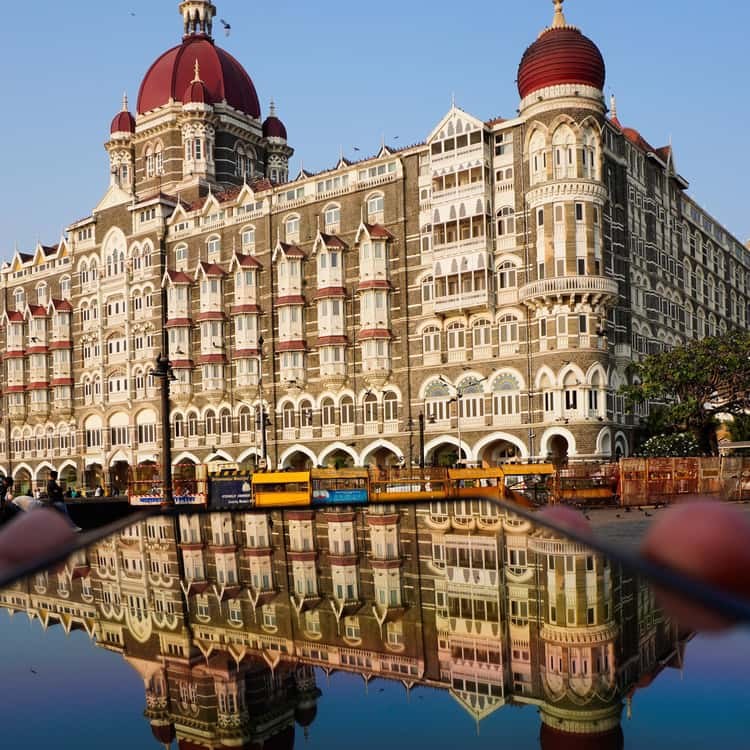
1. A Night at the Taj That Rewrites Your Definition of Grand Hotels

The Taj Mahal Palace isn't just a hotel — it's a living monument to Indian grandeur that has hosted kings, revolutionaries, and rock stars since 1903....

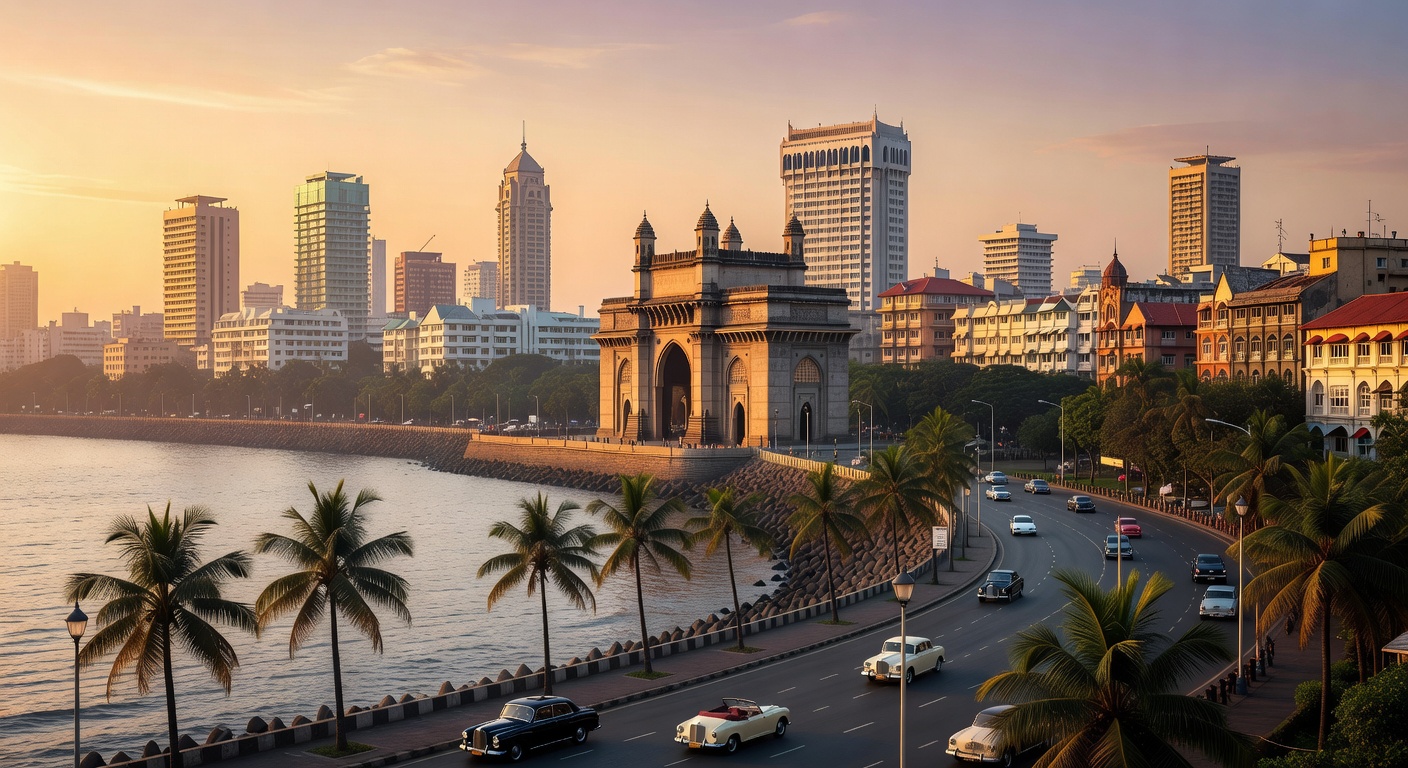
Book a Grande Heritage Suite in the original Palace wing, not the newer Tower, and request a harbour-facing room where you'll wake to the Gateway of India framed in your window like a private painting. Take afternoon tea in the Sea Lounge, then slip into the members-only Harbour Bar at golden hour — the bartenders here have been perfecting their craft for decades and the old-money energy is palpable.
2
The Chor Bazaar Antiques Run with a Dealer Who Knows Every Back Room
Skip the sanitized gallery circuit and spend a morning in Chor Bazaar with a private guide connected to the serious dealers — ask your hotel's heritage concierge to arrange someone from the Chor Bazaar Project or the Phillips Antiques family, who've been trading here since 1860. You'll find Art Deco furniture salvaged from demolished Parsi mansions, Bollywood film posters from the 1950s, and vintage Raj-era silverware in cramped back rooms that most tourists walk right past. This is treasure hunting at its most thrilling, and everything is negotiable if you know who to bring with you.
3
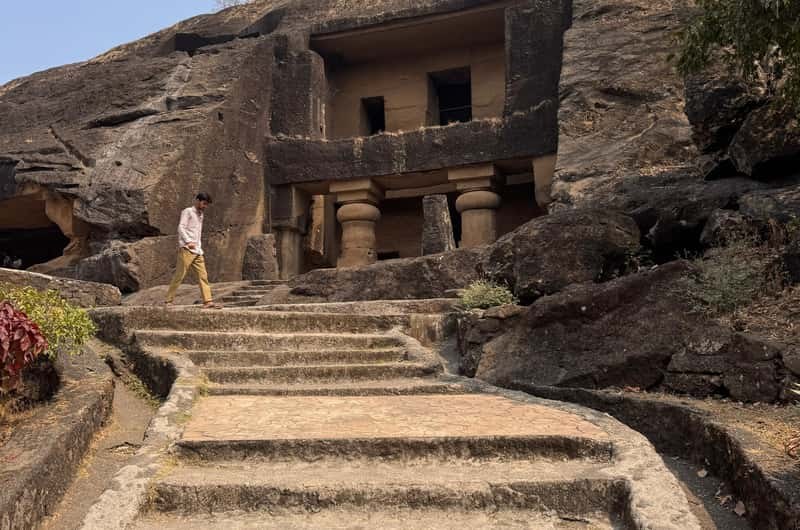
A Private Dawn Boat to Elephanta Island Before the Crowds Descend
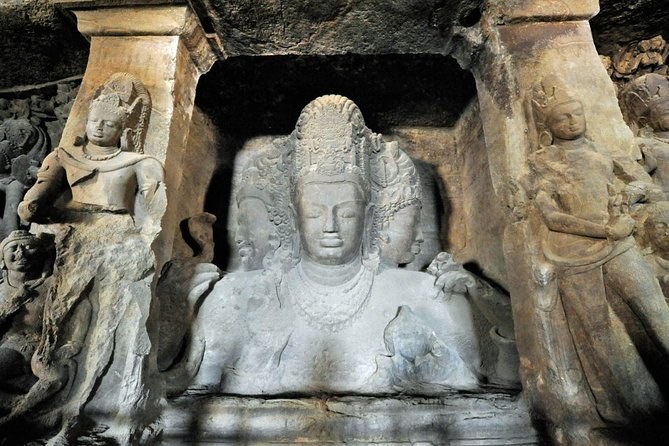
Most tourists take the public ferry to Elephanta Caves at mid-morning and arrive sweating alongside hundreds of others — instead, charter a private speedboat at dawn through the Taj's yacht services and reach the island before the first public ferry even departs. The 6th-century Shiva sculptures inside these UNESCO-listed rock-cut caves are among the most powerful works of art in all of Asia, and experiencing them in near-silence with a specialist archaeologist guide transforms a standard sightseeing stop into something genuinely spiritual. Pair it with a champagne breakfast on the boat ride back as the Mumbai skyline sharpens in the morning light.
4
The Art Deco Walking Tour That Reveals Mumbai's Secret Architecture
Mumbai holds the world's second-largest collection of Art Deco buildings after Miami, yet almost nobody outside architecture circles knows this — the Marine Drive and Oval Maidan ensembles were recently granted UNESCO World Heritage status and they're staggering. Hire Art Deco Mumbai's founder Atul Kumar for a private walking tour through the residential lobbies of Soona Mahal, Shivaji Marg, and the Rajabai Clock Tower surrounds, where geometric tile floors and bas-relief facades have been quietly preserved for nearly a century. End at the restored art deco interiors of the Royal Opera House, India's only surviving opera house, and you'll understand why design-world insiders consider Mumbai a pilgrimage.
5
A Parsi Supper Club You'll Never Find on Google
Mumbai's dwindling Parsi community — Zoroastrian descendants of Persian refugees — created one of the world's most underappreciated cuisines, and the best way to experience it is not at a restaurant but at a private supper hosted in a heritage flat in Dadar Parsi Colony. Several families now host intimate dinners through discreet word-of-mouth networks — your concierge at The Oberoi or the St. Regis can make the connection. Expect dhansak that has simmered for half a day, prawn patia with tamarind so complex it haunts you for weeks, and stories from your host about a culture and community that is slowly vanishing from the city they helped build.
6
The Masala Library Experience That Proves Indian Fine Dining Has No Ceiling
Jiggs Kalra's Masala Library in Bandra Kurla Complex is the meal that silences every traveler who thinks they understand Indian food — this is avant-garde molecular gastronomy rooted in centuries-old regional recipes, and it's among the most inventive tasting menus on the planet. Order the 12-course degustation with wine pairings and prepare for dishes like nitrogen-frozen paan, deconstructed dal makhani, and a wild mushroom galouti kebab that dissolves on contact. Follow dinner with a nightcap at Aer, the rooftop bar at the Four Seasons in Worli, where Mumbai's skyline sprawls beneath you and the city finally, momentarily, feels quiet.
When to Go Show ↓
Peak Season
November through February
This is Mumbai's glorious cool season — temperatures hover between 20-32°C, humidity drops to bearable levels, and the city's social calendar explodes with gallery openings, polo matches at the Mahalaxmi Racecourse, and outdoor festivals. Every rooftop bar and terrace restaurant in town is at its best, and this is when the city's elite return from their summer escapes abroad, making the dining and nightlife scene electric. Book hotels at least two months ahead — the Taj Palace and Oberoi fill quickly around Christmas and New Year, when Mumbai throws parties that rival anything in Dubai or Singapore.
🌴
Shoulder Season
March and October
March brings rising heat but also the exuberant chaos of Holi, while October catches the tail end of the monsoon with dramatic skies and a freshly washed city that practically glows. These months offer significantly better hotel rates — often 30-40% below peak — and you'll find top restaurants far easier to book on short notice. The smart luxury play is early October: the rains have usually tapered, the crowds haven't returned, and there's a lush, almost tropical beauty to the city that peak-season visitors never see.
Plan your trip to Mumbai, India