← Back to Fantasize Budapest, Hungary
International Destination

Budapest, Hungary

Business class roundtrip fares from 10 US hubs · Updated daily
$2,501
Lowest fare
$3,475
Average
10
US hubs
4
Below normal
All fares to Budapest, Hungary
JFK 8h $2,501 Typical Book Search →
ORD 11h $2,801 Typical Book Search →
ATL 8h $2,865 Low Book Search →
BOS 9h $3,074 Low Book Search →
DFW 13h $3,527 Typical Book Search →
SEA 14h $3,656 Low Book Search →
MIA 9h $3,818 Low Book Search →
LAX 12h 30m $3,839 Typical Book Search →
SFO 12h $4,130 Typical Book Search →
SNA 14h $4,539 Typical Book Search →
About Budapest, Hungary

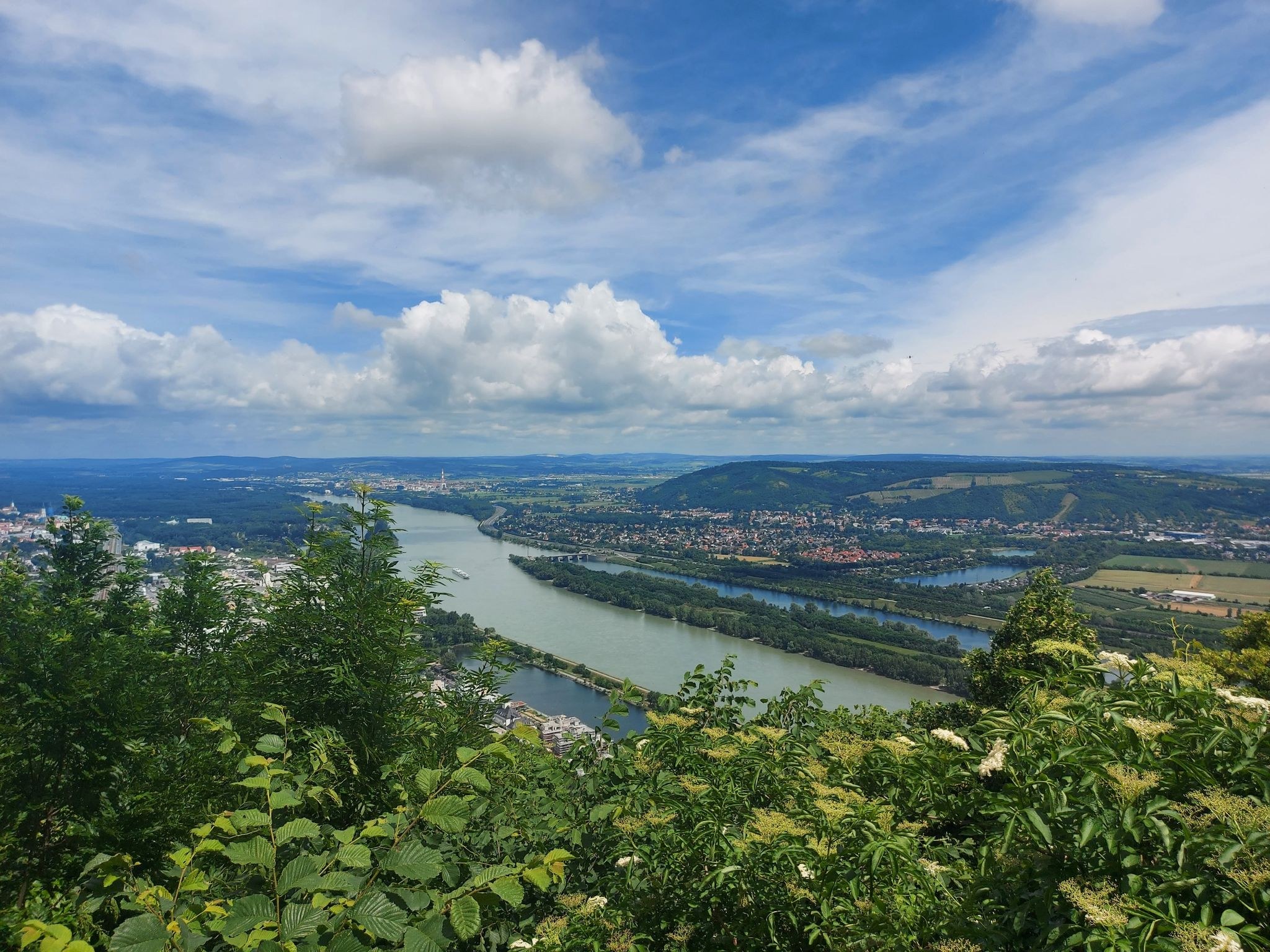
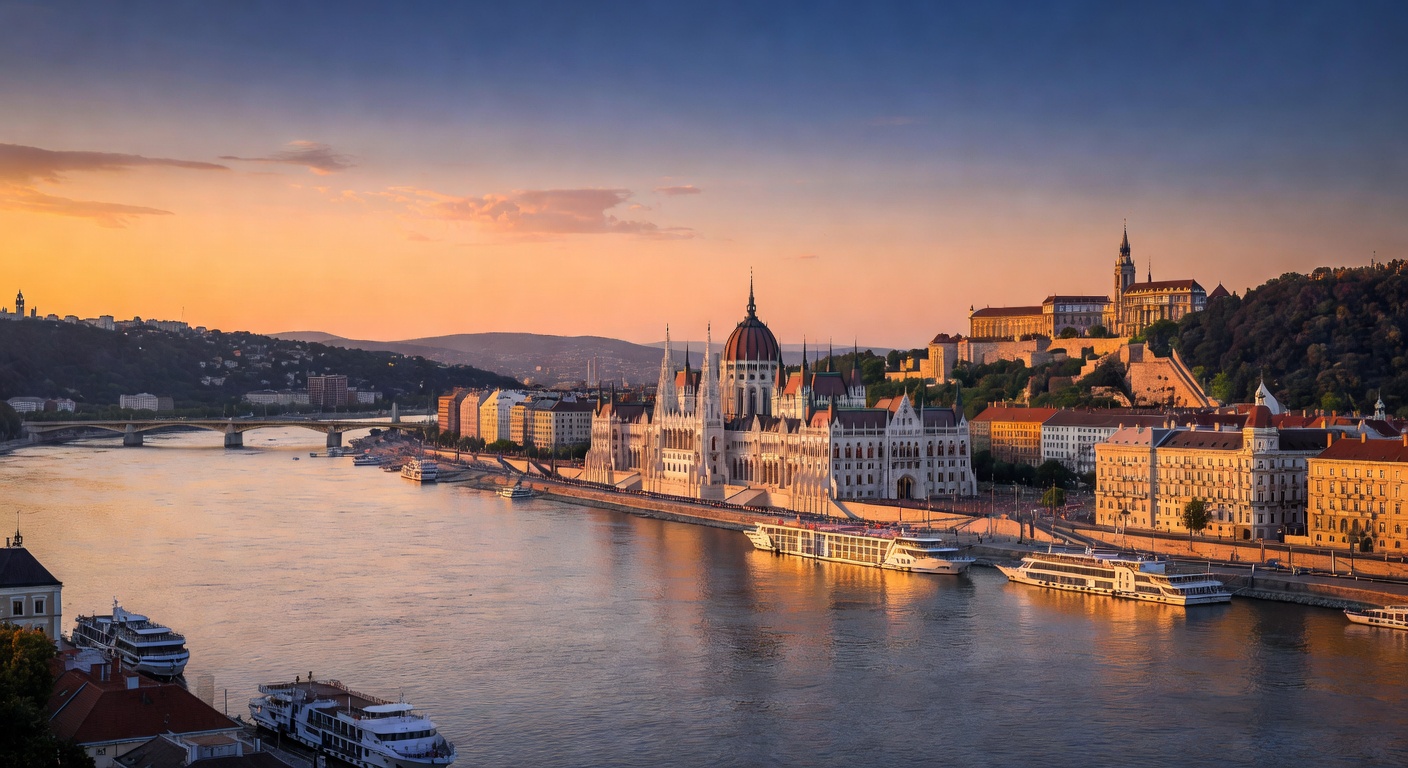
Budapest is the most underpriced grand European capital — a city built on thermal springs and Habsburg ambition, where you can soak in a 16th-century Ottoman bathhouse before dinner at a Michelin-starred restaurant that would cost triple in Paris. The Danube splits Buda's wooded hills from Pest's electric café culture, and the city rewards those who linger past the ruin bars and dig into its layers. This is where old-world opulence meets a creative energy that feels genuinely unmanufactured.
6 Experiences Worth Flying Business Class For
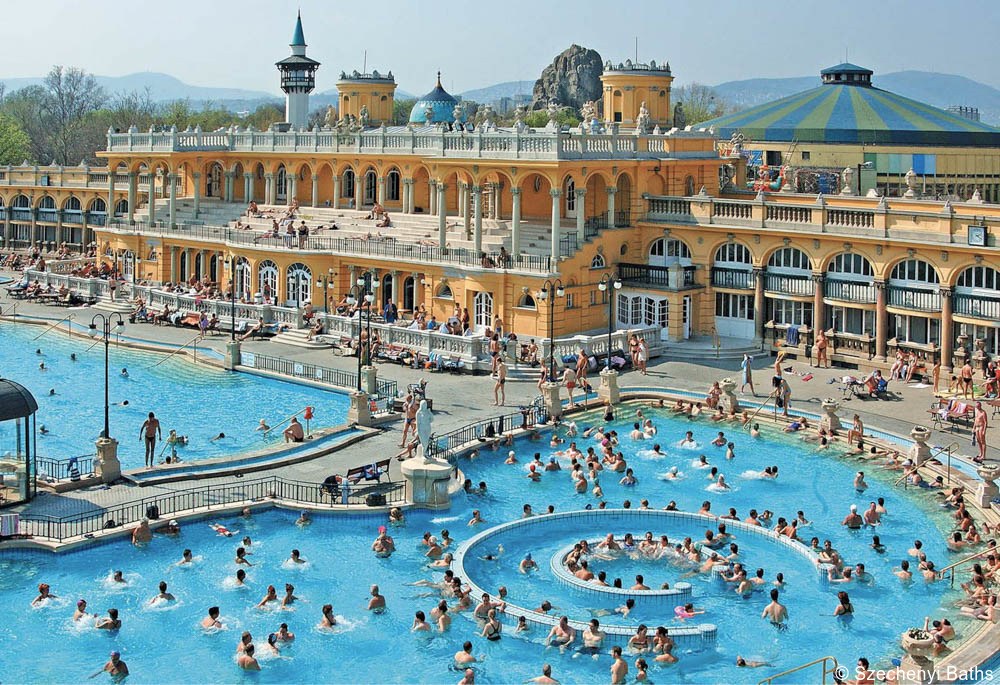
1. A Private Morning Soak at Gellért Before the Crowds Arrive

Book the earliest entry at the Gellért Thermal Bath — ideally through your hotel's concierge for a semi-private experience — and have the Art Nouveau main ...

hall essentially to yourself before the tour buses descend around 10 AM. The mosaic-lined pools, the light pouring through those vaulted windows, the absolute silence of thermal water at 38°C: this is Budapest distilled into a single morning ritual. Skip Széchenyi unless you want Instagram queues; Gellért is the connoisseur's bath.
2
Dinner at Costes Downtown, Then a Nightcap on the Pest Embankment
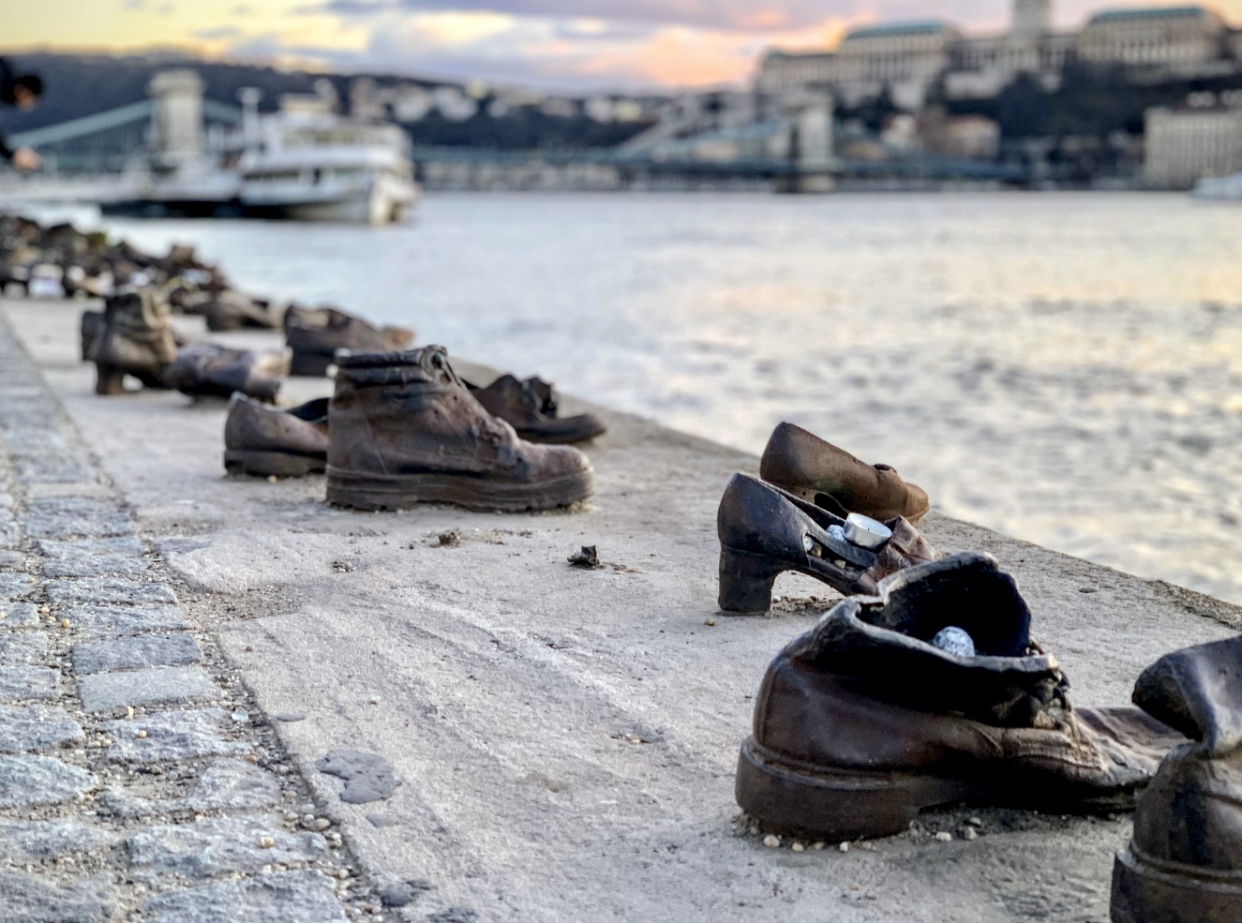
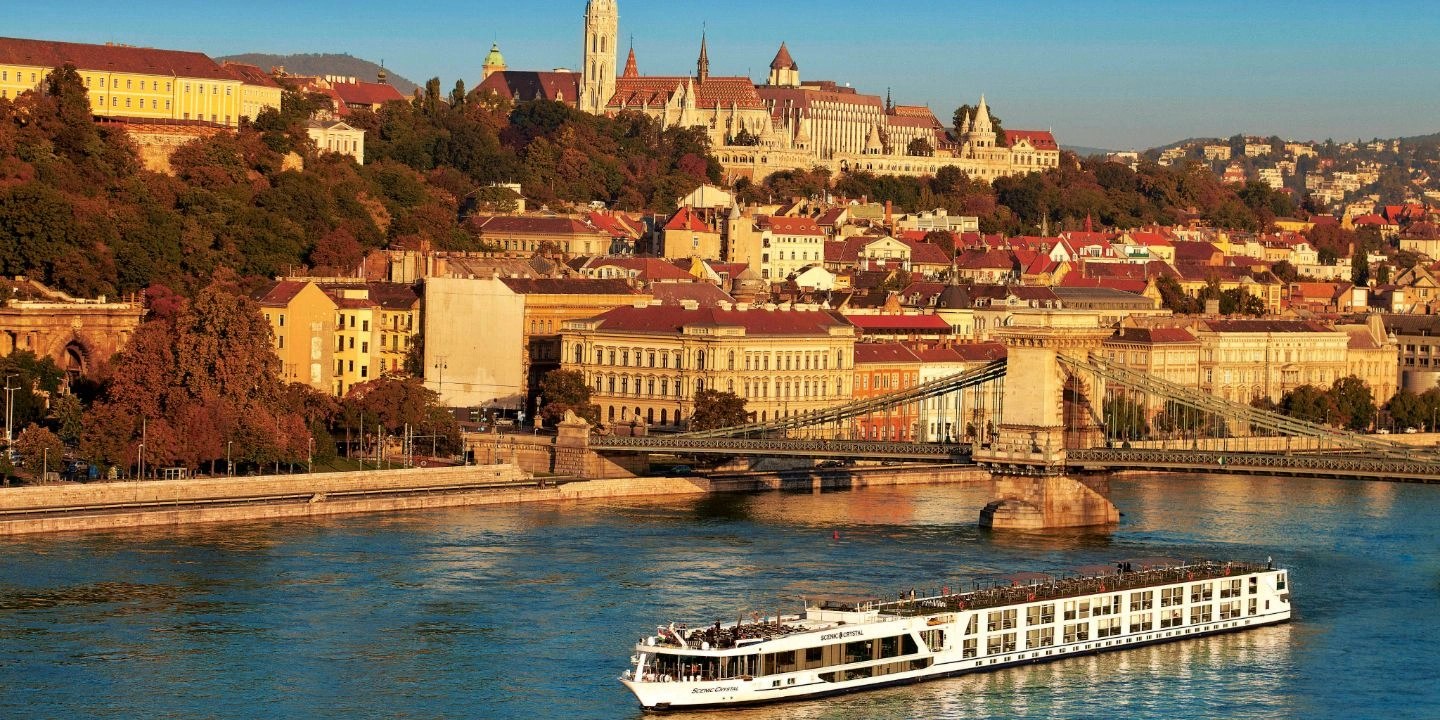
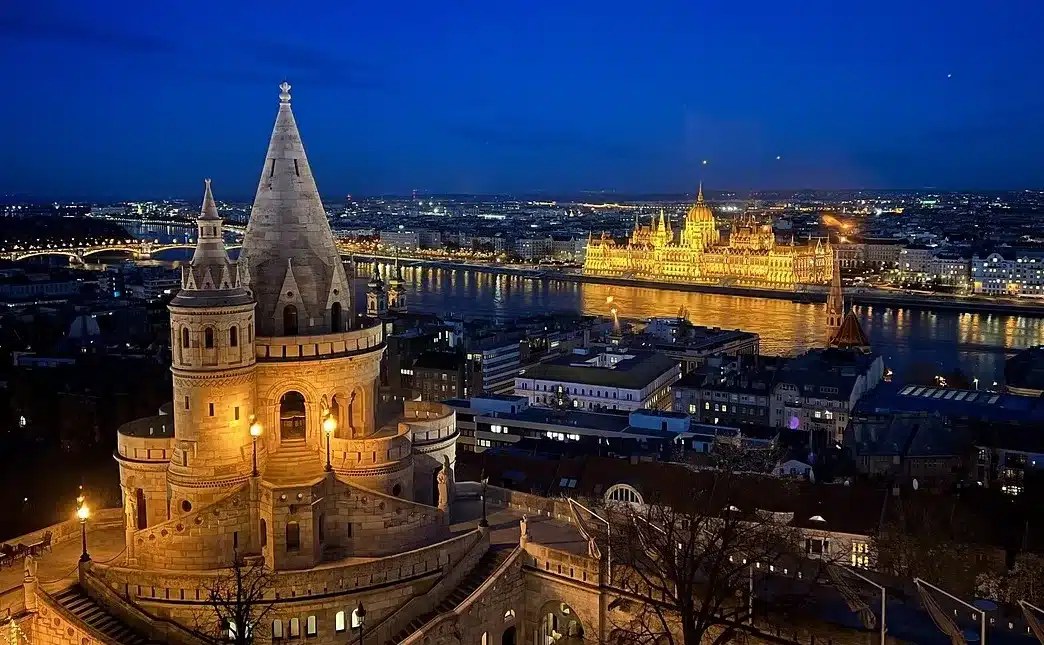
Costes Downtown on Viganó utca remains Budapest's most polished fine dining experience — chef Miguel Rocha Vieira's tasting menu is inventive without being theatrical, and the wine list leans heavily into Hungary's extraordinary Tokaj and Villány regions that most international travelers have never properly explored. After dinner, walk five minutes to the Danube embankment and take in the illuminated Chain Bridge and Buda Castle from the Pest side — it's one of Europe's great after-dark panoramas, and at 11 PM you'll often have the promenade nearly to yourself.
3
The Buda Castle Backstreets Nobody Photographs
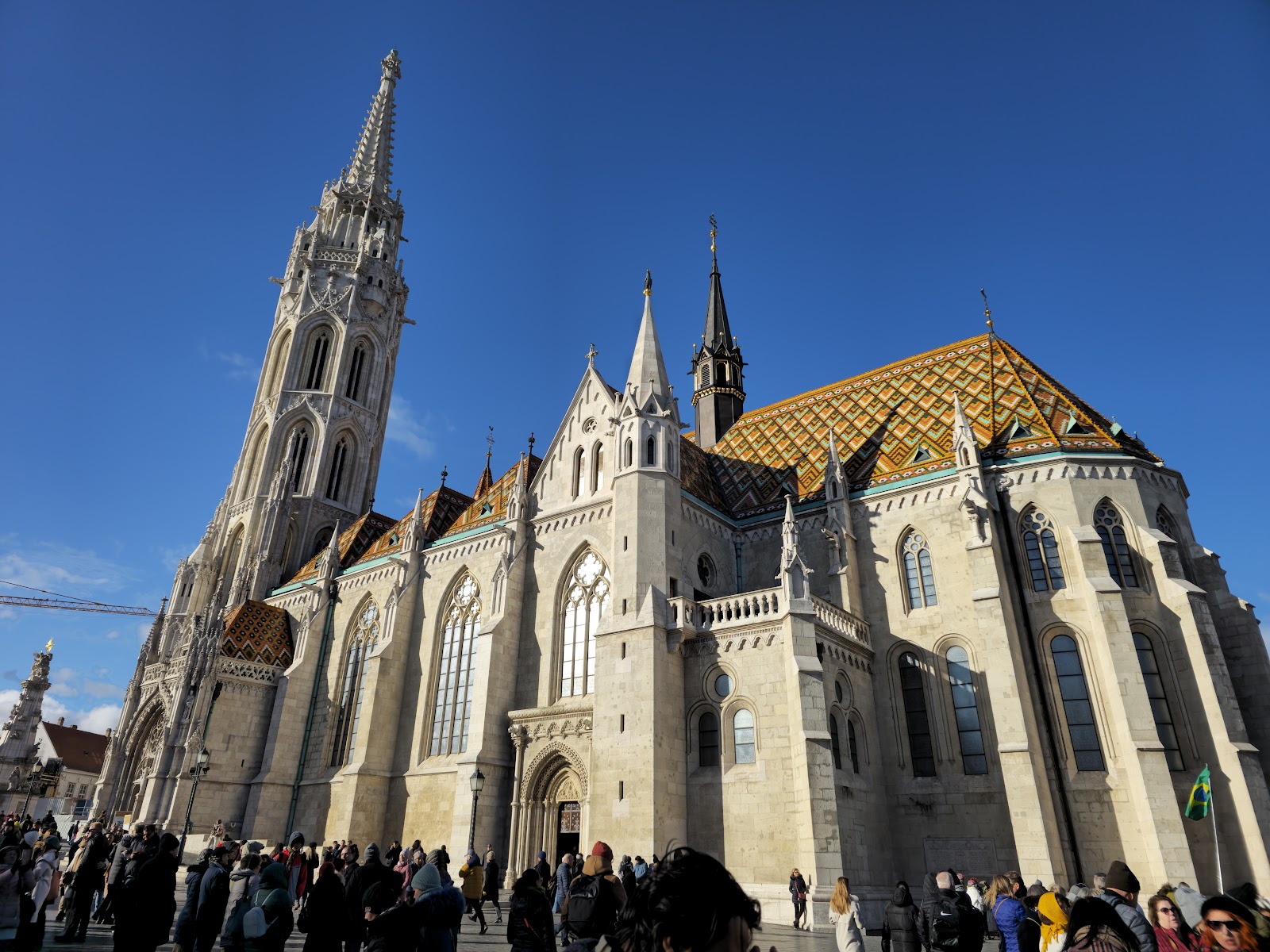
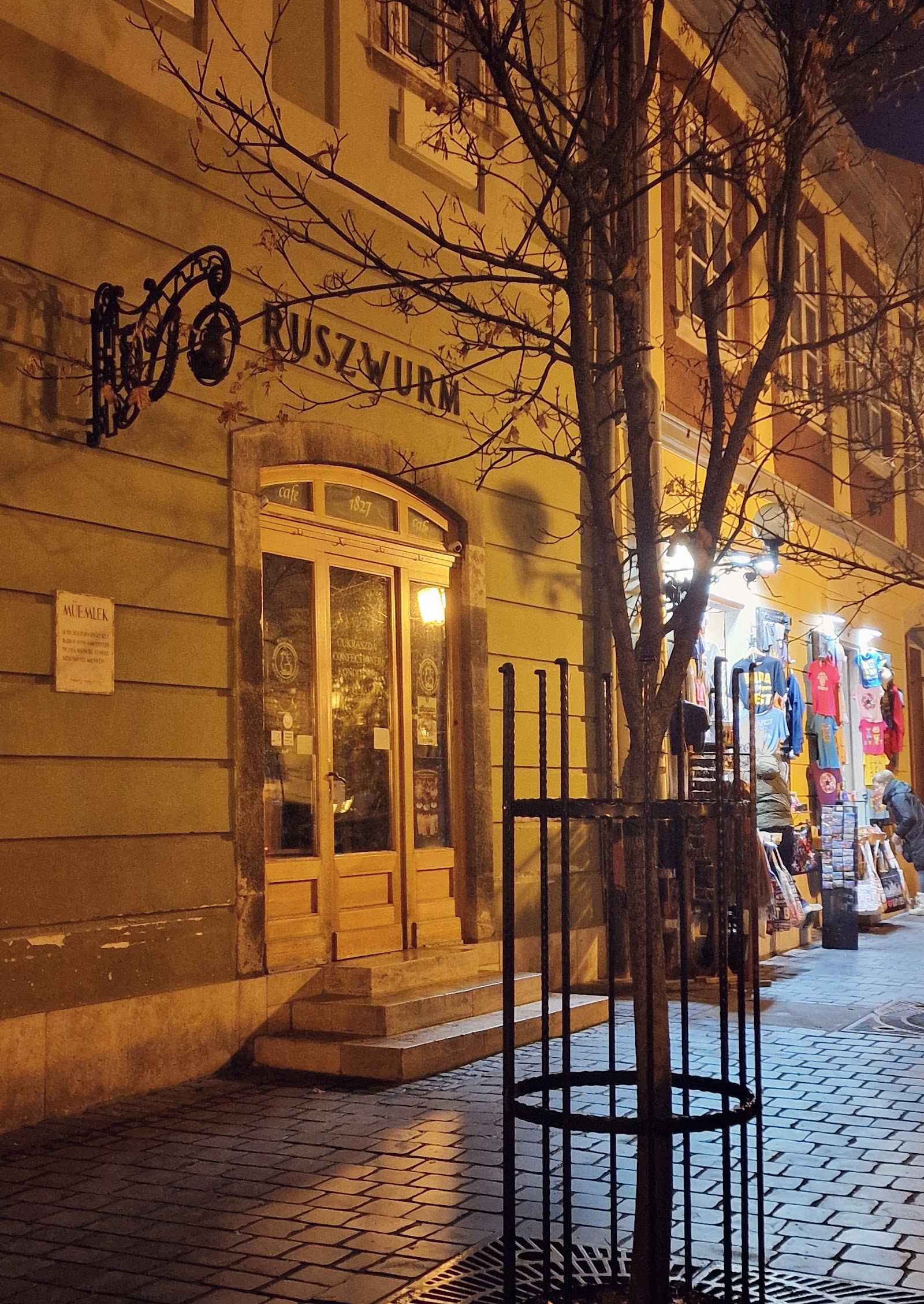
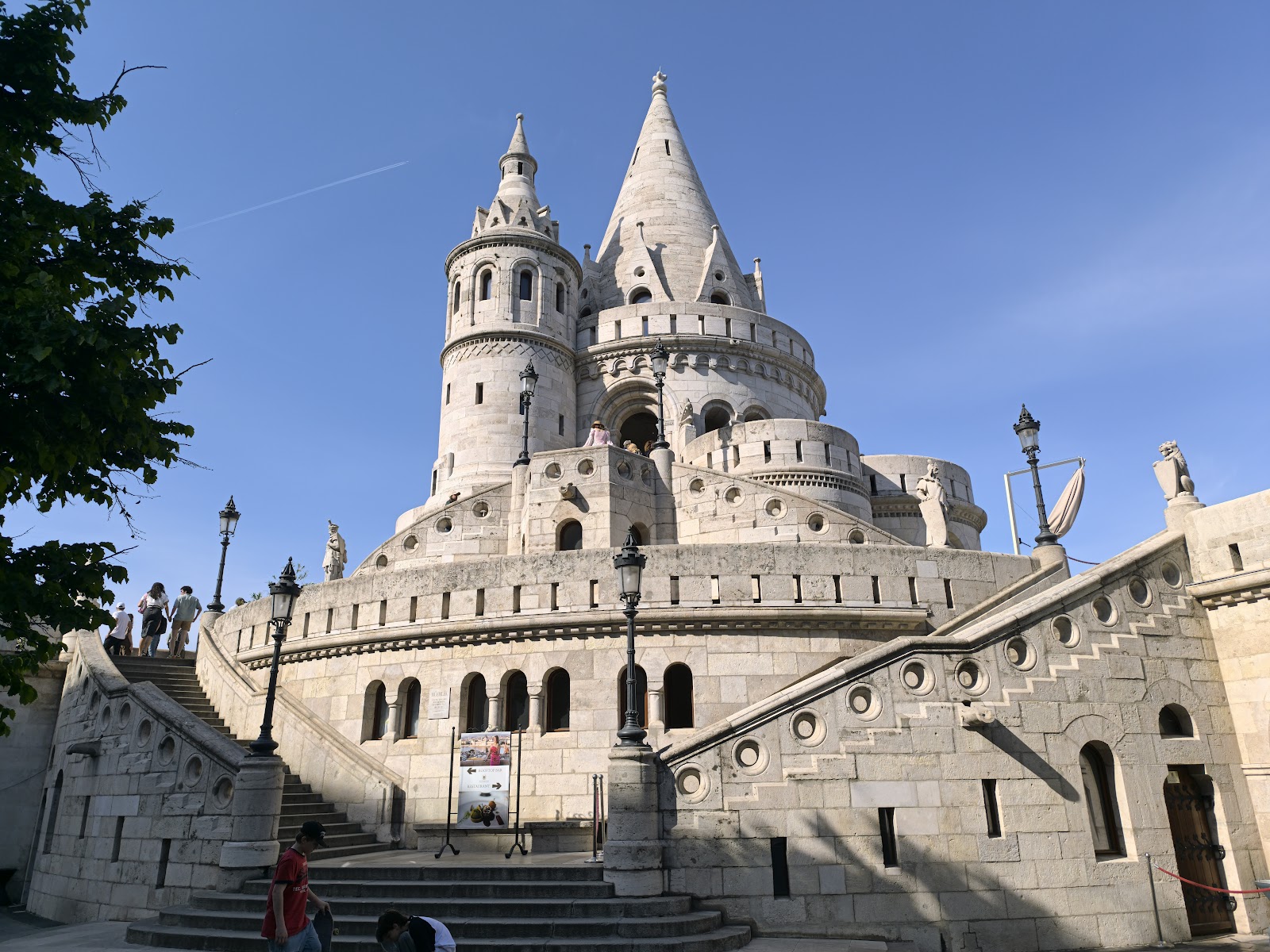
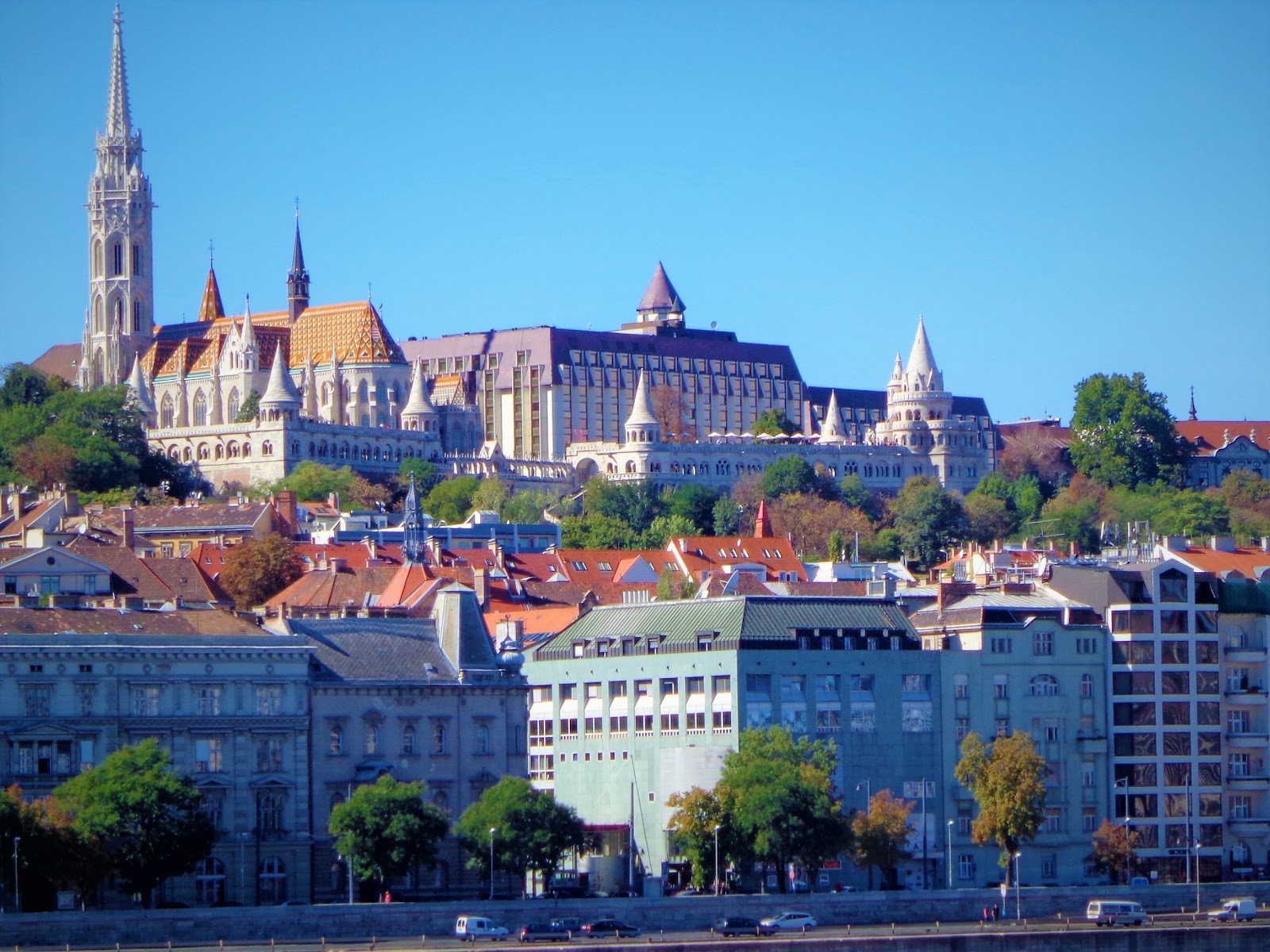
Skip the Fisherman's Bastion selfie circus and instead walk the quieter medieval lanes south of Matthias Church — Tóth Árpád sétány, the old rampart promenade on the western edge of Castle Hill, offers sweeping views over the Buda Hills with almost no foot traffic. Duck into Ruszwurm Cukrászda, a tiny pastry shop operating since 1827, for a dobos torta and espresso at a marble table that Empress Sisi might have actually used. This is the aristocratic Budapest that the cruise-ship crowds never find.
4
A Full Day in the Tokaj Wine Region by Private Transfer
Arrange a private car to Tokaj — roughly two and a half hours northeast — and spend the day tasting aszú wines in centuries-old cellars carved into volcanic tuff at estates like Disznókő or the more intimate Patricius Winery. Tokaji aszú is one of the world's great dessert wines, and tasting it in situ, pulled from barrels in cellars coated with the noble rot fungus Cladosporium cellare, is an experience that recalibrates your understanding of terroir. Your concierge at the Four Seasons Gresham Palace can arrange this seamlessly, including a packed lunch from Onyx's kitchen.
5
An Evening at the Hungarian State Opera, Then Drinks at High Note
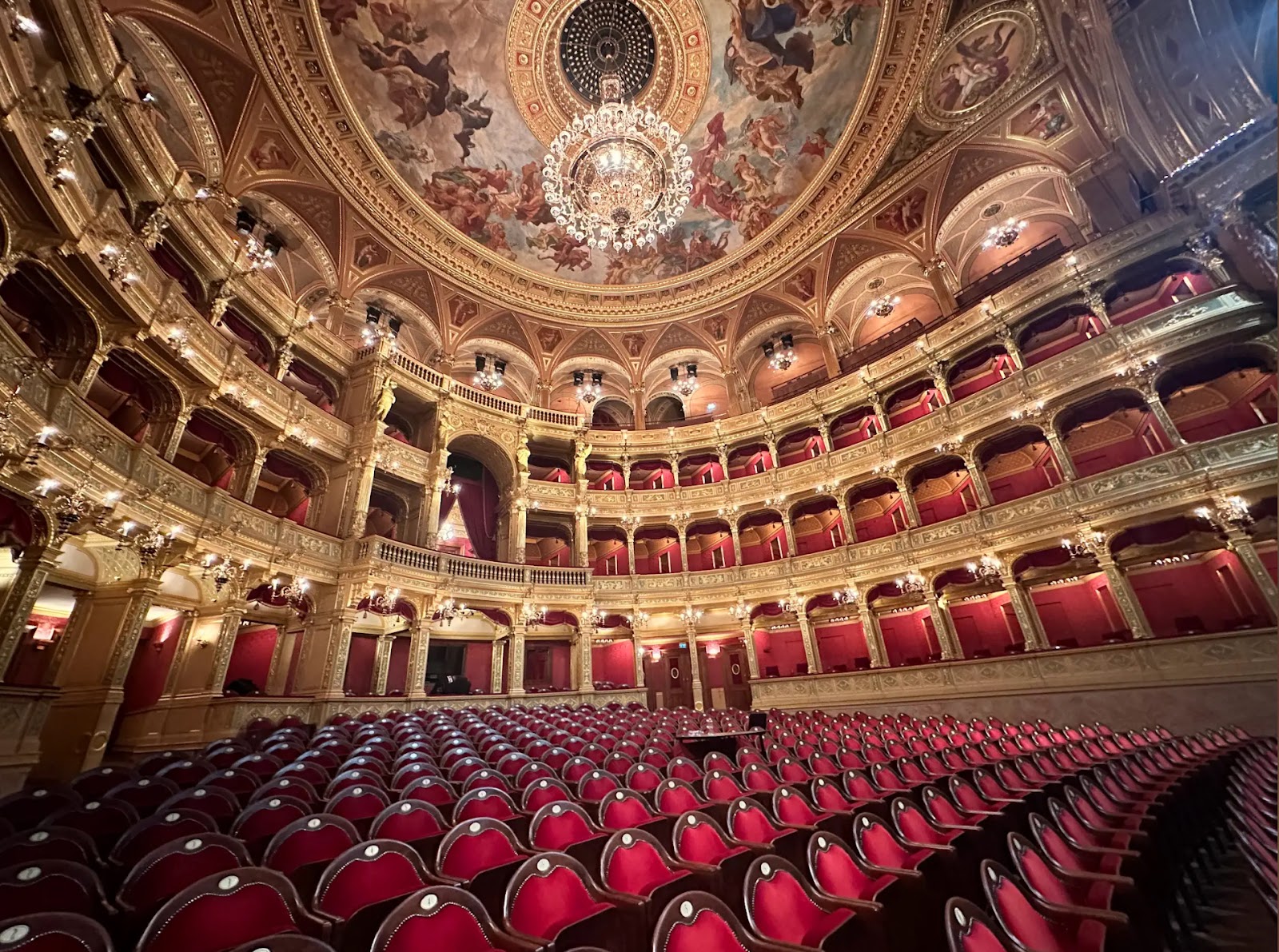
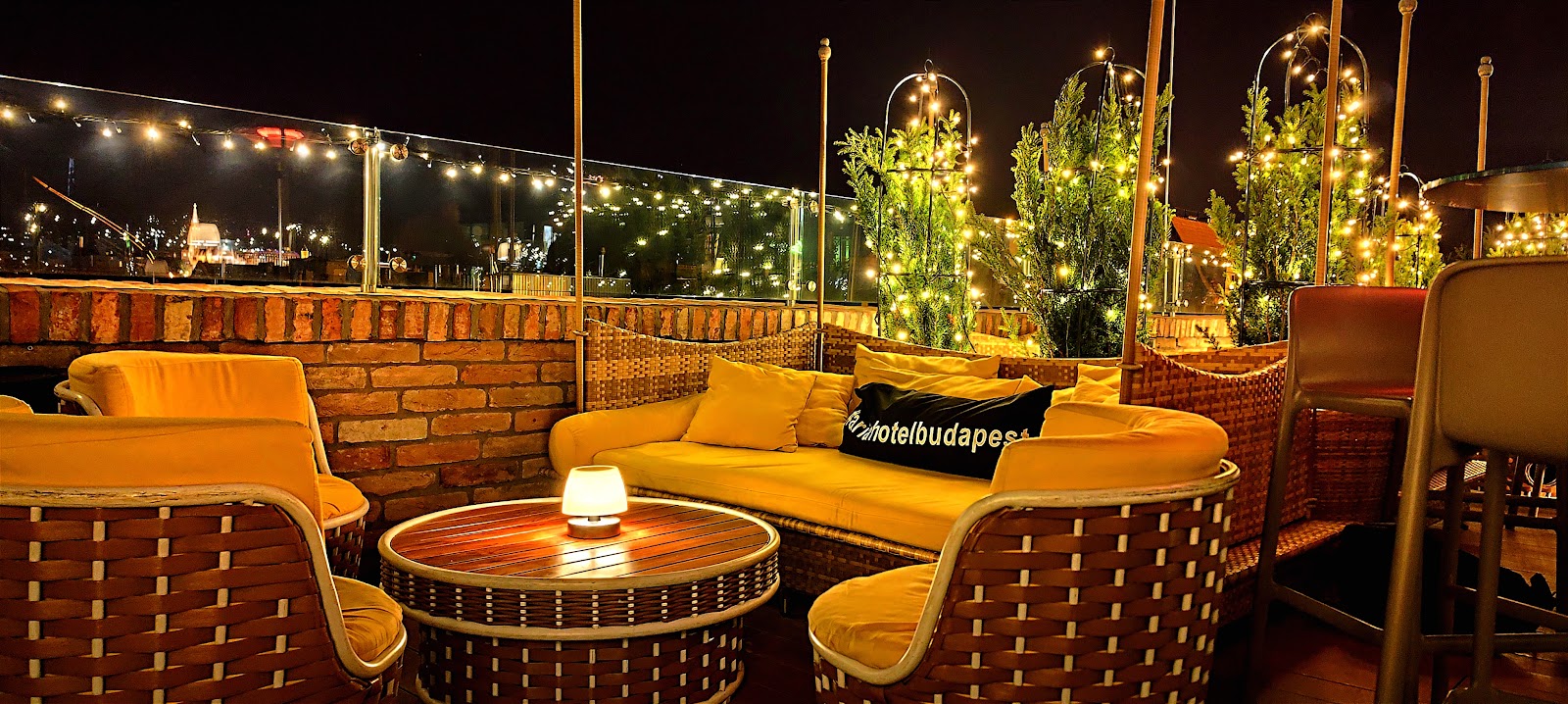
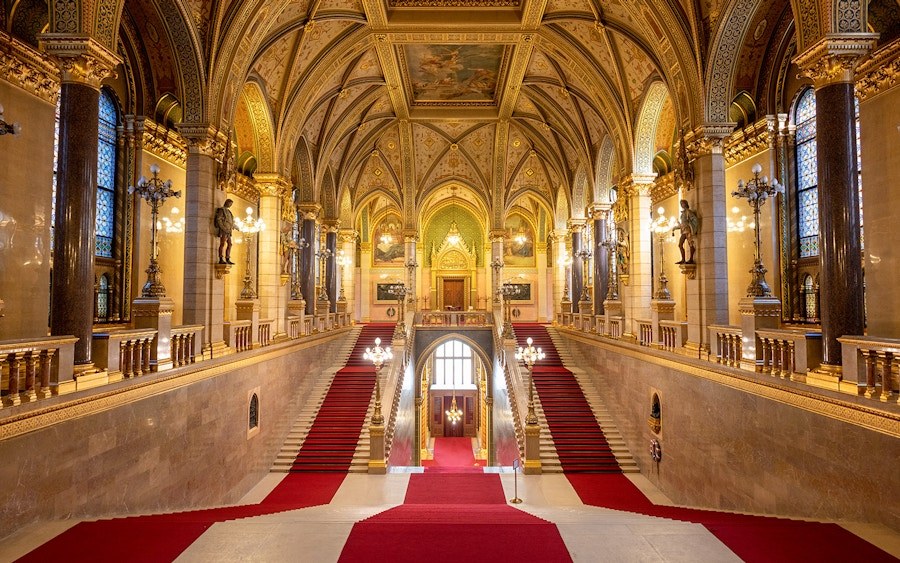
The recently restored Magyar Állami Operaház on Andrássy Avenue is arguably more beautiful than its Viennese counterpart — the neo-Renaissance interior is jaw-dropping, and top-tier box seats cost a fraction of La Scala or the Palais Garnier. After the performance, walk ten minutes to the High Note SkyBar atop the Aria Hotel for cocktails with a direct view into the illuminated dome of St. Stephen's Basilica. Book the opera through the house directly for premium seating and request intermission champagne service in the royal salon.
6
Saturday Market at Hold Utca, Then Lunch at Borkonyha
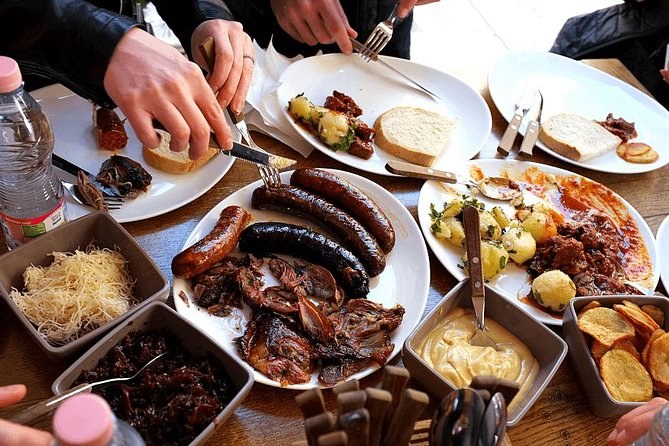
The revitalized Hold Street Market Hall in the Lipótváros district is where Budapest's serious food culture lives — artisan Hungarian charcuterie, small-batch pálinka, fresh langos done properly, and stalls run by producers from the Great Plain. Graze through the market mid-morning, then walk three minutes to Borkonyha Winekitchen, a Michelin-starred restaurant that treats Hungarian cuisine with real intellectual rigor — the mangalica pork and the sommelier's by-the-glass Juhfark selections are revelatory. This is the afternoon that converts skeptics into Budapest evangelists.
When to Go Show ↓
Peak Season
June through August
Budapest in summer is genuinely hot — often above 35°C — and the thermal baths lose some appeal when you're already perspiring through your linen. The ruin bar district around Szimpla Kert becomes a stag-party destination that luxury travelers will want to avoid entirely. That said, long evenings on the Danube are magical, the Sziget Festival in August draws a sophisticated crowd, and hotel availability at the top properties like the Four Seasons and Matild Palace is tight, so book well ahead if July is unavoidable.
🌴
Shoulder Season
April through May, and September through October
This is when Budapest belongs to you. Late September and early October bring golden light over the Danube, harvest season in Tokaj, comfortable walking temperatures around 18–22°C, and a cultural calendar in full swing — the Budapest Festival Orchestra's season is in stride, and restaurant terraces are open without the summer swelter. May is equally stunning, with the chestnut trees blooming along Andrássy Avenue and room rates at luxury properties roughly 30% below summer highs. If I could only visit once, I'd choose the first two weeks of October.
Plan your trip to Budapest, Hungary