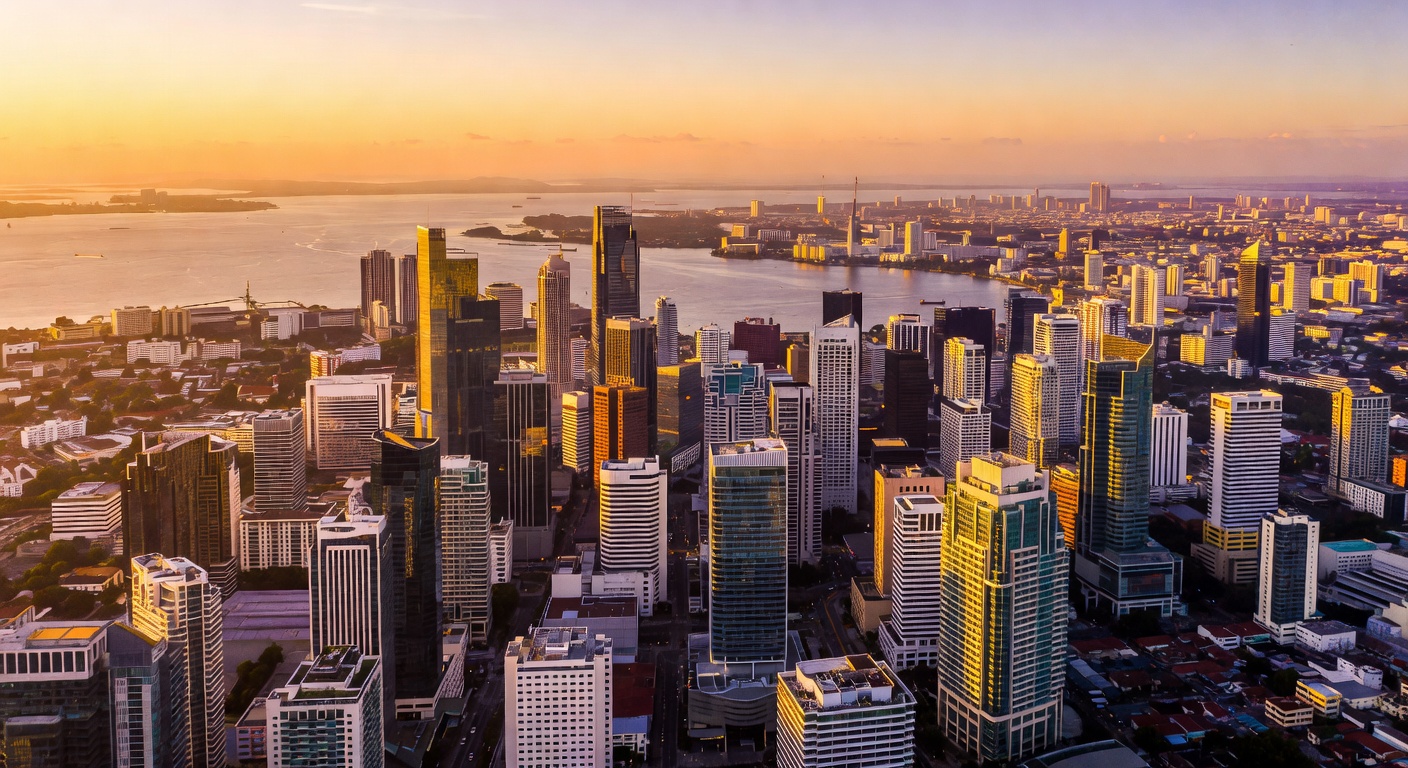
Manila · Philippines
A typical cooking class in Manila lasts 3–5 hours and usually starts with a guided trip to a wet market or supermarket. You’ll pick out ingredients like fish sauce, calamansi, taro leaves, and whatever protein is in season, then head to a home kitchen or small teaching space. Expect to make 3–4 dishes—think adobo, sinigang, lumpia, or halo-halo. Some classes are fully hands-on; others mix demonstration with participation. The atmosphere is casual, often with a local home cook or chef walking you through techniques. You eat everything at the end, usually with beer or calamansi juice. It’s genuinely useful if you want to cook Filipino food back home, less so if you’re only in town for 48 hours and hate early mornings.
Best time is November to February when it’s cooler and drier. Classes run year-round but July–October can be steamy and rainy, making market visits less pleasant. Expect to pay around $80–$150 per person; private classes with market tours sit at the higher end, while group demo-style sessions are cheaper. Pick a class that includes the market visit—it’s the part most travelers remember. Skip pure demonstration-only formats unless you specifically want to watch rather than chop and stir; the hands-on ones are more fun and educational.
Some links are affiliate links — we may earn a commission at no extra cost to you. See our Terms.