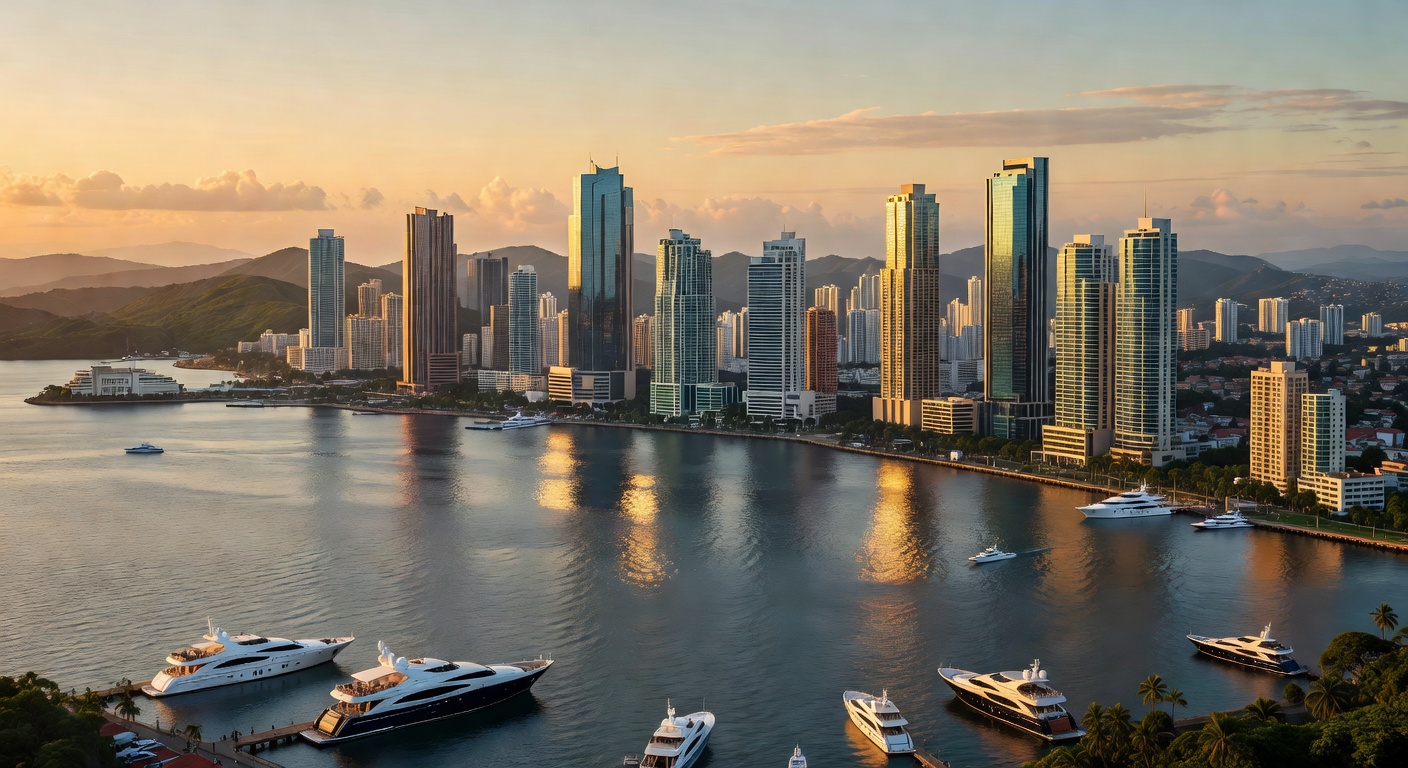
Panama City · Panama
A typical class runs 3.5–4.5 hours and usually starts with a guided walk through a local market where you pick out ingredients like plantains, yuca, culantro, and fresh seafood. Then you head to a kitchen (sometimes in someone’s home, sometimes a small school setup) to cook a handful of dishes together. Expect to make things like arroz con pollo, patacones, sancocho, or Caribbean-style fish. You eat what you cook at the end, often with a cold beer or rum cocktail. It’s genuinely hands-on; you’ll chop, mash, and stir, not just watch a chef perform.
Best time is the dry season from mid-December through April when it’s less humid and market visits are more pleasant. Avoid the worst of rainy season (October–November) unless you don’t mind getting soaked on the way to class. Expect to pay around $90–$150 per person depending on group size, whether drinks are included, and how fancy the setup is. The boozier “10-recipe” versions with bottomless mojitos sit at the higher end.
Pick the market-plus-cooking combo if you want context on where the food actually comes from. Skip the ones that promise 10 recipes in four hours; you’ll rush through everything and retain almost nothing. Go hungry and with an open mind—Panamanian food is subtle, not flashy, and you’ll enjoy it more if you don’t expect it to taste like Peruvian or Mexican cuisine.
Some links are affiliate links — we may earn a commission at no extra cost to you. See our Terms.