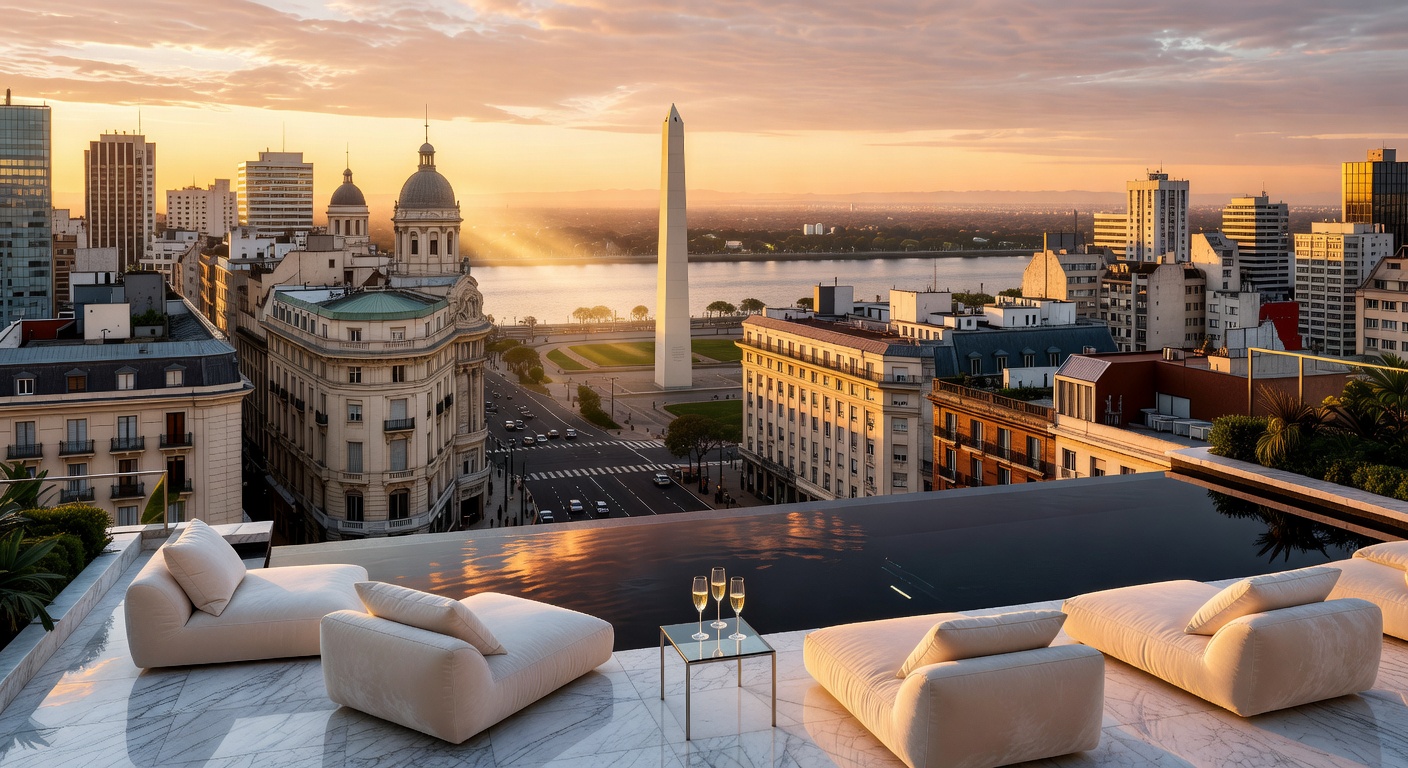
Buenos Aires · Argentina
Milongas are traditional tango social dances held most nights in Buenos Aires. Expect a mix of locals and visitors in simple venues ranging from community halls to old cafes. The evening usually starts with a short group lesson, followed by several hours of dancing to live or recorded music. Dancing is partner-based; you'll rotate partners frequently. The atmosphere is social but serious—people come to dance well, not chat. Dress is smart casual: men in shirts and trousers, women in skirts or dresses that move well. Evenings run from 9pm until well after midnight; serious dancers often arrive after 11.
The best time to go is autumn (March–May) or spring (September–November) when the weather is pleasant and the regular milongas are in full swing. Summer is quieter as many locals leave the city. Expect to pay around $15–40 for a basic milonga entry including a lesson. Guided small-group experiences with transport and a dancer host run $60–180 depending on group size and inclusions.
Pick a traditional neighborhood milonga over flashy tourist shows if you want the authentic experience. Skip Saturday nights in tourist-heavy areas if you dislike crowds of spectators; midweek is often better for dancing with locals. Go with an open mind, a bit of tango knowledge helps, and remember the golden rule: if someone says no to a dance, it's never personal.
Some links are affiliate links — we may earn a commission at no extra cost to you. See our Terms.