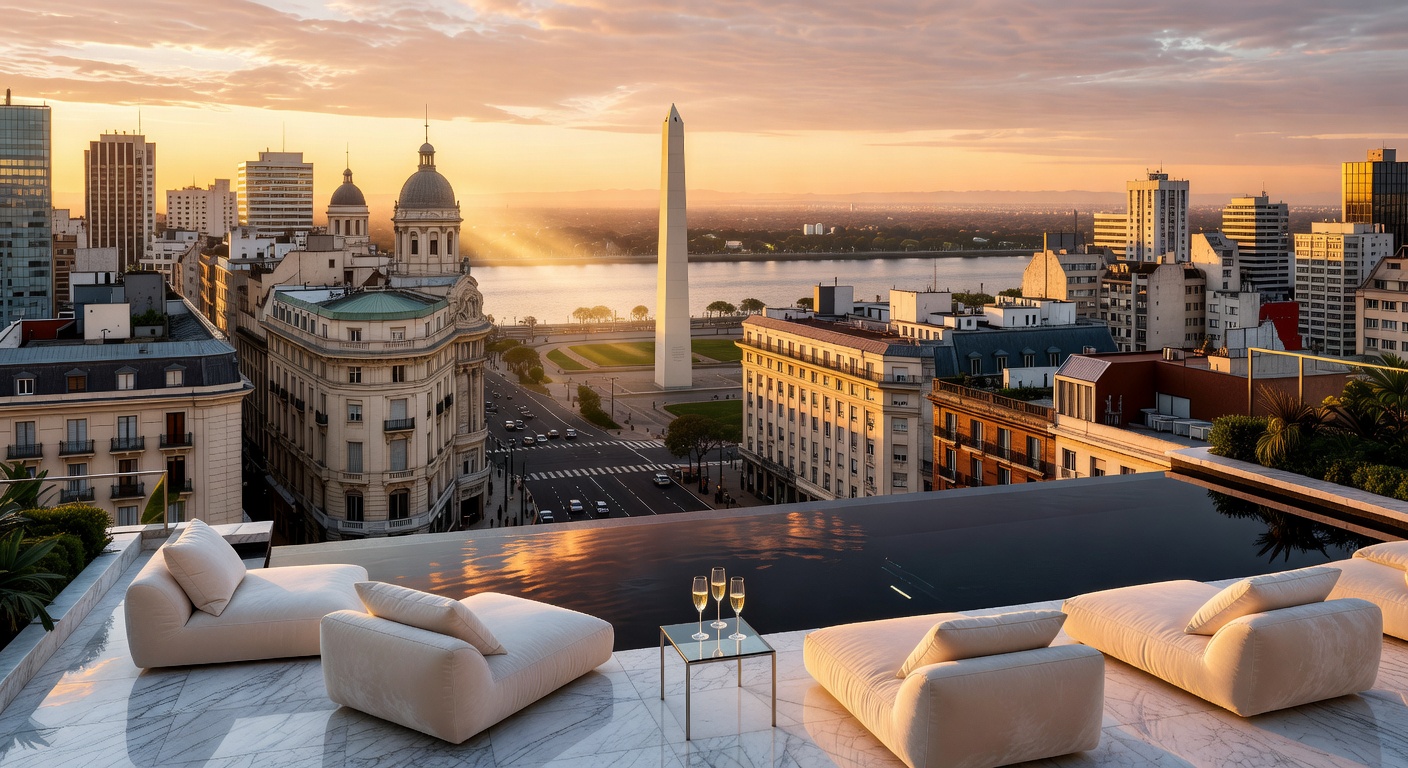
Buenos Aires · Argentina
Milonga classes in Buenos Aires are straightforward group lessons, usually 60-90 minutes, that teach basic tango walking, simple turns, and the social codes of the milonga (the dance event itself). Expect a patient instructor who rotates partners so you get used to different leads and follows. The atmosphere is friendly but serious; locals attend to dance, not to flirt. After the class many venues run a milonga where you can watch or try what you just learned. It’s social dancing, not a show, so the room will feel more like a community hall than a nightclub. Best time is spring (October-December) or fall (March-May) when the weather is mild and the regular milongas are well attended without the extreme summer heat or winter chill.
Expect to pay around $40-80 for a combined class and milonga entry; private lessons run higher. Skip the big tour-bus “tango experience” packages that bundle a lesson with a dinner show. Instead, pick a genuine milonga that offers beginner-friendly classes right before the social dancing starts. One honest tip: go with a small group class of 8-15 people rather than a massive workshop; you’ll get far more individual correction and actually meet locals. Another tip: wear comfortable shoes you can pivot in; leave the fancy outfits for watching, not learning.
Some links are affiliate links — we may earn a commission at no extra cost to you. See our Terms.