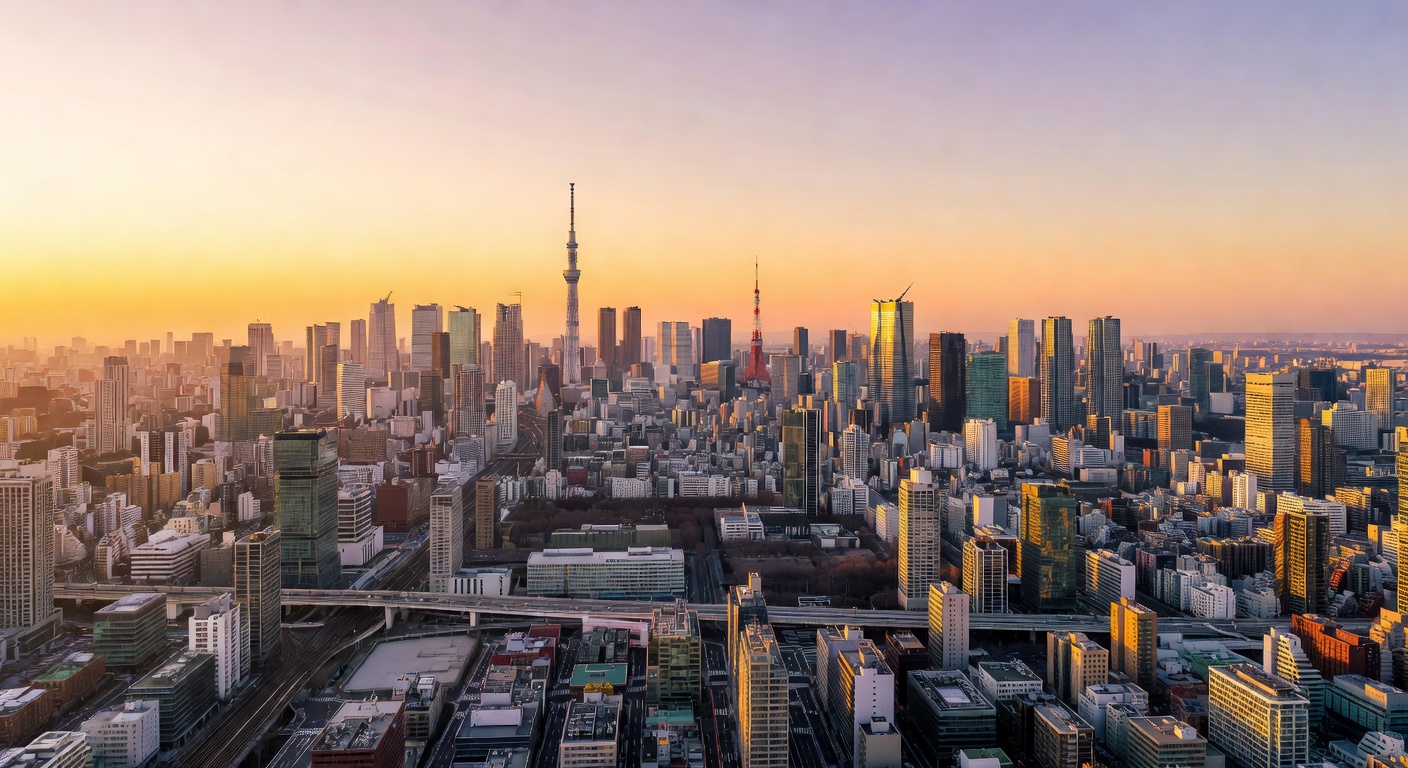
Tokyo · Japan
Most Tokyo-based Fuji climbing tours are one-day or overnight bus trips that get you to the fifth station (about 2,300m) then up to the summit for sunrise. Expect a long, tough hike: 5–7 hours up, 3–5 hours down, often in the dark with headlamps, cold wind, and crowds. The experience is more endurance test than scenic stroll—think switchbacks, loose volcanic gravel, and shared mountain huts if you stay overnight. Many people finish exhausted but genuinely moved by the sunrise above the clouds. Altitude sickness is real; headaches and nausea hit a lot of first-timers above 3,000m.
Best time is early July to mid-September when the trails are officially open. Late August is slightly quieter than July. A standard guided tour from Tokyo runs between ¥12,000 and ¥25,000 depending on whether it includes transport only, a hut meal and bunk, or just a day-trip. Add another ¥5,000–8,000 for basic gear rental (poles, rain jacket, headlamp) if you don’t have your own.
Pick a tour that starts from Shinjuku in the afternoon and lets you climb at night for sunrise; skip anything promising a “luxury” or “easy” Fuji experience. Bring your own snacks, headache medicine, and at least two liters of water—most tours don’t carry enough. If you’re short on time or hate crowds, consider skipping the guided tour and taking a direct bus to the fifth station yourself. The mountain is impressive enough without extra frills.
Some links are affiliate links — we may earn a commission at no extra cost to you. See our Terms.