← Back to Fantasize Tokyo-Haneda, Japan
Long-Haul Adventure

Tokyo-Haneda, Japan

Business class roundtrip fares from 10 US hubs · Updated daily
$3,307
Lowest fare
$5,342
Average
10
US hubs
4
Below normal
All fares to Tokyo-Haneda, Japan
SEA 9h $3,307 Low Book Search →
SFO 9h $3,411 Low Book Search →
LAX 9h $4,341 Typical Book Search →
JFK 14h 30m $5,386 Typical Book Search →
ORD 11h 45m $5,445 Typical Book Search →
BOS 14h 30m $5,927 Low Book Search →
SNA 9h $6,050 Typical Book Search →
DFW 13h $6,123 Typical Book Search →
ATL 14h $6,642 Typical Book Search →
MIA 12h 45m $6,786 Low Book Search →
About Tokyo-Haneda, Japan

Tokyo is a city that operates at a frequency most of the world hasn't caught up to — where a eight-seat sushi counter can hold more prestige than a Michelin-starred palazzo in Paris, and where the luxury isn't loud, it's obsessively, quietly perfect. Flying into Haneda puts you twenty minutes from Ginza by monorail, which already signals that this city respects your time as much as your taste. This is the destination where precision is the ultimate indulgence, and once you've experienced it at this level, every other global capital feels slightly unfinished.
6 Experiences Worth Flying Business Class For
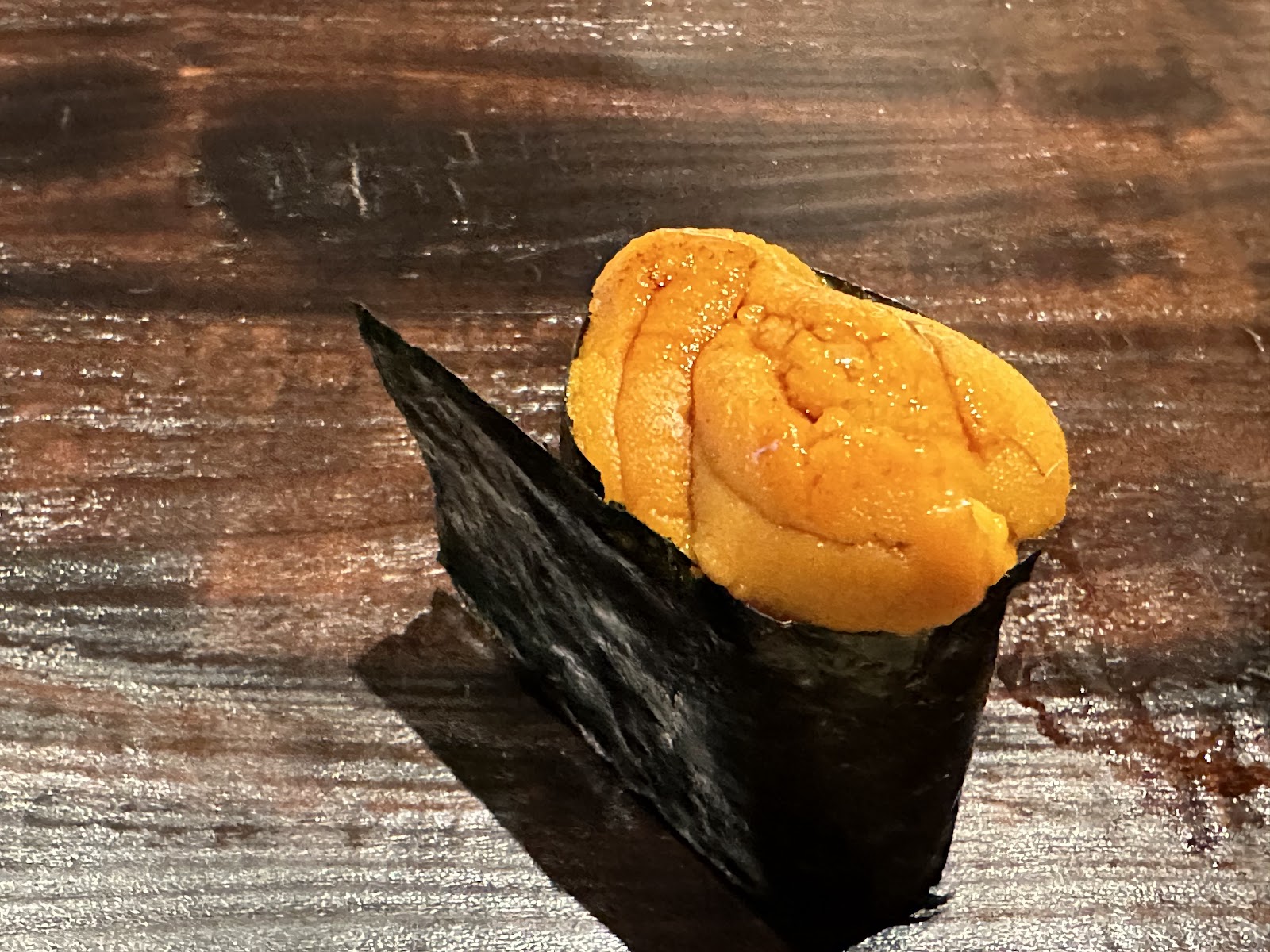
1. Secure a Seat at the Counter That Changes How You Think About Food

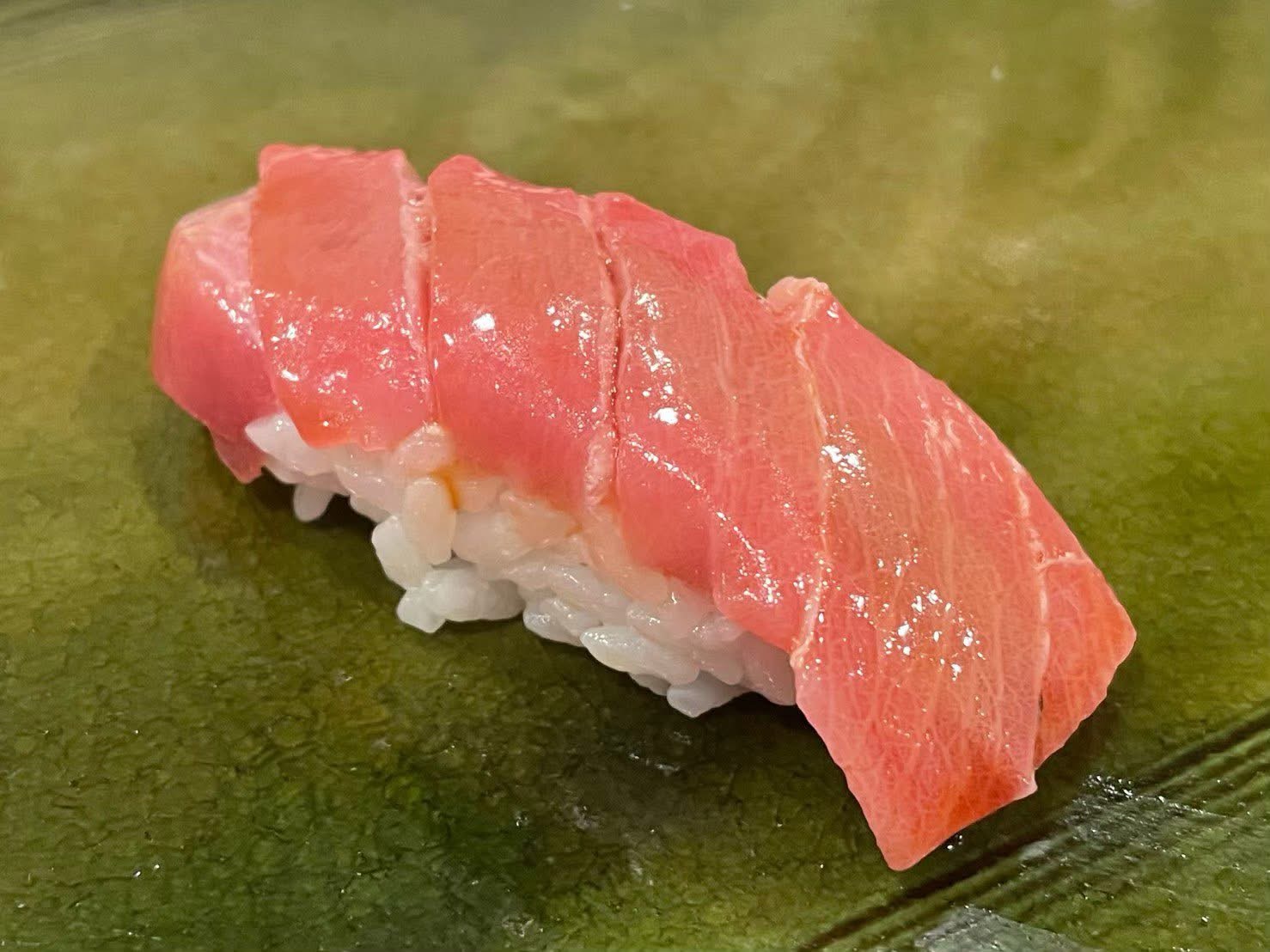
Booking an omakase at Sukiyabashi Jiro Roppongi, Saito in Akasaka, or the deeply under-the-radar Amamoto in Ginza isn't just dinner — it's a masterclass in re...

straint and perfection served one piece at a time. Most visitors fixate on the original Jiro, but insiders know Saito's vinegared rice alone is worth the three-month advance booking through your concierge. Arrive hungry, don't wear fragrance, and understand that 20 minutes of transcendent sushi at the counter is worth more than any three-hour tasting menu in Europe.
2
Sleep Inside a Living Art Collection at Aman Tokyo
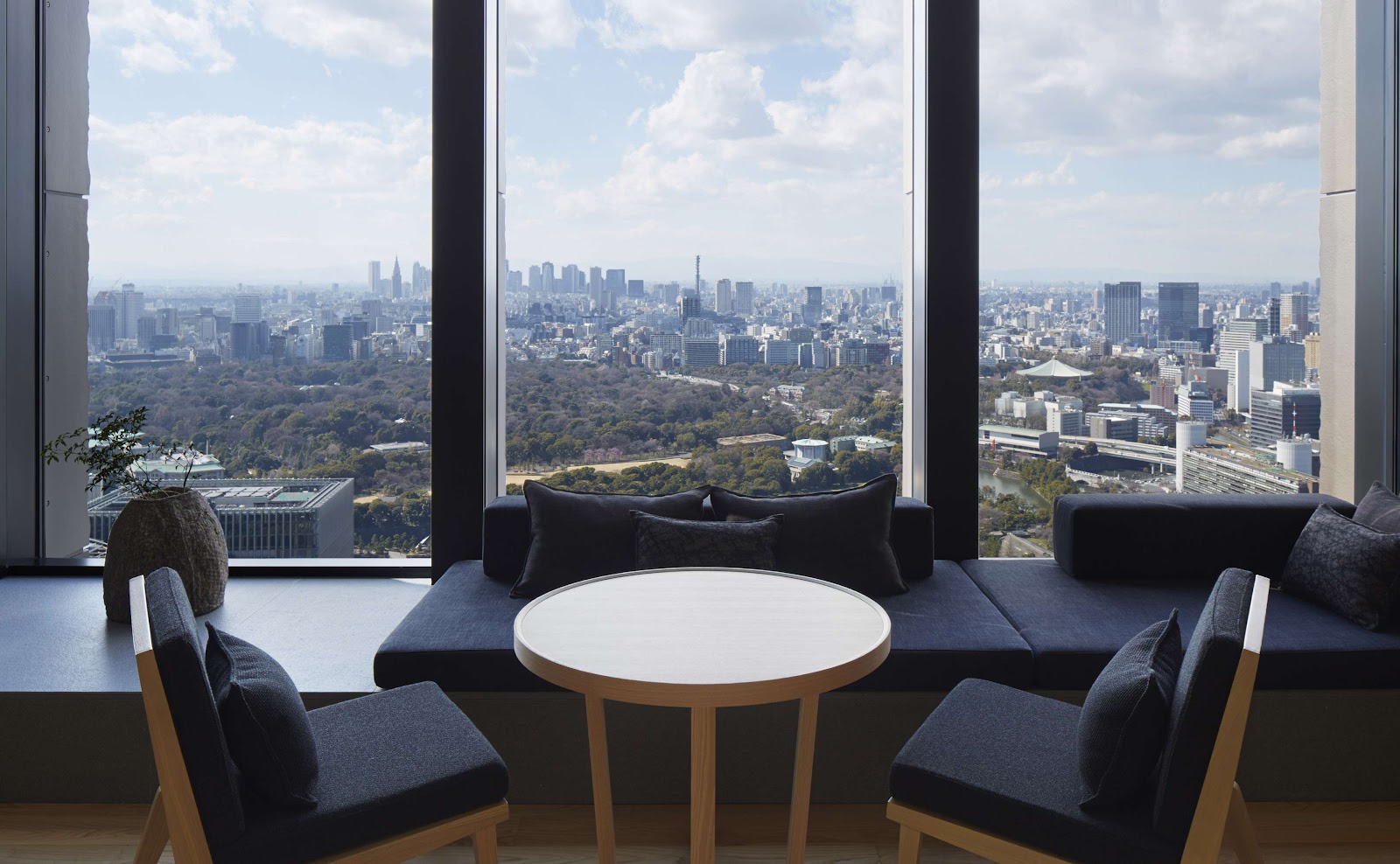
Aman Tokyo occupies the top six floors of the Otemachi Tower, and the rooms feel less like hotel suites and more like minimalist temples hovering above the Imperial Palace gardens. The ofuro-style soaking tubs, the washi paper screens, the enormous entry camphor wood doors — every material decision here is deliberate and deeply Japanese. Request a corner suite on the 34th floor facing the palace grounds at dusk, and you'll understand why repeat guests never bother trying the newer luxury openings.
3
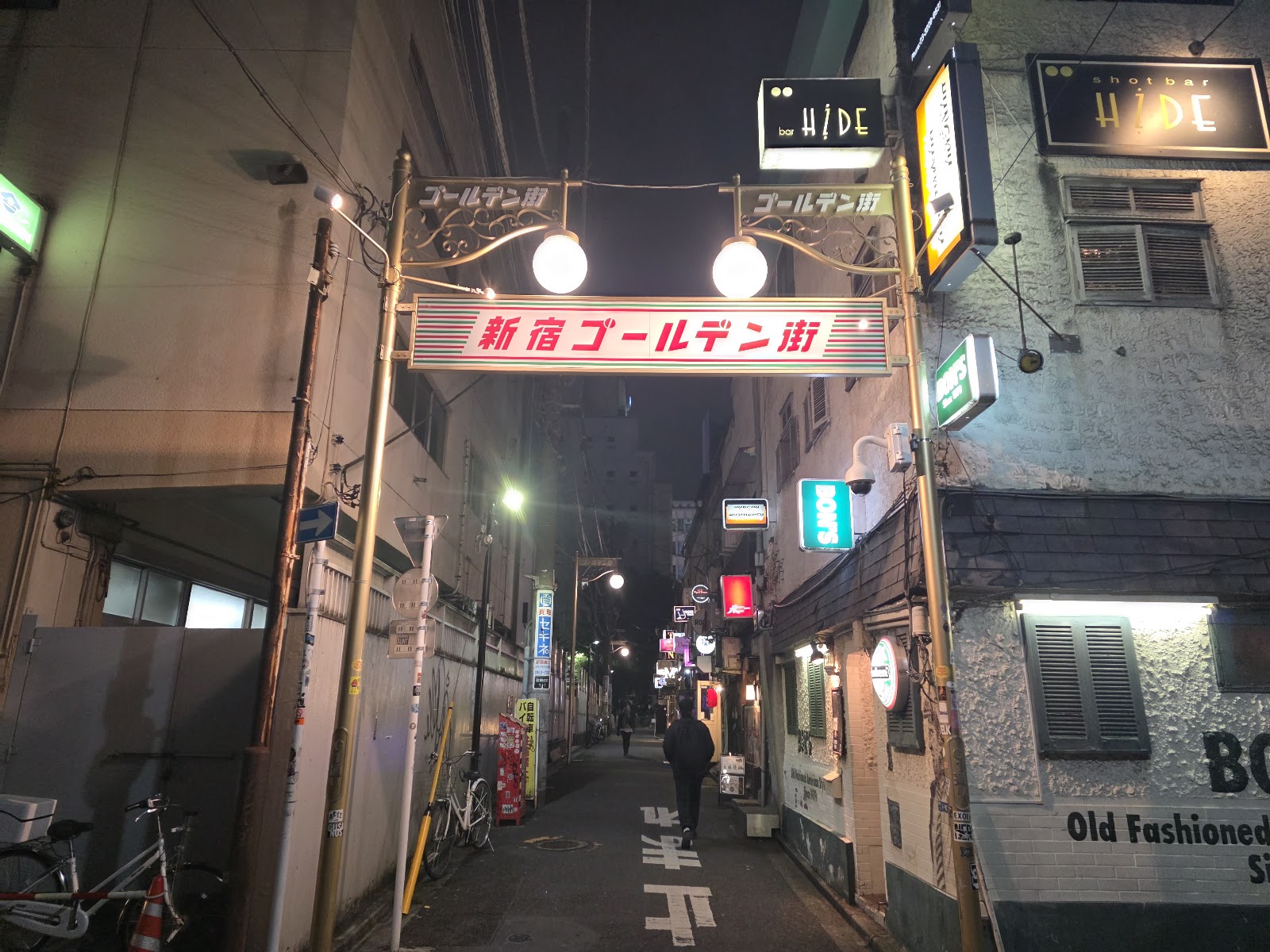
Disappear Into the Back Alleys of Golden Gai at Midnight
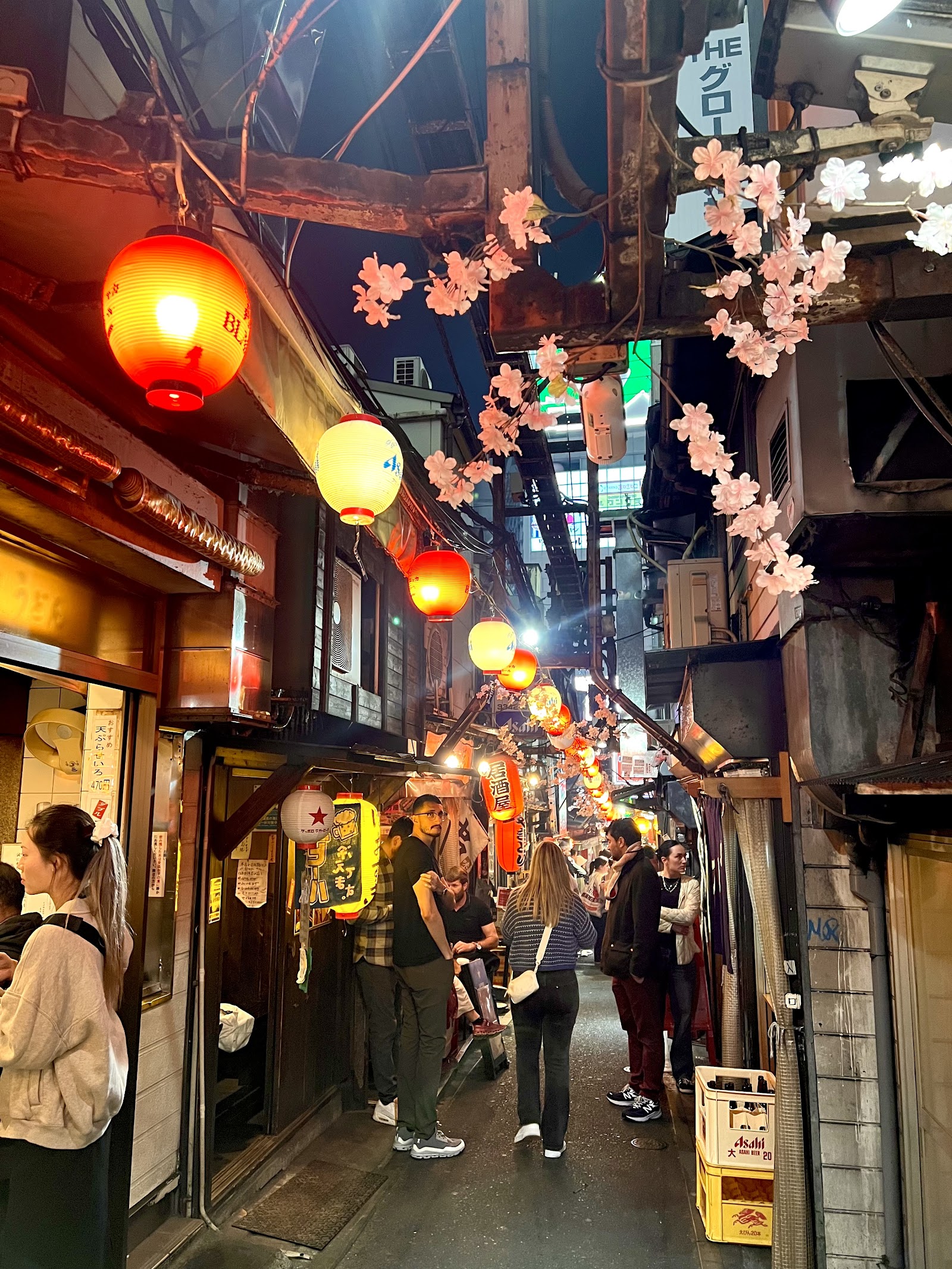
Shinjuku's Golden Gai is six narrow alleys crammed with over 200 bars, most seating fewer than eight people — and this is where Tokyo's creative class actually drinks. Skip the ones with English menus out front and instead duck into Albatross for its three-story candlelit interior, or find the unmarked vinyl-only jazz bar on the second alley whose owner was a session musician in the 1970s. This isn't bottle-service luxury; it's the kind of raw, intimate encounter with a city that no palace hotel concierge will arrange for you.
4
Commission a Bespoke Knife at Kappabashi and Watch It Being Made
Most tourists walk through Kappabashi's kitchen street and buy a mass-produced knife — but at Tsubaya or Kama-Asa, you can commission a hand-forged blade made to your grip specifications by a craftsman whose family has been at the anvil for generations. The process takes weeks and they'll ship it to you in a paulownia wood box that feels like receiving a katana. This is the kind of tactile, deeply personal Japanese luxury that no department store can replicate.
5
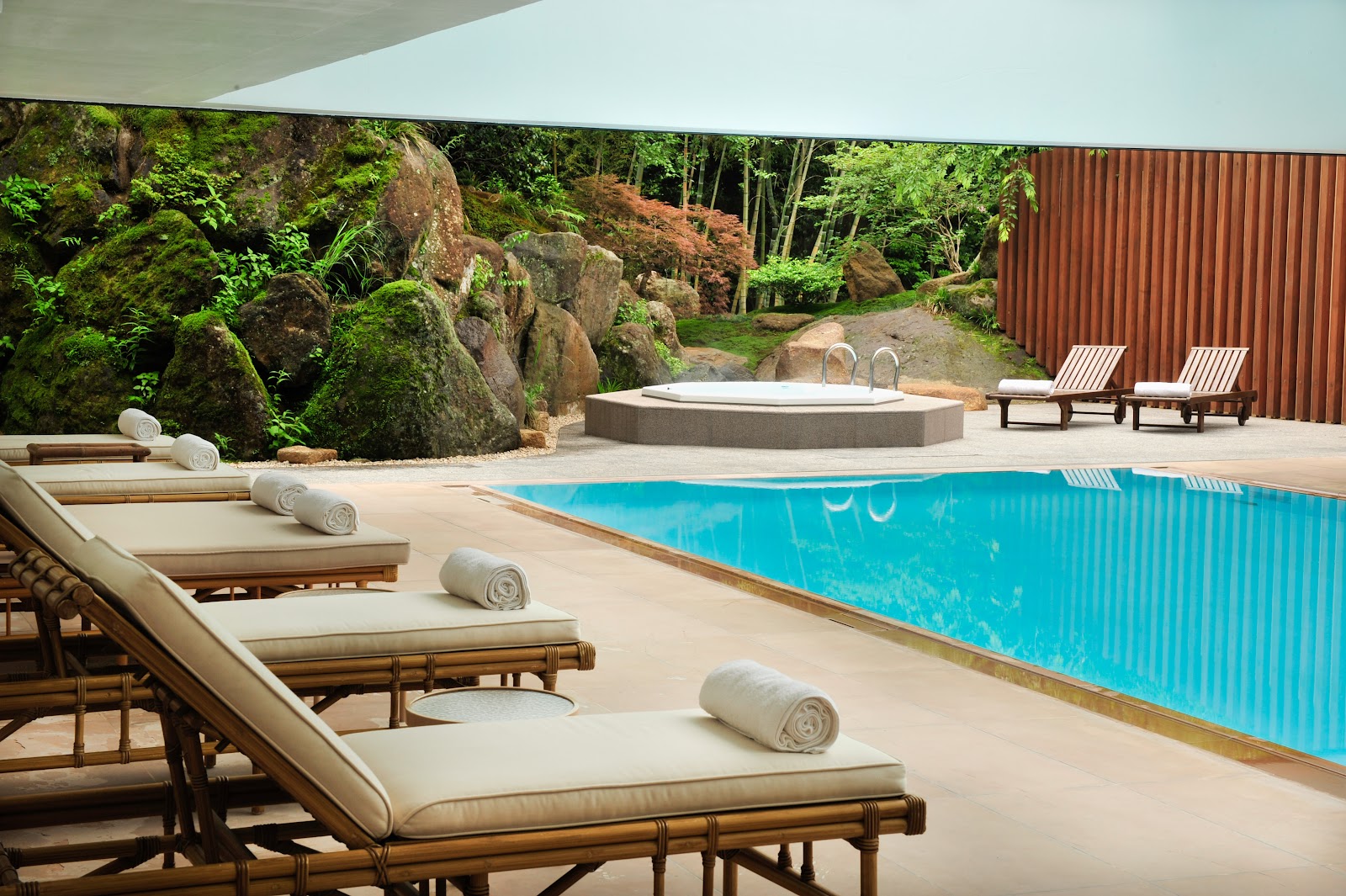
Take the Shinkansen to Hakone for a Private Onsen With a View of Fuji
Gora Kadan, a former imperial summer retreat tucked into Hakone's mountains, offers private open-air onsen baths where you can soak in mineral-rich water while staring at Mount Fuji on a clear morning — and it's only 90 minutes from central Tokyo by Romance Car. Book one of the detached villa rooms with a private rotenburo and kaiseki dinner served in-room, and you'll experience a level of Japanese hospitality that makes even the best ryokan look commercial. Go midweek; weekend visitors from Tokyo dilute the silence.
6
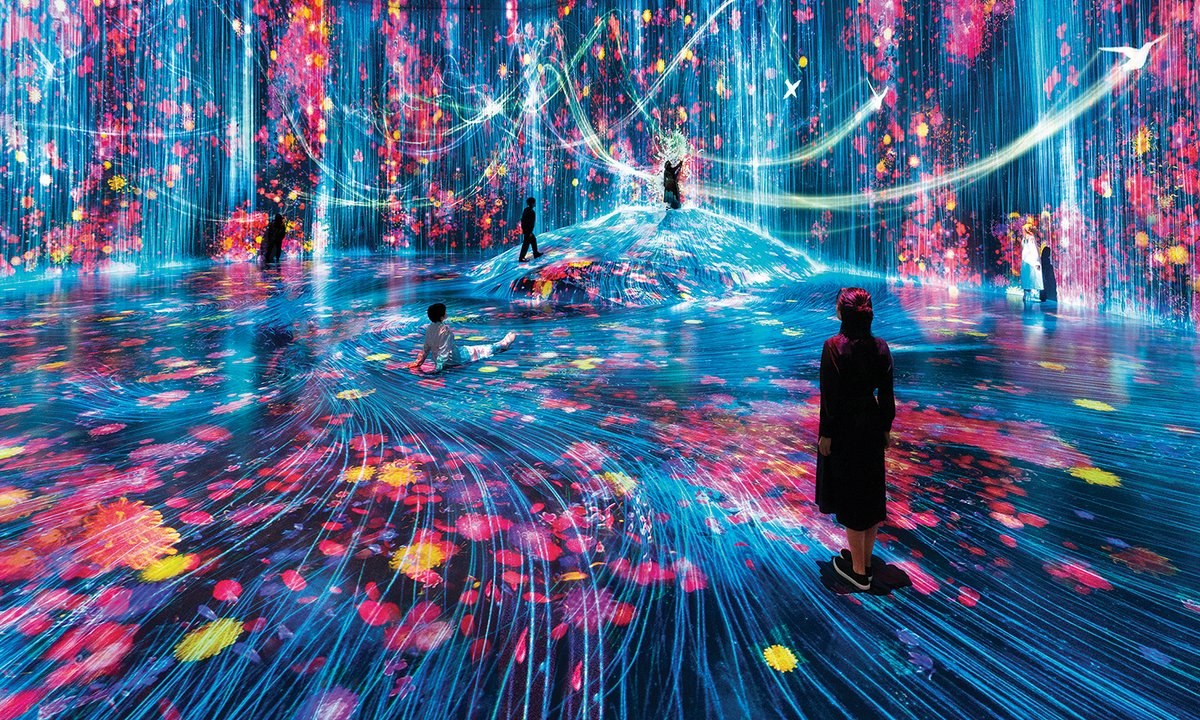
Experience Teamlab Borderless at Dawn, Then Gallery-Hop Through Roppongi's Quiet Side
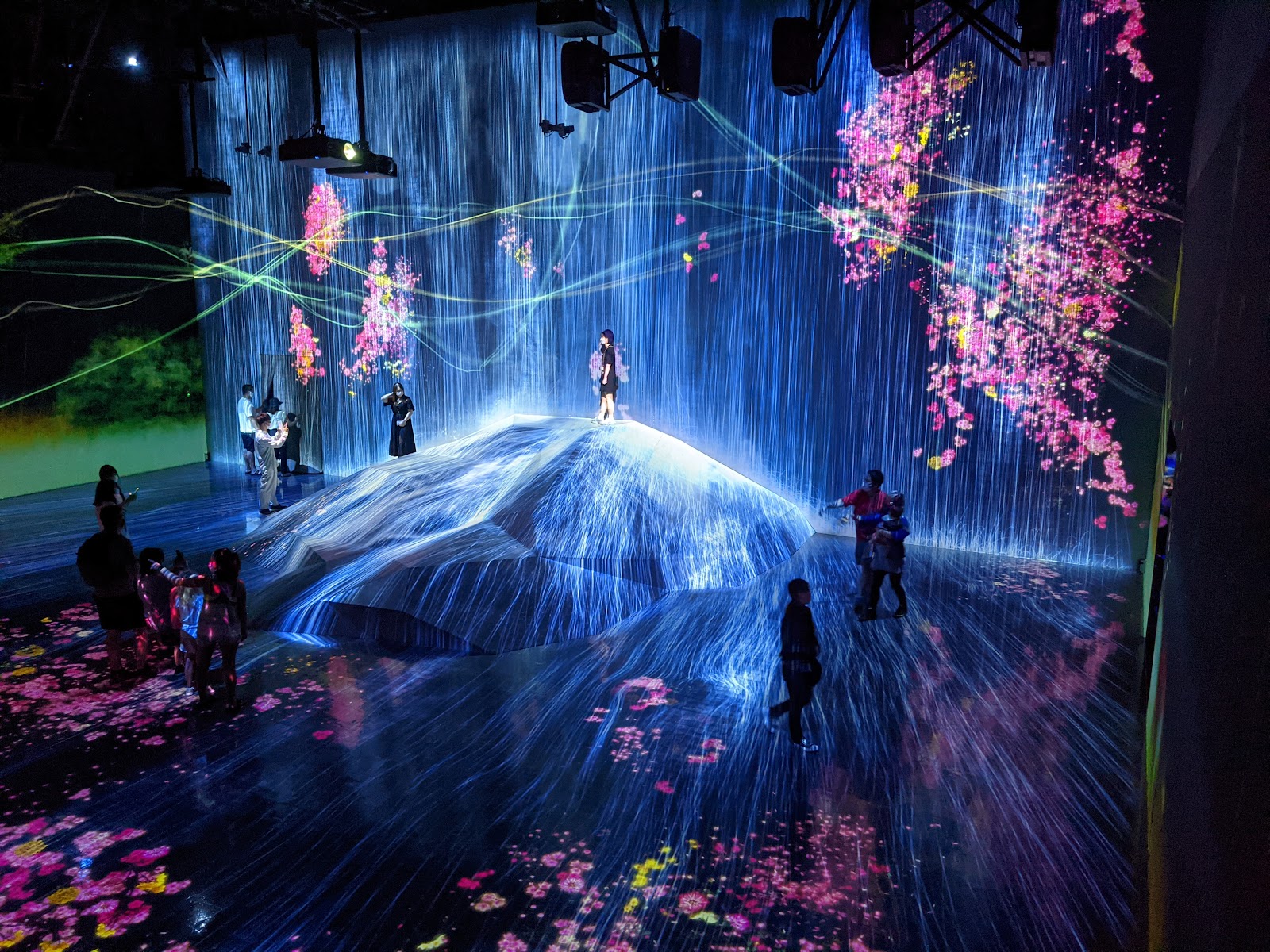
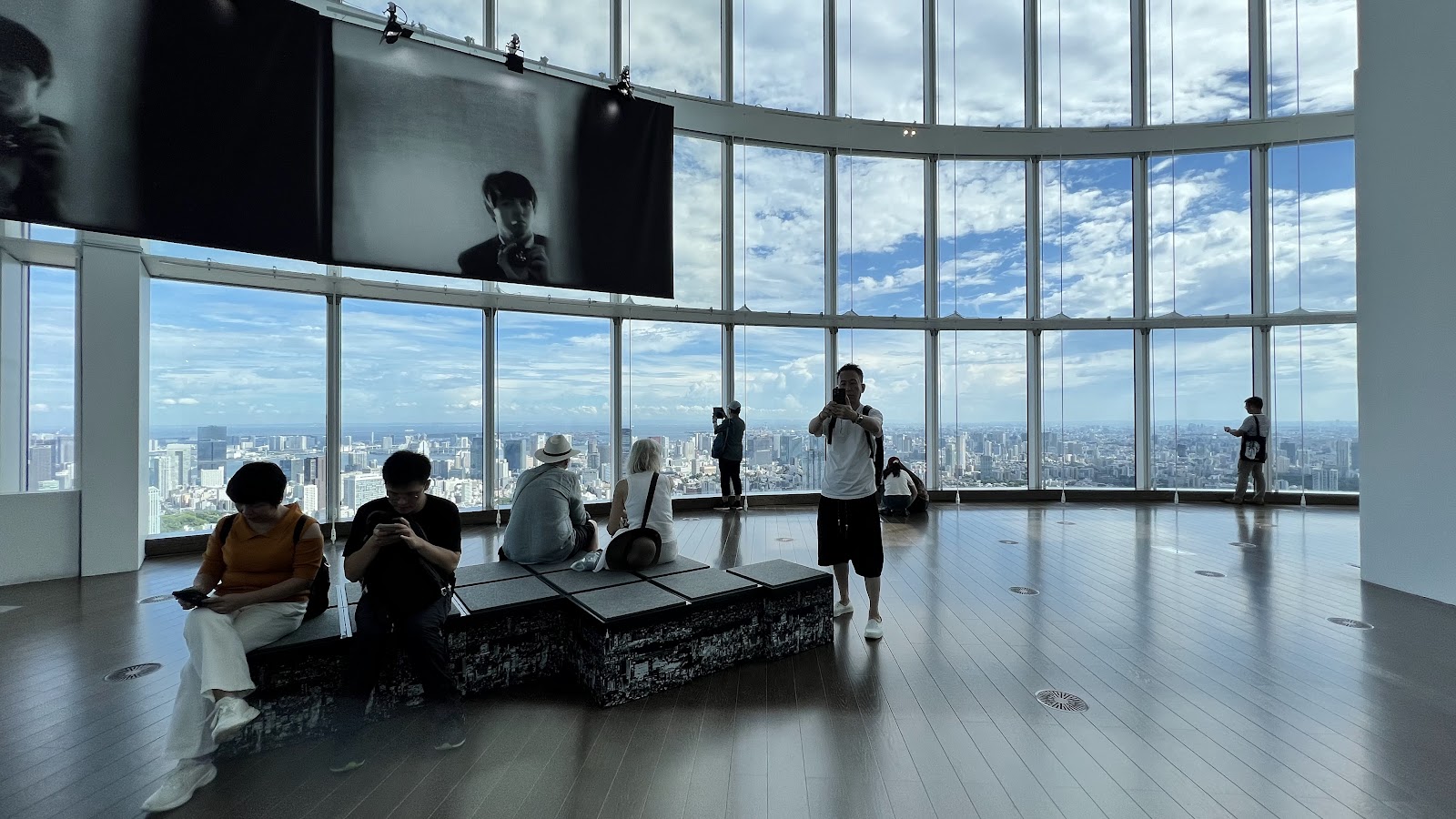
The relocated teamLab Borderless in Azabudai Hills is best experienced in the first entry slot when the space is nearly empty and the immersive digital installations feel genuinely hallucinatory rather than crowded. Afterward, walk to the Mori Art Museum for whatever exhibition they're running — their curation rivals anything at the Tate — then slip into Perrotin or Kaikai Kiki galleries in Roppongi for contemporary pieces you can actually acquire. Tokyo's art world operates with less pretension and more surprise than any European capital.
When to Go Show ↓
Peak Season
Late March to mid-April (cherry blossom season) and October to November (autumn foliage)
Cherry blossom season is genuinely magical and worth every bit of the hype — the canopy over Meguro River and the Imperial Palace moat will stop you mid-stride — but hotel rates double and top restaurants book out months ahead. Autumn is arguably the more sophisticated play: the maple leaves in Rikugien Garden are breathtaking, the air is crisp, and the city feels energized without the spring frenzy. Book both periods at least four months out, and have your concierge secure restaurant reservations before you even confirm flights.
🌴
Shoulder Season
May to June (before the rains) and September
May is Tokyo at its most elegant — warm days, low humidity, and the wisteria at Kameido Tenjin Shrine is quietly spectacular without the blossom-chasing hordes. September brings a beautiful late-summer energy and surprisingly good availability at top tables like Den and Florilège. The smart luxury traveler books these windows and gets the city almost to themselves.
Plan your trip to Tokyo-Haneda, Japan