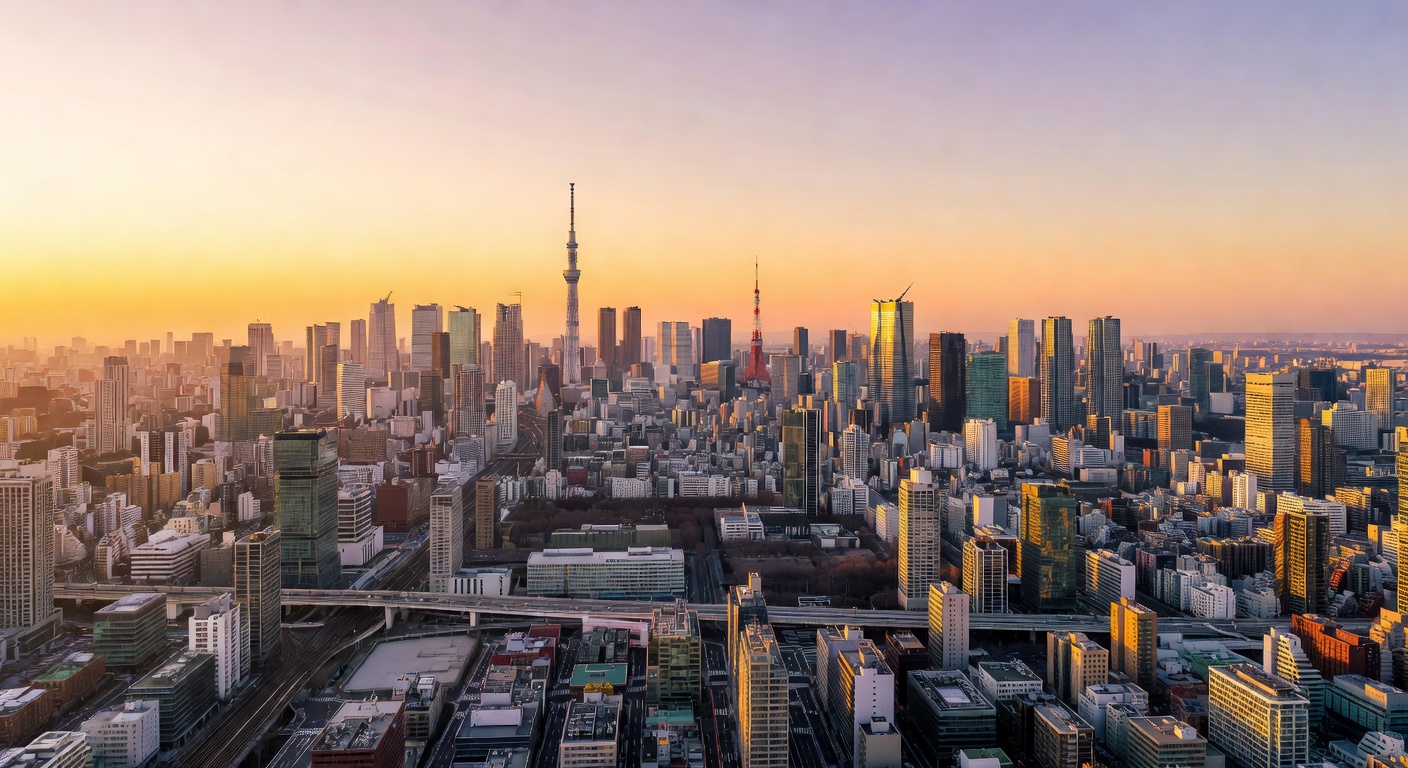
Tokyo · Japan
Tokyo has several large public onsen facilities with natural hot-spring water pumped in from outside the city. Expect a straightforward, no-frills Japanese bathing routine: wash thoroughly at the stool-and-bucket stations before entering the baths, stay quiet, and keep towels out of the water. Most places have indoor pools of varying temperatures, outdoor rotenburo when weather allows, saunas, and basic rest areas with vending machines. Mixed-gender bathing is extremely rare; almost everything is strictly separated. It’s a relaxing way to unwind after sightseeing, but it’s not a social party—people go to soak and leave.
The best time is autumn through early spring, when the contrast between cold air and hot water feels best. Summer works but the outdoor baths can be uncomfortably warm. Expect to pay around $20–45 for a basic 2-hour visit including sauna access; adding massages, meals, or longer stays pushes it toward $60–80. Guided group tours that teach etiquette are available but unnecessary if you read the rules posted in English.
Pick a mid-sized local onsen with good natural water quality and skip anything marketed heavily as a “theme park” or luxury day spa—those often feel crowded and overpriced. One honest tip: bring a small towel from your hotel or buy a cheap one on arrival; rental towels are usually tiny and thin. Go in the late afternoon when crowds thin out after the post-work rush.
Some links are affiliate links — we may earn a commission at no extra cost to you. See our Terms.