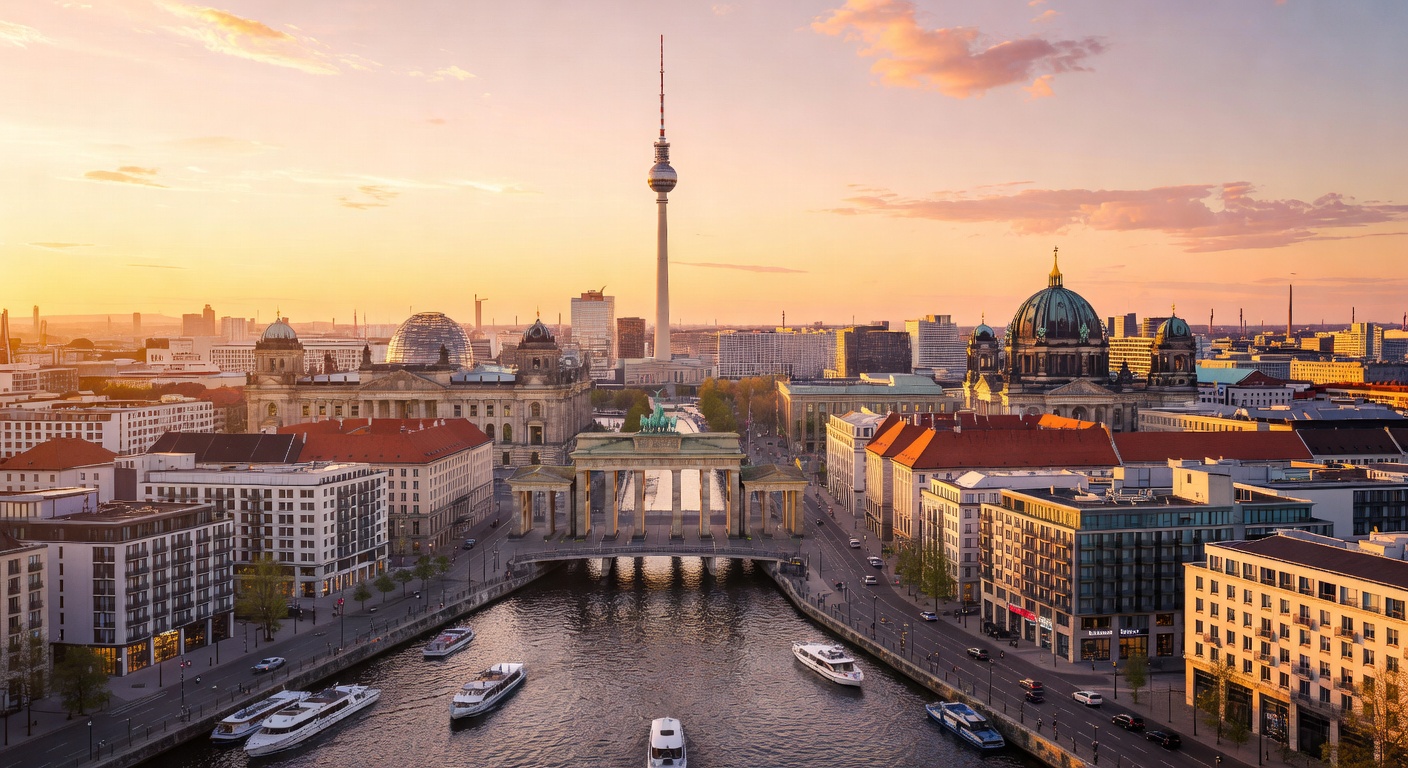
Berlin · Germany
Expect a somber, sobering half-day trip. The camp is about 35 km north of central Berlin; most tours include round-trip transport by bus or train plus a 2.5–3 hour guided walk. You’ll see the main gate, barracks, punishment cells, execution sites, and the remains of the gas chamber and crematorium. The site is largely open-air with uneven ground and little shelter, so weather matters. Guides cover the camp’s grim history from 1936 onward, including its use for political prisoners, Soviet POWs, and medical experiments. It’s heavy material delivered straightforwardly—no one leaves feeling upbeat, but most find it worthwhile for the context it adds to any Berlin visit.
Best time is April–June or September–early October when the weather is mild and crowds are manageable. Summers can be hot and exposed; winters are cold, short days, and sometimes icy underfoot. Expect to pay around €40–65 per person for a small-group English-language tour that includes transport and a knowledgeable guide. Independent visitors can take public transport for under €10 round-trip plus the free site entry, but you’ll miss the narrative that ties everything together.
Tip: choose a morning departure so you’re not rushing at the end—afternoon tours sometimes feel hurried. Skip the big coach tours with 40+ people; smaller groups (under 15) let you actually hear the guide and ask questions. Bring water, wear comfortable shoes, and don’t plan anything cheerful immediately afterward.
Some links are affiliate links — we may earn a commission at no extra cost to you. See our Terms.