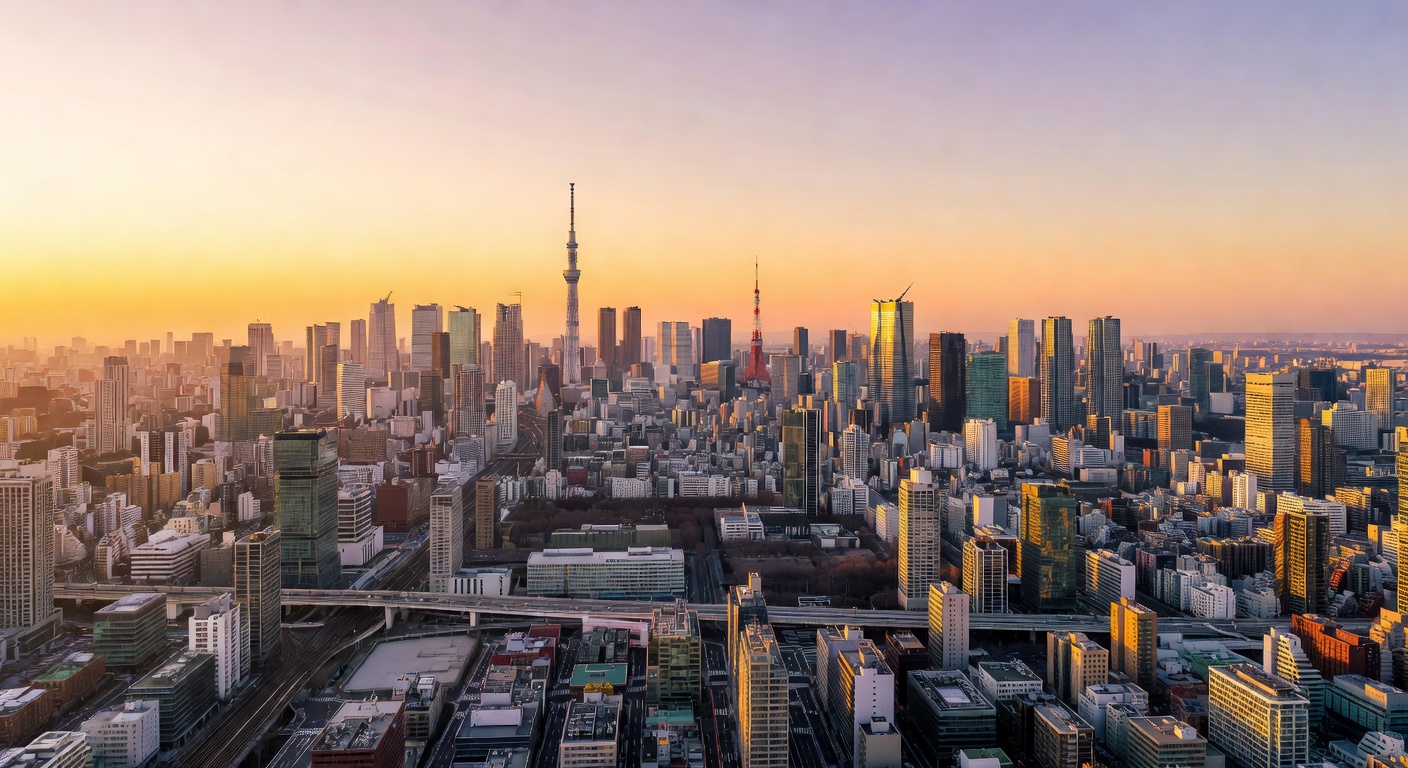
Tokyo · Japan
Expect a fast-paced 2–3 hour walk centered on the famous scramble crossing. A local guide will explain the organized chaos, nearby history, and how to navigate the crowds without getting flattened. You’ll usually cross a few times, visit the Hachiko statue, pop into a couple of backstreets, and see spots like Miyashita Park or a quiet shrine most tourists miss. It’s not relaxing—Shibuya is loud and packed—but it’s genuinely useful if you want context instead of just taking selfies in the scrum.
Best time is weekday evenings between 5–8 pm when the lights are on and the crossing hits peak energy without weekend tourist overload. Spring (late March–April) and autumn (October–November) give comfortable temperatures; summer is sweaty and winter can be cold and dark by 5 pm. Expect to pay around $30–70 per person for a small-group walking tour. Private tours for two or more push closer to $90–150 total.
Pick the standard Shibuya-focused walk that includes the crossing and a few hidden corners; skip anything that adds a long pub crawl or distant neighborhoods—you’ll be tired. One honest tip: wear comfortable shoes and keep your phone in a front pocket—pickpockets work the crossing too.
Some links are affiliate links — we may earn a commission at no extra cost to you. See our Terms.