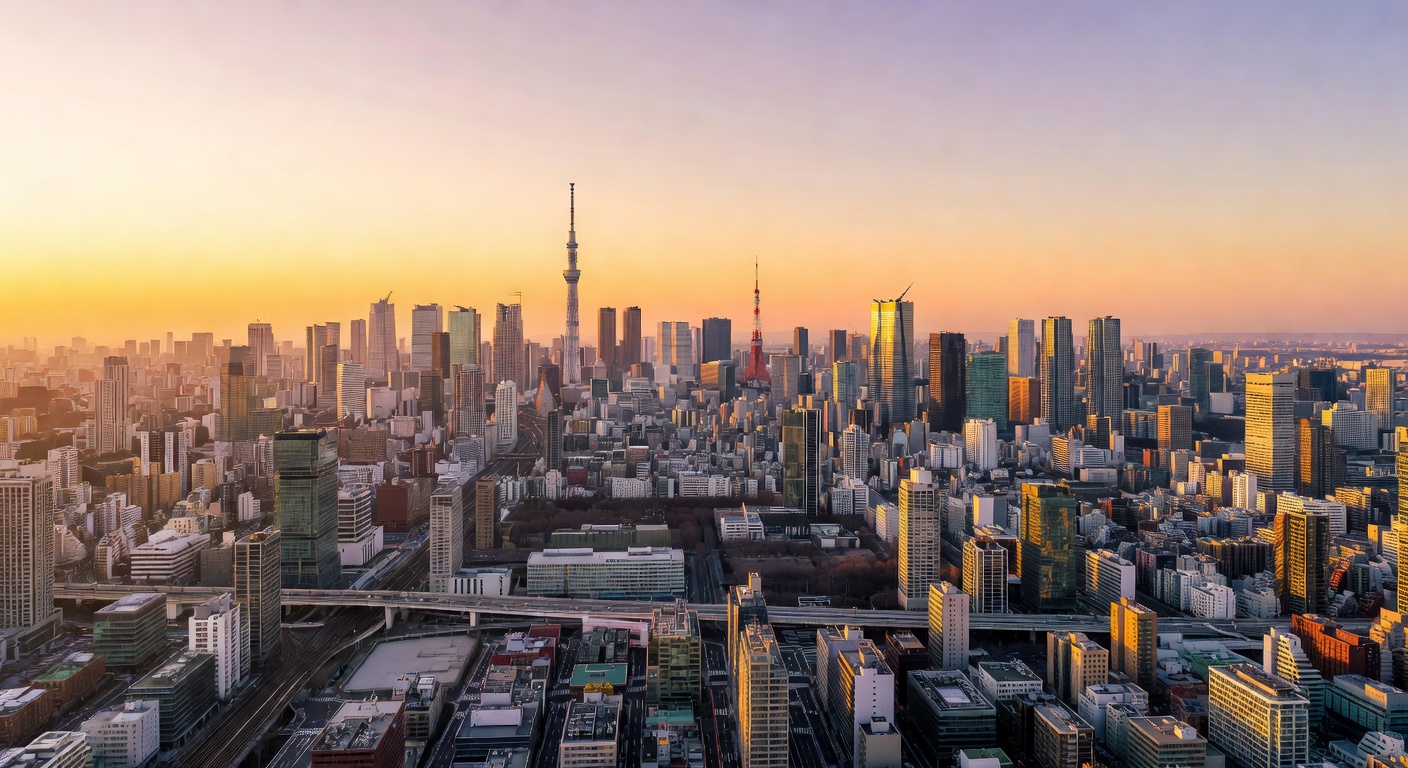
Tokyo · Japan
Expect to sit on the floor in a small, spartan stable watching 15–25 rikishi go through their morning routine: endless shiko (stomping), squats, pushing drills, and grappling. It’s intense, repetitive, and surprisingly loud. The wrestlers train hard; you’ll see sweat fly and hear the slap of flesh on flesh. Sessions last roughly 90 minutes to two hours. Some tours add a short Q&A with a retired wrestler or reporter and a quick photo opportunity with the younger rikishi afterward. It feels authentic but not private — you’ll be one of 15–30 visitors squeezed along the wall.
Best time is January, May, or September when the wrestlers are at peak intensity right before a tournament. Avoid the weeks immediately after a basho when many stables are half-empty or on reduced training. Expect to pay around $80–$140 per person depending on whether it includes breakfast, transport, or an English-speaking guide. Tours near Skytree tend to be slightly cheaper and more convenient for most visitors.
Pick the plain “morning practice viewing only” option if you just want the genuine experience. Skip the ones promising long meet-and-greet or chanko-nabe meals unless you’re a big fan — the added time and cost rarely match the value. Get there on time; sumo stables run on military precision and they won’t wait for latecomers.
Some links are affiliate links — we may earn a commission at no extra cost to you. See our Terms.