Culture, Coast & Craft
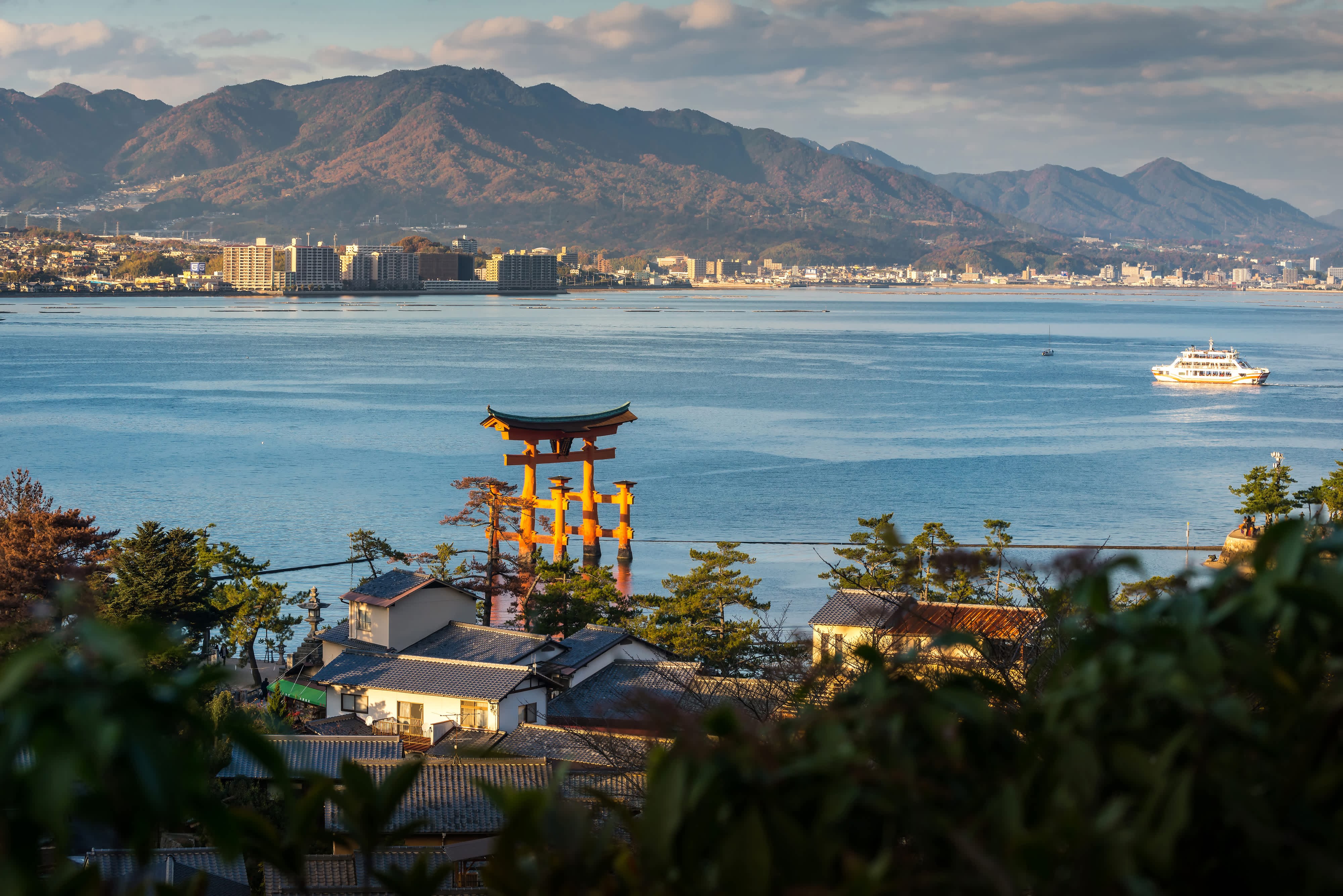
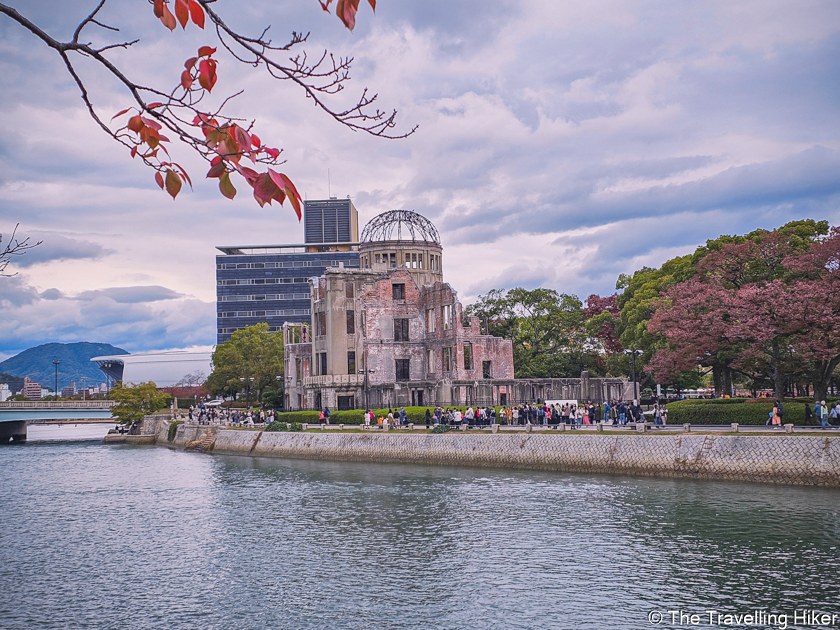
Most visitors to Hiroshima spend a solemn morning at the Peace Memorial, snap a photo of the floating torii on Miyajima, and board the next Shinkansen. That's a mistake. The wider prefecture — its camphor-scented temples, its art-colonized islands, its cobblestoned port towns frozen in the Edo period — rewards anyone willing to stay a few days longer and drive a little further. This is a trip for people who want to eat takoyaki folded by market vendors at dawn, watch synchronized chants rattle a baseball stadium at dusk, and stand on a hilltop as the Inland Sea turns copper at sunset. Here's exactly how to do it.
Fly into Hiroshima Airport (HIJ), which sits about 50 km east of the city center in the green hills of Mihara. Premium economy on most carriers serving HIJ — typically via connections through Tokyo Haneda or Osaka Kansai — gets you a wider seat, better meal service, and priority baggage, which matters when you land ready to drive. The airport is small, efficient, and blissfully uncrowded compared to Narita or Haneda, so you'll clear arrivals quickly and be behind the wheel within the hour.
Check fares from your home airport →
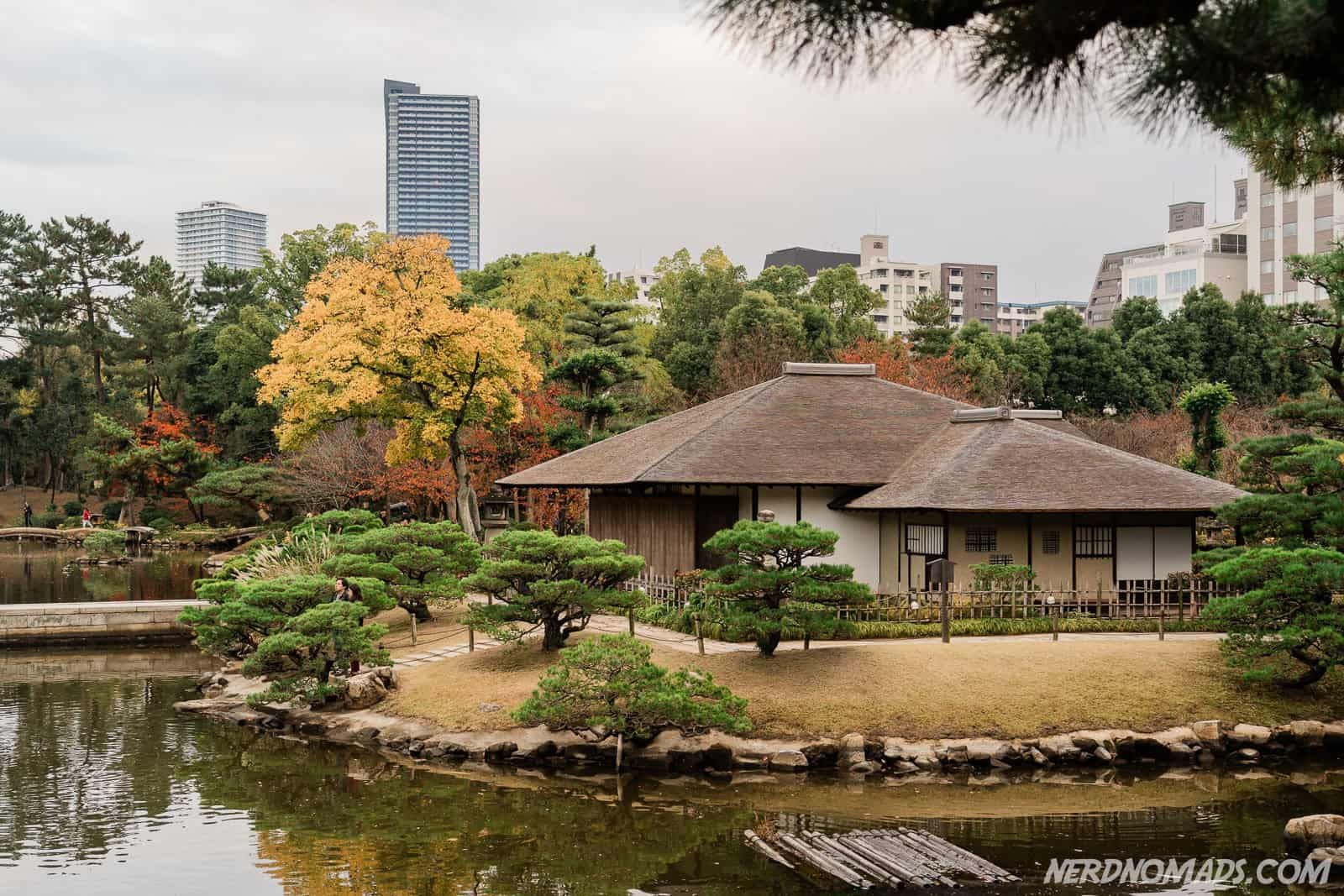
Pick up your rental car at HIJ and drive the 45-minute route into central Hiroshima. Drop your bags and head to Sanuki-an Tea House & Tea Ceremony (~$30–$50 per person, verify when booking), a traditional machiya where a host walks small groups through the philosophy of wabi-sabi, seasonal whisk choices, and the quiet discipline of matcha preparation. It's an unhurried start that recalibrates your internal clock.
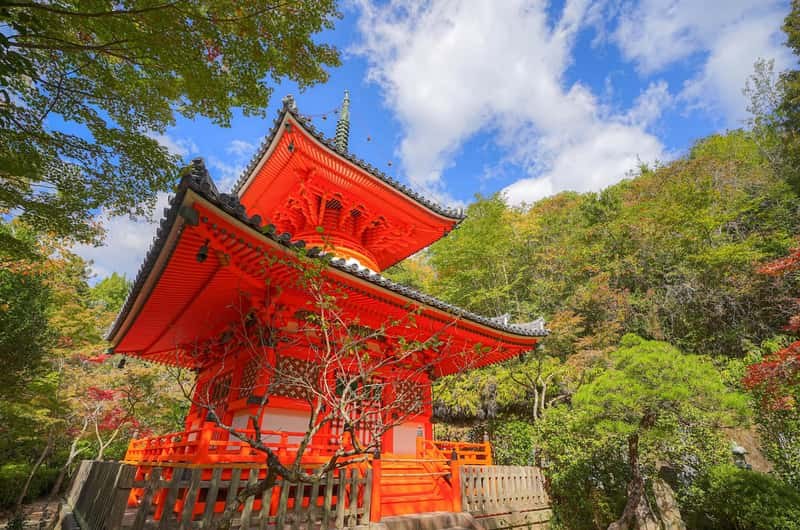
Spend the afternoon at Hiroshima Museum of Art (~$10–$15 admission, verify when booking), whose curated collection of 20th-century modernism and rotating Japanese contemporary exhibitions rewards a slow visit. Then walk to Mitaki Temple & Waterfall Hike, a mountainside sanctuary named for its three waterfalls. The trail is short but steep, shaded by old-growth cedar, and the vermilion tea house near the upper falls is worth the climb.
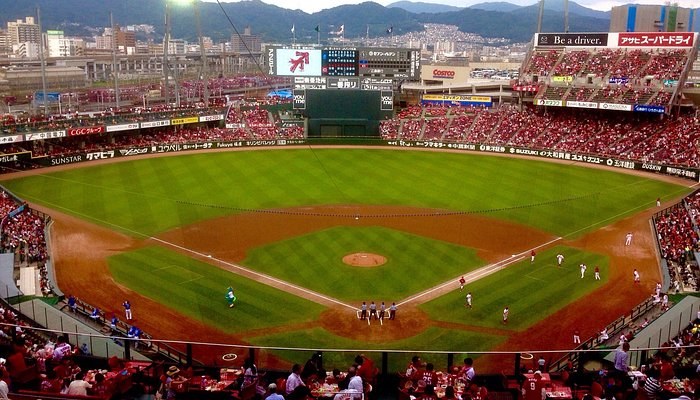
Evening belongs to the Hiroshima Carp Stadium Supper Club at Mazda Stadium (~$40–$80 for ticket and food, verify when booking). This isn't passive spectating: locals perform synchronized chants, vendors circulate with beer kegs strapped to their backs, and fireworks punctuate big innings. Order yakitori and edamame from roaming sellers and surrender to the noise. It's one of Japan's most electric live-sport experiences.
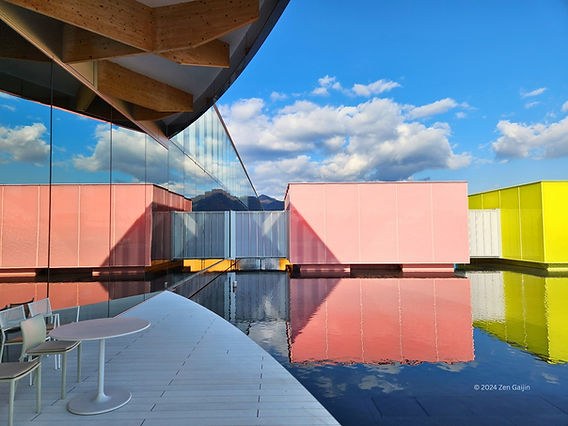
Drive to Mihara or Onomichi and catch a ferry to Naoshima for Island Hopping: Naoshima & Benesse Art Houses (~$20–$30 ferry round trip, ~$15–$25 museum admissions each, verify when booking). The Benesse Art Site spans Naoshima, Teshima, and Inujima, with site-specific installations by James Turrell, Tadao Ando, and Yayoi Kusama set against rice paddies and fishing harbors. Budget a full day: the Chichu Art Museum alone deserves two hours. Lunch at one of the island's small cafés — grilled sea bream, local citrus — is modest in price (~$12–$20) and exceptional in quality.
Return to the mainland by late afternoon and drive to Mayuyama Lookout for sunset. The panoramic hilltop transforms Hiroshima's urban grid, the Inland Sea, and its scattered islands into layered bands of gold and indigo. Bring a can of local craft beer from a convenience store and stay until the light is gone.
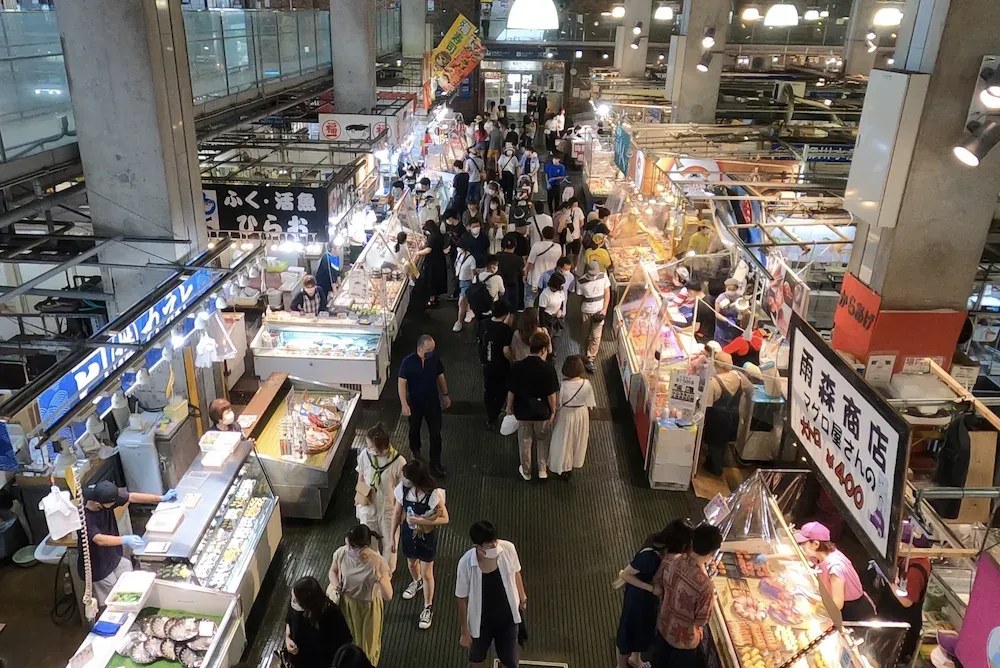
Rise early for Aburatsubo Seafood Market & Takoyaki Experience (~$5–$15 for food, verify when booking). Join vendors as they fold freshly selected octopus into sizzling takoyaki batter, or simply eat ultra-fresh sashimi standing at the counter — the kind of morning that makes you resent hotel breakfast buffets forever.
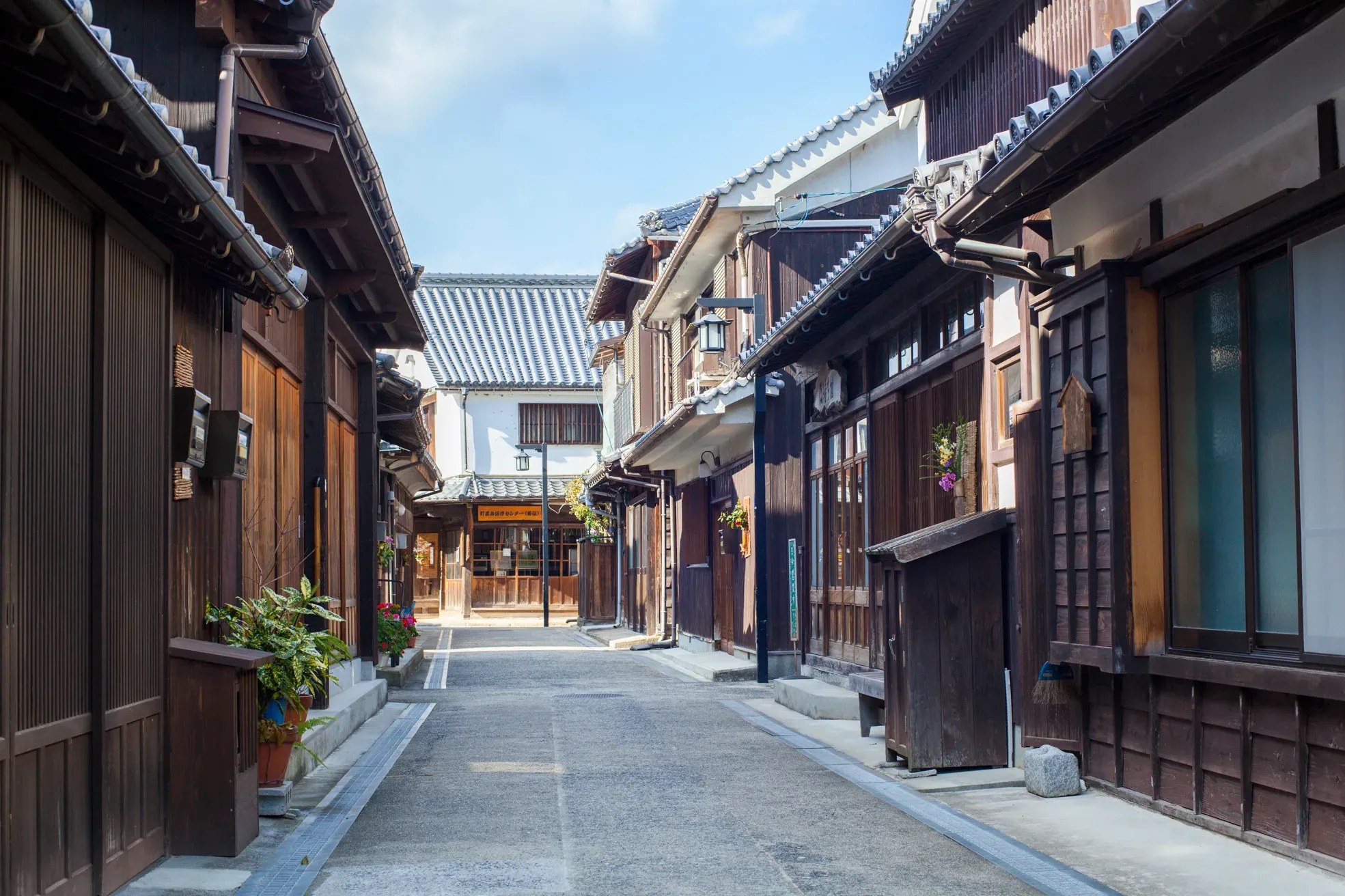
Drive southeast to Mitarai Historical Village, a preserved Edo-period port town on Osaki-Shimojima island, connected by bridge. Intact merchant houses line narrow cobblestone streets, and a working shipyard still operates at the harbor's edge. It's a living museum of maritime trade, quiet on weekdays, with no admission fee.
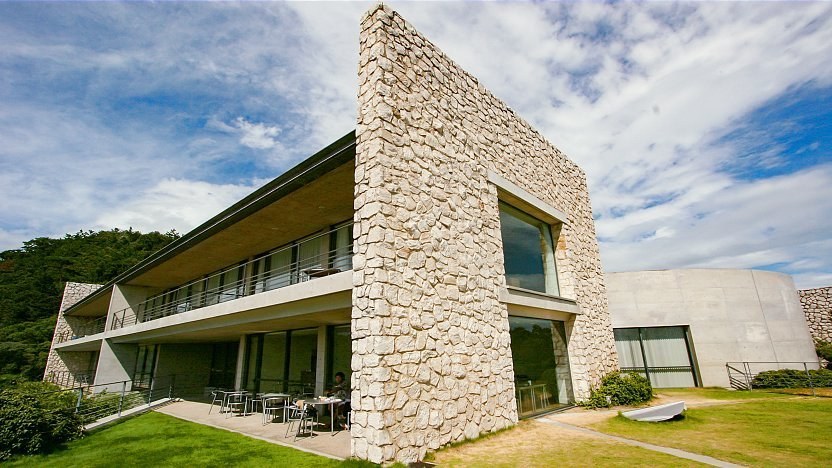
On the return, follow the Hiroshima Buddhist Art Ceramics Trail through workshops where craftsmen build ornate Hiroshima Butsudan altars — centuries-old objects of Buddhist devotion lacquered, gilded, and assembled by hand. Several studios welcome visitors (~$0–$10, verify when booking). Pair this with a stop at Sanden Bijutsu Museum (~$15–$25 admission, verify when booking), whose sprawling grounds house an enormous collection spanning mammals, birds, and reptiles — a genuine surprise in scale and ambition.
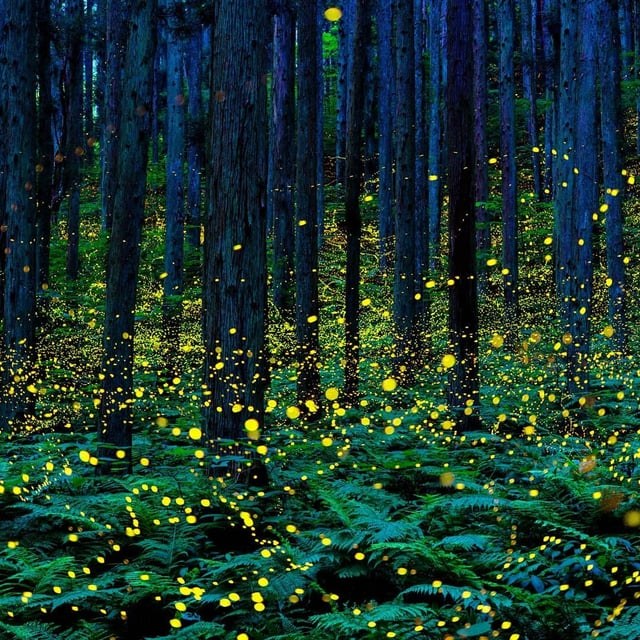
If you're traveling in June or July, drive north to Hiroshima-ken Fureai Park in Shobara for firefly season (~$5–$15 campsite fee, verify when booking). The park sits along the clear Takeji River, and after dark, thousands of fireflies pulse above the water in silence. It's transcendent. During the day, the park offers nature walks, swimming, and fishing.
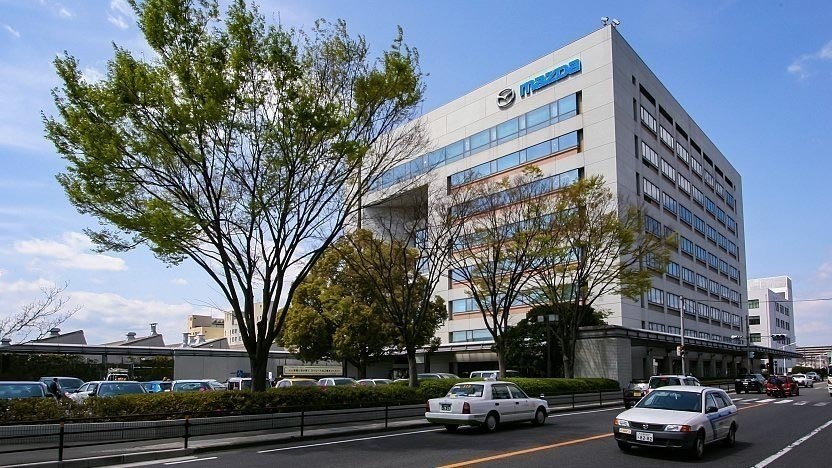
On the way back toward HIJ, book a morning slot at the Mazda Museum (~free, reservations required, verify when booking) for a 120-minute guided tour through a century of automotive manufacturing — from rotary engines to the current assembly line. Morning tours are conducted in Japanese, but English audio guides are available. Even non-car-enthusiasts find the scale of the production floor mesmerizing.
Hotel Granvia Hiroshima (~$150–$250/night, verify when booking) sits directly above JR Hiroshima Station with polished service and excellent transit access. RIHGA Royal Hotel Hiroshima (~$130–$220/night, verify when booking) anchors the downtown core with larger rooms and a reliable concierge. For something with more design personality, KIRO Hiroshima (~$80–$150/night, verify when booking) delivers a modern, pared-back aesthetic that appeals to younger travelers and design-minded visitors. All three are well-positioned for highway access to the wider prefecture.
Rent a car at HIJ. The prefecture's best experiences — Mitarai, Fureai Park, the ceramics trail — sit well outside public-transit range, and driving the Inland Sea coast is a pleasure in itself. Expect ~$50–$80/day for a compact car with insurance (verify when booking). Roads are excellent, tolls are modest, and parking is abundant outside central Hiroshima.
Skip Golden Week (late April–early May) and Obon (mid-August): prices spike and roads clog. The ideal window is mid-June through early July, when fireflies are active, hydrangeas bloom at Mitaki Temple, and summer heat hasn't yet peaked. Autumn (late October–November) is a strong alternative for foliage and comfortable driving. If you only have two days, cut Day 4 and compress the Naoshima visit — but don't skip the Carp game or the morning market. Those are the experiences that make Hiroshima feel like a place, not a checklist.
| Flights | 2 × $0 | $0 live |
| Hotels | 5 nights × $190 luxury | ~$950 |
| Rental car | 5 days × $80 | ~$400 |
| Excursions | this itinerary, entry → guided | $344–$1,768 |
| Food | 5 days, fine dining | ~$1,000 |
| Trip total | $2,694–$4,118 |
We may earn a commission when you book through these links, at no extra cost to you. Prices and availability are set by each partner.
Cruises that call within reach of Hiroshima — each one opens as a full plan of its own: where to fly in, every port, and what the week runs.

Some links are affiliate links — we may earn a commission at no extra cost to you. See our Terms.