Ancient Egypt Deep Immersion
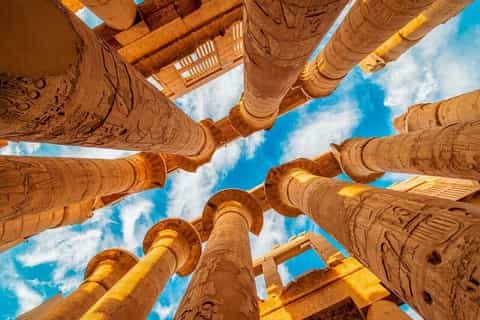
There is a moment — standing in Karnak at first light, when the stone is still cool and the columns throw shadows sixty feet long — when you understand why pharaohs kept building here for two thousand years. Luxor is not a museum. It is a living archaeological landscape that stretches across both banks of the Nile, and the best way to experience it is slowly, with a car at your disposal, a great hotel to return to, and a plan that alternates monumental temples with the quieter, more human side of Upper Egypt: a pottery wheel spinning under your hands, a farmer's kitchen, a felucca gliding through the only lock on the Nile.
This four-day guide is that plan.
Fly into Luxor International Airport (LXR), which receives direct flights from Cairo and seasonal services from several European hubs. Book premium economy — the flight from Cairo is short, but if you're connecting from long-haul, the wider seat and better meal service mean you land in the Nile Valley rested rather than wrecked. Premium economy also typically includes a checked bag generous enough for the sun hat, linen layers, and sturdy walking shoes you'll need on temple floors.
Check fares from your home airport →
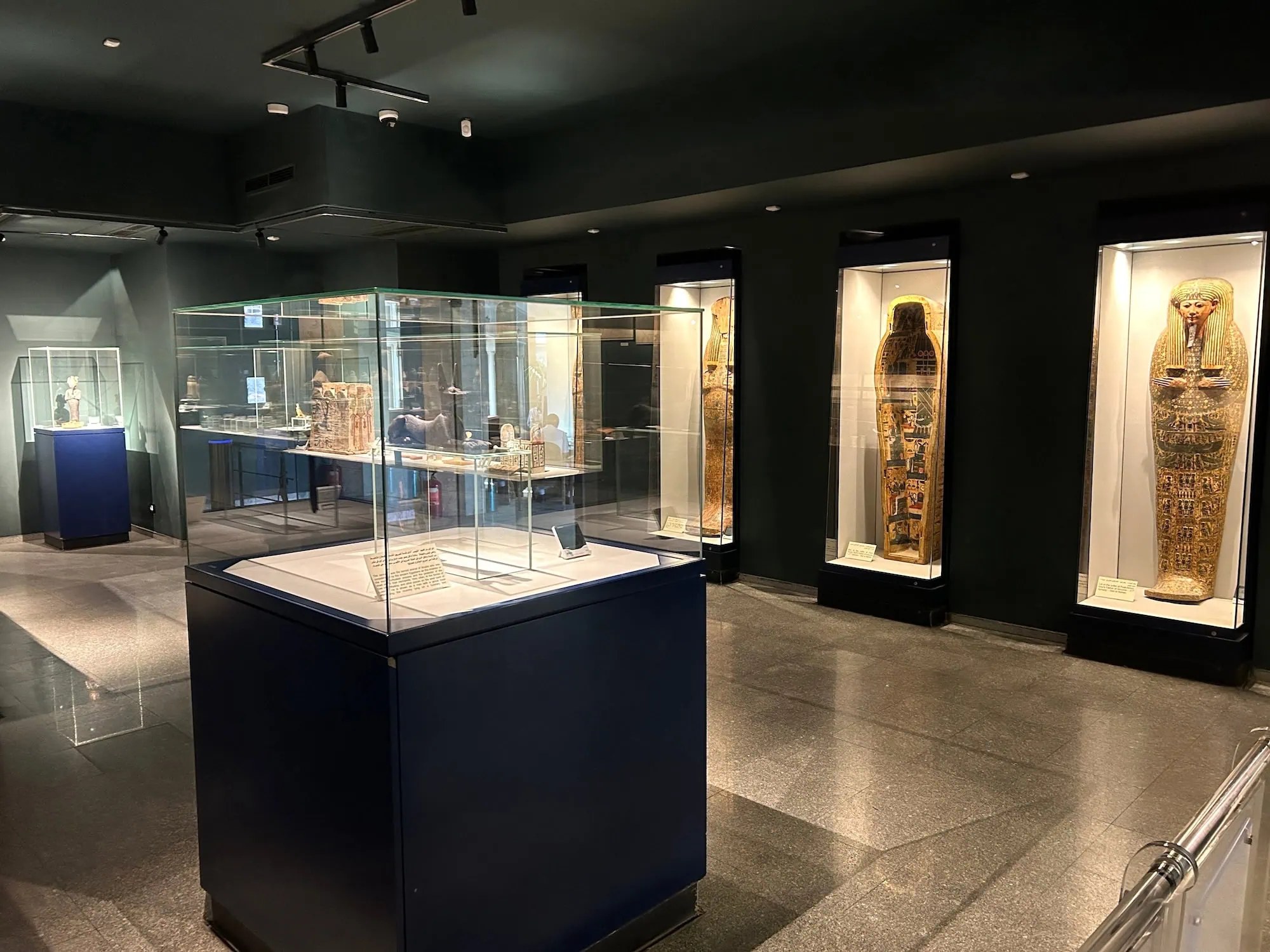
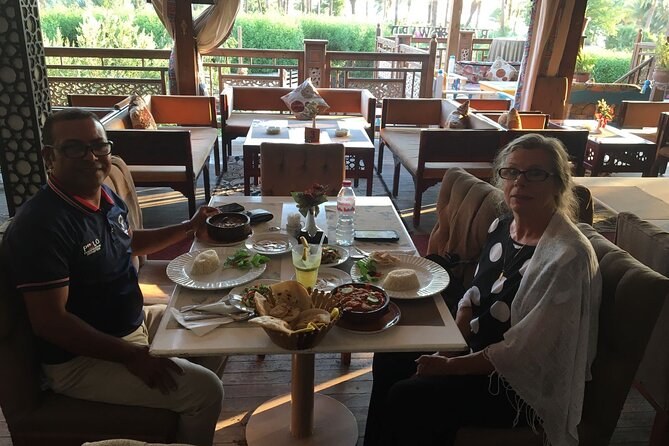
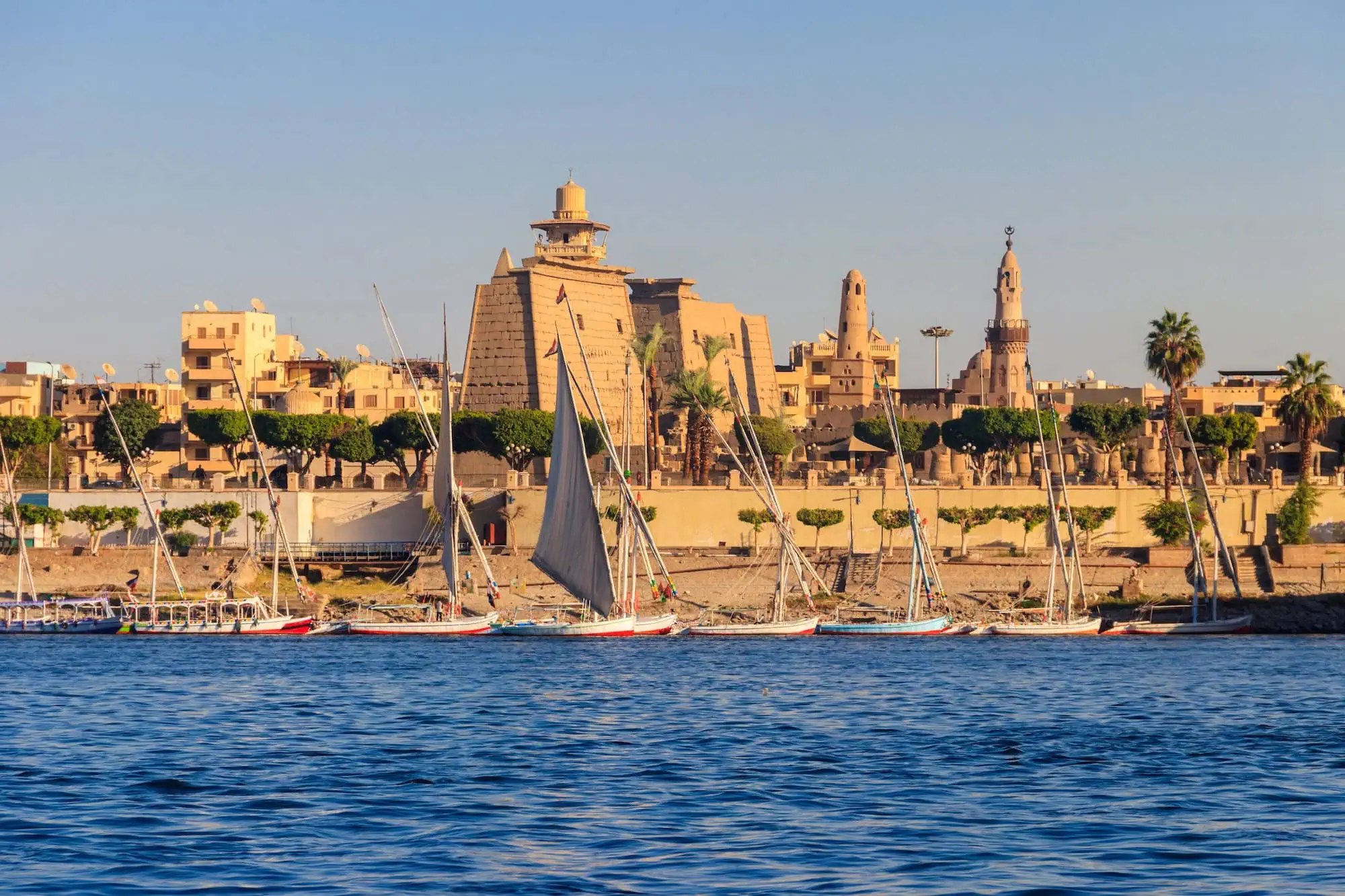
Start on the East Bank. After checking in and a strong Egyptian coffee, head to the Luxor East Bank: Precinct of Opet Temple & Sacred Lake — the Karnak Temple Complex and Luxor Temple, connected by the restored Avenue of Sphinxes. Give Karnak at least two hours; linger at the Hypostyle Hall and the Sacred Lake, where priests once purified themselves before rituals (~$20–$30 entry, verify when booking). In the late afternoon, visit the Royal Mummy Re-display: Luxor's Wrapped Pharaohs Study at the Mummification Museum on the Corniche, opposite Hotel Mercure. The collection of mummified remains, canopic jars, and deity statues is small but riveting — allow 45 minutes (~$10–$15 entry, verify when booking). As night falls, return to Luxor Temple for the Luxor Temple After-Hours Private Tour with Illumination. Walking through Ramesses II's courtyard under floodlights, with virtually no crowds, is one of the most atmospheric experiences in all of Egypt (~$80–$150 for a private guided session, verify when booking). End the evening with a Nubian-Egyptian Fusion Dinner at a Private Riverside Villa — a chef-prepared menu blending Nubian spices and Upper Egyptian staples on a terrace above the Nile (~$90–$140 per person, verify when booking).
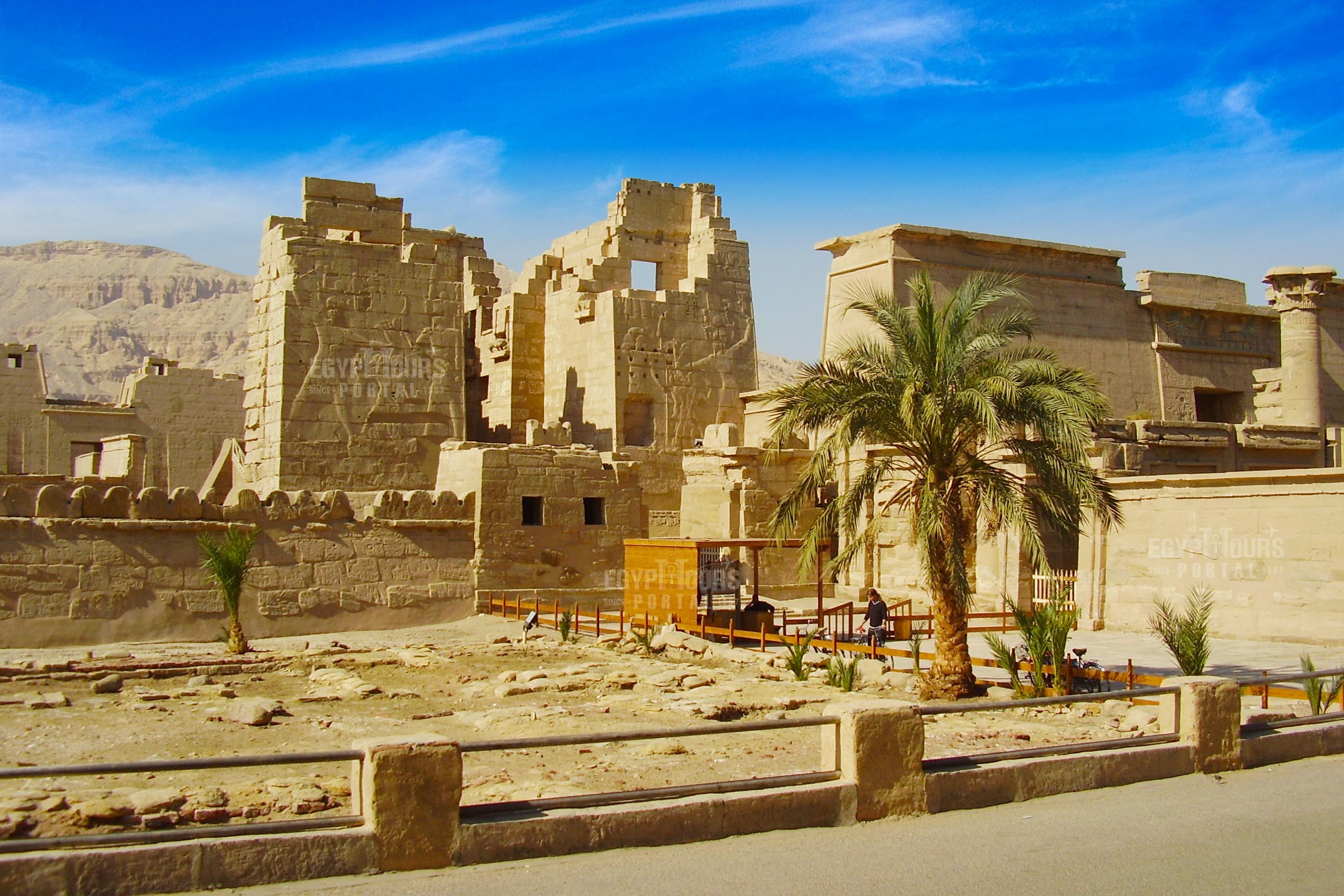
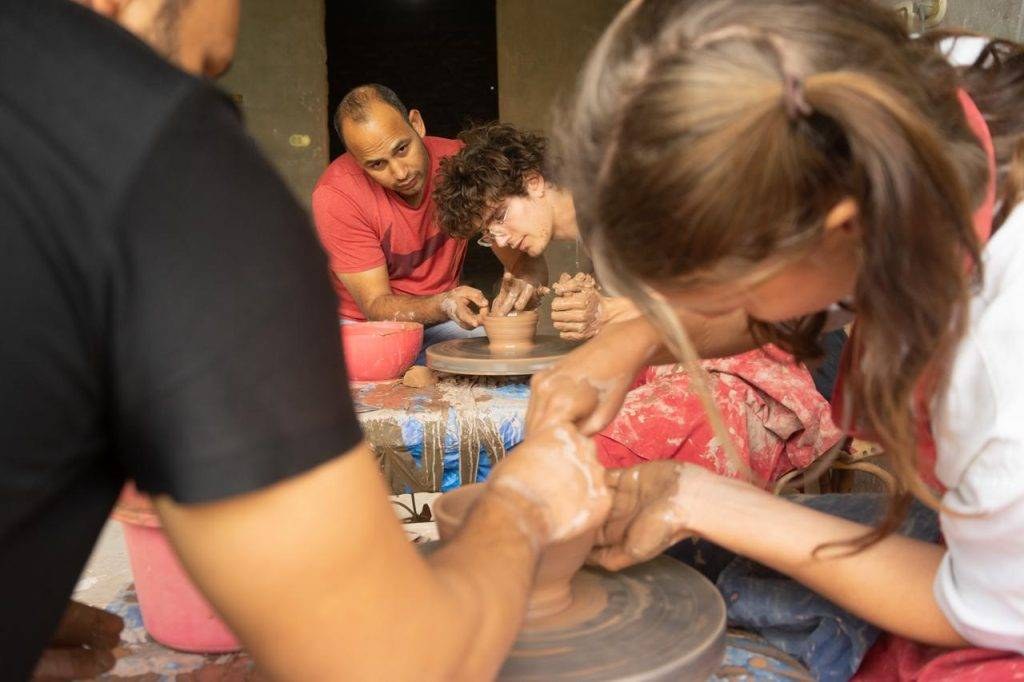
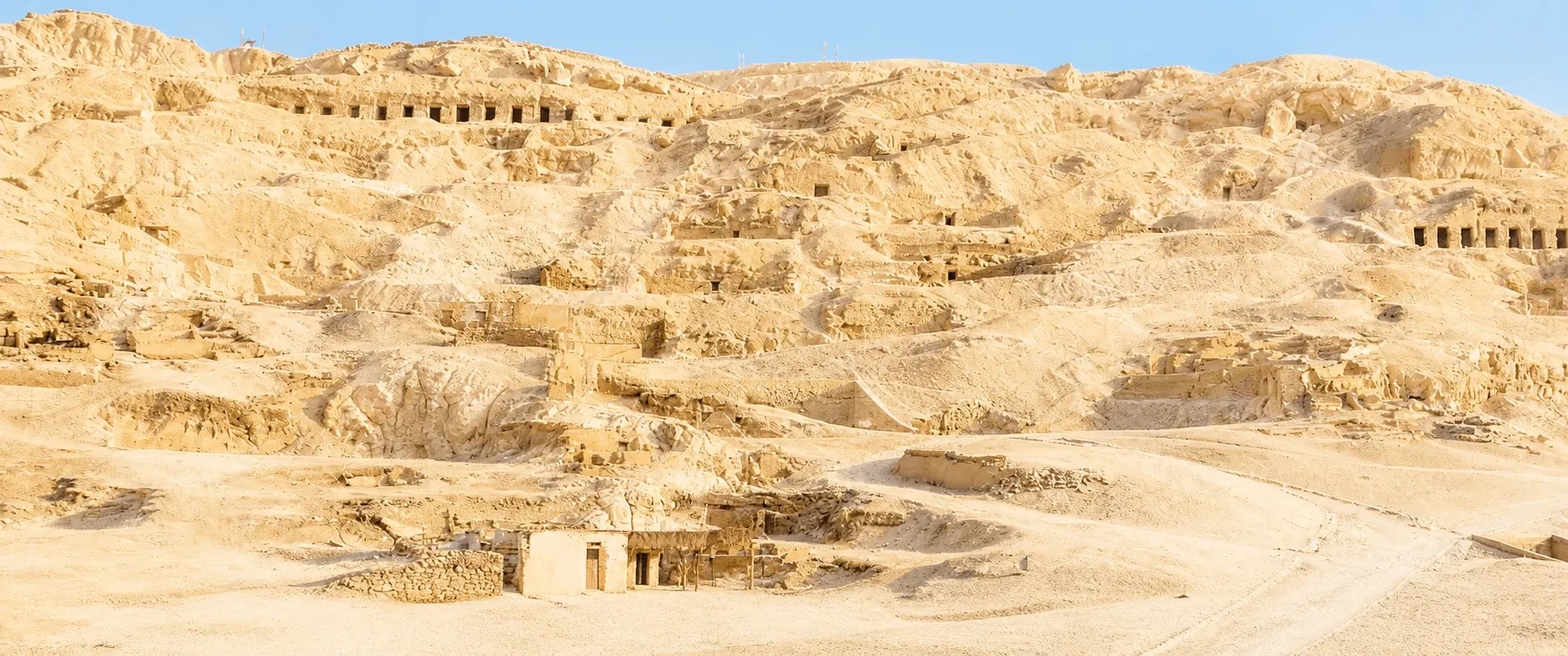
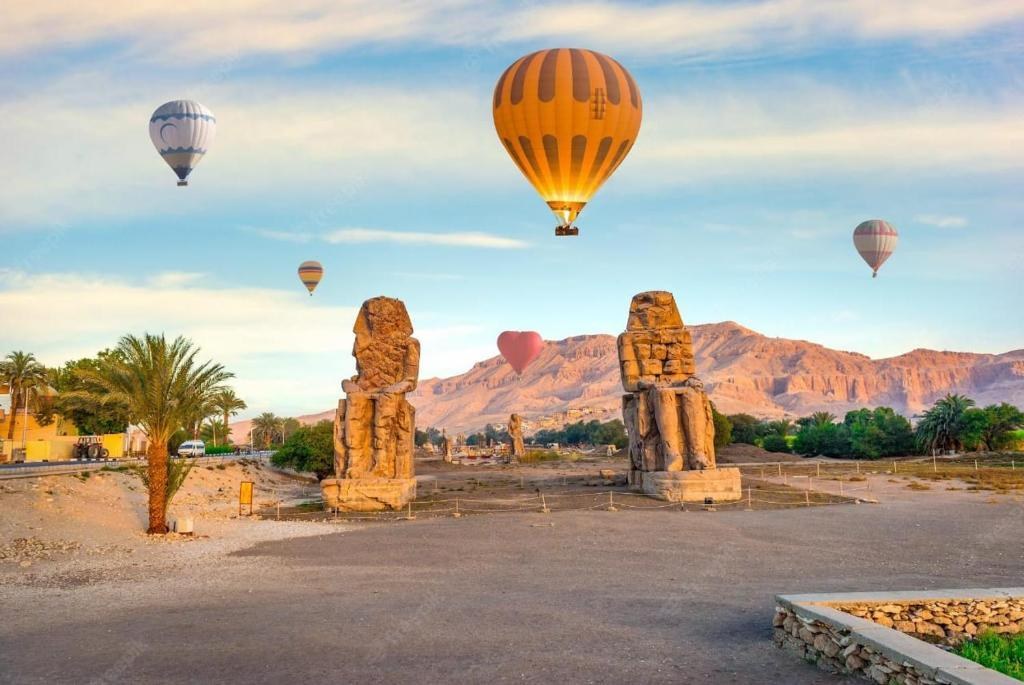
Set your alarm obscenely early. The West Bank Hot Air Balloon Over Archaeological Landscape launches at dawn, and the views — the Valley of the Kings, Hatshepsut's temple, and the green-gold patchwork of sugarcane fields — are worth every lost minute of sleep (~$100–$180 per person, verify when booking). After landing, drive to Madinet Habu: Ramesses III's Mortuary Temple Complex, whose painted reliefs retain startling colour after three millennia (~$10–$15 entry, verify when booking). Next, visit the Valley of the Nobles: Private Tomb Visits with Conservators. Unlike the royal tombs, these intimate chambers show everyday ancient life — farming, feasting, fishing — and a conservator-led visit reveals details you'd otherwise walk past (~$40–$80 for a private conservator guide, verify when booking). After lunch, join a Nile West Bank Agricultural Village Homestay & Cooking Class: spend the afternoon with a farming family, help with baking or harvest, and cook a meal from their own ingredients. It's the kind of experience that resets your sense of place entirely (~$50–$80 per person, verify when booking). Late afternoon, stop by the Luxor Pottery Workshop: Traditional Wheel & Clay near Carter's House. Master artisans guide you through wheel-throwing techniques — a meditative counterpoint to the morning's adrenaline (~$25–$45, verify when booking).
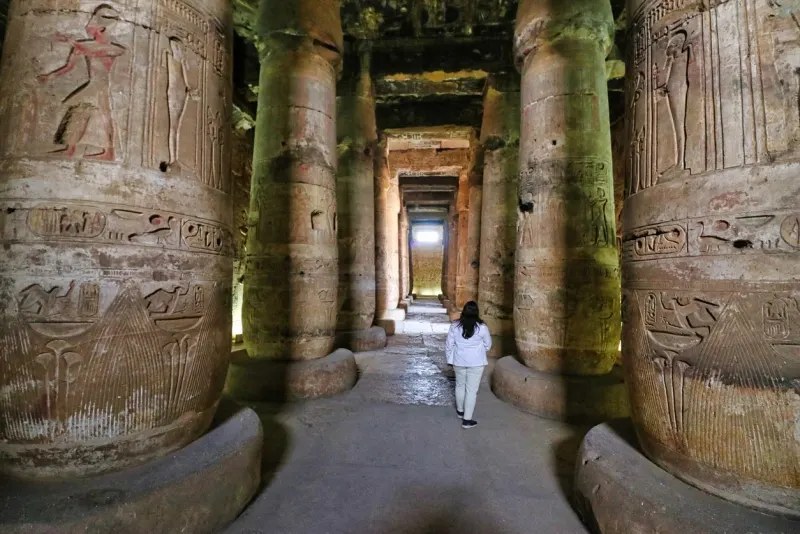
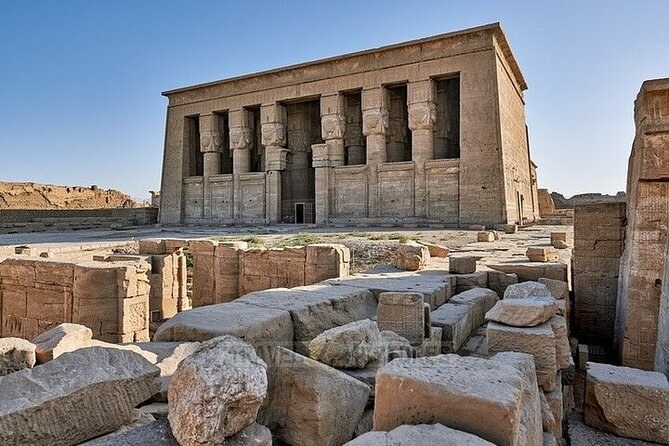
Day-trip day, and you have two magnificent options. Drive north for 40 minutes to the Dendera Temple of Hathor Day Excursion — the Ptolemaic temple whose Hypostyle Hall shelters the famous zodiac ceiling. Dendera is less visited than Karnak, and its preservation is extraordinary (~$15–$20 entry, verify when booking). Alternatively — or additionally, if you start early — drive roughly 2.5 hours north to the Abydos Temple of Seti I: Sacred Osirian Pilgrimage. The limestone reliefs here are among the finest in Egypt, and the mysterious Osireion behind the temple is worth the journey alone (~$15–$20 entry, verify when booking). Budget ~$50–$80 for fuel and tolls for either round trip.
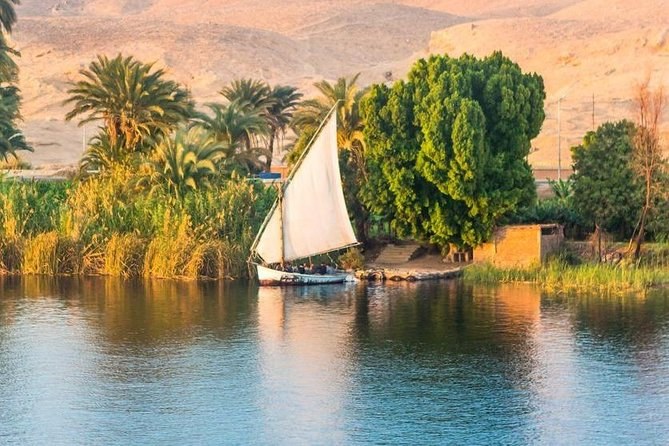
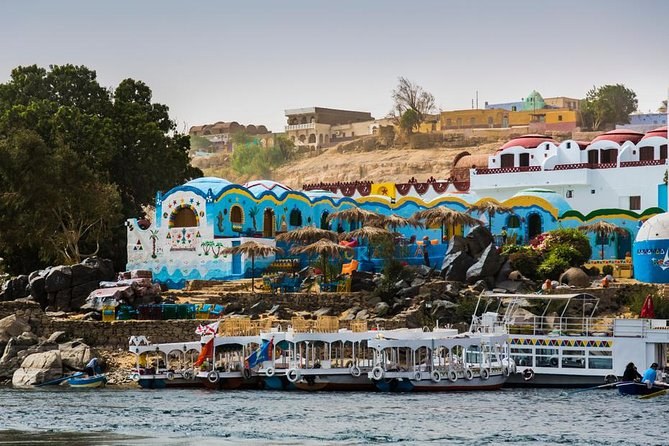
Save the most languid experience for last. Board a felucca for the Esna Lock Felucca Journey on the Nile — a 35-mile sail south to Esna, passing through the only lock on the Nile and visiting the partially submerged Khnum Temple. This is a full-day affair; bring a book, sunscreen, and low expectations for speed. The point is the river itself (~$120–$200 for a private felucca charter, verify when booking).
Three properties anchor different moods. Sofitel Winter Palace Luxor is the grande dame — Victorian gardens, Nile-facing terraces, and a guest book that includes Howard Carter (~$220–$400/night, verify when booking). Steigenberger Resort Achti offers a modern pool-and-spa complex with river views at a slightly gentler price (~$150–$280/night, verify when booking). Al Moudira Hotel, on the West Bank, is a hand-built fantasy of domes and courtyards surrounded by sugarcane fields — quieter, eccentric, and deeply charming (~$180–$320/night, verify when booking). Any of the three works beautifully for this itinerary.
Rent a car at LXR. Luxor's traffic is manageable by Egyptian standards, and a car gives you the freedom to reach Dendera, Abydos, and the West Bank villages on your own schedule. Expect ~$35–$60/day for a comfortable sedan from the airport desk (verify when booking). If you'd rather not drive, negotiate a private driver for ~$50–$80/day.
Skip the Sound and Light show at Karnak — it's dated and the after-hours Luxor Temple tour is far superior. October through March is prime season: warm days, cool evenings, manageable crowds. April is still pleasant. May through September brings searing heat that makes open-air temple visits punishing by 10 a.m. Ramadan dates shift annually and can affect restaurant hours; plan around it or embrace the iftar meals, which are often spectacular.
| Flights | 2 × $0 | $0 live |
| Hotels | 4 nights × $215 luxury | ~$860 |
| Rental car | 4 days × $85 | ~$340 |
| Excursions | this itinerary, entry → guided | $1,118–$2,840 |
| Food | 4 days, fine dining | ~$320 |
| Trip total | $2,638–$4,360 |
We may earn a commission when you book through these links, at no extra cost to you. Prices and availability are set by each partner.
Cruises that call within reach of Luxor — each one opens as a full plan of its own: where to fly in, every port, and what the week runs.
Some links are affiliate links — we may earn a commission at no extra cost to you. See our Terms.