Desert Culture & Mountain Immersion
Marrakech doesn't ease you in. You step through the airport doors and the air hits — dry, warm, scented with orange blossom and diesel. Within twenty minutes you're watching donkey carts share lanes with Mercedes sedans on the road to the medina, and the ochre walls of the old city rise like a stage set. This is a place that rewards preparation. Know what you're looking at, know who to learn from, and the city transforms from a photogenic blur into something you'll carry for years. Here's exactly how to do it.
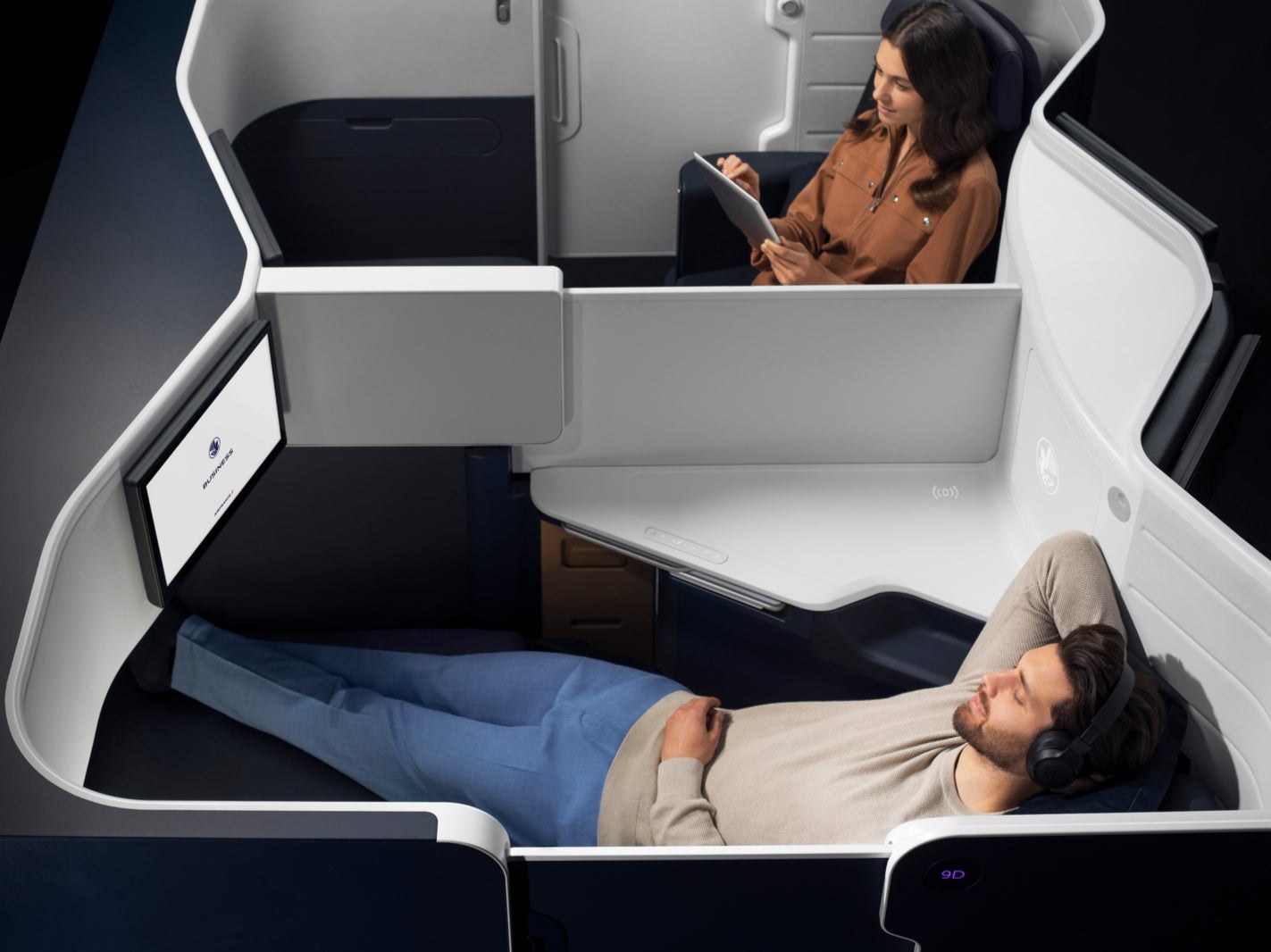
Fly into Menara Airport (RAK), Marrakech's compact international gateway just four kilometers southwest of the medina. Direct flights run from major European hubs year-round, and several carriers offer one-stop connections from North America. Book premium economy — the seat recline and meal service make the difference on an overnight transatlantic leg, and you'll land ready to drive rather than desperate for a nap. RAK's terminal is small and efficient; expect to clear immigration and collect bags in under 40 minutes.
Premium economy from $1,564 roundtrip from our cheapest gateway — check fares from your home airport →
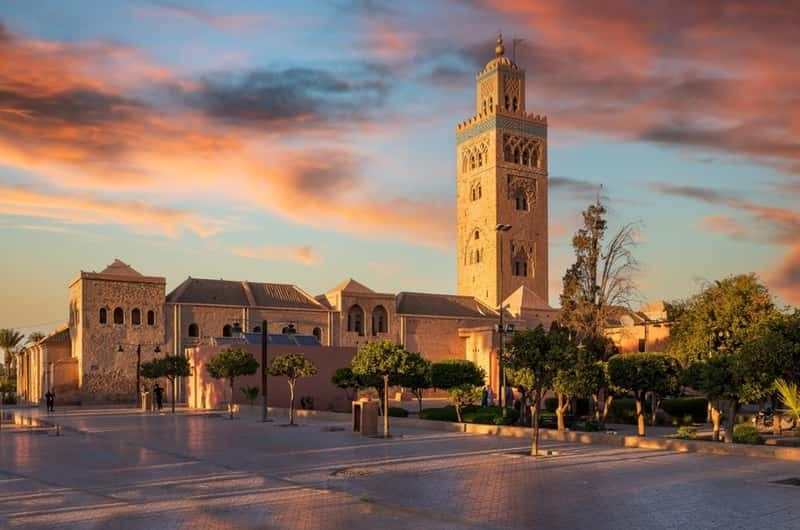
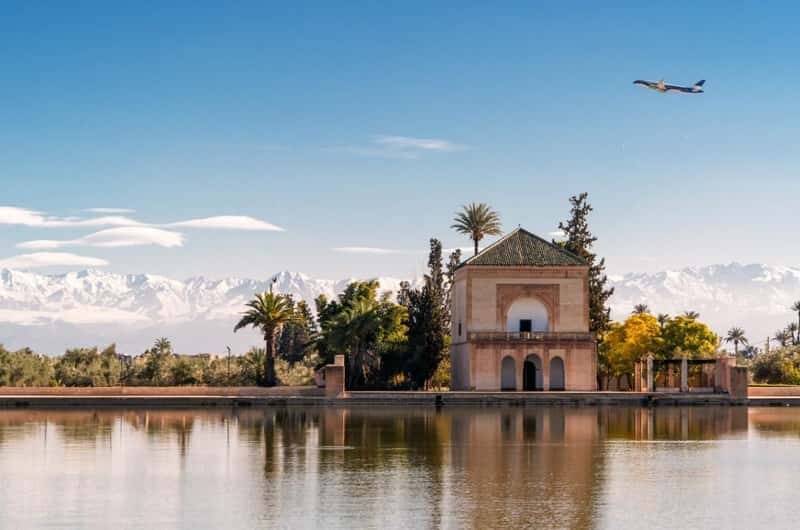
Pick up your rental car at RAK (expect ~$40–$70/day for a reliable SUV — verify when booking) and drive the short stretch to your hotel. After checking in, head to the Koutoubia Mosque & Islamic Architecture Seminar (~$80–$150 per person, verify when booking), a small-group session led by an Islamic architect who walks you through the mosque's 12th-century design innovations — the proportional geometry of the minaret, the structural daring of the prayer hall. You won't enter the mosque itself (it's closed to non-Muslims), but the exterior analysis alone reshapes how you see every building for the rest of the trip. From there, walk ten minutes south to the Menara Gardens Botanical Research Tour (~$50–$90 per person, verify when booking). A researcher guides you through the 16th-century irrigated olive groves, explaining the ancient khettara water-engineering system that still feeds the basins. Late afternoon light here is extraordinary — the reflecting pool mirrors the Atlas range. End the day at Dar Cherifa Library & Café, a cultural venue inside a restored riad at 8 Derb Chorfa Lkabir in the Mouassine quarter. Order mint tea, browse the rotating art exhibitions, and let the city's pace settle into your bones. No entry fee; tea and pastries run ~$8–$15.
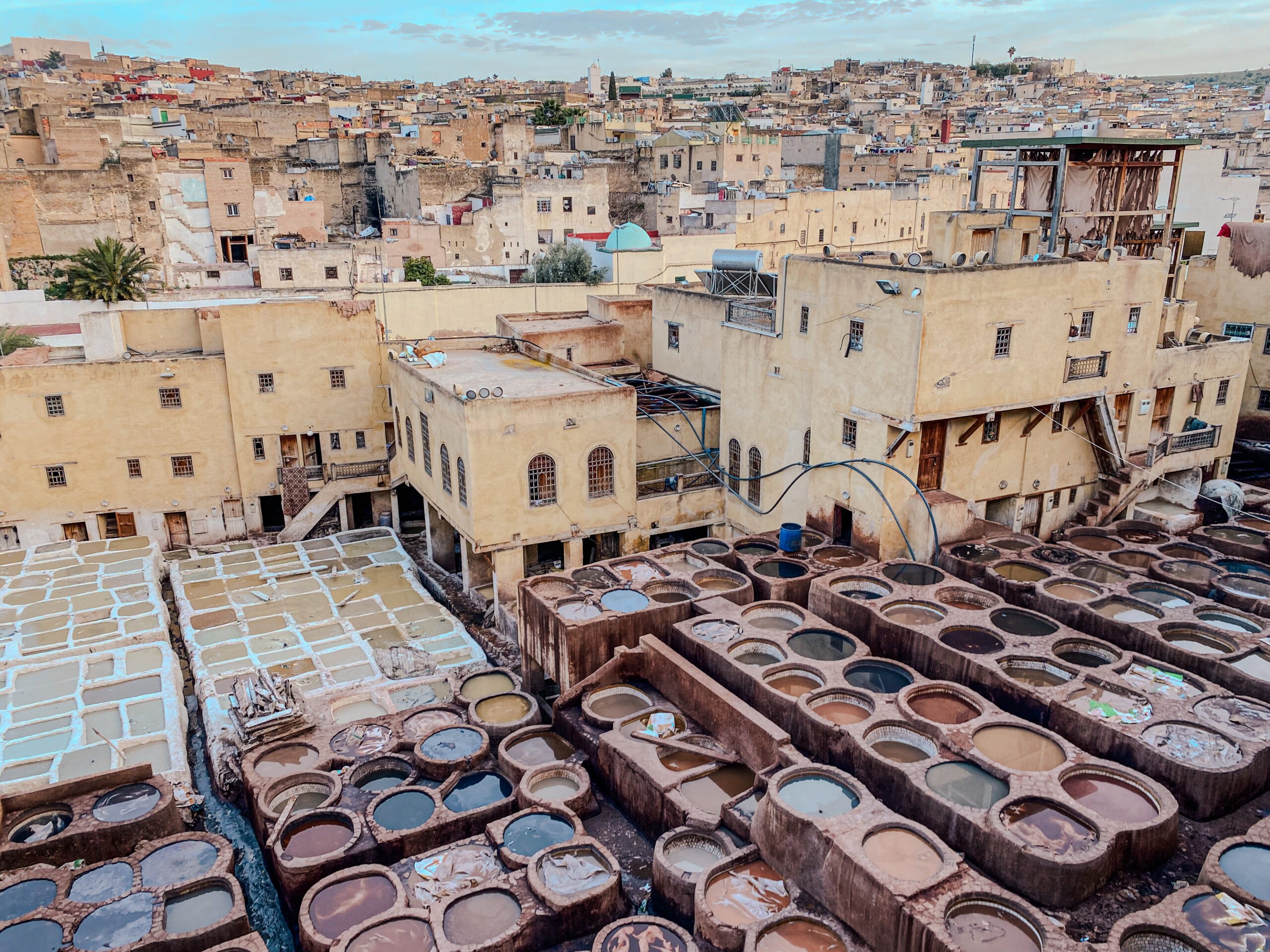
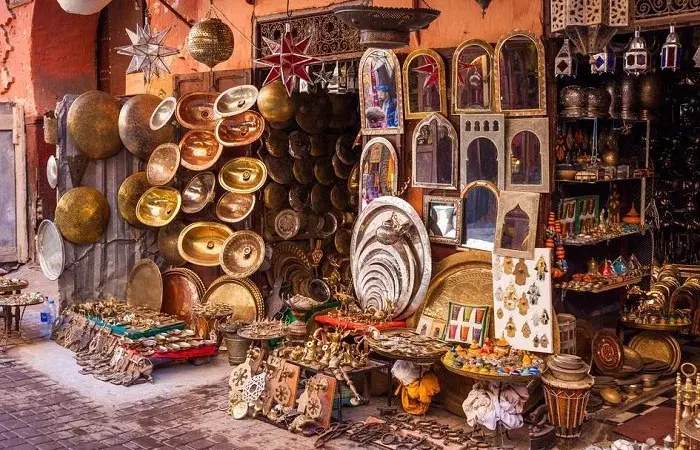
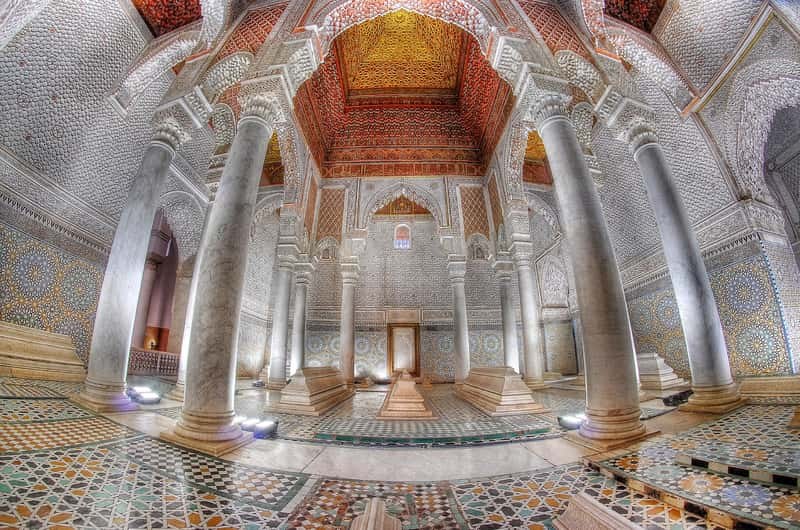
Start early at the Saadian Tombs & Private Guided Restoration Tour (~$60–$120 per person, verify when booking). A historian takes your small group through the 16th-century royal mausoleum, detailing the recent $4M restoration that revealed original cedar carvings and Italian Carrara marble buried under centuries of plaster. The standard tourist visit is ten minutes of gawking; this version runs 90 minutes and changes everything. Next, plunge into the medina for a Souk Semmarine Textile Merchant Master Class (~$70–$130 per person, verify when booking). A veteran merchant with four decades in the souk teaches you to authenticate traditional Berber carpets — reading knot density, identifying natural dyes, spotting machine-made fakes. You'll never shop the same way again. After lunch, join the Riad Karmela Artisan Cooperatives Tour (~$40–$80 per person, verify when booking), visiting women-led workshops producing hand-woven textiles, pottery, and leather goods, with direct interaction and the chance to purchase at maker prices. Finish the afternoon at a Traditional Fez-Making Workshop (~$50–$100 per person, verify when booking), rotating between artisan ateliers including traditional pottery and leatherwork studios where craftsmen demonstrate techniques unchanged for centuries.
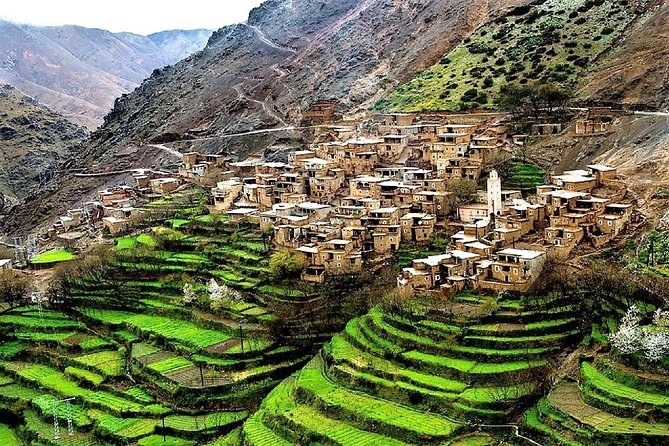
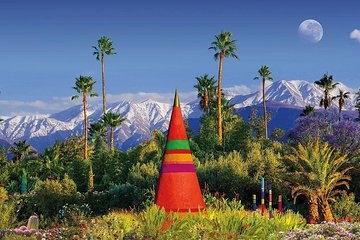
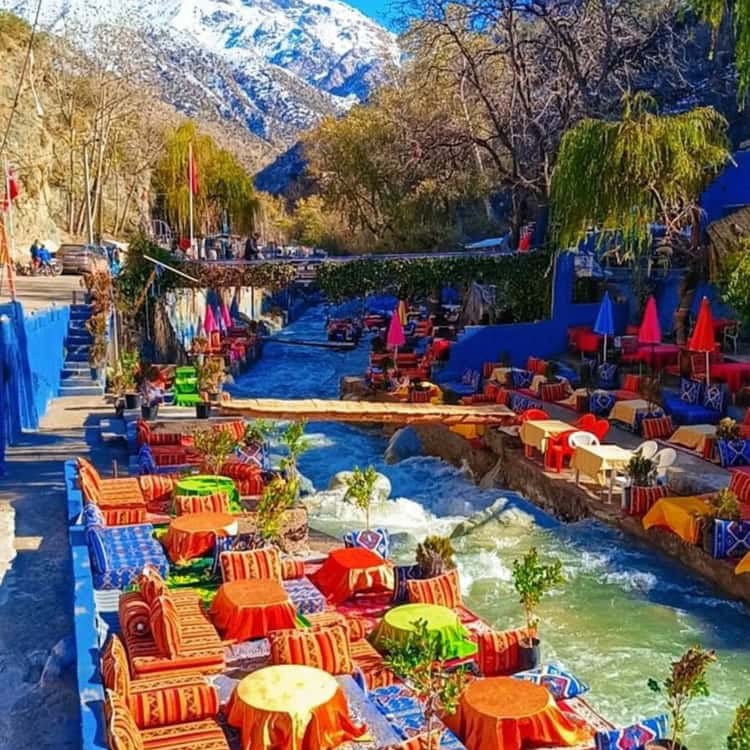
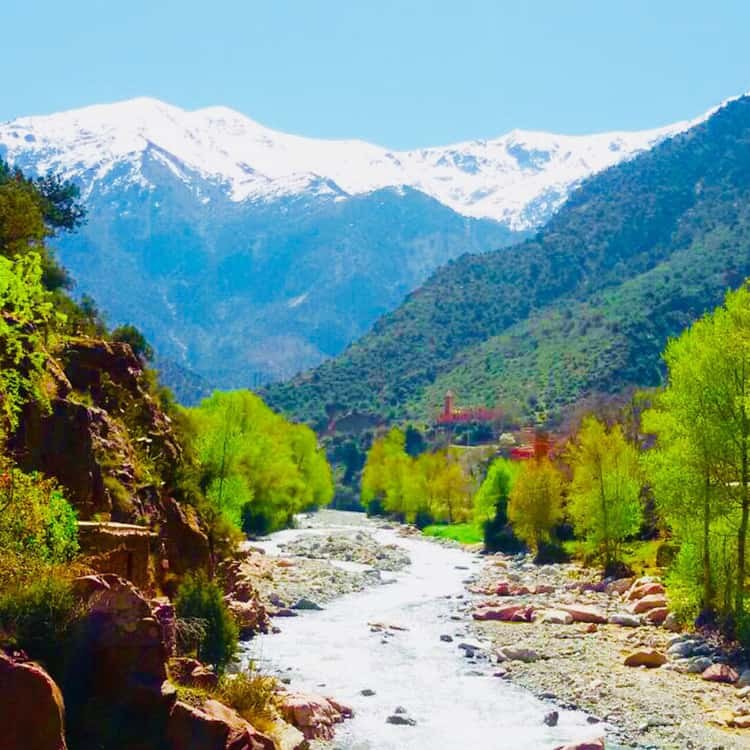
Today belongs to the mountains. Drive 45 minutes southeast on the Route d'Ourika to Anima Garden at Douar Sbiti (~$15–$20 entry, verify when booking), André Heller's extraordinary three-hectare sculpture park where contemporary art installations weave through exotic plantings. Give it 90 minutes. Continue up the valley for the Ourika Valley Berber Village & Waterfall Trek (~$50–$90 per person including lunch, verify when booking) — a guided hike through terraced villages ending at the falls, with a home-cooked Berber meal prepared by a local family. On the return drive, detour to Takerkoust Lake & Atlas Mountain Half-Day Trek (~$40–$80 per person, verify when booking), a guided hike to the lakeshore with swimming and wildflower-lined trails framed by High Atlas peaks.
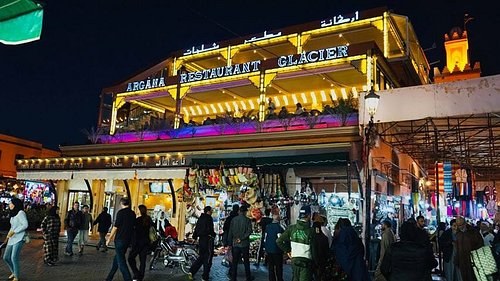
For travelers with an extra day — and this trip deserves it — the High Atlas Mountain Homestay & Village Immersion is the crown experience. This two-to-three-day program (~$200–$400 per person per night all-inclusive, verify when booking) places you with a Berber family in their mountain village. You'll help with daily routines, share meals, and gain a perspective on rural Moroccan life that no hotel can replicate. Even a single overnight transforms the trip. Return to Marrakech by midday for the Argana Rooftop Hammam & Private Treatment (~$80–$160 per session, verify when booking) — a traditional Moroccan hammam experience with black soap scrub, rhassoul clay wrap, and argan oil massage. The perfect decompression before your evening flight.
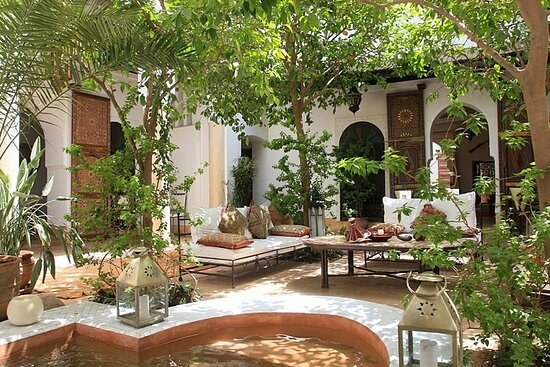
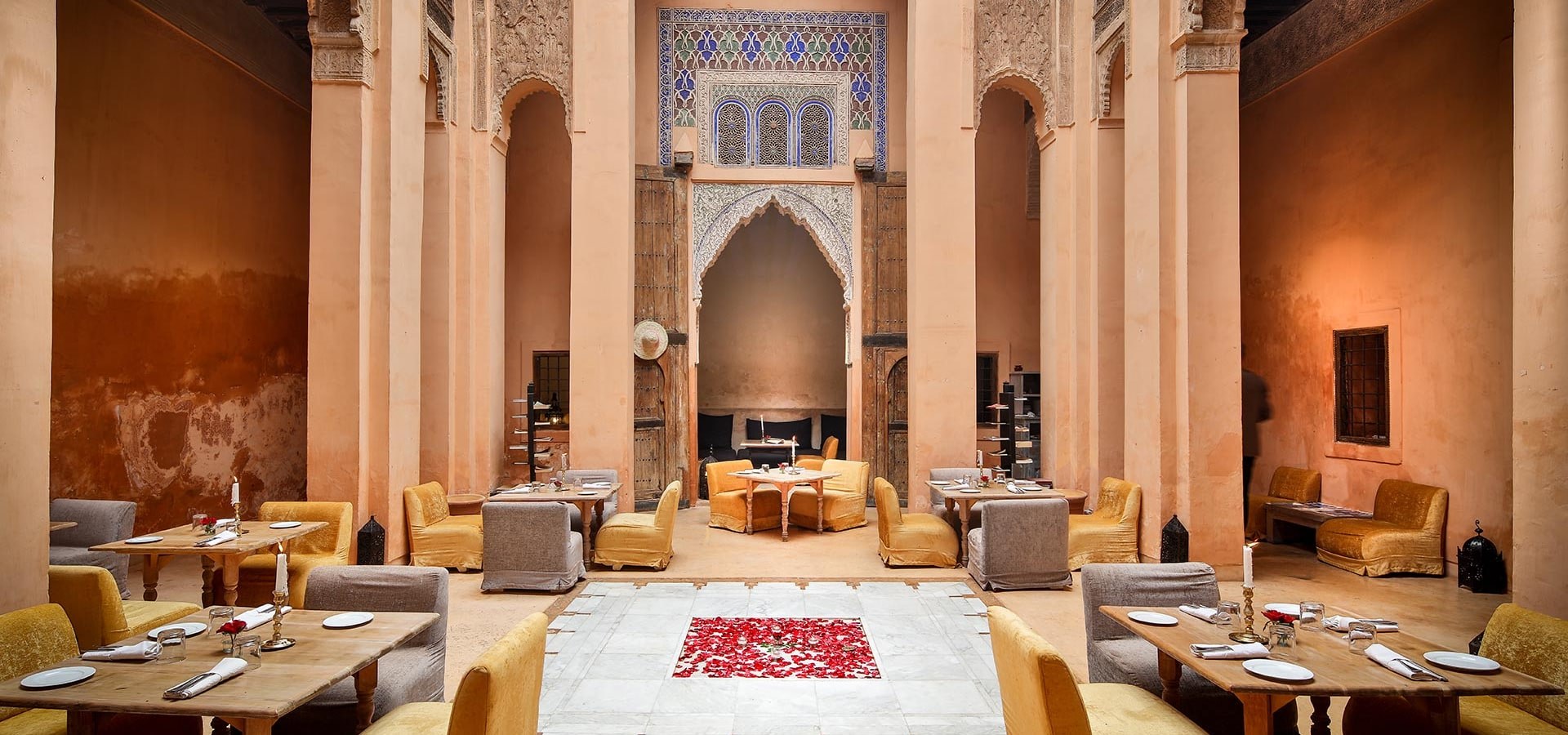
Three properties define the top tier. La Mamounia (~$500–$1,200/night, verify when booking) is the grand dame — Winston Churchill's old haunt, recently renovated, with gardens that rival the Menara. El Fenn (~$250–$600/night, verify when booking) is the boutique counter-argument: a converted riad with rooftop plunge pools, contemporary Moroccan art, and a staff-to-guest ratio that borders on absurd. Royal Mansour (~$800–$2,500/night, verify when booking) is the extravagance play — individual riads with private pools, a subterranean spa, and service so discreet you'll forget other guests exist. All three are medina-adjacent and put you within walking distance of the souks.
Rent a car at RAK. You'll want it for the Atlas excursions and the Ourika Valley, where public transport is thin and unreliable. Driving in Marrakech itself is aggressive but manageable — park at your hotel and walk the medina. A compact SUV handles the mountain roads well. International licenses are accepted; fuel runs ~$1.20–$1.50/liter.
Skip Jemaa el-Fnaa at midday — the square is a furnace and the entertainment is geared toward passing tour buses. Return after 7 p.m. when the food stalls ignite and the energy shifts. Best months: March through May and September through November. Summer highs above 110°F make outdoor activities punishing. Ramadan dates shift annually; the city remains beautiful but restaurant hours change and some experiences may pause. Check dates before booking.
| Flights | 2 × $1,564 Prem. Econ. | $3,128 live |
| Hotels | 4 nights × $484 luxury | ~$1,936 |
| Rental car | 4 days × $134 | ~$536 |
| Excursions | this itinerary, entry → guided | $462–$2,486 |
| Food | 4 days, fine dining | ~$320 |
| Trip total | $6,382–$8,406 |
We may earn a commission when you book through these links, at no extra cost to you. Prices and availability are set by each partner.
Cruises that call within reach of Marrakech — each one opens as a full plan of its own: where to fly in, every port, and what the week runs.
Some links are affiliate links — we may earn a commission at no extra cost to you. See our Terms.