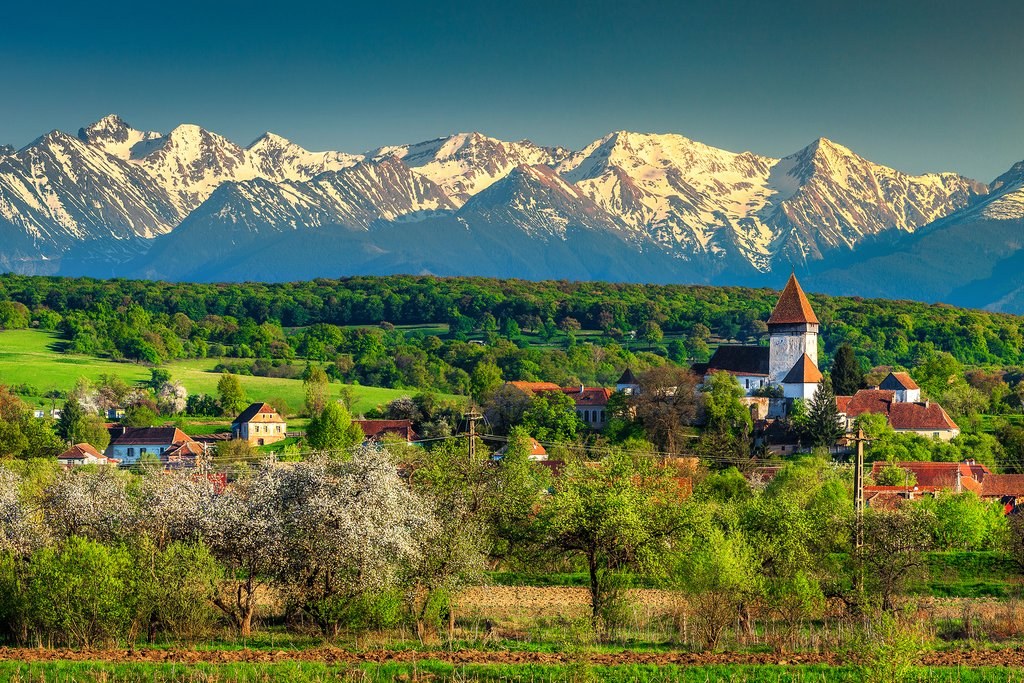
Saxon Heritage Road Trip
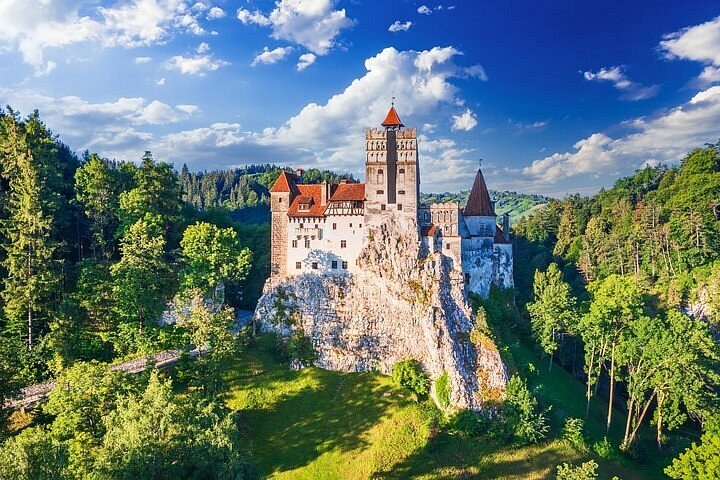
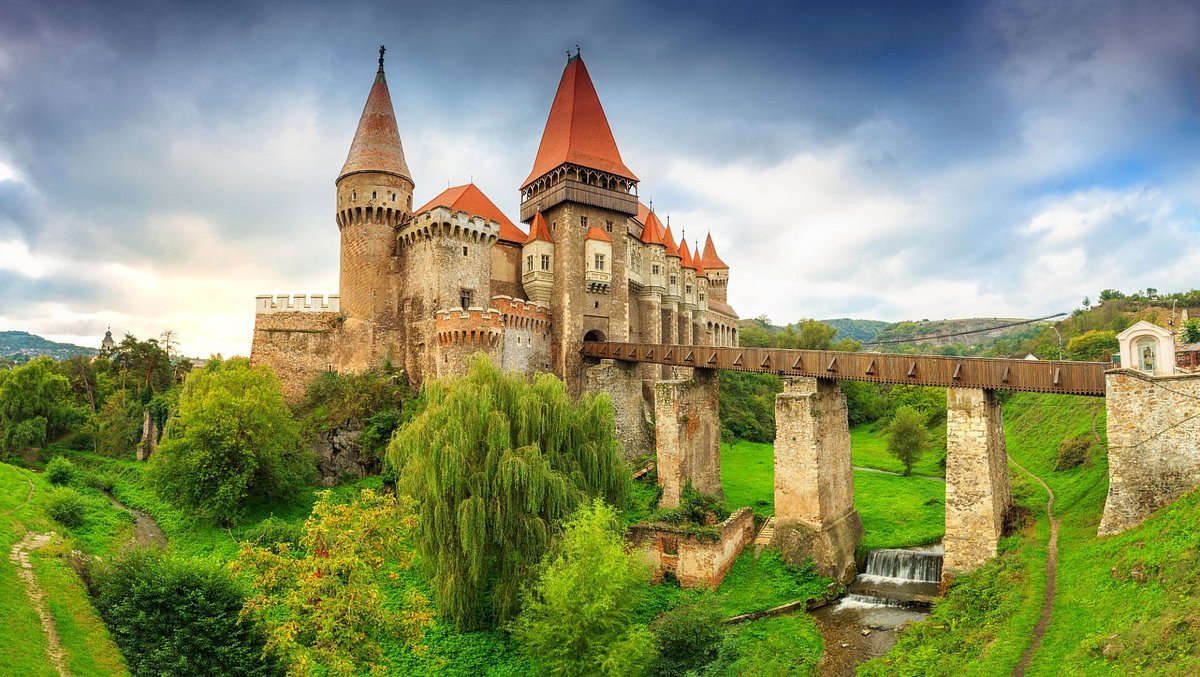
Transylvania doesn't need the vampire mythology. What it has is better: 800-year-old Saxon fortified churches still standing in villages where horse carts outnumber cars, a salt mine so enormous they built a Ferris wheel inside it, and mountain gorges that make the Dolomites look crowded. This is one of the last corners of Europe where you can drive for an hour without seeing another tourist, eat a farm-to-table meal for the price of a Manhattan appetizer, and sleep in a castle that predates Columbus. Here's exactly how to do it in four days.
Fly into Cluj-Napoca International Airport (CLJ) — Romania's second-largest airport and Transylvania's most practical gateway. Direct connections run from several European hubs, and CLJ's compact terminal means you're at the rental car desk within twenty minutes of touchdown. Book premium economy for the inbound leg; you'll arrive after a comfortable overnight or morning flight feeling sharp enough to drive, which matters because you're getting behind the wheel immediately. The seat upgrade is worth it — Transylvania rewards travelers who hit the ground running rather than collapsing into a hotel to recover from a cramped red-eye.
Premium economy from $695 roundtrip from our cheapest gateway — check fares from your home airport →
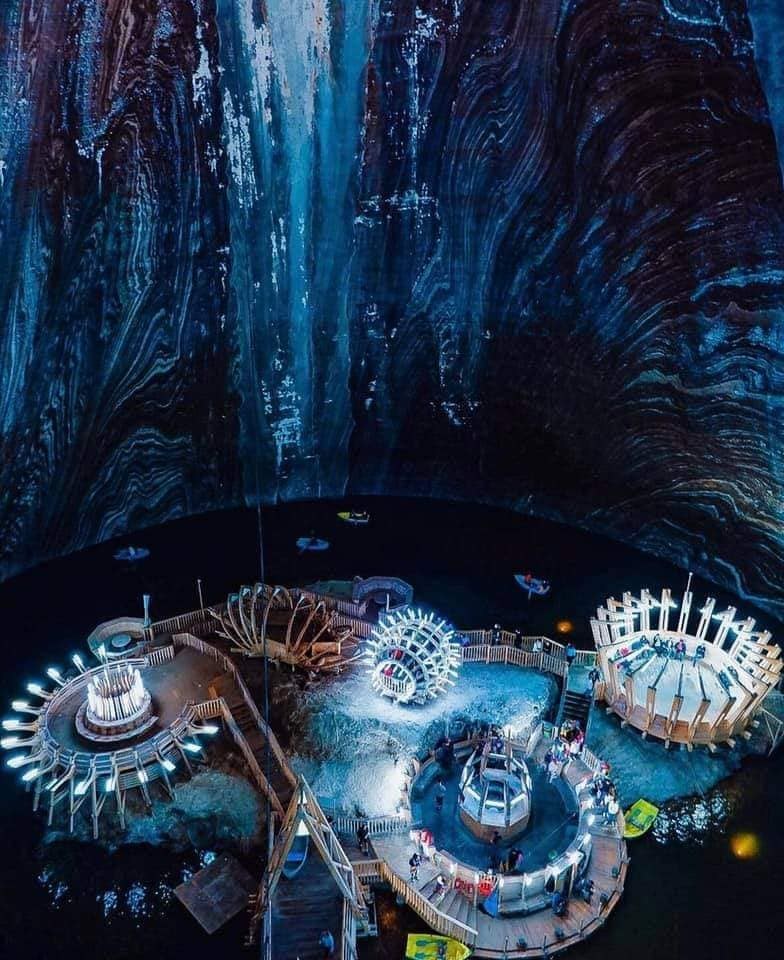
Pick up your rental car at CLJ and drive thirty minutes south to Turda Salt Mine for the Subterranean Concert & Light Show (~$15–25 entry, verify when booking). This isn't a dusty mining museum — it's a cathedral-scale underground chamber with a lake, rowing boats, and a light installation that transforms thousand-year-old salt walls into something otherworldly. Time your visit for one of the periodic live concerts held in the main gallery; the acoustics are staggering. Budget two hours minimum.
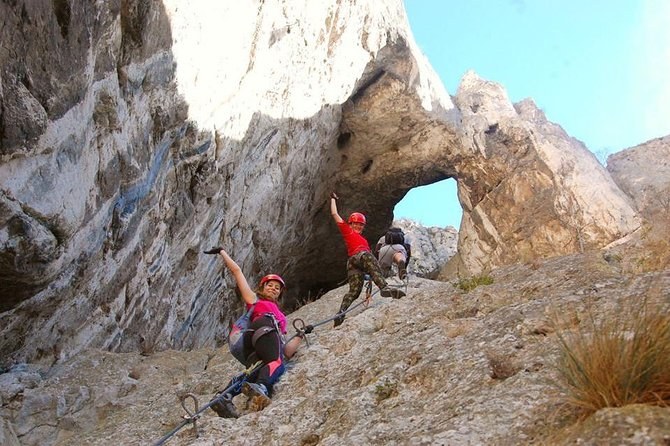
After surfacing, drive ten minutes to Turda Gorge Adventure Park for the Via Ferrata & Canyoning experience (~$40–70 per activity, verify when booking). The limestone canyon offers protected climbing routes, waterfall rappelling, and suspended bridge crossings — an adrenaline counterpoint to the meditative salt mine. Even if you skip the harness work, the gorge itself is a spectacular walk.
Continue southeast toward Sighișoara (roughly ninety minutes). Check in at Castel Haller, a boutique property inside the medieval citadel walls. Dinner in the old town — expect ~$20–35 per person for a proper Romanian meal with local wine.
Start the morning with the Leschkirch & Schäßburg Medieval Town Saxon Heritage Walking Tour (~$10–20 for guided tour, verify when booking), based at Piața Cetății 1. The 14th-century fortifications are intact, the clock tower still keeps time the old way, and the cobblestone streets feel genuinely medieval rather than reconstructed. This is a two-hour walk with substance.
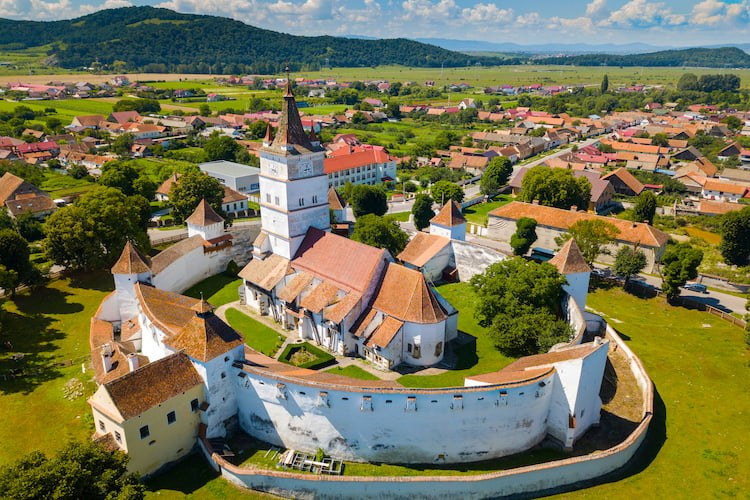
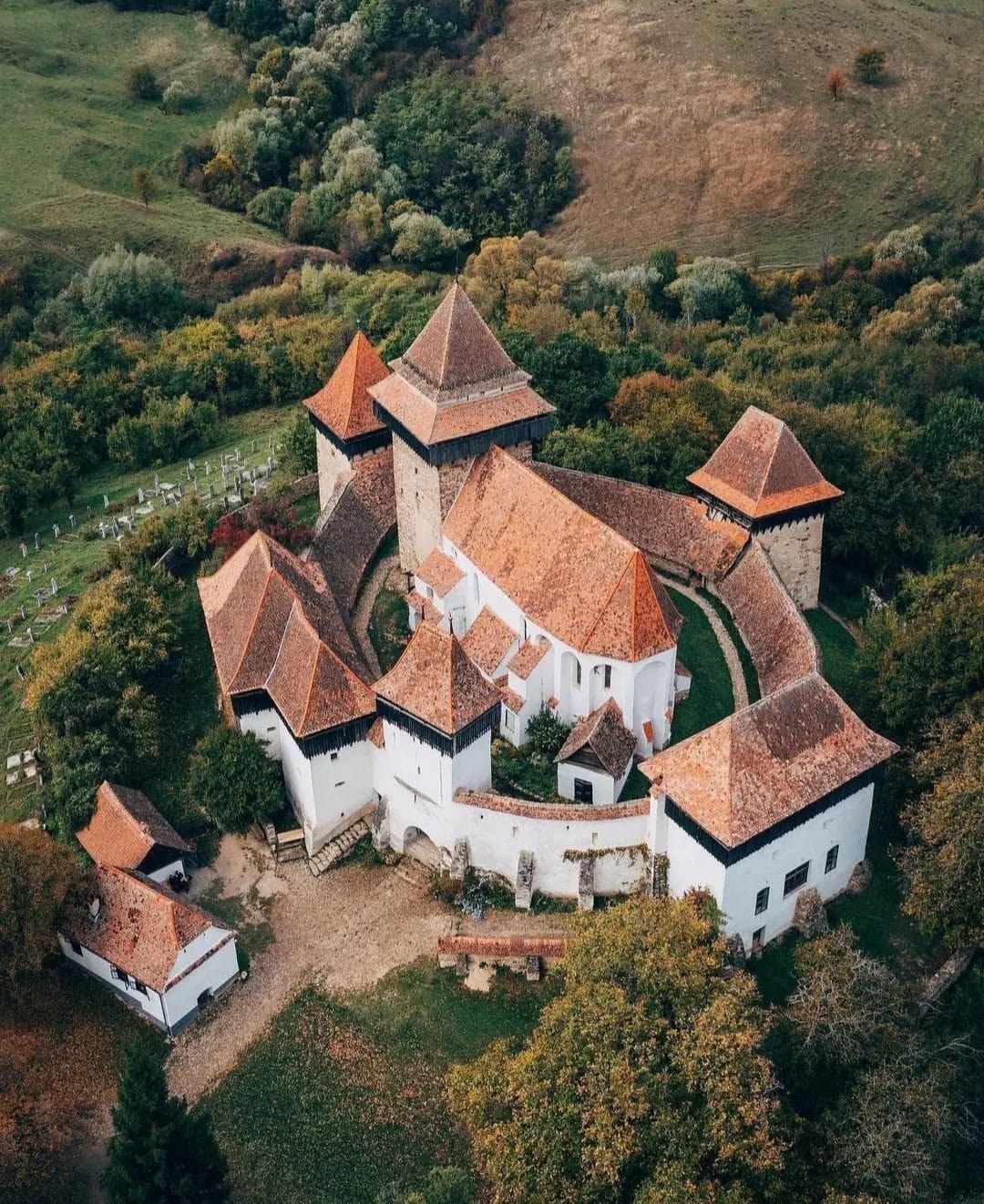
Drive an hour south to Viscri Village for the Saxon Church & Homestay Experience (~$5–10 church entry, verify when booking). This UNESCO World Heritage village centers on a 13th-century fortified church with ten-meter defensive walls. Have lunch at one of the village guesthouses — simple, extraordinary food served by families who've been here for generations.
Continue to Harman and Prejmer for the Medieval Fortified Churches Route (~$5–10 per church, verify when booking). Prejmer, built in 1240, is one of the best-preserved fortified churches in all of Europe, with individual storage rooms built into the walls where villagers kept provisions during Ottoman sieges. Finish the day in the Brașov area; check into Zabola Estate (~$120–200/night, verify when booking), a restored aristocratic manor with extraordinary grounds.
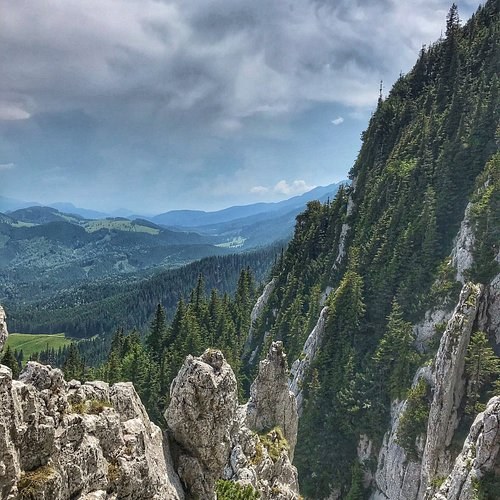
Morning: drive to Zarnești for the Piatra Craiului National Park Zarnești Gorge Trek (~$5–10 park fee, verify when booking). This is a serious day hike through a narrow limestone gorge with thousand-meter cliff walls and underground streams. Go as far as your fitness allows — even the first hour is spectacular.
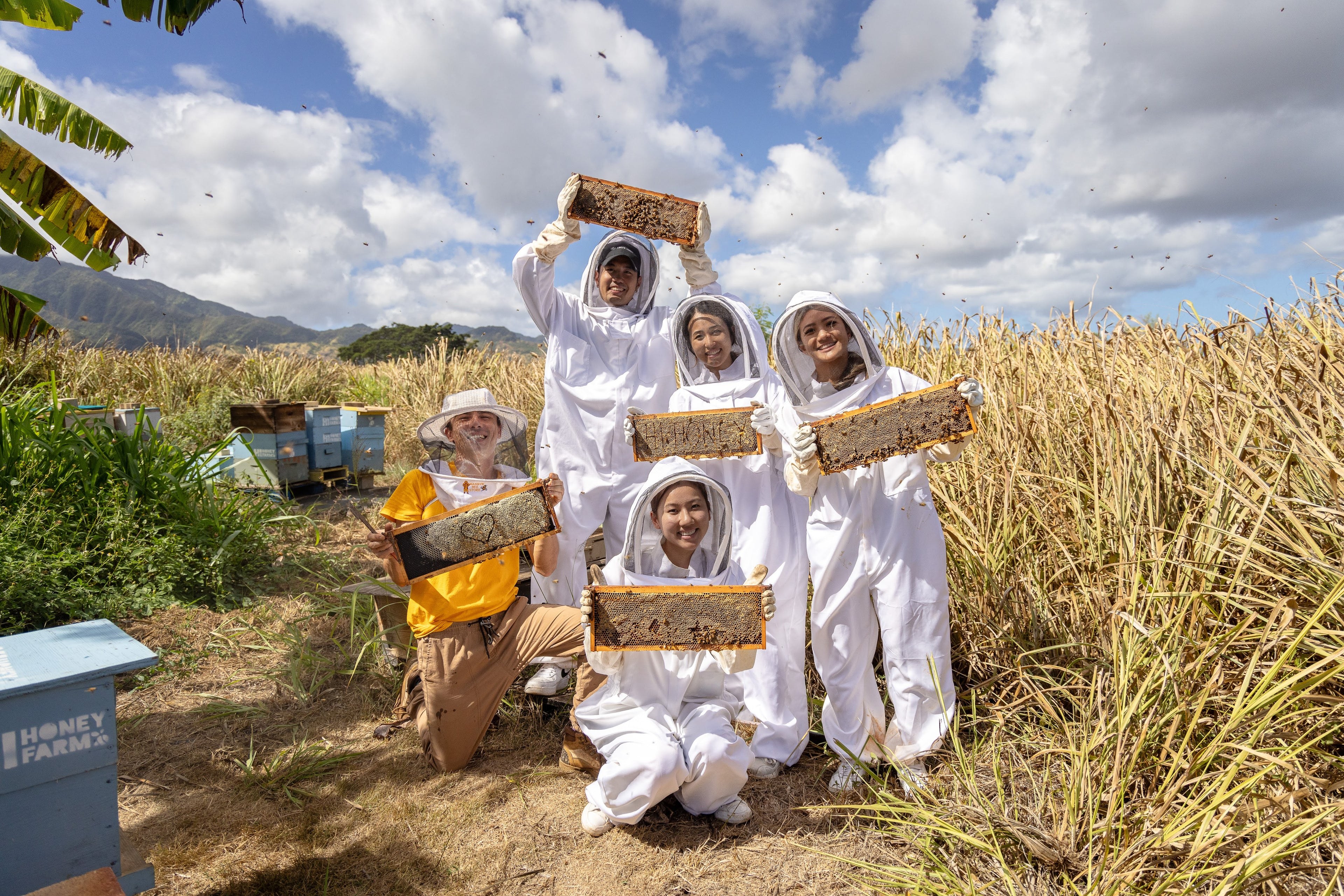
Afternoon: the Transylvanian Honey Farm Experience in Săcele (~$25–40, verify when booking) offers two hours of apitherapy and beekeeping education, including observing bees through a glass hive. It's odd and wonderful, the kind of experience you'd never think to book but remember for years.
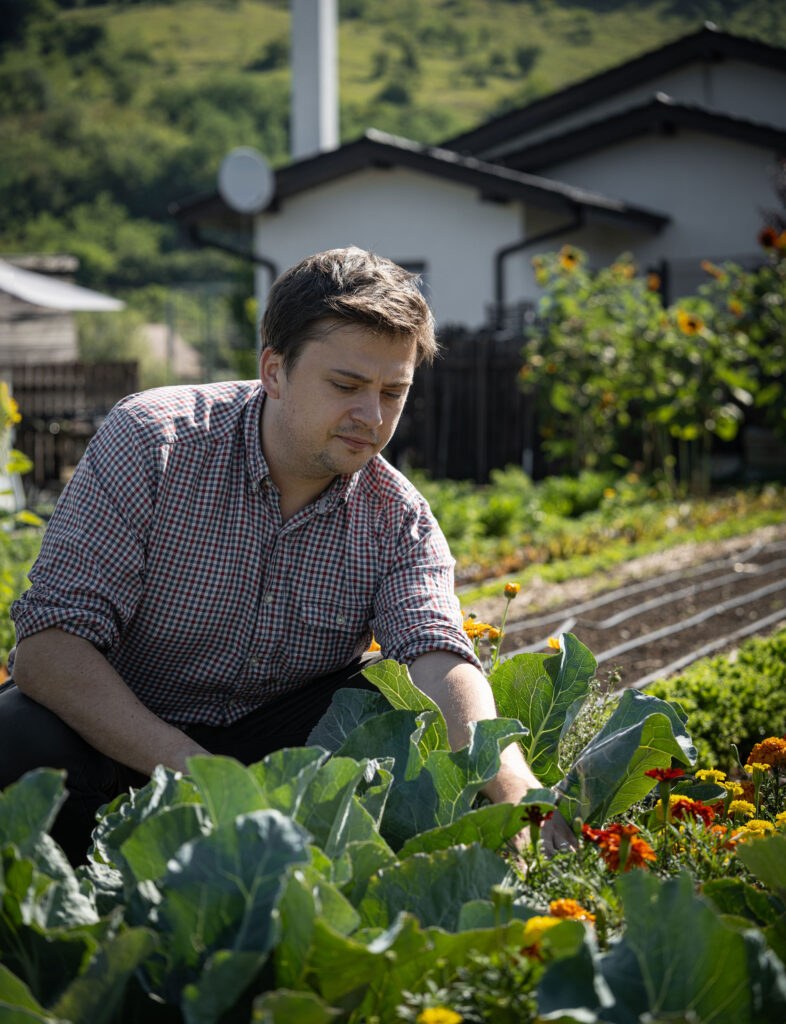
Loop west toward Sibiu County for your final night. Stop at the Salt of the Earth Culinary Workshop near Cristian (~$30–50 per person, verify when booking) for a farm-to-table dinner cooked on-site with ingredients pulled from the surrounding fields that morning.
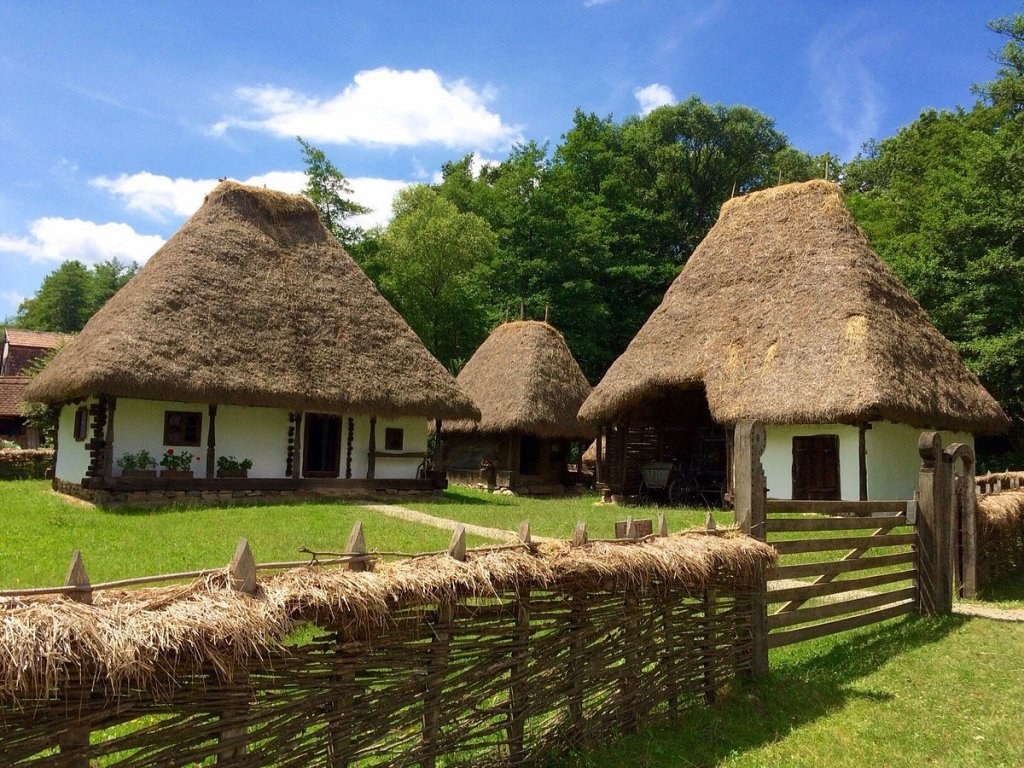
Spend the morning at the ASTRA Open-Air Museum of Traditional Folk Culture (~$5–10 entry, verify when booking), Europe's largest open-air ethnography museum — 96 hectares of relocated historic buildings in the Dumbrava Sibiului forest. This is not a theme park; it's a serious collection that contextualizes everything you've seen over the past three days.
If time allows, detour to Sebeș for the Medieval Fortress & Wine Cellar Tour (~$10–20, verify when booking) — a 13th-century fortified church paired with a 400-year-old underground wine cellar. Taste local wines in a vaulted stone room that hasn't changed in four centuries.
Return to CLJ for your evening flight (roughly two and a half hours from Sibiu).
Three properties anchor this route. Aurelius Imparatul Romanilor in Sibiu (~$80–130/night, verify when booking) is a landmark hotel with genuine character in the old town. Castel Haller in Sighișoara (~$90–150/night, verify when booking) puts you inside the citadel walls. Zabola Estate near Brașov (~$120–200/night, verify when booking) is the grand finale — a restored estate with the kind of atmosphere that makes you consider canceling your return flight.
Rent a car at CLJ. You need one — public transport between these villages ranges from inconvenient to nonexistent. Expect ~$35–55/day for a mid-range vehicle with insurance, verify when booking. Roads are generally good on main routes; secondary roads to villages like Viscri can be rough but passable. A compact SUV is ideal. Fill up in towns — rural gas stations thin out fast.
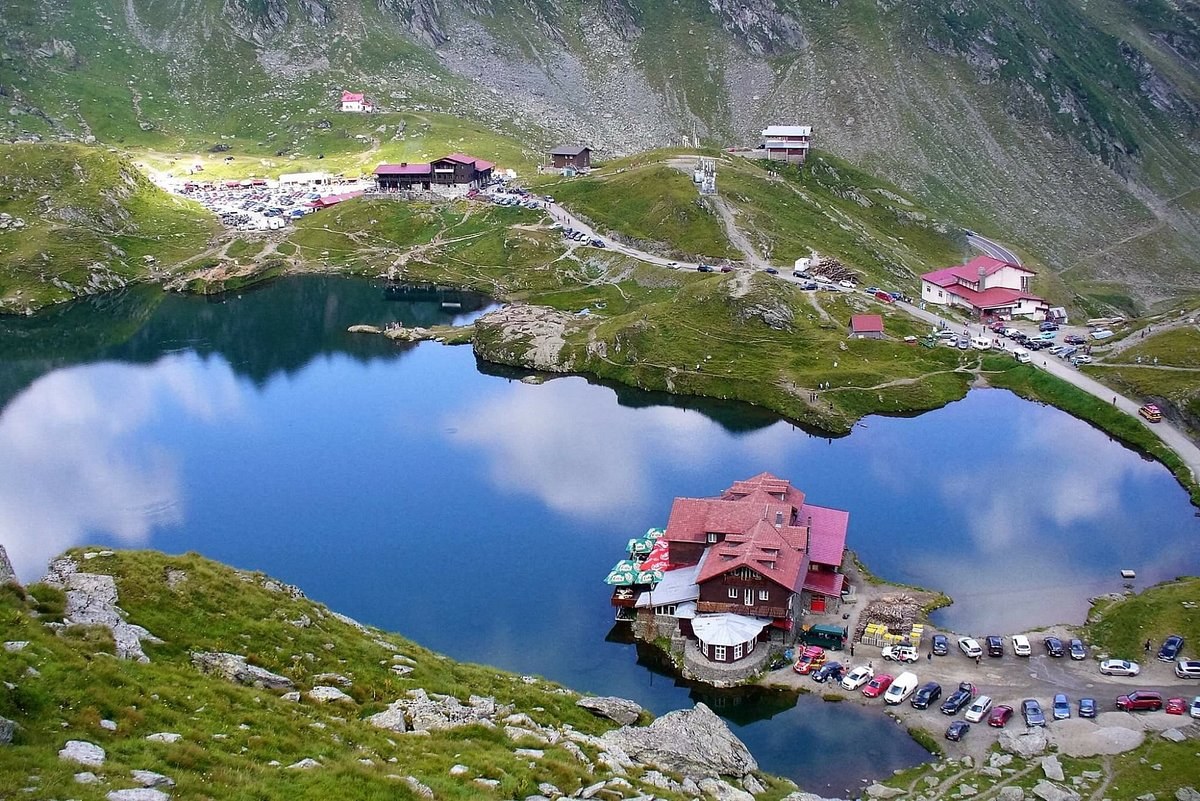
Skip the Băicoi Tar Pit & Petrochemical Landscape Tour unless you're a geology enthusiast — it's interesting but far south of your route and burns half a day in transit. The Făgăraș Mountains Ridge Traverse is a separate, committed four-day expedition requiring alpine experience and gear; don't try to wedge it into this itinerary. Best months: May through mid-October. September is ideal — warm days, cool nights, harvest season in full swing, and the summer crowds (modest as they are) have thinned. Avoid late November through March unless you're prepared for short days, icy roads, and limited rural accommodation.
| Flights | 2 × $695 Economy | $1,390 live |
| Hotels | 4 nights × $120 luxury | ~$480 |
| Rental car | 4 days × $40 | ~$160 |
| Excursions | this itinerary, entry → guided | $3,896–$15,668 |
| Food | 4 days, fine dining | ~$560 |
| Trip total | $6,486–$18,258 |
We may earn a commission when you book through these links, at no extra cost to you. Prices and availability are set by each partner.
Some links are affiliate links — we may earn a commission at no extra cost to you. See our Terms.