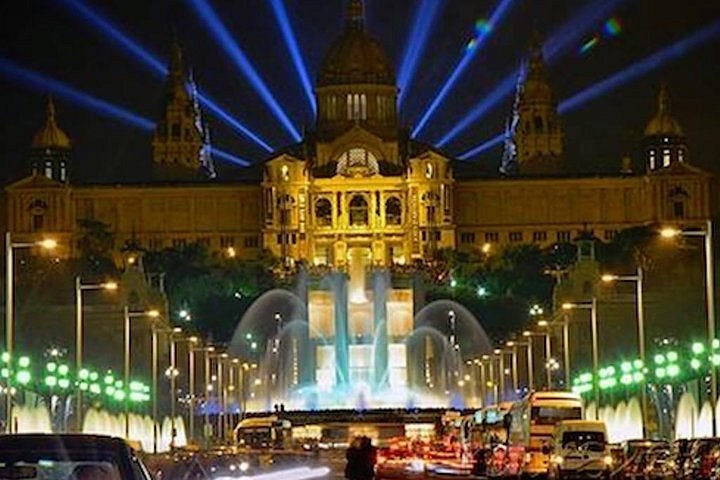
Barcelona just cranked its cruise passenger tax to the legal maximum, turning what was a €11 annoyance into a €30-per-person sting for anyone on a short stop. The city council's July 15 decision fast-tracks the municipal portion to €24 daily, layered on top of the existing €6 regional fee. It's aimed squarely at day-trippers who dock for under 12 hours—homeport passengers who start or end their voyage there get a pass.
Implementation hits at the end of 2026, once the regional parliament signs off and the fiscal updates roll through. That means your 2027 Mediterranean plans, already open for booking, need recalculating now. If your itinerary parks in Barcelona mid-cruise for a quick Gaudi-and-tapas sprint, expect to pay up per port call. It's not a multi-day levy; one short visit, one €30 hit.
How It Stacks Up Against the Competition
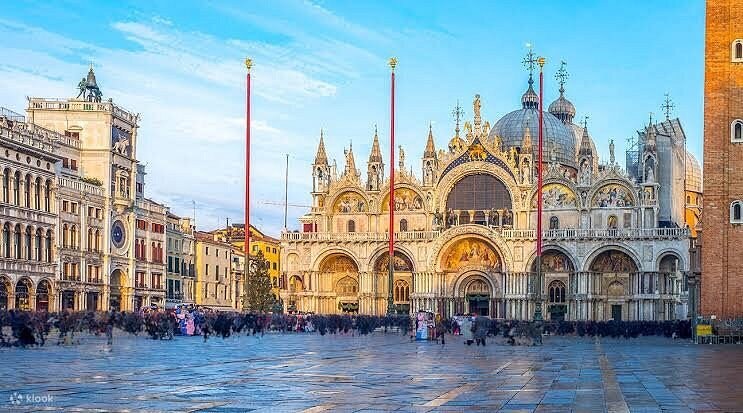
Europe's ports have been nickel-and-diming cruisers for years, but Barcelona now sits near the top of the leaderboard. Venice's daytime access fee floats between €5-10 depending on the crowd calendar, more of a targeted tourist toll than a blanket tax. Dubrovnik hits ships with per-vessel charges that translate to roughly €5-15 per head in peak season for larger boats, focused on capping numbers rather than emptying wallets.
Greece's Santorini and Mykonos levy €20 per cruise passenger in high season, while other spots like Amsterdam or Norway's fjord towns add smaller environmental or docking fees. At €30 for a quick in-and-out, Barcelona's play is aggressive—especially since those "low-spending" day visitors the city complains about still drop serious cash on excursions, shopping, and overpriced sangria.
It's classic overtourism theater. The same officials who filled the port with mega-ships now act shocked by the crowds. Savvy travelers know this isn't about sustainability; it's about extracting maximum revenue before potentially restricting access altogether.
Which Lines Will Feel It Most
Mediterranean demand is still red-hot, with summer 2027 itineraries filling fast. MSC Cruises leads the pack with the heaviest Barcelona presence—dozens of calls across its fleet on Western and Eastern Med loops, from the MSC World Europa to the MSC Seaview. Royal Caribbean follows closely, with frequent stops on ships like Allure of the Seas and the newer Odyssey of the Seas, often as a turnaround or multi-day hub.
Celebrity isn't far behind, leveraging its premium Edge-class vessels for port-intensive routes that linger in Barcelona. Luxury players like Regent Seven Seas, Silversea, and Seabourn dip in less often but on longer, pricier voyages where the tax feels like pocket change—until you multiply by two or three calls on an extended itinerary.
These lines typically collect the fee at booking or onboard and remit it. No major announcements yet on absorption; history says they'll pass it straight through as "port taxes and fees" on your invoice. Don't expect Celebrity's solarium crowd or Royal's flow-rider fans to see discounts—profits are too good.
The Real Cost on Your Itinerary
A seven-night Western Med cruise calling Barcelona once? Add €30 per person, or €60 for a couple. Make it a repositioning or longer voyage with multiple touches—common on MSC and Royal routes—and you're looking at €90-120 extra. Compare that to a similar itinerary swapping in Marseille or Valencia, and the numbers shift.
It's not going to sink a luxury sailing, but it adds up faster than the hidden cost of a bad shore excursion. With peak demand, lines aren't slashing fares to compensate. Instead, they're banking on you not noticing until final payment.
Opinion: This is Barcelona shooting itself in the espadrille. Short-stay cruisers aren't the villains; they're the ones sampling the city and often returning for proper land stays. Jacking up fees while reducing berths (down to five in 2026) risks pushing ships—and their economic impact—to friendlier ports. The data from similar experiments elsewhere shows mixed results at best.
Smart cruisers optimize around this nonsense. Book homeport itineraries out of Barcelona to dodge the tax entirely. Or pivot to lines with fewer calls: Azamara's smaller ships or Windstar's sails tend to visit once max and emphasize overnight stays that might skirt the short-call rule.
Review your 2027 options immediately. Use those premium credit card travel credits or points for shore excursions that actually deliver value, because the tax won't be buying you any extra sangria.
Action item: Pull up your shortlisted Mediterranean sailings today, calculate the exact Barcelona exposure per person, and reprice alternatives with fewer or no calls. The lines with the most flexibility—Mediterranean specialists like Celebrity on select routes—will let you switch without massive penalties while summer demand is still building. Don't pay premium for a port that's now charging like one.