Southwest’s overhaul is complete: assigned seats since January 27, 2026, no more universal free bags since May 2025, and bag fees now at $45 for the first and $55 for the second after the April 2026 hike. EarlyBird Check-In is dead for post-January flights. The old quirks that made the airline feel like a hack are gone.
The $99 Southwest Rapid Rewards Plus card has quietly become the cheapest reliable workaround. It delivers a free first checked bag for you and up to eight companions on the same reservation, Group 5 boarding, and the ability to select a standard seat within 48 hours of departure when available. That’s not nothing in the new regime.
One round-trip with a checked bag for a family of four used to be free. Now it’s $360 without the card. Two or three trips and the annual fee is covered with change left over. The card also throws in 3,000 bonus Rapid Rewards points every anniversary and a 10% off promo code on paid fares (excluding Basic). Dry, effective math.
The New Southwest Reality
Basic fares get auto-assigned seats at check-in, usually toward the back. Choice and above let you pick at booking. Without status or the right card, you’re gambling on overhead space and paying bag fees that add up faster than a bad points redemption.
Credit cardholders land in Group 5. It’s not A-List Preferred priority, but it beats the later groups and gives decent shot at bin space before the plane fills. The free first bag applies even on Basic fares, which is the real cheat code now that “Bags Fly Free” is nostalgia.
EarlyBird is gone for new bookings. The Plus card’s old two EarlyBird credits evaporated with the policy shift, but the replacement perks are more useful in an assigned world.
How the $99 Plus Card Stacks Up
The Premier card ($149) gives you 6,000 anniversary points, a better discount code, and slightly earlier seat selection window. Nice, but the incremental value is marginal unless you fly Southwest constantly.
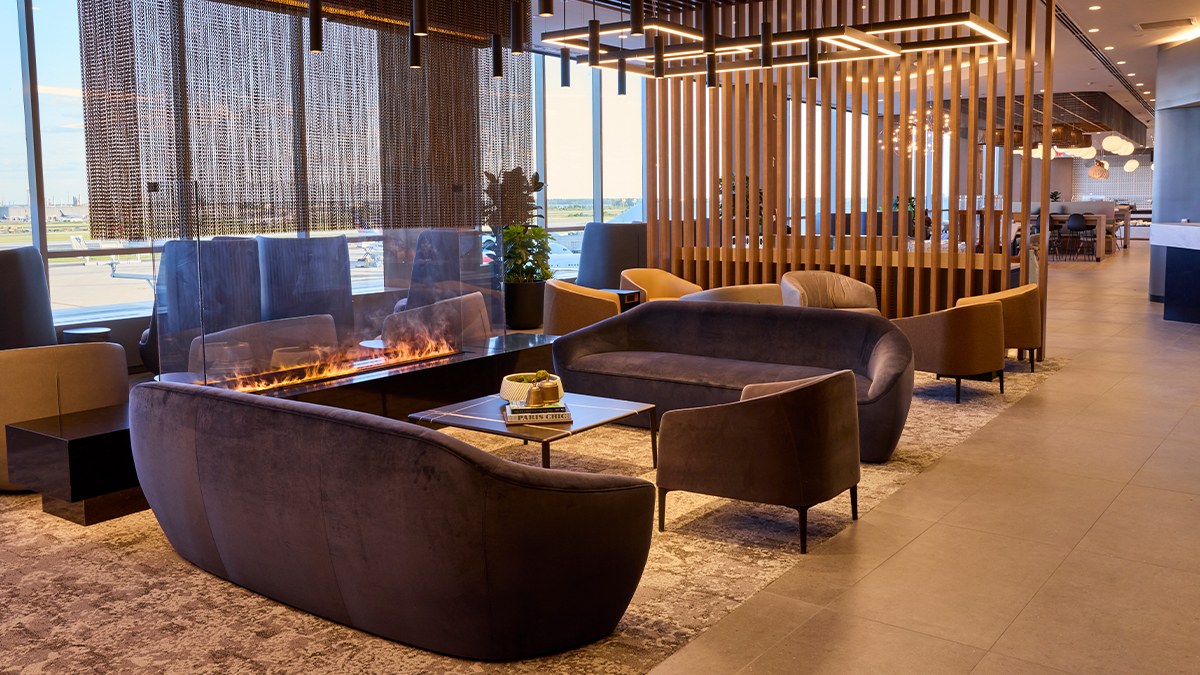
Chase’s forthcoming premium Southwest card, tied to the new lounges opening in late 2027 (Austin, Baltimore, Honolulu, Nashville first), will almost certainly run $395–$650. It targets the business-class crowd who want free Wi-Fi, extra legroom, and a place to drink decent coffee before boarding a 737 with no true first class. Overlap with the Plus card is minimal. One is a budget hack; the other is an aspirational spend.
If you’re already in the Chase ecosystem with a Sapphire Reserve or Ink, you’re better off transferring Ultimate Rewards to partners or using the travel credits elsewhere. The new Southwest premium product doesn’t change that calculus yet.
Who Should Actually Keep or Get This Card
If you fly Southwest three or more times a year and ever check bags, keep the Plus card or open one. The bag benefit alone pays for itself. The points and discount code are lagniappe that make the effective annual fee negative for most optimizer types.
If you’re a once-a-year leisure traveler or strictly carry-on only, ditch it. There are better cards for general travel. Southwest’s transformation rewards people who pay for choice. The $99 card is the lowest-friction way to stay in the old value tier without buying Choice Extra fares every time.
Opinion: Southwest killed its soul to chase revenue and Wall Street love. Fine. But they left one loophole that still works. Grab it before they close that too.
Action item: Review your 2026 Southwest bookings today. If you have more than two paid trips with bags planned, keep or apply for the Rapid Rewards Plus card before your next statement posts. The bag savings will fund better redemptions on actual premium carriers.