Turkish Airlines just killed one of the last reliable Star Alliance upgrade hacks: its Miles&Smiles economy-to-business chart. The quiet update, spotted earlier this week, introduces a punishing distinction for EcoFly fares—the airline’s basic economy product—and jacks up the mileage cost on key long-haul routes by as much as 38%.
For routes from Turkey to North America or the Far East, what used to cost 65,000 miles one-way now demands 90,000 if you’re on an EcoFly ticket. That’s a straight 25,000-mile tax for choosing the cheapest fare. Other regions saw smaller bumps: Europe 1 jumps from a flat 20,000 to 22,000 on EcoFly, while Europe 2 moves from 25,000 to 27,500.
The old system was blissfully simple. Previously, upgrades on North America-Turkey flights were priced at 65,000 miles if requested more than 72 hours before departure and 90,000 closer in. Now the timing distinction is gone. The fare type rules everything. Book anything below the flexible economy buckets and you’re staring at the higher chart.
Here’s the new one-way pricing (EcoFly / Other Economy to Business):
- North America: 90,000 / 65,000
- Far East: 90,000 / 65,000
- Europe 1: 22,000 / 20,000
- Europe 2: 27,500 / 25,000
- Oceania: 110,000 / 100,000
(Full chart follows the same pattern across Africa, Middle East, and Central Asia, with EcoFly consistently 2,000–25,000 miles more expensive.)
The Sweet Spot That Was
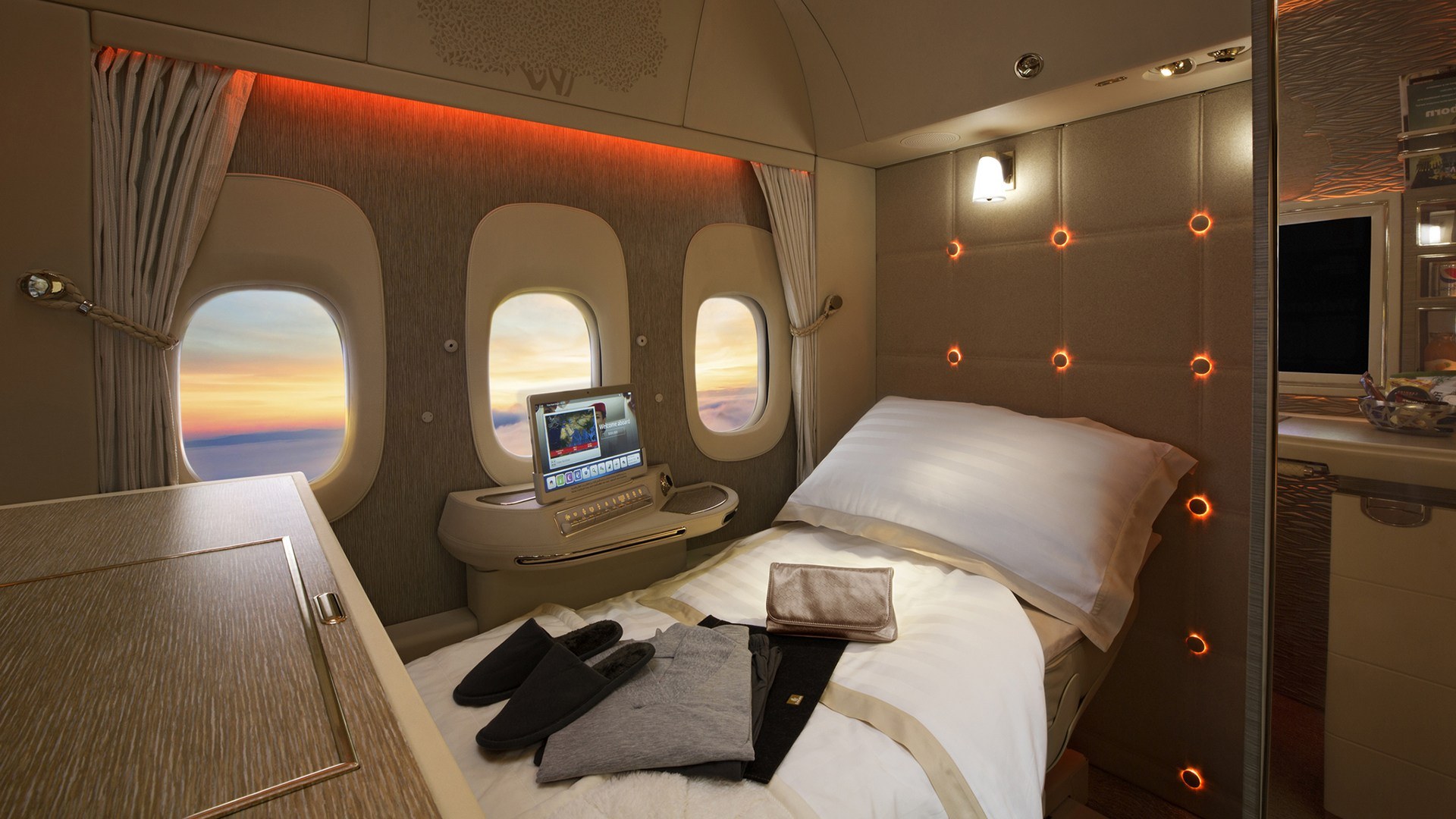
This chart used to be a legitimate cheat code. Buy a cheap cash ticket in a decent economy fare bucket—often under $400 one-way from the US East Coast during sales—then drop 65,000 Turkish miles for a lie-flat seat across the Atlantic or to Asia. Compared to United or Aeroplan prices, it was absurdly efficient. Turkish metal only, of course, but that’s where the best hard product lives anyway.
Those days are effectively over for anyone who reflexively books the lowest fare. The program now explicitly penalizes EcoFly, which lacks seat selection, free bags, and flexibility. It’s the airline’s way of saying: if you want the upgrade, pay us a little more upfront or hand over significantly more miles.
Partners, Timing, and the Fine Print
Upgrades remain Turkish-operated flights only. You cannot use Miles&Smiles miles to upgrade a United, Lufthansa, or Aegean flight. Star Alliance upgrade awards exist on a separate (and generally worse) chart for partner metal, and those rules haven’t changed here.
The change rolled out without fanfare in the past few days—no 30-day notice, no email blast. Reports suggest it is already live. There is no obvious grace period based on ticket issuance date. If the fare is EcoFly under the new policy, expect the higher mileage quote.
Workaround? Avoid EcoFly like it’s basic economy on Spirit. Book into the next fare bucket that allows seat selection and changes. The mileage savings (often 25,000 on transatlantic or transpacific legs) will frequently outweigh the $50–150 cash difference. Or just book a promotional business award outright at 65,000 miles from North America—sometimes the math is cleaner.
Banked miles won’t save you retroactively. Turkish doesn’t let you lock in old pricing on existing EcoFly tickets after the fact. If you have a flexible ticket already booked in a better economy class, confirm the upgrade now before any reissues push it into the new regime.
What You Should Do
Stop treating Miles&Smiles upgrades as an afterthought. Check the exact fare class and upgrade cost before you hit “purchase” on any Turkish itinerary. For US-Turkey or Turkey-Asia trips, the difference between a smart economy fare and EcoFly is now 25,000 miles each way—real money in points terms.
If you’re sitting on a pile of Turkish miles, prioritize confirmed business awards or carefully chosen paid tickets in upgrade-eligible buckets. The arbitrage window on cheap upgrades has narrowed dramatically. The program is still decent for outright awards in some corridors, but this particular hack just joined the long list of former sweet spots.
Action item: Audit every upcoming Turkish booking today. Rebook into a non-EcoFly economy fare if the upgrade math no longer works. Then decide whether those miles are better spent on a guaranteed business award instead. The era of lazy 65k upgrades is over.