Your cruise
Costa Deliziosa · 18-night Mediterranean cruise, Cape Town to Marseille
Mar 24 – Apr 11 · 18 nights ·
Day 1 Cape Town (board) · Day 2–3 at sea · Day 4 Walvis Bay · Day 5–11 at sea · Day 12 Mindelo · Day 13–14 at sea · Day 15 Las Palmas · Day 16–17 at sea · Day 18 Barcelona · Day 19 Marseille (step off)
What you do Plunge into one of Africa's most surreal landscapes where 100-metre Namib dunes collapse directly into the Atlantic surf. A private 4x4 takes you deep into Sandwich Harbour, a UNESCO-listed wetland with no roads, no crowds — just you and the raw edge of the world.
What to expect Your private 4x4 deflates its tyres at the beach and powers over shifting dune faces that drop sheer into the ocean — a spectacle found nowhere else on Earth. The guide interprets the Benguela Current ecosystem, the endemic Welwitschia plants, and the birdlife of the lagoon. A gourmet picnic with local snacks and cold drinks is served on a dune with panoramic views. You return to port along the shore just as the golden-hour light ignites the sand.
Good to know Tours depart from the cruise terminal and take approximately 4–5 hours; confirm your ship's all-aboard time and request early-departure slots. Pre-book directly to secure the private vehicle. Bring a windproof layer — the sea breeze on the dunes is fierce.
Versus the ship tour Fully private vehicle with an expert desert ecologist guide; the pace is entirely yours — linger on a dune crest for champagne sundowners while flamingos feed in the shallows below.
book direct with Alter Action Sandwich Harbour Tours → · the full guide →
What you do Board a sleek catamaran to encounter Namibia's Marine Big 5 — Cape fur seals, bottlenose dolphins, leatherback turtles, African penguins, and flamingos — all within Walvis Bay's extraordinary lagoon. Oysters and sparkling wine are served as the wildlife comes to you.
What to expect The catamaran glides out of Walvis Bay harbour into the Benguela Current-rich lagoon, one of Africa's most productive marine ecosystems. Thousands of Cape fur seals loll on the jetty pontoons and often haul themselves onto the boat's stern. Oysters are shucked fresh from local beds and paired with Namibian sparkling wine mid-cruise. Bottlenose dolphins frequently surf the bow wave just metres from where you stand.
Good to know Cruises run approximately 2.5–3 hours and depart from Walvis Bay Waterfront — a short taxi ride from the cruise terminal. Book the morning departure to maximise dolphin activity. Dress in layers; the Benguela Current keeps the bay brisk even on sunny days.
Versus the ship tour A small-vessel, intimate experience where wild dolphins bow-ride alongside and Cape fur seals clamber aboard the swim platform — wildlife encounters of startling closeness that feel genuinely unscripted.
What you do Paddle a sea kayak alongside 80,000 Cape fur seals at Pelican Point, where a Victorian-era lighthouse stands guard over a bone-white beach strewn with shipwreck ribs. This is the most intimate way to meet Namibia's marine wildlife — eye-to-eye at water level.
What to expect After a short transfer along the Walvis Bay spit, you launch your tandem sea kayak into the calm inner lagoon. Within minutes, inquisitive juvenile seals bob around your paddle blades, occasionally leaping clean over the bow. Your guide narrates the ecology of the Benguela upwelling and points out flamingo flocks feeding in the shallows nearby. The paddle rounds Pelican Point itself, where the 1910 lighthouse and skeletal shipwreck frames make for extraordinary photographs.
Good to know No kayaking experience necessary; the lagoon is sheltered and calm. The excursion runs approximately 2.5 hours. Combine it with an afternoon Sandwich Harbour 4x4 for the ultimate dual-landscape day — operators on both sides support the combo. Wear a swimsuit under your clothes; curious seals will splash you.
Versus the ship tour A maximum small-group experience led by a qualified sea-kayak guide; you are in the water with the seals, not looking down at them from a boat deck, and the lighthouse at the tip of the spit is accessible only by kayak or foot.
What you do Step into Namibia's most atmospheric colonial-era town — a place of German-Wilhelmine architecture, crisp ocean air, and extraordinary dune-backed streets. A private guided tour unlocks the hidden history of this improbable desert port, from German colonial rule to the uranium-boom present.
What to expect Your private guide collects you dockside and drives the coast road to Swakopmund, narrating the astonishing story of how Germany built a functioning colonial port in the middle of the world's oldest desert. The walk through the town centre takes in the Kaiserliches Bezirksgericht (the Old German courthouse), the Lighthouse, the Kristall Galerie, and the landmark Hotel Swakopmund. Lunch at a quayside restaurant — local yellowtail or Namibian oysters — is built into the itinerary. The return skirts the vast salt pans, often pink with flamingos.
Good to know Walvis Bay to Swakopmund is approximately 30 km (30-minute drive). Allow 4–5 hours minimum; confirm the all-aboard time before booking. The Kristall Galerie houses the world's largest known single quartz crystal cluster — entry is NAD 50 (~USD 3). Book private transfer in advance to guarantee port pick-up.
Versus the ship tour A private, unhurried drive from Walvis Bay (30 min) with a local expert who grew up here; the guide opens doors — the Swakopmund Museum's colonial-era artefacts, the jetty at sunset, the local fishmonger for fresh smoked fish — that a group tour rushes past.
What you do Watch the Namib go molten gold as the sun drops behind 100-metre dunes inches from the open Atlantic — one of the most dramatic sunsets on the planet, enjoyed with chilled champagne on a private dune crest with your own guide and vehicle.
What to expect Departing Walvis Bay mid-afternoon, the 4x4 tackles the tidal beach corridor as the light softens to amber. The guide reads the dune faces like a pilot, climbing to a private vantage point above the surf line just as the sun descends. Sundowners are served from a cool-box while flamingos glow pink in the lagoon below. The return drive by starlight — the Milky Way ablaze over the Namib — is an experience unto itself.
Good to know Sunset timing varies by season; confirm departure time against your ship's all-aboard. This tour is only viable if your ship overnights or has a late (post-20:00) departure from Walvis Bay — verify with the bridge before booking. A warm layer is essential after sunset on the dunes.
Versus the ship tour The sunset departure means virtually no other visitors in the reserve; your guide positions the vehicle on the highest accessible dune face for a 360° horizon — Atlantic west, Namib south, lagoon flamingos north — with chilled Namibian sparkling wine and local charcuterie.
book direct with Alter Action Sandwich Harbour Tours → · the full guide →
What you do The Walvis Bay Lagoon hosts the largest congregation of greater and lesser flamingos in southern Africa — up to 150,000 birds turning the shallows cerise. A specialist bird guide leads an intimate small-group exploration of this Ramsar-listed wetland, the ecological crown jewel of the Namibian coast.
What to expect The guide drives the levee roads between the industrial salt pans and the tidal lagoon, where vast flamingo flocks feed in the pink-tinged brine. A short kayak section allows you to drift soundlessly to within metres of roosting birds; the silence is broken only by the collective murmur of 50,000 wingbeats. The guide identifies species with a spotting scope — from chestnut-banded plovers to Damara terns — and explains the extraordinary Benguela ecosystem that sustains this abundance. Fresh Namibian oysters and local sparkling wine conclude the morning at the lagoon edge.
Good to know Morning departures (07:00–08:00) are essential for flamingo feeding activity and the best photographic light. The excursion runs approximately 3 hours. Wear neutral-coloured clothing; bright colours disturb the birds. Long lens cameras (200mm+) are highly recommended. Bookings fill fast — reserve well before your cruise date.
Versus the ship tour A certified ornithologist-guide leads a maximum six-guest group through restricted-access sections of the lagoon, using a low-profile vehicle and kayaks to approach flamingo flocks without disturbance — intimate, silent, and utterly unlike any boat-from-a-distance experience.
book direct with Eco Marine Kayak Tours → · the full guide →
What you do Ascend one of the Seven Natural Wonders of the World with a private guide, ride the revolving cable car, and survey 1,000 km of coastline from the summit plateau. This is Cape Town's defining bucket-list moment.
What to expect Your guide collects you portside and drives via the scenic lower cable station approach. At the top, spend up to 90 minutes exploring the plateau's lunar rock formations and indigenous proteas, with Table Bay and Robben Island spread below. The revolving cable car provides 360° views on the descent. The whole experience is unhurried and entirely at your own pace.
Good to know Cable car operates weather-permitting — confirm on the morning. Book cable car tickets at tablemountain.net to avoid queues. Allow 3–4 hours total. The V&A Waterfront is a short drive back to port.
Versus the ship tour A private guide tailors the summit walk to your pace, shares the geology, fynbos ecology, and panoramic lore that a group tour rushes past — and knows exactly when to position you for the iconic Atlantic-and-City shot.
book direct with Cape Town Tour Guide (official private guide service) → · the full guide →
What you do Cross Table Bay to the island where Nelson Mandela was imprisoned for 18 years. A former political prisoner leads you through the maximum-security cellblock — one of the most profoundly moving experiences on the planet.
What to expect The 30-minute ferry departs the V&A Waterfront (a 10-minute walk from the cruise terminal) and crosses to the island. A bus tour covers the island's lime quarry and political exile sites before an ex-prisoner leads the cellblock tour, pausing at Nelson Mandela's actual cell. The emotional resonance is unlike anywhere else in Africa. The return ferry gives views of the full Cape Town mountain backdrop.
Good to know Ferries depart at set times (09:00, 11:00, 13:00); pre-book well in advance as tours sell out weeks ahead, especially on cruise days. Total duration is approximately 3.5 hours. Confirm your ship's all-aboard time — the 09:00 departure is safest.
Versus the ship tour The guides here are survivors, not historians — their personal testimony in Mandela's cell block transforms a museum visit into a living, breathing witness to the triumph of the human spirit.
book direct with Robben Island Museum (official operator) → · the full guide →
What you do A full-day private odyssey along one of the world's great coastal drives — Chapman's Peak, the Cape of Good Hope, and a penguin colony at Boulders Beach. This is the definitive Cape Town bucket-list route.
What to expect Depart the V&A Waterfront and wind south along the Atlantic Seaboard past Clifton's white-sand coves. Chapman's Peak Drive — a cliff-carved corniche — delivers jaw-dropping ocean panoramas. At Cape Point, hike to the lighthouse perch where two oceans meet. Then on to Simon's Town's Boulders Beach, where 3,000 African penguins waddle within arm's reach. The return leg traces the False Bay coastline through charming fishing villages.
Good to know Full-day tour — allow 8–9 hours. Cape Point entry is additional. Pre-book Boulders Beach (SANParks) online. Depart by 08:00 to make the most of the light and return comfortably before all-aboard.
Versus the ship tour Private vehicle means you linger at Chapman's Peak as long as the light is golden, skip the crowds at Boulders Beach, and stop spontaneously at Kalk Bay Harbour for a freshly grilled fish lunch — a pace no group coach can match.
book direct with Cape Town Tour Guide (official private guide service) → · the full guide →
What you do Journey 45 minutes into the Cape Winelands' UNESCO-listed landscape of oak-lined streets, Cape Dutch manor houses, and world-class Chenin Blanc and Pinotage estates — a sensory masterpiece for the discerning palate.
What to expect Your driver-guide whisks you through the Helshoogte Pass into Stellenbosch, where whitewashed Cape Dutch gables frame centuries of viticulture. Visit two to three handpicked estates — perhaps Meerlust, Rust en Vrede, or Delaire Graff — for tutored tastings of benchmark South African wines. Pair with artisan cheeseboards or a light estate lunch. The drive through vine-quilted valleys is as intoxicating as the wine itself.
Good to know A half-day tour (5 hours) fits comfortably within a port call. Pre-book estate tastings directly to secure a slot — Delaire Graff and Rust en Vrede are particularly sought-after. Stellenbosch is 50 km from the cruise terminal.
Versus the ship tour A private guide accesses first-growth estates not open to bus groups — think cellar-door tastings with the winemaker present, shaded terraces overlooking the Drakenstein Mountains, and itineraries built entirely around your wine preferences.
book direct with Cape Town Tour Guide (official private guide service) → · the full guide →
What you do The smartest independent way to see Cape Town's iconic landmarks — from the V&A Waterfront and Bo-Kaap to Kirstenbosch Gardens — with a premium combo ticket that includes the Table Mountain cable car ascent.
What to expect Buses depart the V&A Waterfront (a 10-minute walk from the cruise terminal) every 20 minutes on two routes covering 26 stops. The premium open-top double-decker comes with audio commentary in 16 languages. Hop off at the lower cable station for the Table Mountain ascent included in your combo ticket, then reboard for the Camps Bay and Sea Point route back. The Bo-Kaap stop delivers some of Cape Town's most photogenic streetscapes.
Good to know Buy tickets online in advance at citysightseeing.co.za to skip the queue. Cable car is weather-dependent — check the morning of. A full loop without stopping takes 2.5 hours; plan 5–6 hours for 4–5 hop-offs. Buses run until approximately 17:00.
Versus the ship tour Complete freedom to set your own agenda — step off at Bo-Kaap's cobblestoned rainbow houses for as long as you wish, linger over the Company's Garden's squirrels and roses, or spend an extra hour at Kirstenbosch. No fixed itinerary, no waiting for others.
book direct with City Sightseeing Cape Town (official operator) → · the full guide →
What you do Face the ocean's apex predator from inside a submerged cage off the world's most celebrated Great White hotspot, Dyer Island — a raw, adrenaline-charged bucket-list encounter that redefines your relationship with the sea.
What to expect A 2-hour transfer from Cape Town brings you to the small fishing harbour of Gansbaai. After a marine biologist briefing aboard a purpose-built shark vessel, you anchor at Shark Alley — a narrow channel between Dyer Island and Geyser Rock, home to 60,000 Cape fur seals. Wetsuits on, the cage is lowered, and Great Whites glide past within metres. Even observers on deck experience extraordinary close encounters. A warm lunch and debrief complete the expedition.
Good to know Full-day commitment: depart port by 06:00, return by 17:00 — verify against your ship's all-aboard time. Transfer from Cape Town adds ~2 hours each way. Pre-book directly with Marine Dynamics as capacity is strictly limited. No diving experience required; cage diving is surface-level.
Versus the ship tour Marine Dynamics is the scientific and conservation leader in Gansbaai — a team of researchers and marine biologists who turn the boat briefing into a masterclass on Great White behaviour, shark ID, and ocean ecology. The 45-person maximum boat keeps the experience intimate.
book direct with Marine Dynamics Shark Tours (official operator) → · the full guide →
What you do Plunge into one of Africa's most surreal landscapes where 100-metre Namib dunes collapse directly into the Atlantic surf. A private 4x4 takes you deep into Sandwich Harbour, a UNESCO-listed wetland with no roads, no crowds — just you and the raw edge of the world.
What to expect Your private 4x4 deflates its tyres at the beach and powers over shifting dune faces that drop sheer into the ocean — a spectacle found nowhere else on Earth. The guide interprets the Benguela Current ecosystem, the endemic Welwitschia plants, and the birdlife of the lagoon. A gourmet picnic with local snacks and cold drinks is served on a dune with panoramic views. You return to port along the shore just as the golden-hour light ignites the sand.
Good to know Tours depart from the cruise terminal and take approximately 4–5 hours; confirm your ship's all-aboard time and request early-departure slots. Pre-book directly to secure the private vehicle. Bring a windproof layer — the sea breeze on the dunes is fierce.
Versus the ship tour Fully private vehicle with an expert desert ecologist guide; the pace is entirely yours — linger on a dune crest for champagne sundowners while flamingos feed in the shallows below.
book direct with Alter Action Sandwich Harbour Tours → · the full guide →
What you do Board a sleek catamaran to encounter Namibia's Marine Big 5 — Cape fur seals, bottlenose dolphins, leatherback turtles, African penguins, and flamingos — all within Walvis Bay's extraordinary lagoon. Oysters and sparkling wine are served as the wildlife comes to you.
What to expect The catamaran glides out of Walvis Bay harbour into the Benguela Current-rich lagoon, one of Africa's most productive marine ecosystems. Thousands of Cape fur seals loll on the jetty pontoons and often haul themselves onto the boat's stern. Oysters are shucked fresh from local beds and paired with Namibian sparkling wine mid-cruise. Bottlenose dolphins frequently surf the bow wave just metres from where you stand.
Good to know Cruises run approximately 2.5–3 hours and depart from Walvis Bay Waterfront — a short taxi ride from the cruise terminal. Book the morning departure to maximise dolphin activity. Dress in layers; the Benguela Current keeps the bay brisk even on sunny days.
Versus the ship tour A small-vessel, intimate experience where wild dolphins bow-ride alongside and Cape fur seals clamber aboard the swim platform — wildlife encounters of startling closeness that feel genuinely unscripted.
What you do Paddle a sea kayak alongside 80,000 Cape fur seals at Pelican Point, where a Victorian-era lighthouse stands guard over a bone-white beach strewn with shipwreck ribs. This is the most intimate way to meet Namibia's marine wildlife — eye-to-eye at water level.
What to expect After a short transfer along the Walvis Bay spit, you launch your tandem sea kayak into the calm inner lagoon. Within minutes, inquisitive juvenile seals bob around your paddle blades, occasionally leaping clean over the bow. Your guide narrates the ecology of the Benguela upwelling and points out flamingo flocks feeding in the shallows nearby. The paddle rounds Pelican Point itself, where the 1910 lighthouse and skeletal shipwreck frames make for extraordinary photographs.
Good to know No kayaking experience necessary; the lagoon is sheltered and calm. The excursion runs approximately 2.5 hours. Combine it with an afternoon Sandwich Harbour 4x4 for the ultimate dual-landscape day — operators on both sides support the combo. Wear a swimsuit under your clothes; curious seals will splash you.
Versus the ship tour A maximum small-group experience led by a qualified sea-kayak guide; you are in the water with the seals, not looking down at them from a boat deck, and the lighthouse at the tip of the spit is accessible only by kayak or foot.
What you do Step into Namibia's most atmospheric colonial-era town — a place of German-Wilhelmine architecture, crisp ocean air, and extraordinary dune-backed streets. A private guided tour unlocks the hidden history of this improbable desert port, from German colonial rule to the uranium-boom present.
What to expect Your private guide collects you dockside and drives the coast road to Swakopmund, narrating the astonishing story of how Germany built a functioning colonial port in the middle of the world's oldest desert. The walk through the town centre takes in the Kaiserliches Bezirksgericht (the Old German courthouse), the Lighthouse, the Kristall Galerie, and the landmark Hotel Swakopmund. Lunch at a quayside restaurant — local yellowtail or Namibian oysters — is built into the itinerary. The return skirts the vast salt pans, often pink with flamingos.
Good to know Walvis Bay to Swakopmund is approximately 30 km (30-minute drive). Allow 4–5 hours minimum; confirm the all-aboard time before booking. The Kristall Galerie houses the world's largest known single quartz crystal cluster — entry is NAD 50 (~USD 3). Book private transfer in advance to guarantee port pick-up.
Versus the ship tour A private, unhurried drive from Walvis Bay (30 min) with a local expert who grew up here; the guide opens doors — the Swakopmund Museum's colonial-era artefacts, the jetty at sunset, the local fishmonger for fresh smoked fish — that a group tour rushes past.
What you do Watch the Namib go molten gold as the sun drops behind 100-metre dunes inches from the open Atlantic — one of the most dramatic sunsets on the planet, enjoyed with chilled champagne on a private dune crest with your own guide and vehicle.
What to expect Departing Walvis Bay mid-afternoon, the 4x4 tackles the tidal beach corridor as the light softens to amber. The guide reads the dune faces like a pilot, climbing to a private vantage point above the surf line just as the sun descends. Sundowners are served from a cool-box while flamingos glow pink in the lagoon below. The return drive by starlight — the Milky Way ablaze over the Namib — is an experience unto itself.
Good to know Sunset timing varies by season; confirm departure time against your ship's all-aboard. This tour is only viable if your ship overnights or has a late (post-20:00) departure from Walvis Bay — verify with the bridge before booking. A warm layer is essential after sunset on the dunes.
Versus the ship tour The sunset departure means virtually no other visitors in the reserve; your guide positions the vehicle on the highest accessible dune face for a 360° horizon — Atlantic west, Namib south, lagoon flamingos north — with chilled Namibian sparkling wine and local charcuterie.
book direct with Alter Action Sandwich Harbour Tours → · the full guide →
What you do The Walvis Bay Lagoon hosts the largest congregation of greater and lesser flamingos in southern Africa — up to 150,000 birds turning the shallows cerise. A specialist bird guide leads an intimate small-group exploration of this Ramsar-listed wetland, the ecological crown jewel of the Namibian coast.
What to expect The guide drives the levee roads between the industrial salt pans and the tidal lagoon, where vast flamingo flocks feed in the pink-tinged brine. A short kayak section allows you to drift soundlessly to within metres of roosting birds; the silence is broken only by the collective murmur of 50,000 wingbeats. The guide identifies species with a spotting scope — from chestnut-banded plovers to Damara terns — and explains the extraordinary Benguela ecosystem that sustains this abundance. Fresh Namibian oysters and local sparkling wine conclude the morning at the lagoon edge.
Good to know Morning departures (07:00–08:00) are essential for flamingo feeding activity and the best photographic light. The excursion runs approximately 3 hours. Wear neutral-coloured clothing; bright colours disturb the birds. Long lens cameras (200mm+) are highly recommended. Bookings fill fast — reserve well before your cruise date.
Versus the ship tour A certified ornithologist-guide leads a maximum six-guest group through restricted-access sections of the lagoon, using a low-profile vehicle and kayaks to approach flamingo flocks without disturbance — intimate, silent, and utterly unlike any boat-from-a-distance experience.
book direct with Eco Marine Kayak Tours → · the full guide →
What you do A private, chauffeur-guided full-day journey across São Vicente's dramatic contrasts — colonial Mindelo streetscapes, the lunar moonscape of Calhau, Monte Verde's summit, and hidden fishing villages. The island's soul, distilled into one extraordinary day.
What to expect Your private guide collects you at the pier and sweeps you through Mindelo's pastel-hued centre before climbing the switchbacks to Monte Verde, the island's highest point at 750 m, where the Atlantic sprawls in every direction. You descend into the raw, volcanic badlands framing Calhau beach — otherworldly and almost entirely untouched. A visit to the tiny fishing hamlet of São Pedro, where sea turtles patrol shallow turquoise waters, rounds out a genuinely cinematic day. Lunch is taken at a locally loved restaurant chosen by your guide.
Good to know Full-day tours run approximately 6–8 hours, comfortably within the typical all-aboard window. Pre-book directly via the Facebook page or WhatsApp contact listed. Confirm your ship's departure time when booking so the guide calibrates the return.
Versus the ship tour An intimate private vehicle and local guide means the itinerary bends entirely to you — linger at Monte Verde's panorama, detour to a fisherman's cove, or stop for grogue at a village distillery. No crowds, no fixed pace, just pure São Vicente.
What you do Trek to the windswept 750 m summit of Monte Verde — São Vicente's volcanic crown — for a 360° panorama spanning ocean, desert plains, and distant Santo Antão island. One of the Atlantic's most dramatic viewpoints, earned on foot.
What to expect The trail begins in the cooler morning air, winding through scrubby vegetation and exposed lava ridges as the city of Mindelo shrinks below. At the summit, on clear days, the silhouette of Santo Antão rises from the sea like a mirage — a shot that defines any Cape Verde visit. Your guide shares the legend of Monte Verde as a navigation landmark for trans-Atlantic sailors for centuries. The descent follows an alternate ridge trail, offering entirely new perspectives on the island's patchwork of green valleys and golden desert.
Good to know Allow approximately 3–4 hours round-trip including transfer. Wear sturdy walking shoes and bring sun protection — the ridge is fully exposed. Book directly and confirm the morning slot to allow a comfortable return to port. Light layers recommended as summit winds can be brisk even in summer.
Versus the ship tour A small-group ascent with a knowledgeable local naturalist who narrates the island's volcanic geology, endemic flora, and the cultural significance of the mountain to Mindelenses — layers a large coach transfer simply cannot offer.
What you do Walk in the footsteps of the 'Barefoot Diva' — a deeply personal journey through the streets, haunts, and museum of Cape Verde's most celebrated soul, Cesária Évora, brought alive by a guide steeped in morna music tradition.
What to expect The tour opens at the Núcleo Museológico Cesária Évora, a lovingly curated museum inside her former family home, filled with personal photographs, costumes, gold records, and instruments. Your guide — often a morna musician themselves — recounts her rise from Mindelo's backstreet taverns to the concert halls of Paris. You then walk to the People's Palace (Palácio do Povo), the colonial landmark that anchors the city's cultural identity, and through the atmospheric backstreets where Cesária performed as a young woman. The tour closes with a live morna performance at a local venue over a glass of Cape Verdean punch.
Good to know Duration approximately 4 hours. The museum is a short walk from the cruise pier. Book in advance as small-group slots fill quickly on port days. Afternoon departures allow the live music finale — confirm scheduling when booking.
Versus the ship tour Morna — Cape Verde's melancholic, UNESCO-listed musical soul — is not background noise here; it is the entire story. A local music-specialist guide connects Cesária's biography to the living culture of Mindelo's bars and plazas in a way that is genuinely moving.
book direct with Nucleo Museologico Cesaria Evora (Official Museum) → · the full guide →
What you do Slip into the crystalline shallows of São Pedro bay and share the water with graceful sea turtles in one of the Atlantic's most reliable turtle-encounter sites. A rare, intimate wildlife moment just minutes from Mindelo.
What to expect A short transfer south along São Vicente's coast brings you to the sheltered arc of São Pedro, a village beach beloved by windsurfers and, more importantly, resident loggerhead and green sea turtles that feed in the bay year-round. Your guide briefs the group on respectful wildlife interaction before you wade in — within minutes, turtles glide past with serene indifference to your presence. The water is warm, calm, and brilliantly clear, making this accessible even for novice snorkellers. After the swim, the bay's palms and soft sand invite a leisurely dry-off before the return to port.
Good to know Duration approximately 3 hours including transfer. All snorkel equipment provided. No experience necessary. Book early on port call days — this is the island's most sought-after water experience. Transfer departs from Mindelo port; confirm exact meeting point at booking.
Versus the ship tour Small groups of no more than 8 guests per session ensure minimal disturbance to the turtles and maximum personal time in the water — a conservation-conscious experience that feels genuinely wild rather than performative.
book direct with Atlantur Viagens e Turismo → · the full guide →
What you do As the heat softens and Mindelo's lantern-lit plazas fill with music, join a curated evening walk through the city's finest cachupa kitchens, rum bars, and live morna venues — a sensory immersion into Cape Verde's vibrant nocturnal soul.
What to expect The tour begins at Praça Nova as the square fills with locals, and your guide leads you through the illuminated colonial streetscape past the Torre de Belém replica and the African Market's evening traders. First stop is a family kitchen renowned for cachupa rica — the slow-cooked corn and bean stew that is Cape Verde's culinary heartbeat — paired with local Strela beer. A grogue (sugar-cane rum) tasting at a specialist bar follows, before the evening peaks at a live morna session in a candlelit venue where the music physically aches with saudade. A perfect, unhurried finale to any port day.
Good to know Evening departure — confirm your ship's all-aboard time carefully; this tour suits later departure ships. Duration approximately 3–3.5 hours. Group size strictly limited. Comfortable walking shoes and a light layer for the evening breeze recommended. Book directly well in advance of your port call date.
Versus the ship tour An evening ashore in Mindelo is one of the great hidden gifts of a Cape Verde port call. This small-group walk — led by a local food and culture specialist — unlocks restaurants and bars that most visitors never find, with tastings pre-arranged and tables secured.
book direct with Atlantur Viagens e Turismo → · the full guide →
What you do Board the inter-island ferry from Mindelo to Cape Verde's most breathtaking island, Santo Antão, and hike the legendary Ribeira Grande valley — a UNESCO-recognised landscape of cathedral gorges, lush terraces, and ancient stone paths.
What to expect The 35-minute ferry crossing from Porto Novo delivers you to an island that feels geographically and emotionally worlds apart from São Vicente — fertile, mountainous, and jaw-dropping. Your private guide navigates the winding road to Paul Valley, where ancient cobbled levada trails thread between banana groves, papaya trees, and terraced plots cultivated for centuries. The trek descends through Ribeira Grande's gorge walls, which rise hundreds of metres on both sides, to the Atlantic coast, where fishermen haul in their morning catch. A local lunch of fresh fish, grilled octopus, and catchupa at a hillside restaurant is the perfect punctuation before the return ferry.
Good to know This is a full-day excursion of approximately 8 hours — essential to confirm your ship's departure time is late enough (typically 18:00 or later). Ferry schedules are twice daily; your operator books the appropriate crossings. Moderate fitness required for the trail. Pre-book well in advance as ferry capacity is limited on port call days.
Versus the ship tour Santo Antão's interior is one of the Atlantic islands' last great wild landscapes — dramatic beyond expectation and almost entirely unvisited by cruise passengers. A private guided crossing and expert local trekking guide transforms this into a bucket-list expedition rather than a simple day trip.
book direct with Atlantur Viagens e Turismo → · the full guide →
What you do Ascend to Gran Canaria's iconic volcanic monolith — a 65-metre basalt needle at 1,813 m — through cloud-forest trails and the achingly pretty village of Tejeda. This is the island's single most dramatic landscape, full stop.
What to expect Your private driver-guide collects you portside and winds south through the dramatic caldera interior, stopping at panoramic miradors before the short hike to Roque Nublo's base. The views sweep from the Atlantic to Teide on a clear day. You return via Tejeda for local wine and almond sweets before a scenic descent back to Las Palmas.
Good to know Pre-book directly with Shore Emotion to secure a private vehicle. The round trip takes 5–6 hours; confirm your ship's all-aboard time and request an adjusted itinerary if needed. Wear sturdy walking shoes and a windproof layer — the summit is brisk even in summer.
Versus the ship tour A private 4×4 expedition means you reach the trailhead before day-trippers arrive, linger as long as you wish at the summit viewpoint, and drop into Tejeda's artisan honey and marzipan shops at your own pace — unhurried, unscripted, and utterly unforgettable.
book direct with Shore Emotion (Private 4×4 Tour) → · the full guide →
What you do Ranked among Europe's finest aquariums, Poema del Mar is an architectural and marine marvel just steps from the port — its centrepiece a 33-million-litre deep-ocean tank inspired by an underwater volcano. A private guide transforms it into an intimate marine biology masterclass.
What to expect Move through immersive biotopes replicating the Canarian coastline, tropical reefs, and open ocean, culminating in the spectacular 8-metre-deep tunnel beneath the main tank. The private guide narrates the conservation mission behind each habitat. Conclude with a coffee at the aquarium's sky-view terrace overlooking the harbour.
Good to know The aquarium is a 5-minute walk from the cruise terminal — ideal if time ashore is limited. Book private guided slots directly via the official website. Open daily; morning slots offer the quietest experience. Allow 2–2.5 hours.
Versus the ship tour Early-access or private-guided entry means you experience the cathedral-like deep-ocean atrium before crowds gather, with a marine biologist on hand to explain the ecosystems — a level of intimacy impossible in a general admission queue.
book direct with Poema del Mar (Official) → · the full guide →
What you do The largest botanical garden in Spain and the finest in the Macaronesian islands — 27 hectares of dragon trees, giant Canarian palms, endemic laurel forest, and cliff-face cactus gardens carved into a ravine. With a private botanist-guide, it becomes a living encyclopedia of island evolution.
What to expect Your guide leads you through the Dragon Tree Forest, the Macaronesian laurel collection, and the spectacular cliff gardens, pausing to explain the unique adaptations of each species. The garden's upper terraces reveal sweeping views across the Guiniguada ravine. The experience is as much philosophy as botany — an intimate meditation on isolation and evolution.
Good to know Located 20 minutes by taxi from the port (approx. EUR 15 each way). Arrange private guided tours via the official website's contact form well in advance. Best visited in the morning before the heat peaks. Wear comfortable walking shoes; the terrain includes steps and slopes.
Versus the ship tour A specialist botanist guide reveals the garden's endemic secrets — plants found nowhere else on Earth — and narrates the 10,000-year story of island colonisation by seed, wind, and wave. The ravine setting is dramatic in any season and virtually unknown to most visitors.
book direct with Jardín Botánico Canario Viera y Clavijo (Official) → · the full guide →
What you do The smartest, most flexible way to cover Las Palmas's greatest hits — from the golden arc of Las Canteras beach and the art nouveau Santa Catalina Park to the UNESCO-listed Vegueta quarter — on a panoramic open-top double-decker with live or audio commentary in multiple languages.
What to expect Board steps from the cruise terminal and ascend to the open-top deck for unobstructed panoramas as you loop through the city's 14 key stops. Hop off at Playa de las Canteras — one of Europe's great urban beaches — for a swim or a seafood lunch, then re-board to continue to Vegueta. The live English-speaking guide on select departures adds rich local colour.
Good to know Book online directly with City Sightseeing for e-ticket access and to guarantee a morning departure. The full loop takes approximately 75 minutes non-stop. The cruise terminal stop is the logical starting and ending point, making it effortless to return for all-aboard.
Versus the ship tour The freedom to hop off at Las Canteras for a swim, linger over lunch at a harbour-front terrace, and re-board at will is the luxury of time — a complete, self-directed exploration of the city's full sweep, from colonial quarter to Atlantic beachfront, on your own schedule.
book direct with City Sightseeing Las Palmas (Official) → · the full guide →
What you do Gran Canaria's wine culture is one of the Atlantic's best-kept secrets — volcanic soils, ancient listán negro vines, and trade-wind-cooled microclimates produce wines of extraordinary character. A private visit to Bodega San Juan, one of the island's most respected producers, is a connoisseur's revelation.
What to expect Your host walks you through the estate's volcanic vineyards before descending into the cellar to explore fermentation and ageing techniques unique to the Canary Islands' appellation. The tasting table features five to seven estate wines, each paired with local Canarian specialities — Flor de Guía cheese, sobrasada, and mojo-dressed bread. The session closes with an exclusive bottle selection for purchase.
Good to know Located approximately 30 minutes from the port; arrange private taxi transfer in advance (approx. EUR 30–40 each way). Contact Bodega San Juan directly to reserve a private session — group sizes are intentionally small. Allow 2.5–3 hours. Confirm all-aboard time before booking and build in comfortable transfer time.
Versus the ship tour An intimate, private cellar tour with the winemaker or estate guide — exploring volcanic terroir, pre-phylloxera vine stocks, and traditional Canarian winemaking — followed by a curated tasting of estate wines paired with local charcuterie and cheeses. This is the island's most authentic sensory experience.
What you do Step inside the most famous unfinished building on earth, where Gaudi's stone forest of columns explodes into a kaleidoscope of stained-glass light that moves across the floor through the day. Add the tower ticket to ride the lift up a spire and walk back down the dizzying spiral stair with the city at your feet. Buy a strict timed entry slot, go early in your port window, and you'll beat both the queue and the midday glare.
What to expect You'll enter Gaudí's masterpiece and encounter a forest of soaring stone columns that dissolve into kaleidoscopic stained-glass light, shifting across the basilica floor as the sun moves through the day. If you book tower access, you'll ride the lift up a spire and descend the dizzying spiral staircase with Barcelona spreading below you. The unfinished vastness—both earthbound and dreamlike—fills the space in a way photographs cannot capture, and the audioguide walks you through every sculptural detail as you move through the nave.
Good to know Book a strict timed entry slot directly from the official Basilica de la Sagrada Familia site before your port day and go early in your window to beat both queues and harsh midday glare. Basic entry (EUR 26) includes the audioguide app; add EUR 10 for tower access (EUR 36 total) if you want the climb. Get there by taxi, metro, or ship-organized transport—the official tickets skip the reseller markup and save you $40–130 per person versus ship packages. Allow 2–3 hours inside the basilica itself, plus buffer time for entry and return, leaving at least 30–45 minutes to get back to the pier before all-aboard.
Versus the ship tour Direct wins overwhelmingly. The ship charges $75-170pp for guided/skip-line Sagrada Familia + Park Guell combos; the official tower ticket is ~$40pp and the basic ~$28pp. Same building, same skip-the-queue timed entry, for a fraction of the price. You save roughly $40-130pp and keep the audioguide. The only thing the ship adds is a bus and a guide reciting what the EUR 26 audioguide already tells you.
book direct with Basilica de la Sagrada Familia (official) → · the full guide →
What you do Ride out of the city to the serrated, otherworldly rock massif of Montserrat, ride the rack railway up the cliff face, and stand before the Black Madonna in the Benedictine basilica. If your day lands on a weekday you may catch the Escolania boys' choir, one of Europe's oldest. A guided coach handles the logistics and the timing so you are not gambling your ship's all-aboard on Spanish regional rail.
What to expect You'll depart Barcelona Nord by guided coach around 9:00am and ride into the otherworldly rock massif of Montserrat, where jagged peaks rise like a serrated fortress. At the foot of the cliffs, you'll board the rack railway that climbs the steep face, delivering you to the Benedictine basilica where the Black Madonna awaits in her shrine. A guide walks you through the sacred basilica, and if your excursion lands on a weekday, you may catch the Escolania boys' choir—one of Europe's oldest—singing in the morning service. The return coach departs mid-afternoon, arriving back at the port by around 4:15pm, giving you time to decompress before all-aboard.
Good to know Book the EUR 68.40 online rate with Catalunya Bus Turistic (Barcelona Turisme) well ahead to lock savings over cruise-line pricing ($25–185 cheaper per person). Confirm your ship's all-aboard time before booking—this ~7.25-hour excursion ends mid-afternoon, and the guided coach is your guaranteed return to port, so no gambling on Spanish regional rail. Wear sturdy walking shoes and bring layers, as the monastery sits at altitude and morning temperatures vary; the rack railway is steep but brief. Meet at Barcelona Nord bus station; your operator handles all transport and timing from city to mountain and back to the pier.
Versus the ship tour Direct wins clearly. Cruise-line Montserrat tours run $98-149pp and one premium-line passenger reported $259pp; this licensed multi-year operator delivers the same mountain, basilica and museum for ~$74pp, saving $25-185pp. PORT-DAY FLAG: this is a half-day, ~7.25hr round trip ending mid-afternoon, so confirm it lands inside your all-aboard. If you want the absolute floor and can self-navigate, the official Tot Montserrat ticket (EUR 71.50, adds the cable-car/lunch buffet and all funiculars) does it DIY by train, but you lose the guide and the guaranteed coach back to the port.
book direct with Catalunya Bus Turistic (Barcelona Turisme) → · the full guide →
What you do Climb to Gaudi's fairytale hillside park where the famous serpentine bench snakes in broken-tile mosaic around a terrace with the whole city and the sea spread below. The gingerbread gatehouses, the mosaic lizard fountain and the columned Hypostyle Hall make this the most photographed open-air Gaudi work in Barcelona. Book a timed slot for the Monumental Zone and arrive within your 30-minute entry grace window.
What to expect You'll arrive at Park Güell's Monumental Zone within a timed 30-minute entry window and climb the hillside into Gaudí's dreamlike landscape of gingerbread gatehouses and winding mosaic pathways. The iconic serpentine bench—snaking in broken-tile mosaics—curves around a terrace with sweeping views of Barcelona and the sea below, a photographer's paradise at every turn. You'll wander through the columned Hypostyle Hall and encounter the whimsical mosaic lizard fountain, experiencing the most photographed open-air Gaudí work in the city. The rhythm builds from initial climb to breathless overlook moment, then the slower, meditative wandering among the ceramic-clad structures and panoramic terraces.
Good to know Book your timed slot for the Monumental Zone well ahead (€18pp includes all Gaudí works and terraces, VAT included). Budget a taxi or bus both ways from the pier—the site is uphill and slightly off the metro—and plan to spend 1.5–2 hours at the park itself, leaving 2–3 hours total for transport buffers in a 6–8 hour port window. Arrive at the pier-side transport with at least 90 minutes before your ship departure to clear the security buffer. Bring sun protection and comfortable climbing shoes; if Sagrada Familia is also on your list, prioritize that cathedral over this one due to time constraints.
Versus the ship tour Direct wins big. The ship folds Park Guell into Gaudi tours priced $75-170pp; the official monument ticket is ~$20pp. Even adding a EUR 13 taxi up the hill you are far under the ship rate, saving $50-150pp. Honest caveat: it's uphill and a bit off the metro, so budget a taxi/bus each way and a firm timed slot. If you only have time for one Gaudi stop, prioritize Sagrada Familia over this one.
book direct with Park Guell (official, Barcelona City Council) → · the full guide →
What you do Slip out of the old harbor under sail on a real catamaran and see Barcelona's skyline, the Barceloneta beaches and the working port from the water, with a full bar aboard if you want a vermouth in hand. It is the rare port-day activity that starts steps from where most ships dock, so there is almost no travel time eating into your clock. Quiet, scenic, and an easy reset between the heavier Gaudi and mountain days.
What to expect You slip out of Port Vell under sail on a real catamaran, watching Barcelona's skyline recede as you glide past the Barceloneta beaches and the working harbor—all from the water, in the rare quiet that comes when most port-goers are queuing for cable cars. The 1.5-hour sail (or longer for Jazz options) unfolds at the pace of the breeze, with an onboard bar letting you nurse a vermouth while the city rises behind you. This is atmosphere and scenery: the kind of reset day that earns its place *between* the heavier Gaudi museum runs and mountain climbs, not as a standalone centerpiece.
Good to know The catamaran departs directly from Colon/Port Vell—steps from where most cruise ships dock—so there is almost no travel time; you can be aboard within 10–15 minutes of leaving the ship. Book the 1.5-hour Catamaran Sail & Skyline (EUR 18.50pp) or upgrade to Jazz & Chill Out (EUR 22.50pp) or Sunset Jazz (EUR 28pp) directly with Catamaran Orsom to save 50–80% versus ship-sold harbor alternatives. Plan to return well within a 6–8 hour port window, leaving ample buffer for any delays; bring sunscreen, sunglasses, and a light layer for wind on the water, and confirm departure times when booking to align with your ship's all-aboard.
Versus the ship tour Direct wins, roughly half price. Ship-sold harbor sails run $60-80pp and multi-element 'land/sea/air' packages hit $214pp; ORSOM's direct sail is ~$20-31pp, a $40-180pp saving. It departs right at Port Vell so you skip the bus shuffle. Honest note: this is scenery and atmosphere, not a bucket-list 'must,' so slot it only after you've locked the marquee sights.
What you do Drive into the Penedes vineyards, taste across varieties at the Torreblanca winery, then get hands-on at ArtCava to riddle and cork your own bottle of cava to take home as the rare souvenir you actually made. It is Spain's sparkling-wine heartland and a genuine craft experience rather than a pour-and-go tasting. A real port-day alternative to another church or museum.
What to expect You'll board a coach at Barcelona Nord around 9:00am and drive into the Penedes vineyards, Spain's sparkling-wine heartland, for a vineyard walk and guided tasting across varieties at Torreblanca winery. From there, you'll move to ArtCava for a hands-on workshop where you'll ridge and cork your own bottle of cava—a genuine craft experience, not a pour-and-go tasting—before heading back to the pier by approximately 2:15pm with a bottle you've made yourself as your souvenir.
Good to know The entire excursion runs ~5.25 hours round-trip, departing Barcelona Nord and returning early afternoon, which fits comfortably within most all-aboard windows—but confirm your sailing time and treat the coach's return as your hard deadline. Price is EUR 104pp online (EUR 116 regular) and includes round-trip coach, vineyard walk, tastings at two wineries, the guided ArtCava tour, your make-your-own-cava workshop, and the bottle to take home. Book online in advance to lock in the EUR 104 rate rather than pay the regular price at the port. Bring comfortable walking shoes for the vineyard and ArtCava, stay hydrated between tastings, and allow 15–20 minutes buffer time to clear the coach and return to your ship.
Versus the ship tour Direct wins, ~$75-80pp. The cruise line's Cava + tapas + vineyard and Familia Torres winery tours run $186-195pp; this is ~$113pp for two wineries plus a hands-on workshop and a bottle, a saving of about $75pp. PORT-DAY FLAG: ~5.25hr round trip returning early afternoon, comfortably inside most all-aboards, but confirm against your sailing time and treat the coach's return as your hard deadline.
book direct with Catalunya Bus Turistic (Barcelona Turisme) → · the full guide →
What you do Walk the famous La Boqueria market with a chef, then cook a real Catalan paella and a couple of tapas by hand before sitting down to eat what you made with sangria in hand. It's three hours, minutes off La Rambla, and a low-stress way to take Barcelona home in your hands rather than your camera roll. The near-port safety net if a long mountain or vineyard run feels too tight against your all-aboard.
What to expect You'll start at La Boqueria market with a chef guide introducing the vibrant produce and Catalan ingredients, then move to the kitchen to roll up your sleeves and cook a real paella and two tapas by hand under instruction. The rhythm flows from market sensory overload—color, noise, vendors—to focused, measured cooking where you learn technique in a small group. After three hours of chopping, stirring, and tasting, you sit down to eat what you've made with sangria in hand, transforming the morning's market finds into your own meal.
Good to know Sessions run at 10:30, 13:00, 16:00, and 18:45; a 10:30 start gives you a full 6+ hours back on ship before evening all-aboard, while the 13:00 slot works if your port window is shorter. The venue is central, just minutes off La Rambla near Liceu metro—walkable from the pier or a quick taxi, with minimal coach risk. Book ahead through Cook & Taste to secure your time slot and session; the EUR 72 price includes all instruction, equipment, recipes, and beverages, so there are no surprise costs. Plan to return to the ship by your all-aboard time with a 30–45 minute buffer built in; the class ends by its scheduled time (e.g., 13:45 for the 10:30 session), leaving you a safe window to walk or cab back to the pier.
Versus the ship tour Direct wins, $50-115pp. The ship's tapas/food/wine tours run $128-195pp; this hands-on class is ~$79pp, a $50-115pp saving, and you actually cook rather than just follow a guide between bars. As a safety-net it is unbeatable for the clock: it's central, short, and books in fixed time slots, so you can pick the session that fits your remaining port hours with zero coach risk.
book direct with Cook & Taste (Barcelona Cooking Classes) → · the full guide →
What you do Walk off the ship to Quai des Belges and board a National-Park-authorized boat that threads the 12-mile wall of blinding-white limestone cliffs plunging into fjord-like turquoise inlets: Sormiou, Morgiou, Sugiton, En-Vau, Port-Pin and Port-Miou. This is the one signature landscape Marseille is built around, and the boat departs the Vieux-Port itself, so there is no need to bus over to Cassis first. On a warm port day, pick the version with a swim stop and float in a cove no road reaches.
What to expect You walk straight off the ship to Quai des Belges and board a National-Park-authorized boat that launches directly from the Vieux-Port into one of Europe's most stunning seascapes. For the next three to three-and-a-half hours, you glide beneath a 12-mile chain of blinding-white limestone cliffs plunging into fjord-like turquoise inlets—Sormiou, Morgiou, Sugiton, En-Vau, Port-Pin, and Port-Miou—with panoramic deck commentary unfolding the geology and history. On warm days, the summer "Calanques & Baignade" version anchors in a pristine cove reachable only by water, where you float in crystalline turquoise that no road can touch.
Good to know Book Icard Maritime directly at the pier rather than through the cruise line—you'll pay €33–40 ($36–44) instead of $130–170, saving $90+ per person while skipping a Cassis coach transfer. The 3h15 and 3h30 cruises depart Quai des Belges (a five-minute walk from most ships) multiple times daily; confirm the final return slot leaves at least 90 minutes before your ship's all-aboard time. Bring sunscreen, a hat, and a swimsuit if opting for the baignade version; no need to book ahead—just show up at the departure quay and purchase tickets on-site.
Versus the ship tour Biggest markup of the day, direct wins decisively. The cruise line's Cassis/Calanques boat excursion runs $130-170 pp (RCI's was reported at $133) for essentially this same boat ride after a coach transfer to Cassis. Booking Icard direct from the Old Port is ~$36-44 pp: you save roughly $90-130 per person AND skip the Cassis bus. Just confirm the last return slot leaves you 90+ min of margin before all-aboard.
book direct with Icard Maritime (Croisieres Marseille Calanques) → · the full guide →
What you do The gold-crowned Neo-Byzantine basilica 'La Bonne Mere' crowns the city's highest point at 162m, its Virgin statue the very symbol of Marseille you see from the sea sailing in. The open tourist train leaves the Vieux-Port, runs the seafront corniche past Vallon des Auffes and the Palais du Pharo, then grinds up to the summit for the definitive 360 panorama over the Old Port, the islands and Chateau d'If, with a ~20-min stop at the top. The steep climb on foot would eat half your port-day energy; the train is the smart cruiser move and the basilica itself is free to enter.
What to expect You board the open-air tourist train at Vieux-Port near Quai des Belges and glide past the seafront corniche, with views of Vallon des Auffes and the Palais du Pharo unfolding as you travel. The train then climbs steeply to the 162-meter summit where Notre-Dame de la Garde—the gold-crowned Neo-Byzantine basilica and Marseille's iconic symbol—crowns the highest point of the city. You'll have roughly 20 minutes at the summit to explore the basilica (free entry) and soak in the definitive 360-degree panorama: the Old Port, the islands, and Château d'If spread below you. The entire loop takes the physical toll out of what would otherwise be an exhausting uphill walk, letting you conserve energy for other port activities.
Good to know The €10 Circuit 1 ticket ($11 pp) departs directly from Vieux-Port near Quai des Belges—no need to book ahead, just walk over from the pier and queue; the journey and summit stop total roughly 45 minutes to 1 hour. Plan this excursion early in your port day (aim for the first 2–3 hours) to avoid afternoon crowds and ensure a comfortable buffer back to the ship. Bring water and sunscreen; the open train offers no shade and the summit stop is fully exposed. If you want historical context the train won't provide, pair this with a quick read on Notre-Dame's backstory beforehand, or combine it with a guided e-bike tour for deeper narrative.
Versus the ship tour Direct wins big. The ship's 'Marseille & Notre-Dame de la Garde' coach excursion is $90-120 pp, and it is mostly charging you for a bus to a free church. The Euro 10 tourist train (or local bus 60 for a couple euros) gets you the same basilica and the corniche drive for a fraction of the price, saving ~$80-110 pp. Only downside vs the ship: no live guide narration, so read up first or pair it with the e-bike tour.
book direct with Le Petit Train de Marseille → · the full guide →
What you do A 20-minute ferry from the Old Port lands you on the 16th-century island fortress made immortal as the inescapable prison in Dumas's 'The Count of Monte Cristo.' Walk the cells, the ramparts and the dungeon, then turn around for the one view you get nowhere else: Marseille and Notre-Dame seen from the open water. The fast, frequent ferry leaves straight from the Vieux-Port, making this a tidy half-day even on a short call.
What to expect You board the Frioul If Express ferry directly from the Vieux-Port—a brisk 20-minute crossing—and step onto a 16th-century island fortress that Dumas immortalized as the inescapable prison in *The Count of Monte Cristo*. Once ashore, you move at your own pace through the stark cells, walk the ramparts, and descend into the dungeon, each space thick with literary and historical weight. The payoff arrives when you turn toward the water: a view of Marseille and Notre-Dame receding across the open Mediterranean that you cannot get from anywhere else. The ferry rhythm is tight and frequent, making this a cleanly contained half-day even if your ship's call is short.
Good to know Depart the pier directly to Quai des Belges at the Vieux-Port (walk-on, no pre-booking required); confirm you board the Frioul If Express, as two competing ferry operators dock there with different timetables. Factor in €10.80–16.20 for the round-trip ferry plus €6 fortress entry (~$19–25 total pp), and note that the fortress closes mid-afternoon—check the last return departure and build in a 30-minute buffer before that boat to avoid being stranded. Bring sun protection and wear sturdy shoes for uneven rampart surfaces; the island has minimal facilities, so eat or drink before you go.
Versus the ship tour Direct is the only sane way, the cruise lines rarely package this well and a guided version isn't worth it for a self-explanatory island. All-in you're at ~$19-25 pp. Heads-up: two competing ferry companies dock at the Old Port with different boats and timetables, so confirm you're on the Frioul If Express vessel and note the last return time, the fortress closes mid-afternoon and you do not want to miss the boat back.
What you do For a single 6-8 hour port day this is the best 'see everything' move: one electric-bike loop strings together the Vieux-Port fish market, the lace-concrete MuCEM and Fort Saint-Jean, the Major cathedral, the ochre lanes of Le Panier, the Palais du Pharo, the seafront corniche and Vallon des Auffes, and the hard climb to Notre-Dame de la Garde, which the e-bike motor flattens to nothing. A local guide gives the context a self-guided wander misses, and the group caps at eight. It is the most efficient way to compress the whole bucket list into one very Marseillais experience.
What to expect Your morning departs from the Fada Bike Cafe near the Old Port on a guided e-bike loop through Marseille's essential sights: you'll glide through the Vieux-Port fish market and ochre lanes of Le Panier, visit the striking concrete MuCEM and Fort Saint-Jean, explore the Major cathedral, ride the seafront corniche and intimate Vallon des Auffes, then cruise up to Notre-Dame de la Garde—where the e-bike motor flattens what would be a brutal climb into an effortless ascent. A licensed local guide strings these landmarks together with context and stories, keeping your group intimate at just eight riders, so you absorb far more than a self-guided wander or a 40-person coach tour ever could.
Good to know The 3.5-hour, 23 km tour fits comfortably into a 6–8 hour port day; book directly with Fada Bike Cafe to secure your spot and confirm departure time from the cafe, a short walk from the Old Port pier. The ~€49 price includes the e-bike, helmet, and guide, so budget only for lunch or café stops. Allow a 90-minute buffer before all-aboard to account for the ride back to port and any unforeseen delays; the e-bike and guided pace are leisurely enough that you won't feel rushed, but maritime schedules demand respect.
Versus the ship tour Direct wins on both price and quality. The ship's half-day 'Marseille City Highlights' walking tour is $80-110 pp and covers far less ground on foot. Fada's ~$53 e-bike loop is cheaper, reaches Notre-Dame and the corniche the walking tour can't, and keeps you in a group of 8 instead of a coach of 40, saving ~$30-55 pp for a markedly better experience.
book direct with Fada Bike Cafe, Tours & Rentals → · the full guide →
What you do If the Old Port boats are sold out or you'd rather pair the cliffs with the pastel fishing town of Cassis, take the bus or train out and buy a walk-up Calanques boat ticket at the harbor. The local boatmen's cooperative runs short circuits past 3 to 9 calanques (En-Vau, Port-Pin, Port-Miou and more) from 45 minutes to 2+ hours, and you can wander Cassis's quay before or after. It's a flexible, no-reservation fallback that still delivers the signature turquoise-cove scenery.
What to expect You'll take the M8 bus or train from central Marseille out to the pastel-painted fishing village of Cassis, where you walk directly to the harbor and join a walk-up boat tour. From there, a local boatman steers you through a circuit of 3–9 crystalline turquoise calanques—narrow limestone coves with names like En-Vau and Port-Pin—the boat cutting past dramatic cliff faces and rocky inlets for 45 minutes to 2+ hours depending on your ticket. Between or after the boat ride, you wander Cassis's waterfront quay, browsing the shuttered houses and harborside cafés before making the return journey back to the ship.
Good to know Plan for a 6–8 hour window: budget 30–45 minutes each way for the M8 bus (~€6) or train plus connection, 45 minutes to 2+ hours on the water, and 30–60 minutes to explore Cassis village. Walk-up boat tickets (€19–33 per person) are sold directly at the Cassis harbor by the local cooperative—no advance booking required, but availability is not guaranteed during peak hours. Plan a generous 90–120 minute return buffer to get back to the ship, as this DIY route involves two transfers with no guarantee of quick connections; on a tight port call, the ship-organized Cassis excursion or direct Old Port boats are lower-risk options. Bring euros for the bus, boat ticket, and harbor cafés, and wear slip-on shoes and a hat for sun exposure on the water.
Versus the ship tour Direct wins on price; the ship's Cassis/Calanques excursion is $130-170 pp. Buying the ~$21-36 boat ticket at the dock plus a ~$6 bus saves ~$90-130 pp. BUT be honest about the trade-off: this is the DIY route with two transfers and no guaranteed return, so on a tight port call the ship-organized version (or the direct Old-Port boat above) is the lower-risk choice. Use this as your backup, not your first pick, and leave generous margin to get back to the ship.
Before you sail · near Cape Town
Fly in at least a day early — every seasoned cruiser does, so a delay never costs you the ship. This is what is worth that day within reach of the port.
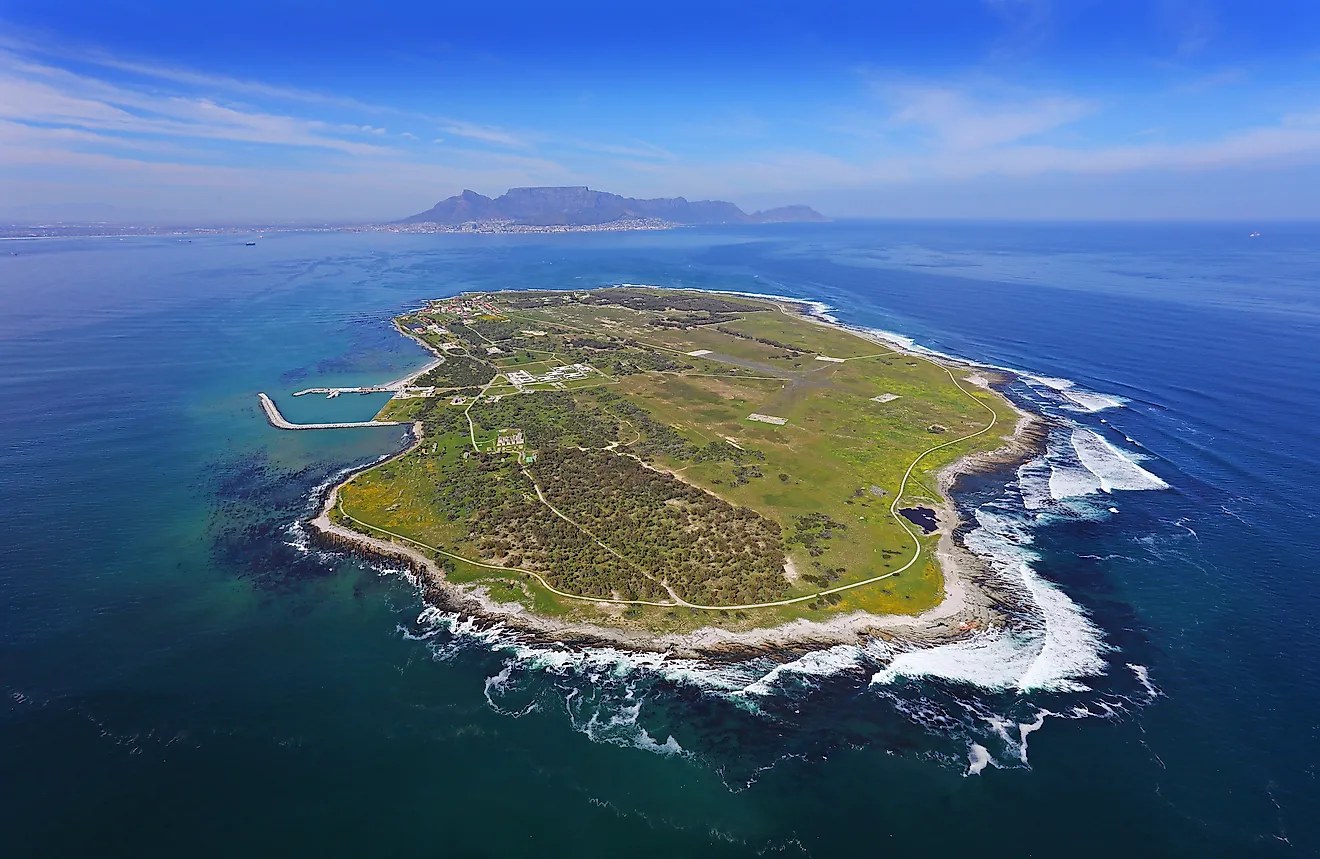 0 mi from Cape TownRobben Island Museum
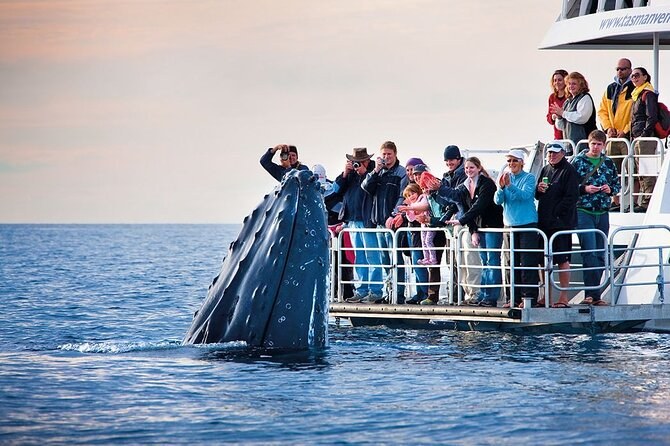 0 mi from Cape TownHermanus Whale Watching Tour
 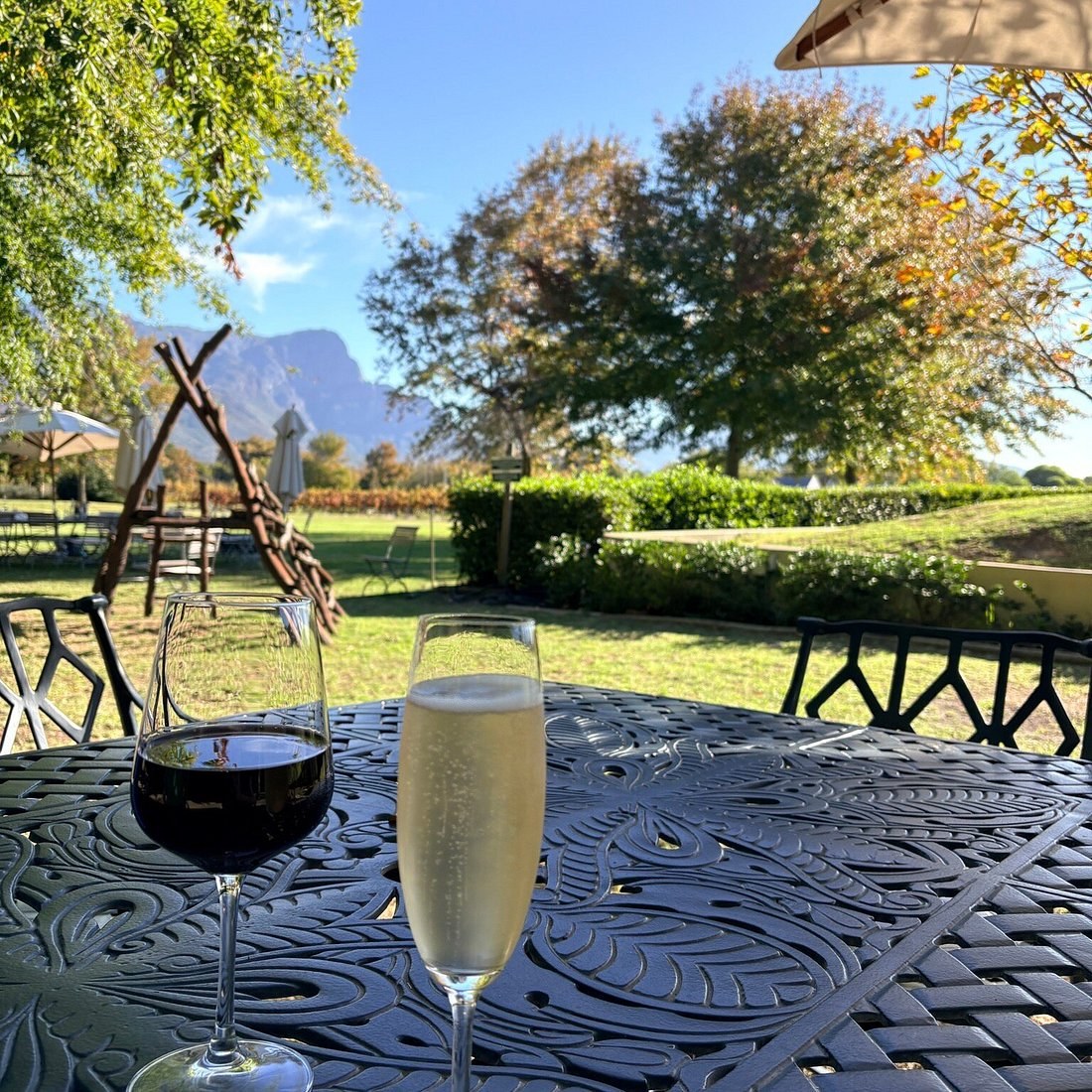 11 mi from Cape Town · land adventureStellenbosch & Beyond: Wine, Wilderness, and the Cape's Best Tables
 After you step off · near Marseille
You end in a different port — stay on, and add what is within reach before you fly home.
 86 mi from MarseilleConfiserie du Vieux Pont (Candied Fruit Masterclass)
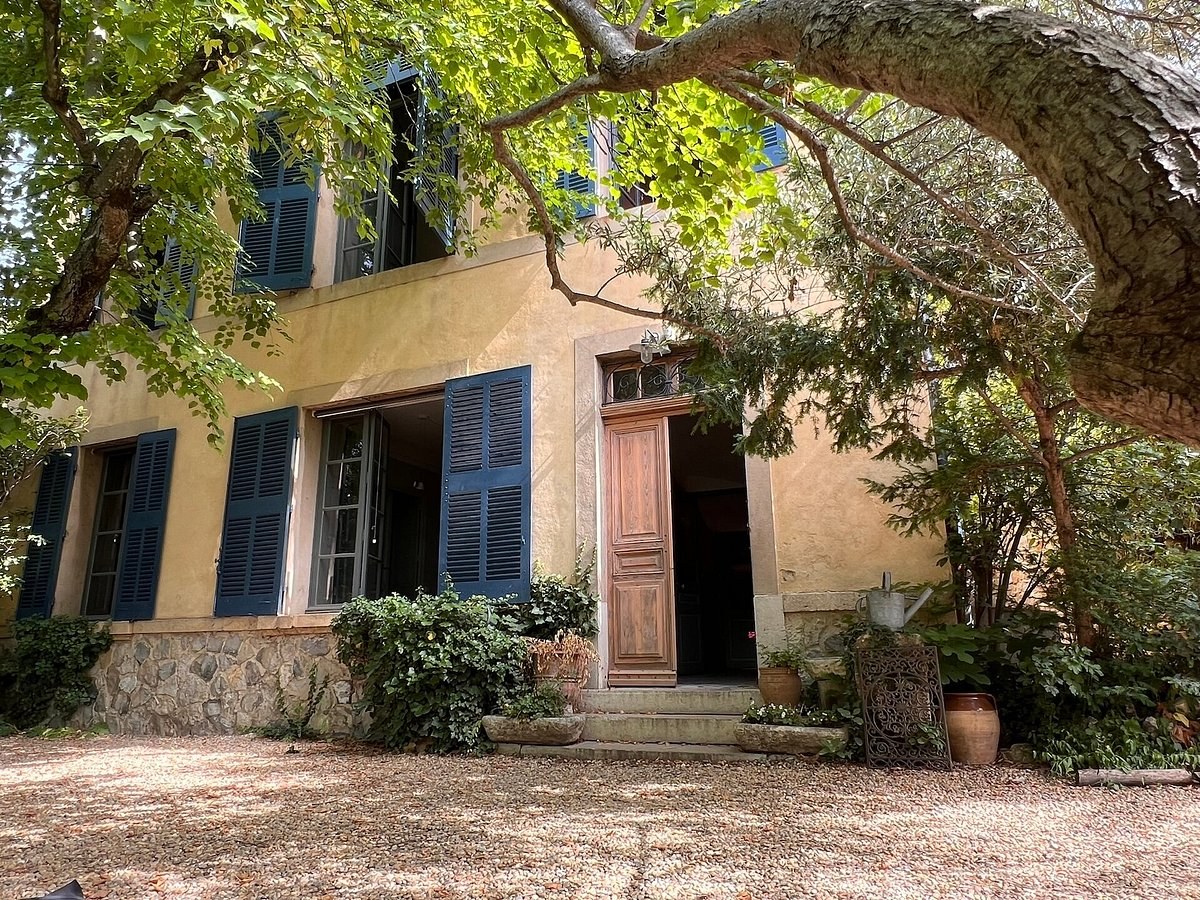 16 mi from MarseilleAtelier de Cézanne
 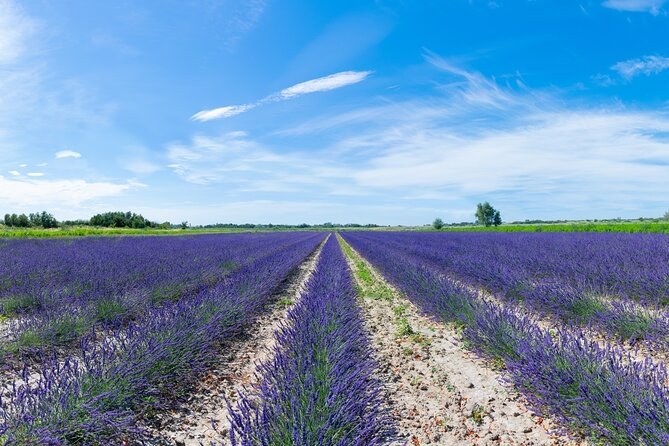 13 mi from Marseille · land adventureProvence by the Senses: Lavender, Truffles, and Roman Stone
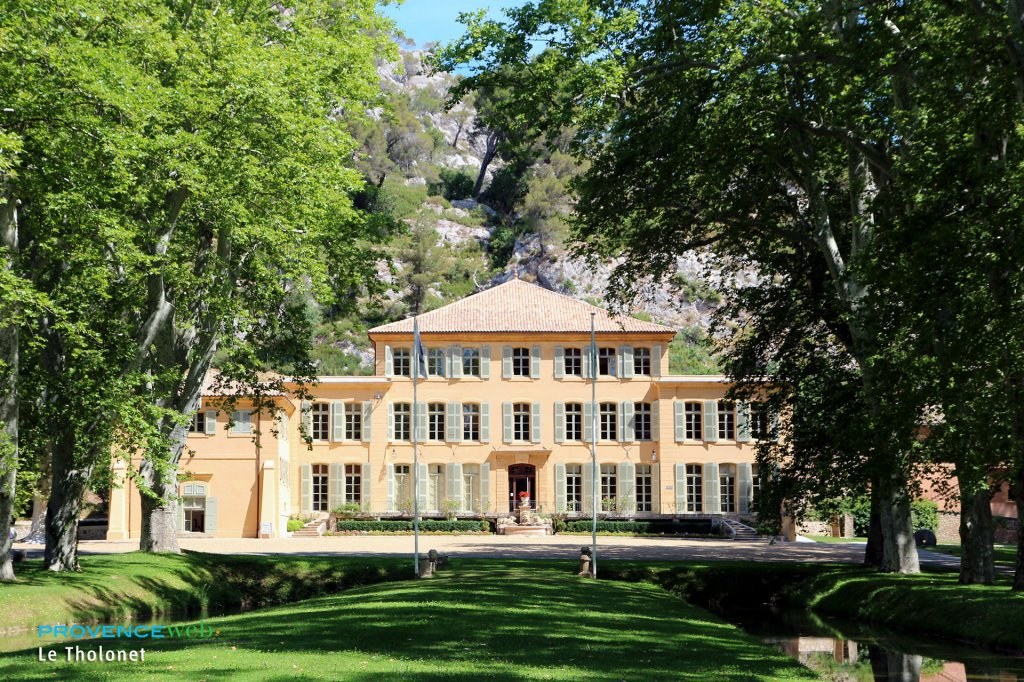 95 mi from Marseille · land adventureCézanne's Backyard: Wine, Art & Thermal Springs in Provence
 The same trip, elevated
The same gateway on a more luxurious line — lead-in fare per person, same fare as booking direct.